Contract Grade
Commercial stair runners: Engineering for high-traffic environments
When specifying for hotels, corporate offices, or public venues, a stair runner must do more than look good. It must meet stringent safety codes and endure millions of footsteps.
Written by the StairRunner.co editorial team · Updated 4 September 2026
The Demand of the Commercial Environment
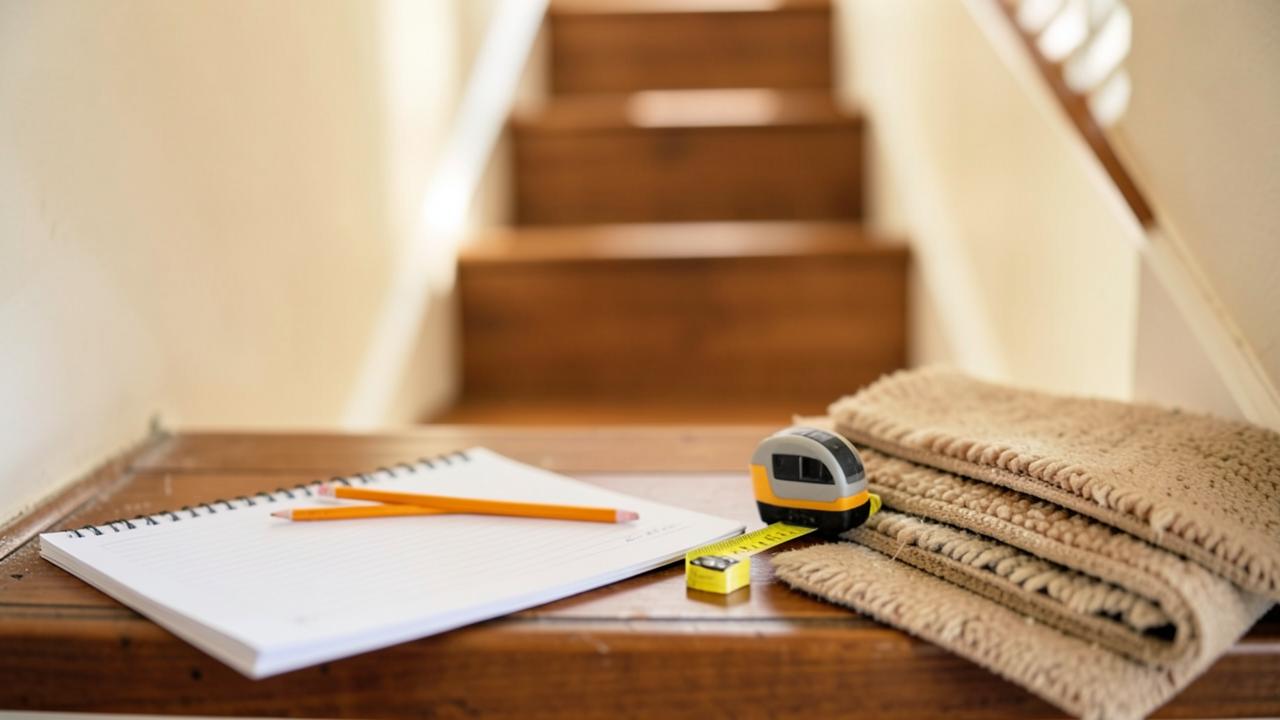
Staircases in commercial buildings are under constant assault. In a busy hotel, a single flight of stairs might see more foot traffic in a week than a domestic staircase sees in a year. Furthermore, commercial users often wear harder-soled shoes, carry heavy luggage, and may be less careful than someone in their own home.
Specifying a runner for these spaces requires a shift from 'aesthetic-first' to 'performance-first' thinking. A runner that looks beautiful but fails its fire test or wears through in six months is a liability, not an asset. The lifecycle cost—including installation, maintenance, and replacement—must be carefully calculated to ensure the best return on investment for the property owner.
Key Compliance Standards for the UK
For architects, facility managers, and business owners, compliance is non-negotiable. The legal framework surrounding public flooring is designed to ensure safety in the event of a fire or an emergency evacuation.
1. Fire Safety (BS EN 13501-1)
The Building Regulations (Part B) mandate that all materials on escape routes—which almost always includes the main stairs—must resist the spread of flame and limit smoke production. The European standard Class Bfl-s1 is the most common requirement. 'B' refers to the flame spread, and 's1' refers to the lowest level of smoke development. Using a product without this certification is a major breach of safety protocol. Always request a fire certificate from your supplier before purchase.
2. Slip Resistance (HSE Guidelines)
The Health and Safety Executive (HSE) takes a dim view of slippery stairs. A runner should provide a PTV (Pendulum Test Value) of at least 36 to be considered 'low slip potential'. This is particularly important near entrances where people may be walking in with wet shoes. The Pendulum Test is the preferred method of the HSE because it mimics the way a foot actually slips on a surface.
3. Equality Act (DDA) Compliance
The Equality Act requires that public spaces be accessible to everyone. This means the staircase must have a clear visual contrast between the tread and the nosing. A commercial runner can achieve this through a contrasting border or by being paired with high-visibility stair nosings (stair edgings). These edgings also protect the edge of the carpet from fraying, adding to the longevity of the installation.
Material Selection: The Case for Nylon 6.6
In the world of commercial flooring, Nylon 6.6 is the undisputed king of performance. Unlike traditional Nylon 6, Nylon 6.6 has a tighter molecular structure that makes it exceptionally resistant to crushing and abrasion.
Furthermore, solution-dyeing (where the pigment is added to the polymer before the fibre is created) means the colour is permanent. In a commercial setting, this allows for the use of aggressive cleaning agents, including diluted bleach, to tackle the inevitable spills and stains of a public space. Nylon 6.6 also has a higher melting point than other synthetics, which contributes to its superior fire-rating performance.
| Material | Performance Rating | Best Use Case |
|---|---|---|
| Solution-Dyed Nylon 6.6 | Class 33 / Extreme Wear | Offices, airports, retail stores |
| Woven Axminster (80/20) | Class 32-33 / Heavy Contract | Boutique hotels, theatres, private clubs |
| Polypropylene (Contract Grade) | Class 31 / Moderate Contract | Small offices, low-traffic rental stairs |
Woven Wool Blends for Luxury Contract
For high-end hotels and prestigious corporate headquarters, the synthetic look of nylon may not be appropriate. In these cases, a heavy-duty woven wool blend (typically 80% wool and 20% nylon) is the professional choice.
Woven carpets, such as Axminster or Wilton, are structurally superior to tufted carpets. The pile and the backing are woven together in a single process, making it impossible for the pile to "delaminate" or pull away from the backing under the stress of heavy traffic. Wool also has a natural, microscopic scale structure that hides dirt and provides natural fire retardancy, making it an excellent, albeit more expensive, commercial option.
Acoustics in the Workplace
Noise pollution is a major issue in modern office and hotel design. Hard surface stairs (like steel, stone, or wood) act as echo chambers, reflecting the sound of footsteps and voices throughout the building. A commercial stair runner acts as a high-performance acoustic absorber.
It reduces 'impact sound'—the noise of the foot hitting the step—and 'reverberant sound'. In a hotel, this is the difference between guests being woken up by late-night arrivals and a peaceful night's sleep. When specifying, look for the 'Weighted Impact Sound Reduction' (Lw) value in the technical data sheet; a value of 25dB or higher is typical for a high-quality commercial runner with underlay.
Installation: Permanent Bonding vs. Grippers
Commercial installations often require more robust fixing than domestic ones. While the traditional "gripper and underlay" method is used in boutique settings, very high-traffic areas often utilize a "double-stick" or "direct glue-down" method.
In a double-stick installation, the underlay is glued to the stairs, and the runner is then glued to the underlay. This eliminates any possibility of the carpet moving, rippling, or stretching, which are major safety hazards in a high-footfall area. It also improves the acoustic performance and the overall lifespan of the carpet by preventing the backing from rubbing against the stair surface.
Maintenance Strategies: Prevention is Better Than Cure
In a commercial setting, maintenance shouldn't be reactive; it must be scheduled. A reactive approach leads to "traffic lanes" and permanent staining.
- Walk-Off Matting: The best way to keep a stair runner clean is to prevent dirt from reaching it. Install at least 3-4 metres of high-quality barrier matting at all external entrances to trap grit and moisture.
- Dual-Motor Vacuuming: Use vacuum cleaners with independent motors for the suction and the brush bar. This ensures the brush continues to agitate the pile even when the suction is working hard, which is vital for removing the deep-seated grit that cuts into carpet fibres.
- Spot Cleaning Kits: Facility staff should be equipped with professional-grade spot cleaning kits to tackle spills immediately before they become permanent stains.
Sustainability and ESG Targets
Many commercial clients now have strict ESG (Environmental, Social, and Governance) targets. This has driven a revolution in the contract flooring market.
Look for runners with 'Cradle to Cradle' certification or those made from recycled nylon (like Econyl, which is made from abandoned fishing nets and other nylon waste). Furthermore, consider the "Take Back" schemes offered by many commercial manufacturers, where they guarantee to collect and recycle the runner at the end of its life, ensuring it stays out of the landfill.
Deep dive: long-term performance metrics
The ultimate metric for a commercial runner is its "appearance retention." A runner may still be physically intact, but if it looks dirty, crushed, and "ugly," it has failed its purpose. This is measured by the Vettermann Drum test, where a heavy metal ball with rubber studs is tumbled over the carpet for thousands of cycles.
A commercial-grade runner should achieve a rating of at least 4.0 out of 5.0 on this test. This ensures that the texture and "look" of the runner will remain consistent even after years of heavy use. When reviewing technical data, don't just look at the material weight; look at the density and the drum test results to see how the product will actually look in five years' time.
Equality Act: Visual Contrast Requirements
To meet the requirements of Document M and the Equality Act, the nosing of each step must be clearly identifiable. This requires a Light Reflectance Value (LRV) difference of at least 30 points between the stair nosing and the runner.
If you are using a dark runner, you should specify a light-coloured (e.g., satin aluminium or yellow) nosing. If you are using a light runner, a dark nosing is required. This is not just a safety feature; it is a legal requirement for public buildings. A professional specifier will always include the LRV values in the project documentation to prove compliance.
Final Thoughts
Specifying a commercial stair runner is about balancing the needs of the business, the safety of the users, and the vision of the interior designer. It is a technical exercise as much as an aesthetic one. By focusing on high-performance materials like Nylon 6.6 or woven wool blends, ensuring rigorous fire and slip certifications are in place, and planning for a robust maintenance cycle, you can create a staircase that is both a stunning architectural feature and a durable, safe, and compliant part of the building's infrastructure for decades.
Frequently asked questions
- What is the minimum wear rating for a commercial stair runner?
- For commercial use, a runner should have a Class 33 (Heavy Contract) rating. This ensures the material can withstand the constant, high-volume foot traffic found in hotels, offices, and retail spaces without premature crushing or balding.
- What fire regulations apply to commercial stair runners in the UK?
- Commercial floor coverings must comply with BS EN 13501-1. For most public areas, a rating of Class Bfl-s1 or Cfl-s1 is required. This measures both flame spread and smoke production, ensuring the runner does not impede evacuation in a fire.
- How is slip resistance measured for commercial stairs?
- Slip resistance is often measured using the Pendulum Test Value (PTV). A score of 36+ is typically required for a 'low slip potential' rating in both wet and dry conditions, which is crucial for public safety compliance.
- Can I use a domestic runner in a commercial setting?
- No. Domestic runners lack the necessary fire certifications and structural density required for commercial buildings. Using a domestic product may invalidate your building insurance and fail to meet health and safety inspections.
- What is the best material for commercial stair runners?
- Solution-dyed Nylon 6.6 or a high-density Woven 80/20 Wool/Nylon blend are the top choices. Nylon offers extreme abrasion resistance and ease of cleaning, while woven wool blends provide a prestigious look with natural fire retardancy.
- How often should commercial stair runners be cleaned?
- In high-traffic areas, daily vacuuming with a high-performance upright cleaner is required. Professional deep cleaning should be scheduled quarterly or bi-annually, depending on footfall and weather conditions.
- Is underlay necessary for commercial stair runners?
- Yes, but it must be a commercial-grade, high-density underlay with its own fire rating. A domestic underlay will collapse under commercial traffic, leading to premature wear of the runner and potentially failing fire safety audits.
- Do I need a contrasting nosing for commercial stairs?
- Yes, under the Equality Act (DDA) guidelines, stairs in public buildings should have a clearly visible contrast between the tread and the nosing to assist those with visual impairments. This is often achieved with a contrasting metal or PVC stair edging.
Related guides
 InstallationHow to Install a Stair RunnerWaterfall and Hollywood methods, staples versus rods, tools, sequence and quality checks.
 MaterialsStair Runner Materials ComparedWool, nylon, polypropylene, sisal and jute judged on stair-specific wear, comfort, cleaning and safety.
 CareCleaning and Caring for a Stair RunnerRoutine vacuuming, spill response by fibre type, slipping and fraying, and when to call a professional.
- MaterialsNylon Stair RunnersNylon on stairs: resilience and recovery, solution-dyed colour, stain treatments and appearance retention.