Decision Guide
The pros and cons of stair runners
Every flooring choice has trade-offs. We break down the realities of living with a stair runner to help you decide if it is the right addition to your home.
Written by the StairRunner.co editorial team · Updated 4 September 2026
The Advantages of a Runner
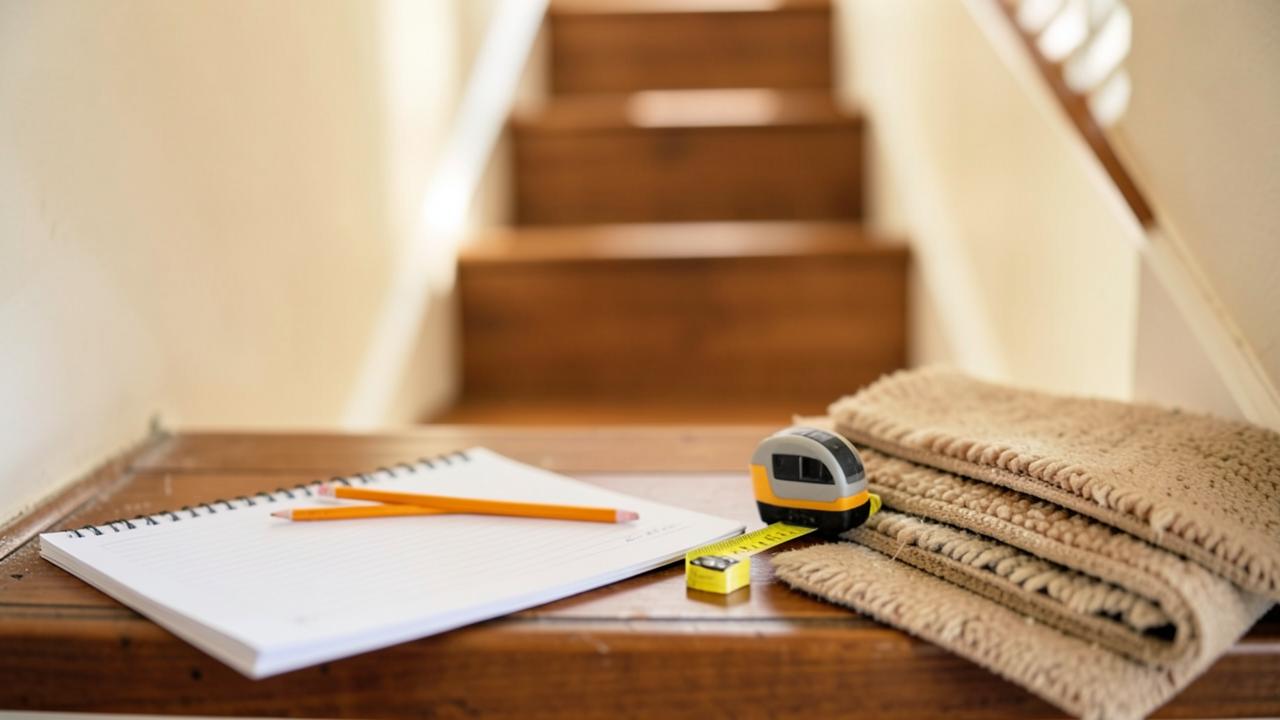
A stair runner is rarely just a floor covering; it is a feature. The most immediate benefit is the combination of traction and comfort. Hard surfaces on stairs are notoriously slippery, particularly for those wearing socks or for elderly residents. A runner provides an instant, high-friction landing spot for every step, significantly reducing the risk of slips and falls.
Aesthetically, a runner acts as a bridge. It connects the ground floor to the upper landing, adding a soft, textural element to what can otherwise be a stark or clinical-looking transition space. Whether you choose a classic striped wool or a textured sisal, it adds depth, colour, and warmth to your hallway. It also allows you to showcase the beauty of your wooden stairs, as the edges of the treads remain visible, providing a framing effect that full carpeting lacks.
From a design perspective, a runner is a fantastic way to introduce pattern into a space without overwhelming it. A bold geometric or a traditional floral can look stunning on a staircase, serving as a vertical art piece that draws the eye upward. This ability to combine the warmth of textile with the architectural interest of the staircase is the primary reason for their enduring popularity in British homes.
Acoustic Benefits: Sound Dampening in the Vertical Axis
One of the most frequently cited benefits of a stair runner is the dramatic reduction in noise. Bare wooden stairs act like a drum; every footstep vibrates through the structure of the house. In a busy household, the sound of people moving up and down the stairs can be disruptive, particularly in the early morning or late at night.
A stair runner, combined with a high-quality underlay, acts as a sophisticated sound absorber. It muffles the impact of the footfall at the source, preventing the vibration from travelling through the timber. Beyond just the impact noise, the fabric also helps to absorb ambient sound in the hallway, reducing the "echo chamber" effect that often occurs in tall, narrow stairwells. For homeowners living in older, creakier properties, a runner can transform the atmosphere of the entire home from clattery to calm.
Safety First: Reducing Slip Risks for All Ages
Safety is often the primary driver for installing a runner. Polished timber, while beautiful, offers very little grip. For young children who tend to run, or for pets whose claws can't find purchase on hard surfaces, the stairs can be a hazardous zone. A runner provides a consistent, high-traction surface that makes every ascent and descent feel more secure.
Furthermore, the visual contrast of a runner can help those with visual impairments or the elderly to clearly identify the edge of each step. By providing a clear path and a tactile difference underfoot, a runner can increase confidence and independence within the home. It is a practical safety feature that doesn't require sacrificing the style and elegance of a wooden staircase.
Understanding the Potential Drawbacks
The primary disadvantage of a runner is the complexity of its lifecycle. Unlike a standard rug, it is fixed to the stairs with grippers, staples, and often underlay. It is not something you can simply pick up and shake outside or put through a machine. Cleaning must happen in situ, which requires patience and the right equipment. Over time, the area where the runner meets the bare wood can also collect dust, requiring a two-stage cleaning process: vacuuming the carpet and dusting the wood.
Installation is another hurdle. Getting a runner to look perfectly straight, with the patterns aligned across every single nosing, requires a high level of skill. This is rarely a successful DIY project, meaning you must factor in the cost of a professional fitter. If the staircase is particularly complex—with winders or unusual turns—this cost can be substantial. A poorly installed runner is not just an eyesore; it can be a trip hazard if it isn't properly tensioned and secured.
Comparing Materials: Wool vs. Synthetic Pros and Cons
The choice of material for your runner will significantly influence its performance and longevity. Wool is the traditional choice for a reason. It is naturally resilient, fire-retardant, and has a "bounce-back" quality that helps it resist crushing in high-traffic areas. However, wool is also more expensive and can be more difficult to clean if a spill occurs, as it is a natural, porous fibre.
Synthetic materials, such as polypropylene or nylon, offer excellent stain resistance and are generally more budget-friendly. Modern synthetics can mimic the look and feel of wool quite effectively, making them a popular choice for families with pets or young children. On the downside, some synthetics can have a slightly "plastic" sheen and may not age as gracefully as natural fibres, occasionally showing wear through flattening in the main walking lane.
Flat-weave materials like sisal and seagrass are prized for their aesthetic and durability. They are incredibly tough and provide a very firm feel underfoot. However, they can be quite abrasive—not ideal for crawling toddlers—and they are notoriously difficult to clean once stained. Understanding these material trade-offs is essential to ensuring your runner meets your lifestyle needs as well as your design goals.
The Maintenance Paradox: Protecting the Wood Beneath
A common concern is whether a runner will damage the stairs it is meant to enhance. In reality, a runner acts as a protective shield for the high-wear central part of your treads. It prevents the wood from being scratched by grit, dented by high heels, or worn down by constant friction. In this sense, a runner can actually preserve the life of your staircase.
However, the installation process does involve making small holes in the wood for grippers and staples. If you decide to remove the runner in the future, these holes will need to be filled and the wood refinished. There is also the risk of "shadowing," where the wood underneath the runner remains its original colour while the exposed edges darken or fade due to sunlight. This means that once you commit to a runner, you are often committed to that look for the long term, or at least to a significant restoration project if you choose to go back to bare wood.
Cost: Investment vs. Value
It is a common myth that runners are cheaper than full-width carpeting simply because they use less material. While you do buy less carpet, you are often paying for: 1) Professional bespoke binding on both edges; 2) A specialist fitting service; 3) Additional materials like stair rods or specialized gripper systems. When you factor these in, a runner is usually a mid-to-high-tier investment in your interior.
However, many homeowners find that a runner adds significant value to their home's appeal. It creates a "wow factor" in the entryway, which is the first thing guests see. In the context of a full home renovation, the cost of a high-quality stair runner is often seen as a worthwhile investment in the overall character and "finished" feel of the property.
The 'Turn' Problem: Pros and Cons for Winders
If your staircase has a turn or a landing, the installation becomes more complex. On straight stairs, a runner is simple to fit, but on "winders" (the triangular steps that make a turn), the carpet must be carefully folded, cut, or manipulated to follow the curve. This is where the skill of a professional is most evident.
The pro of having a runner on a turn is that it provides consistent grip where it is needed most—on the narrow part of the step. The con is that patterns, such as stripes, can be very difficult to align across a turn. Sometimes the pattern will have to be "broken" or mitred, which some people find aesthetically distracting. If you have a complex staircase, choosing a plain or mottled design can often yield a more successful and less stressful result than a strict geometric pattern.
Health Considerations: Dust Trapping and Allergies
For allergy sufferers, a stair runner presents a classic dilemma. On one hand, the carpet fibres act as a filter, trapping dust and allergens and preventing them from becoming airborne every time someone walks past. On the other hand, if that dust isn't regularly removed via deep vacuuming, it can accumulate and become a problem.
Maintaining a runner in an allergy-conscious home requires a vacuum with a high-efficiency particulate air (HEPA) filter and a dedicated schedule. If you are extremely sensitive to dust, you might find that the ease of mopping a bare wooden stair is preferable. However, for most, the benefits of noise reduction and safety outweigh the additional cleaning requirements, provided the right maintenance habits are in place.
Durability and Wear
Stairs are high-traffic zones, and the nosing (the front edge) is the most heavily stressed part. Regardless of the material, this area will eventually show wear. A high-tuft-density carpet (dense wool or nylon) will withstand this wear far longer than a loose, flat-weave or a cheap synthetic. The underlay is also vital—a poor pad means the runner is constantly bending into the hard edge of the step, which dramatically accelerates fibre breakdown.
When assessing durability, consider the "rub test" or the commercial rating of the carpet. A runner that is rated for "heavy domestic" or "extra heavy domestic" use is essential for a staircase. Choosing a product that is too delicate will lead to frustration as the pile begins to look tired and worn within just a few years of installation.
Summary of Trade-offs
| Factor | Pros | Cons |
|---|---|---|
| Safety | High grip, reduces slips, provides visual contrast | Must be installed tightly to avoid trip hazards |
| Aesthetics | Architectural focal point, introduces pattern and texture | Must be maintained regularly to look sharp and clean |
| Cost | Uses less carpet than full-width fitting | Binding and professional labour add to the bill |
| Maintenance | Protects the wood from scratches and dents | Cannot be removed for deep cleaning; requires careful vacuuming |
| Acoustics | Dampens impact noise and reduces hallway echo | Requires high-quality underlay for maximum effect |
| Longevity | High-quality materials can last 15+ years | Nosing areas are prone to eventually showing wear |
Ultimately, the decision to install a stair runner comes down to your priorities. If you value a quiet, safe, and stylish home and are willing to invest in professional installation and regular maintenance, a runner is an excellent choice. It transforms a functional staircase into a beautiful design feature that enhances the comfort of every person who walks through your door. For more guidance, see our articles on stair runners vs full carpet or our detailed cost guide.
Frequently asked questions
- Do stair runners make stairs safer?
- Yes, they provide significantly more grip than bare, polished, or painted timber, especially for children, the elderly, and pets.
- Is a runner cheaper than full carpet?
- It depends. While you use less material, you pay for finishing the edges, often higher installation costs, and decorative rods. It is a premium design choice rather than a budget one.
- Are they hard to clean?
- Not inherently, but because they are fitted to stairs, they cannot be removed for cleaning. You must use a vacuum with an appropriate brush attachment and treat stains in situ.
- Do they wear out quickly?
- The nosing is the high-wear area. A quality underlay and a dense, high-tuft-count runner can last many years, whereas a cheap product will show wear on the steps within months.
- Can a runner be installed over damaged stairs?
- A runner hides minor cosmetic damage like scratches or old paint, but it cannot fix structural issues like creaking or loose treads. Those should be repaired before installation.
- Do stair runners help with noise?
- Yes, they are excellent for acoustic dampening. They absorb the sound of footfalls and prevent the 'echo' effect common in wooden hallways.
- Can I install a stair runner myself?
- While possible for a skilled DIYer, professional installation is recommended to ensure the runner is perfectly straight and safely tensioned, especially on winders.
- Do stair runners trap dust and allergens?
- Like all carpets, they can trap dust. Regular vacuuming is essential, but for severe allergy sufferers, a bare floor might be easier to keep perfectly sterile.
Related guides
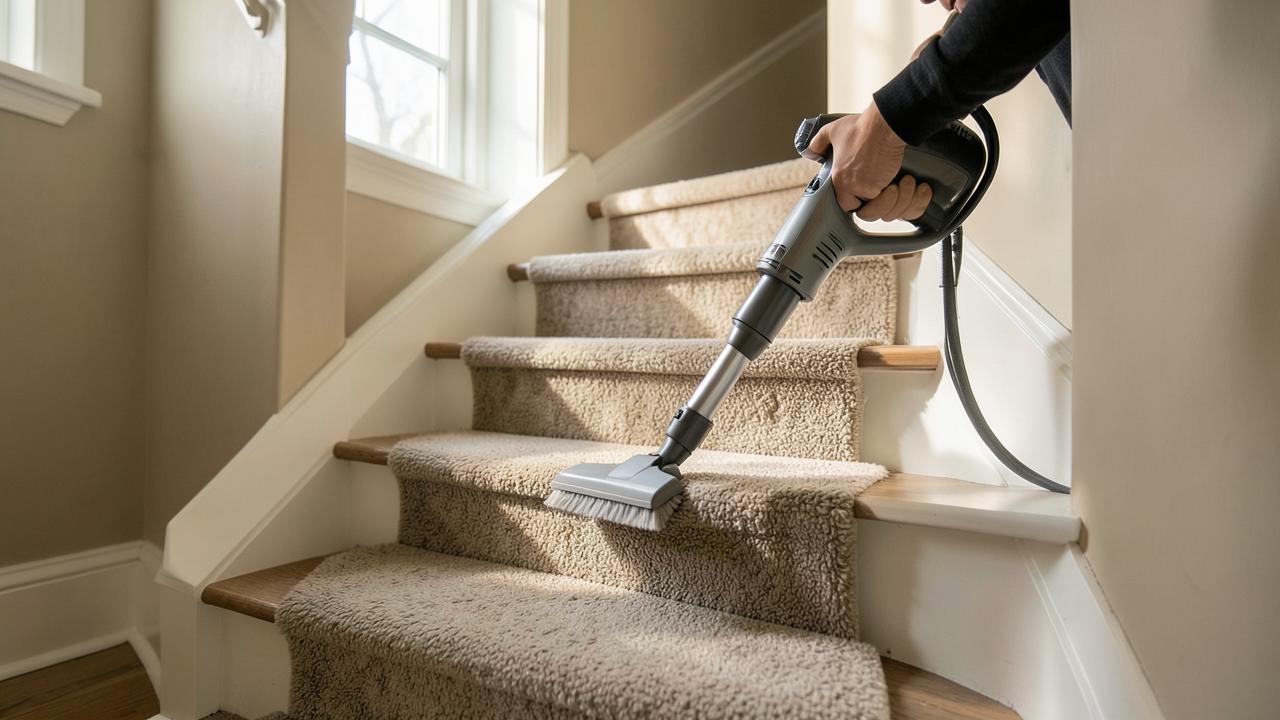 CareCleaning and Caring for a Stair RunnerRoutine vacuuming, spill response by fibre type, slipping and fraying, and when to call a professional.
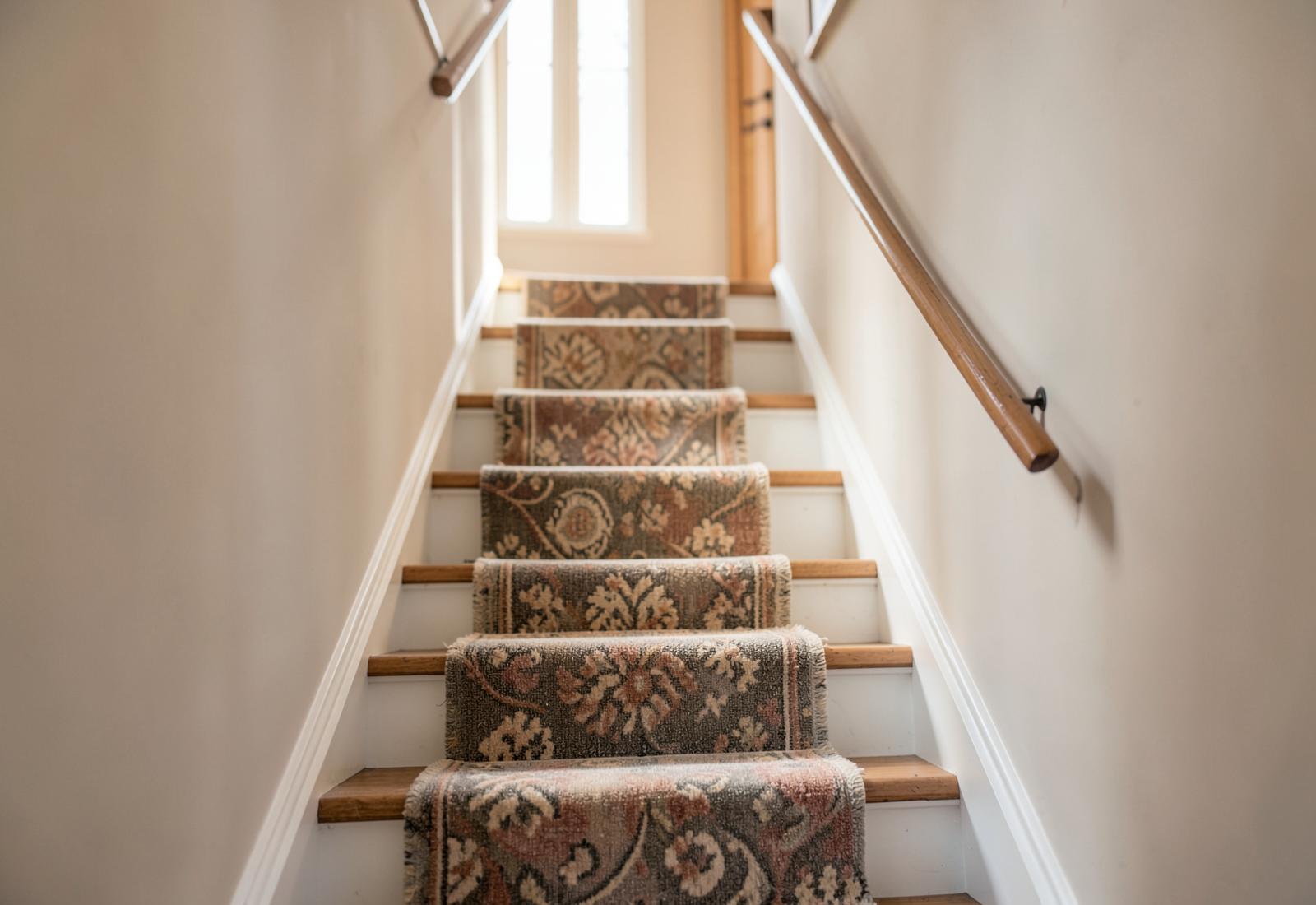 ComparisonsStair Runner vs Full CarpetA side-by-side comparison of appearance, safety, noise, cleaning, cost and resale considerations.
- CostStair Runner Cost in the UKHow a UK quote is assembled line by line, and how to compare two quotes honestly.