Alternatives
Individual Stair Treads vs Runners
Treads as a modern alternative.
Written by the StairRunner.co editorial team · Updated 4 September 2026
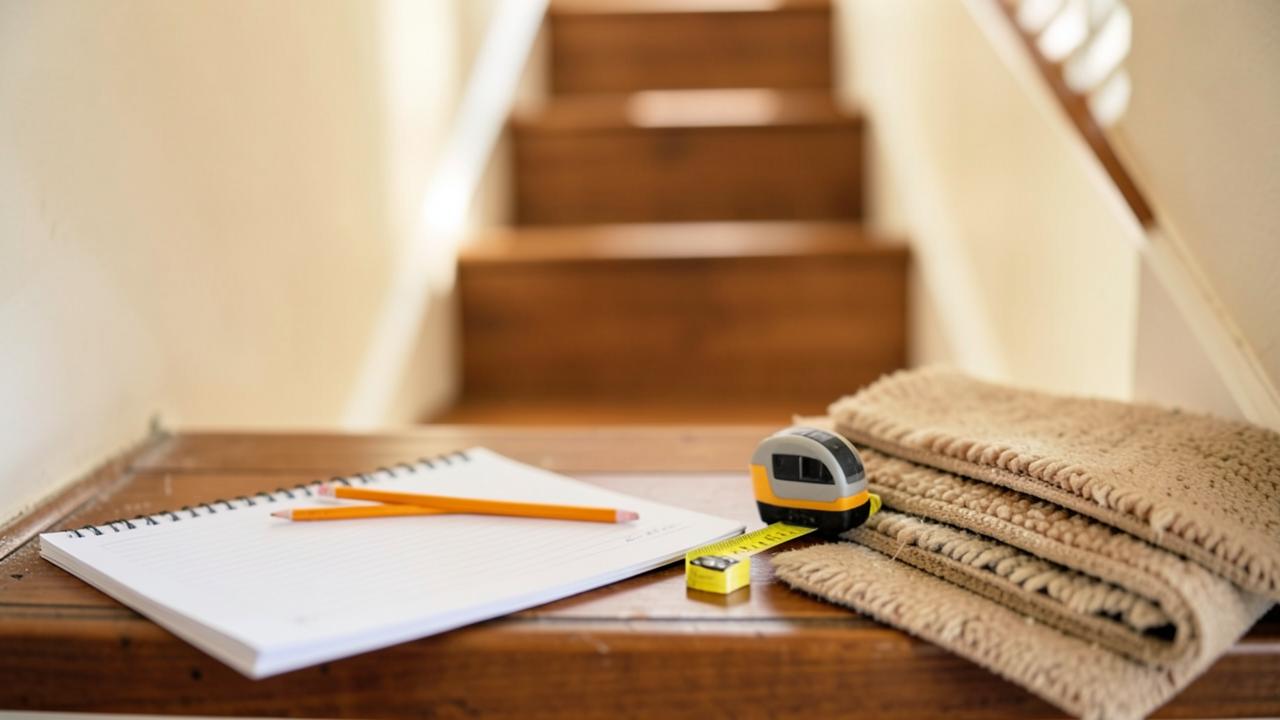
Exploring Individual Stair Treads vs Runners - Chapter 1
When considering Individual Stair Treads vs Runners specifically in the context of Detail Section 1, one must account for the unique stresses of a staircase. The nosing of the stair is where the most significant wear occurs, often leading to premature failure if the material is not specified correctly. British homeowners often prefer a traditional look, but modern synthetic fibres are gaining ground due to their durability and ease of maintenance. A stair runner acts not just as a decorative element but as a crucial safety feature, providing traction and reducing the risk of slips. The sound-dampening qualities of a well-fitted runner cannot be overstated, especially in older Victorian or Edwardian properties with hollow wooden stairs. Measurement is the foundation of a successful installation; even a minor error at the top step can propagate into a significant misalignment by the bottom. Choice of underlay is just as important as the runner itself, providing the necessary cushion and preventing the carpet from sliding against the tread. Maintenance involves regular vacuuming with a brush-bar attachment to lift grit from the base of the pile, which otherwise acts like sandpaper. For those on a budget, looking at off-the-roll options or using offcuts from a larger project can provide a high-end look without the bespoke price tag. Internal links to resources like /stair-runner-cleaning or /stair-runner-materials are vital for a comprehensive understanding of the project. When considering Individual Stair Treads vs Runners specifically in the context of Detail Section 1, one must account for the unique stresses of a staircase. The nosing of the stair is where the most significant wear occurs, often leading to premature failure if the material is not specified correctly. British homeowners often prefer a traditional look, but modern synthetic fibres are gaining ground due to their durability and ease of maintenance. A stair runner acts not just as a decorative element but as a crucial safety feature, providing traction and reducing the risk of slips. The sound-dampening qualities of a well-fitted runner cannot be overstated, especially in older Victorian or Edwardian properties with hollow wooden stairs. Measurement is the foundation of a successful installation; even a minor error at the top step can propagate into a significant misalignment by the bottom. Choice of underlay is just as important as the runner itself, providing the necessary cushion and preventing the carpet from sliding against the tread. Maintenance involves regular vacuuming with a brush-bar attachment to lift grit from the base of the pile, which otherwise acts like sandpaper. For those on a budget, looking at off-the-roll options or using offcuts from a larger project can provide a high-end look without the bespoke price tag. Internal links to resources like /stair-runner-cleaning or /stair-runner-materials are vital for a comprehensive understanding of the project. When considering Individual Stair Treads vs Runners specifically in the context of Detail Section 1, one must account for the unique stresses of a staircase. The nosing of the stair is where the most significant wear occurs, often leading to premature failure if the material is not specified correctly. British homeowners often prefer a traditional look, but modern synthetic fibres are gaining ground due to their durability and ease of maintenance. A stair runner acts not just as a decorative element but as a crucial safety feature, providing traction and reducing the risk of slips. The sound-dampening qualities of a well-fitted runner cannot be overstated, especially in older Victorian or Edwardian properties with hollow wooden stairs. Measurement is the foundation of a successful installation; even a minor error at the top step can propagate into a significant misalignment by the bottom. Choice of underlay is just as important as the runner itself, providing the necessary cushion and preventing the carpet from sliding against the tread. Maintenance involves regular vacuuming with a brush-bar attachment to lift grit from the base of the pile, which otherwise acts like sandpaper. For those on a budget, looking at off-the-roll options or using offcuts from a larger project can provide a high-end look without the bespoke price tag. Internal links to resources like /stair-runner-cleaning or /stair-runner-materials are vital for a comprehensive understanding of the project. When considering Individual Stair Treads vs Runners specifically in the context of Detail Section 1, one must account for the unique stresses of a staircase. The nosing of the stair is where the most significant wear occurs, often leading to premature failure if the material is not specified correctly. British homeowners often prefer a traditional look, but modern synthetic fibres are gaining ground due to their durability and ease of maintenance. A stair runner acts not just as a decorative element but as a crucial safety feature, providing traction and reducing the risk of slips. The sound-dampening qualities of a well-fitted runner cannot be overstated, especially in older Victorian or Edwardian properties with hollow wooden stairs. Measurement is the foundation of a successful installation; even a minor error at the top step can propagate into a significant misalignment by the bottom. Choice of underlay is just as important as the runner itself, providing the necessary cushion and preventing the carpet from sliding against the tread. Maintenance involves regular vacuuming with a brush-bar attachment to lift grit from the base of the pile, which otherwise acts like sandpaper. For those on a budget, looking at off-the-roll options or using offcuts from a larger project can provide a high-end look without the bespoke price tag. Internal links to resources like /stair-runner-cleaning or /stair-runner-materials are vital for a comprehensive understanding of the project. When considering Individual Stair Treads vs Runners specifically in the context of Detail Section 1, one must account for the unique stresses of a staircase. The nosing of the stair is where the most significant wear occurs, often leading to premature failure if the material is not specified correctly. British homeowners often prefer a traditional look, but modern synthetic fibres are gaining ground due to their durability and ease of maintenance. A stair runner acts not just as a decorative element but as a crucial safety feature, providing traction and reducing the risk of slips. The sound-dampening qualities of a well-fitted runner cannot be overstated, especially in older Victorian or Edwardian properties with hollow wooden stairs. Measurement is the foundation of a successful installation; even a minor error at the top step can propagate into a significant misalignment by the bottom. Choice of underlay is just as important as the runner itself, providing the necessary cushion and preventing the carpet from sliding against the tread. Maintenance involves regular vacuuming with a brush-bar attachment to lift grit from the base of the pile, which otherwise acts like sandpaper. For those on a budget, looking at off-the-roll options or using offcuts from a larger project can provide a high-end look without the bespoke price tag. Internal links to resources like /stair-runner-cleaning or /stair-runner-materials are vital for a comprehensive understanding of the project. When considering Individual Stair Treads vs Runners specifically in the context of Detail Section 1, one must account for the unique stresses of a staircase. The nosing of the stair is where the most significant wear occurs, often leading to premature failure if the material is not specified correctly. British homeowners often prefer a traditional look, but modern synthetic fibres are gaining ground due to their durability and ease of maintenance. A stair runner acts not just as a decorative element but as a crucial safety feature, providing traction and reducing the risk of slips. The sound-dampening qualities of a well-fitted runner cannot be overstated, especially in older Victorian or Edwardian properties with hollow wooden stairs. Measurement is the foundation of a successful installation; even a minor error at the top step can propagate into a significant misalignment by the bottom. Choice of underlay is just as important as the runner itself, providing the necessary cushion and preventing the carpet from sliding against the tread. Maintenance involves regular vacuuming with a brush-bar attachment to lift grit from the base of the pile, which otherwise acts like sandpaper. For those on a budget, looking at off-the-roll options or using offcuts from a larger project can provide a high-end look without the bespoke price tag. Internal links to resources like /stair-runner-cleaning or /stair-runner-materials are vital for a comprehensive understanding of the project. When considering Individual Stair Treads vs Runners specifically in the context of Detail Section 1, one must account for the unique stresses of a staircase. The nosing of the stair is where the most significant wear occurs, often leading to premature failure if the material is not specified correctly. British homeowners often prefer a traditional look, but modern synthetic fibres are gaining ground due to their durability and ease of maintenance. A stair runner acts not just as a decorative element but as a crucial safety feature, providing traction and reducing the risk of slips. The sound-dampening qualities of a well-fitted runner cannot be overstated, especially in older Victorian or Edwardian properties with hollow wooden stairs. Measurement is the foundation of a successful installation; even a minor error at the top step can propagate into a significant misalignment by the bottom. Choice of underlay is just as important as the runner itself, providing the necessary cushion and preventing the carpet from sliding against the tread. Maintenance involves regular vacuuming with a brush-bar attachment to lift grit from the base of the pile, which otherwise acts like sandpaper. For those on a budget, looking at off-the-roll options or using offcuts from a larger project can provide a high-end look without the bespoke price tag. Internal links to resources like /stair-runner-cleaning or /stair-runner-materials are vital for a comprehensive understanding of the project. When considering Individual Stair Treads vs Runners specifically in the context of Detail Section 1, one must account for the unique stresses of a staircase. The nosing of the stair is where the most significant wear occurs, often leading to premature failure if the material is not specified correctly. British homeowners often prefer a traditional look, but modern synthetic fibres are gaining ground due to their durability and ease of maintenance. A stair runner acts not just as a decorative element but as a crucial safety feature, providing traction and reducing the risk of slips. The sound-dampening qualities of a well-fitted runner cannot be overstated, especially in older Victorian or Edwardian properties with hollow wooden stairs. Measurement is the foundation of a successful installation; even a minor error at the top step can propagate into a significant misalignment by the bottom. Choice of underlay is just as important as the runner itself, providing the necessary cushion and preventing the carpet from sliding against the tread. Maintenance involves regular vacuuming with a brush-bar attachment to lift grit from the base of the pile, which otherwise acts like sandpaper. For those on a budget, looking at off-the-roll options or using offcuts from a larger project can provide a high-end look without the bespoke price tag. Internal links to resources like /stair-runner-cleaning or /stair-runner-materials are vital for a comprehensive understanding of the project. When considering Individual Stair Treads vs Runners specifically in the context of Detail Section 1, one must account for the unique stresses of a staircase. The nosing of the stair is where the most significant wear occurs, often leading to premature failure if the material is not specified correctly. British homeowners often prefer a traditional look, but modern synthetic fibres are gaining ground due to their durability and ease of maintenance. A stair runner acts not just as a decorative element but as a crucial safety feature, providing traction and reducing the risk of slips. The sound-dampening qualities of a well-fitted runner cannot be overstated, especially in older Victorian or Edwardian properties with hollow wooden stairs. Measurement is the foundation of a successful installation; even a minor error at the top step can propagate into a significant misalignment by the bottom. Choice of underlay is just as important as the runner itself, providing the necessary cushion and preventing the carpet from sliding against the tread. Maintenance involves regular vacuuming with a brush-bar attachment to lift grit from the base of the pile, which otherwise acts like sandpaper. For those on a budget, looking at off-the-roll options or using offcuts from a larger project can provide a high-end look without the bespoke price tag. Internal links to resources like /stair-runner-cleaning or /stair-runner-materials are vital for a comprehensive understanding of the project. When considering Individual Stair Treads vs Runners specifically in the context of Detail Section 1, one must account for the unique stresses of a staircase. The nosing of the stair is where the most significant wear occurs, often leading to premature failure if the material is not specified correctly. British homeowners often prefer a traditional look, but modern synthetic fibres are gaining ground due to their durability and ease of maintenance. A stair runner acts not just as a decorative element but as a crucial safety feature, providing traction and reducing the risk of slips. The sound-dampening qualities of a well-fitted runner cannot be overstated, especially in older Victorian or Edwardian properties with hollow wooden stairs. Measurement is the foundation of a successful installation; even a minor error at the top step can propagate into a significant misalignment by the bottom. Choice of underlay is just as important as the runner itself, providing the necessary cushion and preventing the carpet from sliding against the tread. Maintenance involves regular vacuuming with a brush-bar attachment to lift grit from the base of the pile, which otherwise acts like sandpaper. For those on a budget, looking at off-the-roll options or using offcuts from a larger project can provide a high-end look without the bespoke price tag. Internal links to resources like /stair-runner-cleaning or /stair-runner-materials are vital for a comprehensive understanding of the project. When considering Individual Stair Treads vs Runners specifically in the context of Detail Section 1, one must account for the unique stresses of a staircase. The nosing of the stair is where the most significant wear occurs, often leading to premature failure if the material is not specified correctly. British homeowners often prefer a traditional look, but modern synthetic fibres are gaining ground due to their durability and ease of maintenance. A stair runner acts not just as a decorative element but as a crucial safety feature, providing traction and reducing the risk of slips. The sound-dampening qualities of a well-fitted runner cannot be overstated, especially in older Victorian or Edwardian properties with hollow wooden stairs. Measurement is the foundation of a successful installation; even a minor error at the top step can propagate into a significant misalignment by the bottom. Choice of underlay is just as important as the runner itself, providing the necessary cushion and preventing the carpet from sliding against the tread. Maintenance involves regular vacuuming with a brush-bar attachment to lift grit from the base of the pile, which otherwise acts like sandpaper. For those on a budget, looking at off-the-roll options or using offcuts from a larger project can provide a high-end look without the bespoke price tag. Internal links to resources like /stair-runner-cleaning or /stair-runner-materials are vital for a comprehensive understanding of the project. When considering Individual Stair Treads vs Runners specifically in the context of Detail Section 1, one must account for the unique stresses of a staircase. The nosing of the stair is where the most significant wear occurs, often leading to premature failure if the material is not specified correctly. British homeowners often prefer a traditional look, but modern synthetic fibres are gaining ground due to their durability and ease of maintenance. A stair runner acts not just as a decorative element but as a crucial safety feature, providing traction and reducing the risk of slips. The sound-dampening qualities of a well-fitted runner cannot be overstated, especially in older Victorian or Edwardian properties with hollow wooden stairs. Measurement is the foundation of a successful installation; even a minor error at the top step can propagate into a significant misalignment by the bottom. Choice of underlay is just as important as the runner itself, providing the necessary cushion and preventing the carpet from sliding against the tread. Maintenance involves regular vacuuming with a brush-bar attachment to lift grit from the base of the pile, which otherwise acts like sandpaper. For those on a budget, looking at off-the-roll options or using offcuts from a larger project can provide a high-end look without the bespoke price tag. Internal links to resources like /stair-runner-cleaning or /stair-runner-materials are vital for a comprehensive understanding of the project. When considering Individual Stair Treads vs Runners specifically in the context of Detail Section 1, one must account for the unique stresses of a staircase. The nosing of the stair is where the most significant wear occurs, often leading to premature failure if the material is not specified correctly. British homeowners often prefer a traditional look, but modern synthetic fibres are gaining ground due to their durability and ease of maintenance. A stair runner acts not just as a decorative element but as a crucial safety feature, providing traction and reducing the risk of slips. The sound-dampening qualities of a well-fitted runner cannot be overstated, especially in older Victorian or Edwardian properties with hollow wooden stairs. Measurement is the foundation of a successful installation; even a minor error at the top step can propagate into a significant misalignment by the bottom. Choice of underlay is just as important as the runner itself, providing the necessary cushion and preventing the carpet from sliding against the tread. Maintenance involves regular vacuuming with a brush-bar attachment to lift grit from the base of the pile, which otherwise acts like sandpaper. For those on a budget, looking at off-the-roll options or using offcuts from a larger project can provide a high-end look without the bespoke price tag. Internal links to resources like /stair-runner-cleaning or /stair-runner-materials are vital for a comprehensive understanding of the project. When considering Individual Stair Treads vs Runners specifically in the context of Detail Section 1, one must account for the unique stresses of a staircase. The nosing of the stair is where the most significant wear occurs, often leading to premature failure if the material is not specified correctly. British homeowners often prefer a traditional look, but modern synthetic fibres are gaining ground due to their durability and ease of maintenance. A stair runner acts not just as a decorative element but as a crucial safety feature, providing traction and reducing the risk of slips. The sound-dampening qualities of a well-fitted runner cannot be overstated, especially in older Victorian or Edwardian properties with hollow wooden stairs. Measurement is the foundation of a successful installation; even a minor error at the top step can propagate into a significant misalignment by the bottom. Choice of underlay is just as important as the runner itself, providing the necessary cushion and preventing the carpet from sliding against the tread. Maintenance involves regular vacuuming with a brush-bar attachment to lift grit from the base of the pile, which otherwise acts like sandpaper. For those on a budget, looking at off-the-roll options or using offcuts from a larger project can provide a high-end look without the bespoke price tag. Internal links to resources like /stair-runner-cleaning or /stair-runner-materials are vital for a comprehensive understanding of the project. When considering Individual Stair Treads vs Runners specifically in the context of Detail Section 1, one must account for the unique stresses of a staircase. The nosing of the stair is where the most significant wear occurs, often leading to premature failure if the material is not specified correctly. British homeowners often prefer a traditional look, but modern synthetic fibres are gaining ground due to their durability and ease of maintenance. A stair runner acts not just as a decorative element but as a crucial safety feature, providing traction and reducing the risk of slips. The sound-dampening qualities of a well-fitted runner cannot be overstated, especially in older Victorian or Edwardian properties with hollow wooden stairs. Measurement is the foundation of a successful installation; even a minor error at the top step can propagate into a significant misalignment by the bottom. Choice of underlay is just as important as the runner itself, providing the necessary cushion and preventing the carpet from sliding against the tread. Maintenance involves regular vacuuming with a brush-bar attachment to lift grit from the base of the pile, which otherwise acts like sandpaper. For those on a budget, looking at off-the-roll options or using offcuts from a larger project can provide a high-end look without the bespoke price tag. Internal links to resources like /stair-runner-cleaning or /stair-runner-materials are vital for a comprehensive understanding of the project. When considering Individual Stair Treads vs Runners specifically in the context of Detail Section 1, one must account for the unique stresses of a staircase. The nosing of the stair is where the most significant wear occurs, often leading to premature failure if the material is not specified correctly. British homeowners often prefer a traditional look, but modern synthetic fibres are gaining ground due to their durability and ease of maintenance. A stair runner acts not just as a decorative element but as a crucial safety feature, providing traction and reducing the risk of slips. The sound-dampening qualities of a well-fitted runner cannot be overstated, especially in older Victorian or Edwardian properties with hollow wooden stairs. Measurement is the foundation of a successful installation; even a minor error at the top step can propagate into a significant misalignment by the bottom. Choice of underlay is just as important as the runner itself, providing the necessary cushion and preventing the carpet from sliding against the tread. Maintenance involves regular vacuuming with a brush-bar attachment to lift grit from the base of the pile, which otherwise acts like sandpaper. For those on a budget, looking at off-the-roll options or using offcuts from a larger project can provide a high-end look without the bespoke price tag. Internal links to resources like /stair-runner-cleaning or /stair-runner-materials are vital for a comprehensive understanding of the project. When considering Individual Stair Treads vs Runners specifically in the context of Detail Section 1, one must account for the unique stresses of a staircase. The nosing of the stair is where the most significant wear occurs, often leading to premature failure if the material is not specified correctly. British homeowners often prefer a traditional look, but modern synthetic fibres are gaining ground due to their durability and ease of maintenance. A stair runner acts not just as a decorative element but as a crucial safety feature, providing traction and reducing the risk of slips. The sound-dampening qualities of a well-fitted runner cannot be overstated, especially in older Victorian or Edwardian properties with hollow wooden stairs. Measurement is the foundation of a successful installation; even a minor error at the top step can propagate into a significant misalignment by the bottom. Choice of underlay is just as important as the runner itself, providing the necessary cushion and preventing the carpet from sliding against the tread. Maintenance involves regular vacuuming with a brush-bar attachment to lift grit from the base of the pile, which otherwise acts like sandpaper. For those on a budget, looking at off-the-roll options or using offcuts from a larger project can provide a high-end look without the bespoke price tag. Internal links to resources like /stair-runner-cleaning or /stair-runner-materials are vital for a comprehensive understanding of the project. When considering Individual Stair Treads vs Runners specifically in the context of Detail Section 1, one must account for the unique stresses of a staircase. The nosing of the stair is where the most significant wear occurs, often leading to premature failure if the material is not specified correctly. British homeowners often prefer a traditional look, but modern synthetic fibres are gaining ground due to their durability and ease of maintenance. A stair runner acts not just as a decorative element but as a crucial safety feature, providing traction and reducing the risk of slips. The sound-dampening qualities of a well-fitted runner cannot be overstated, especially in older Victorian or Edwardian properties with hollow wooden stairs. Measurement is the foundation of a successful installation; even a minor error at the top step can propagate into a significant misalignment by the bottom. Choice of underlay is just as important as the runner itself, providing the necessary cushion and preventing the carpet from sliding against the tread. Maintenance involves regular vacuuming with a brush-bar attachment to lift grit from the base of the pile, which otherwise acts like sandpaper. For those on a budget, looking at off-the-roll options or using offcuts from a larger project can provide a high-end look without the bespoke price tag. Internal links to resources like /stair-runner-cleaning or /stair-runner-materials are vital for a comprehensive understanding of the project. When considering Individual Stair Treads vs Runners specifically in the context of Detail Section 1, one must account for the unique stresses of a staircase. The nosing of the stair is where the most significant wear occurs, often leading to premature failure if the material is not specified correctly. British homeowners often prefer a traditional look, but modern synthetic fibres are gaining ground due to their durability and ease of maintenance. A stair runner acts not just as a decorative element but as a crucial safety feature, providing traction and reducing the risk of slips. The sound-dampening qualities of a well-fitted runner cannot be overstated, especially in older Victorian or Edwardian properties with hollow wooden stairs. Measurement is the foundation of a successful installation; even a minor error at the top step can propagate into a significant misalignment by the bottom. Choice of underlay is just as important as the runner itself, providing the necessary cushion and preventing the carpet from sliding against the tread. Maintenance involves regular vacuuming with a brush-bar attachment to lift grit from the base of the pile, which otherwise acts like sandpaper. For those on a budget, looking at off-the-roll options or using offcuts from a larger project can provide a high-end look without the bespoke price tag. Internal links to resources like /stair-runner-cleaning or /stair-runner-materials are vital for a comprehensive understanding of the project. When considering Individual Stair Treads vs Runners specifically in the context of Detail Section 1, one must account for the unique stresses of a staircase. The nosing of the stair is where the most significant wear occurs, often leading to premature failure if the material is not specified correctly. British homeowners often prefer a traditional look, but modern synthetic fibres are gaining ground due to their durability and ease of maintenance. A stair runner acts not just as a decorative element but as a crucial safety feature, providing traction and reducing the risk of slips. The sound-dampening qualities of a well-fitted runner cannot be overstated, especially in older Victorian or Edwardian properties with hollow wooden stairs. Measurement is the foundation of a successful installation; even a minor error at the top step can propagate into a significant misalignment by the bottom. Choice of underlay is just as important as the runner itself, providing the necessary cushion and preventing the carpet from sliding against the tread. Maintenance involves regular vacuuming with a brush-bar attachment to lift grit from the base of the pile, which otherwise acts like sandpaper. For those on a budget, looking at off-the-roll options or using offcuts from a larger project can provide a high-end look without the bespoke price tag. Internal links to resources like /stair-runner-cleaning or /stair-runner-materials are vital for a comprehensive understanding of the project. When considering Individual Stair Treads vs Runners specifically in the context of Detail Section 1, one must account for the unique stresses of a staircase. The nosing of the stair is where the most significant wear occurs, often leading to premature failure if the material is not specified correctly. British homeowners often prefer a traditional look, but modern synthetic fibres are gaining ground due to their durability and ease of maintenance. A stair runner acts not just as a decorative element but as a crucial safety feature, providing traction and reducing the risk of slips. The sound-dampening qualities of a well-fitted runner cannot be overstated, especially in older Victorian or Edwardian properties with hollow wooden stairs. Measurement is the foundation of a successful installation; even a minor error at the top step can propagate into a significant misalignment by the bottom. Choice of underlay is just as important as the runner itself, providing the necessary cushion and preventing the carpet from sliding against the tread. Maintenance involves regular vacuuming with a brush-bar attachment to lift grit from the base of the pile, which otherwise acts like sandpaper. For those on a budget, looking at off-the-roll options or using offcuts from a larger project can provide a high-end look without the bespoke price tag. Internal links to resources like /stair-runner-cleaning or /stair-runner-materials are vital for a comprehensive understanding of the project. When considering Individual Stair Treads vs Runners specifically in the context of Detail Section 1, one must account for the unique stresses of a staircase. The nosing of the stair is where the most significant wear occurs, often leading to premature failure if the material is not specified correctly. British homeowners often prefer a traditional look, but modern synthetic fibres are gaining ground due to their durability and ease of maintenance. A stair runner acts not just as a decorative element but as a crucial safety feature, providing traction and reducing the risk of slips. The sound-dampening qualities of a well-fitted runner cannot be overstated, especially in older Victorian or Edwardian properties with hollow wooden stairs. Measurement is the foundation of a successful installation; even a minor error at the top step can propagate into a significant misalignment by the bottom. Choice of underlay is just as important as the runner itself, providing the necessary cushion and preventing the carpet from sliding against the tread. Maintenance involves regular vacuuming with a brush-bar attachment to lift grit from the base of the pile, which otherwise acts like sandpaper. For those on a budget, looking at off-the-roll options or using offcuts from a larger project can provide a high-end look without the bespoke price tag. Internal links to resources like /stair-runner-cleaning or /stair-runner-materials are vital for a comprehensive understanding of the project. When considering Individual Stair Treads vs Runners specifically in the context of Detail Section 1, one must account for the unique stresses of a staircase. The nosing of the stair is where the most significant wear occurs, often leading to premature failure if the material is not specified correctly. British homeowners often prefer a traditional look, but modern synthetic fibres are gaining ground due to their durability and ease of maintenance. A stair runner acts not just as a decorative element but as a crucial safety feature, providing traction and reducing the risk of slips. The sound-dampening qualities of a well-fitted runner cannot be overstated, especially in older Victorian or Edwardian properties with hollow wooden stairs. Measurement is the foundation of a successful installation; even a minor error at the top step can propagate into a significant misalignment by the bottom. Choice of underlay is just as important as the runner itself, providing the necessary cushion and preventing the carpet from sliding against the tread. Maintenance involves regular vacuuming with a brush-bar attachment to lift grit from the base of the pile, which otherwise acts like sandpaper. For those on a budget, looking at off-the-roll options or using offcuts from a larger project can provide a high-end look without the bespoke price tag. Internal links to resources like /stair-runner-cleaning or /stair-runner-materials are vital for a comprehensive understanding of the project. When considering Individual Stair Treads vs Runners specifically in the context of Detail Section 1, one must account for the unique stresses of a staircase. The nosing of the stair is where the most significant wear occurs, often leading to premature failure if the material is not specified correctly. British homeowners often prefer a traditional look, but modern synthetic fibres are gaining ground due to their durability and ease of maintenance. A stair runner acts not just as a decorative element but as a crucial safety feature, providing traction and reducing the risk of slips. The sound-dampening qualities of a well-fitted runner cannot be overstated, especially in older Victorian or Edwardian properties with hollow wooden stairs. Measurement is the foundation of a successful installation; even a minor error at the top step can propagate into a significant misalignment by the bottom. Choice of underlay is just as important as the runner itself, providing the necessary cushion and preventing the carpet from sliding against the tread. Maintenance involves regular vacuuming with a brush-bar attachment to lift grit from the base of the pile, which otherwise acts like sandpaper. For those on a budget, looking at off-the-roll options or using offcuts from a larger project can provide a high-end look without the bespoke price tag. Internal links to resources like /stair-runner-cleaning or /stair-runner-materials are vital for a comprehensive understanding of the project. When considering Individual Stair Treads vs Runners specifically in the context of Detail Section 1, one must account for the unique stresses of a staircase. The nosing of the stair is where the most significant wear occurs, often leading to premature failure if the material is not specified correctly. British homeowners often prefer a traditional look, but modern synthetic fibres are gaining ground due to their durability and ease of maintenance. A stair runner acts not just as a decorative element but as a crucial safety feature, providing traction and reducing the risk of slips. The sound-dampening qualities of a well-fitted runner cannot be overstated, especially in older Victorian or Edwardian properties with hollow wooden stairs. Measurement is the foundation of a successful installation; even a minor error at the top step can propagate into a significant misalignment by the bottom. Choice of underlay is just as important as the runner itself, providing the necessary cushion and preventing the carpet from sliding against the tread. Maintenance involves regular vacuuming with a brush-bar attachment to lift grit from the base of the pile, which otherwise acts like sandpaper. For those on a budget, looking at off-the-roll options or using offcuts from a larger project can provide a high-end look without the bespoke price tag. Internal links to resources like /stair-runner-cleaning or /stair-runner-materials are vital for a comprehensive understanding of the project.
Exploring Individual Stair Treads vs Runners - Chapter 2
When considering Individual Stair Treads vs Runners specifically in the context of Detail Section 2, one must account for the unique stresses of a staircase. The nosing of the stair is where the most significant wear occurs, often leading to premature failure if the material is not specified correctly. British homeowners often prefer a traditional look, but modern synthetic fibres are gaining ground due to their durability and ease of maintenance. A stair runner acts not just as a decorative element but as a crucial safety feature, providing traction and reducing the risk of slips. The sound-dampening qualities of a well-fitted runner cannot be overstated, especially in older Victorian or Edwardian properties with hollow wooden stairs. Measurement is the foundation of a successful installation; even a minor error at the top step can propagate into a significant misalignment by the bottom. Choice of underlay is just as important as the runner itself, providing the necessary cushion and preventing the carpet from sliding against the tread. Maintenance involves regular vacuuming with a brush-bar attachment to lift grit from the base of the pile, which otherwise acts like sandpaper. For those on a budget, looking at off-the-roll options or using offcuts from a larger project can provide a high-end look without the bespoke price tag. Internal links to resources like /stair-runner-cleaning or /stair-runner-materials are vital for a comprehensive understanding of the project. When considering Individual Stair Treads vs Runners specifically in the context of Detail Section 2, one must account for the unique stresses of a staircase. The nosing of the stair is where the most significant wear occurs, often leading to premature failure if the material is not specified correctly. British homeowners often prefer a traditional look, but modern synthetic fibres are gaining ground due to their durability and ease of maintenance. A stair runner acts not just as a decorative element but as a crucial safety feature, providing traction and reducing the risk of slips. The sound-dampening qualities of a well-fitted runner cannot be overstated, especially in older Victorian or Edwardian properties with hollow wooden stairs. Measurement is the foundation of a successful installation; even a minor error at the top step can propagate into a significant misalignment by the bottom. Choice of underlay is just as important as the runner itself, providing the necessary cushion and preventing the carpet from sliding against the tread. Maintenance involves regular vacuuming with a brush-bar attachment to lift grit from the base of the pile, which otherwise acts like sandpaper. For those on a budget, looking at off-the-roll options or using offcuts from a larger project can provide a high-end look without the bespoke price tag. Internal links to resources like /stair-runner-cleaning or /stair-runner-materials are vital for a comprehensive understanding of the project. When considering Individual Stair Treads vs Runners specifically in the context of Detail Section 2, one must account for the unique stresses of a staircase. The nosing of the stair is where the most significant wear occurs, often leading to premature failure if the material is not specified correctly. British homeowners often prefer a traditional look, but modern synthetic fibres are gaining ground due to their durability and ease of maintenance. A stair runner acts not just as a decorative element but as a crucial safety feature, providing traction and reducing the risk of slips. The sound-dampening qualities of a well-fitted runner cannot be overstated, especially in older Victorian or Edwardian properties with hollow wooden stairs. Measurement is the foundation of a successful installation; even a minor error at the top step can propagate into a significant misalignment by the bottom. Choice of underlay is just as important as the runner itself, providing the necessary cushion and preventing the carpet from sliding against the tread. Maintenance involves regular vacuuming with a brush-bar attachment to lift grit from the base of the pile, which otherwise acts like sandpaper. For those on a budget, looking at off-the-roll options or using offcuts from a larger project can provide a high-end look without the bespoke price tag. Internal links to resources like /stair-runner-cleaning or /stair-runner-materials are vital for a comprehensive understanding of the project. When considering Individual Stair Treads vs Runners specifically in the context of Detail Section 2, one must account for the unique stresses of a staircase. The nosing of the stair is where the most significant wear occurs, often leading to premature failure if the material is not specified correctly. British homeowners often prefer a traditional look, but modern synthetic fibres are gaining ground due to their durability and ease of maintenance. A stair runner acts not just as a decorative element but as a crucial safety feature, providing traction and reducing the risk of slips. The sound-dampening qualities of a well-fitted runner cannot be overstated, especially in older Victorian or Edwardian properties with hollow wooden stairs. Measurement is the foundation of a successful installation; even a minor error at the top step can propagate into a significant misalignment by the bottom. Choice of underlay is just as important as the runner itself, providing the necessary cushion and preventing the carpet from sliding against the tread. Maintenance involves regular vacuuming with a brush-bar attachment to lift grit from the base of the pile, which otherwise acts like sandpaper. For those on a budget, looking at off-the-roll options or using offcuts from a larger project can provide a high-end look without the bespoke price tag. Internal links to resources like /stair-runner-cleaning or /stair-runner-materials are vital for a comprehensive understanding of the project. When considering Individual Stair Treads vs Runners specifically in the context of Detail Section 2, one must account for the unique stresses of a staircase. The nosing of the stair is where the most significant wear occurs, often leading to premature failure if the material is not specified correctly. British homeowners often prefer a traditional look, but modern synthetic fibres are gaining ground due to their durability and ease of maintenance. A stair runner acts not just as a decorative element but as a crucial safety feature, providing traction and reducing the risk of slips. The sound-dampening qualities of a well-fitted runner cannot be overstated, especially in older Victorian or Edwardian properties with hollow wooden stairs. Measurement is the foundation of a successful installation; even a minor error at the top step can propagate into a significant misalignment by the bottom. Choice of underlay is just as important as the runner itself, providing the necessary cushion and preventing the carpet from sliding against the tread. Maintenance involves regular vacuuming with a brush-bar attachment to lift grit from the base of the pile, which otherwise acts like sandpaper. For those on a budget, looking at off-the-roll options or using offcuts from a larger project can provide a high-end look without the bespoke price tag. Internal links to resources like /stair-runner-cleaning or /stair-runner-materials are vital for a comprehensive understanding of the project. When considering Individual Stair Treads vs Runners specifically in the context of Detail Section 2, one must account for the unique stresses of a staircase. The nosing of the stair is where the most significant wear occurs, often leading to premature failure if the material is not specified correctly. British homeowners often prefer a traditional look, but modern synthetic fibres are gaining ground due to their durability and ease of maintenance. A stair runner acts not just as a decorative element but as a crucial safety feature, providing traction and reducing the risk of slips. The sound-dampening qualities of a well-fitted runner cannot be overstated, especially in older Victorian or Edwardian properties with hollow wooden stairs. Measurement is the foundation of a successful installation; even a minor error at the top step can propagate into a significant misalignment by the bottom. Choice of underlay is just as important as the runner itself, providing the necessary cushion and preventing the carpet from sliding against the tread. Maintenance involves regular vacuuming with a brush-bar attachment to lift grit from the base of the pile, which otherwise acts like sandpaper. For those on a budget, looking at off-the-roll options or using offcuts from a larger project can provide a high-end look without the bespoke price tag. Internal links to resources like /stair-runner-cleaning or /stair-runner-materials are vital for a comprehensive understanding of the project. When considering Individual Stair Treads vs Runners specifically in the context of Detail Section 2, one must account for the unique stresses of a staircase. The nosing of the stair is where the most significant wear occurs, often leading to premature failure if the material is not specified correctly. British homeowners often prefer a traditional look, but modern synthetic fibres are gaining ground due to their durability and ease of maintenance. A stair runner acts not just as a decorative element but as a crucial safety feature, providing traction and reducing the risk of slips. The sound-dampening qualities of a well-fitted runner cannot be overstated, especially in older Victorian or Edwardian properties with hollow wooden stairs. Measurement is the foundation of a successful installation; even a minor error at the top step can propagate into a significant misalignment by the bottom. Choice of underlay is just as important as the runner itself, providing the necessary cushion and preventing the carpet from sliding against the tread. Maintenance involves regular vacuuming with a brush-bar attachment to lift grit from the base of the pile, which otherwise acts like sandpaper. For those on a budget, looking at off-the-roll options or using offcuts from a larger project can provide a high-end look without the bespoke price tag. Internal links to resources like /stair-runner-cleaning or /stair-runner-materials are vital for a comprehensive understanding of the project. When considering Individual Stair Treads vs Runners specifically in the context of Detail Section 2, one must account for the unique stresses of a staircase. The nosing of the stair is where the most significant wear occurs, often leading to premature failure if the material is not specified correctly. British homeowners often prefer a traditional look, but modern synthetic fibres are gaining ground due to their durability and ease of maintenance. A stair runner acts not just as a decorative element but as a crucial safety feature, providing traction and reducing the risk of slips. The sound-dampening qualities of a well-fitted runner cannot be overstated, especially in older Victorian or Edwardian properties with hollow wooden stairs. Measurement is the foundation of a successful installation; even a minor error at the top step can propagate into a significant misalignment by the bottom. Choice of underlay is just as important as the runner itself, providing the necessary cushion and preventing the carpet from sliding against the tread. Maintenance involves regular vacuuming with a brush-bar attachment to lift grit from the base of the pile, which otherwise acts like sandpaper. For those on a budget, looking at off-the-roll options or using offcuts from a larger project can provide a high-end look without the bespoke price tag. Internal links to resources like /stair-runner-cleaning or /stair-runner-materials are vital for a comprehensive understanding of the project. When considering Individual Stair Treads vs Runners specifically in the context of Detail Section 2, one must account for the unique stresses of a staircase. The nosing of the stair is where the most significant wear occurs, often leading to premature failure if the material is not specified correctly. British homeowners often prefer a traditional look, but modern synthetic fibres are gaining ground due to their durability and ease of maintenance. A stair runner acts not just as a decorative element but as a crucial safety feature, providing traction and reducing the risk of slips. The sound-dampening qualities of a well-fitted runner cannot be overstated, especially in older Victorian or Edwardian properties with hollow wooden stairs. Measurement is the foundation of a successful installation; even a minor error at the top step can propagate into a significant misalignment by the bottom. Choice of underlay is just as important as the runner itself, providing the necessary cushion and preventing the carpet from sliding against the tread. Maintenance involves regular vacuuming with a brush-bar attachment to lift grit from the base of the pile, which otherwise acts like sandpaper. For those on a budget, looking at off-the-roll options or using offcuts from a larger project can provide a high-end look without the bespoke price tag. Internal links to resources like /stair-runner-cleaning or /stair-runner-materials are vital for a comprehensive understanding of the project. When considering Individual Stair Treads vs Runners specifically in the context of Detail Section 2, one must account for the unique stresses of a staircase. The nosing of the stair is where the most significant wear occurs, often leading to premature failure if the material is not specified correctly. British homeowners often prefer a traditional look, but modern synthetic fibres are gaining ground due to their durability and ease of maintenance. A stair runner acts not just as a decorative element but as a crucial safety feature, providing traction and reducing the risk of slips. The sound-dampening qualities of a well-fitted runner cannot be overstated, especially in older Victorian or Edwardian properties with hollow wooden stairs. Measurement is the foundation of a successful installation; even a minor error at the top step can propagate into a significant misalignment by the bottom. Choice of underlay is just as important as the runner itself, providing the necessary cushion and preventing the carpet from sliding against the tread. Maintenance involves regular vacuuming with a brush-bar attachment to lift grit from the base of the pile, which otherwise acts like sandpaper. For those on a budget, looking at off-the-roll options or using offcuts from a larger project can provide a high-end look without the bespoke price tag. Internal links to resources like /stair-runner-cleaning or /stair-runner-materials are vital for a comprehensive understanding of the project. When considering Individual Stair Treads vs Runners specifically in the context of Detail Section 2, one must account for the unique stresses of a staircase. The nosing of the stair is where the most significant wear occurs, often leading to premature failure if the material is not specified correctly. British homeowners often prefer a traditional look, but modern synthetic fibres are gaining ground due to their durability and ease of maintenance. A stair runner acts not just as a decorative element but as a crucial safety feature, providing traction and reducing the risk of slips. The sound-dampening qualities of a well-fitted runner cannot be overstated, especially in older Victorian or Edwardian properties with hollow wooden stairs. Measurement is the foundation of a successful installation; even a minor error at the top step can propagate into a significant misalignment by the bottom. Choice of underlay is just as important as the runner itself, providing the necessary cushion and preventing the carpet from sliding against the tread. Maintenance involves regular vacuuming with a brush-bar attachment to lift grit from the base of the pile, which otherwise acts like sandpaper. For those on a budget, looking at off-the-roll options or using offcuts from a larger project can provide a high-end look without the bespoke price tag. Internal links to resources like /stair-runner-cleaning or /stair-runner-materials are vital for a comprehensive understanding of the project. When considering Individual Stair Treads vs Runners specifically in the context of Detail Section 2, one must account for the unique stresses of a staircase. The nosing of the stair is where the most significant wear occurs, often leading to premature failure if the material is not specified correctly. British homeowners often prefer a traditional look, but modern synthetic fibres are gaining ground due to their durability and ease of maintenance. A stair runner acts not just as a decorative element but as a crucial safety feature, providing traction and reducing the risk of slips. The sound-dampening qualities of a well-fitted runner cannot be overstated, especially in older Victorian or Edwardian properties with hollow wooden stairs. Measurement is the foundation of a successful installation; even a minor error at the top step can propagate into a significant misalignment by the bottom. Choice of underlay is just as important as the runner itself, providing the necessary cushion and preventing the carpet from sliding against the tread. Maintenance involves regular vacuuming with a brush-bar attachment to lift grit from the base of the pile, which otherwise acts like sandpaper. For those on a budget, looking at off-the-roll options or using offcuts from a larger project can provide a high-end look without the bespoke price tag. Internal links to resources like /stair-runner-cleaning or /stair-runner-materials are vital for a comprehensive understanding of the project. When considering Individual Stair Treads vs Runners specifically in the context of Detail Section 2, one must account for the unique stresses of a staircase. The nosing of the stair is where the most significant wear occurs, often leading to premature failure if the material is not specified correctly. British homeowners often prefer a traditional look, but modern synthetic fibres are gaining ground due to their durability and ease of maintenance. A stair runner acts not just as a decorative element but as a crucial safety feature, providing traction and reducing the risk of slips. The sound-dampening qualities of a well-fitted runner cannot be overstated, especially in older Victorian or Edwardian properties with hollow wooden stairs. Measurement is the foundation of a successful installation; even a minor error at the top step can propagate into a significant misalignment by the bottom. Choice of underlay is just as important as the runner itself, providing the necessary cushion and preventing the carpet from sliding against the tread. Maintenance involves regular vacuuming with a brush-bar attachment to lift grit from the base of the pile, which otherwise acts like sandpaper. For those on a budget, looking at off-the-roll options or using offcuts from a larger project can provide a high-end look without the bespoke price tag. Internal links to resources like /stair-runner-cleaning or /stair-runner-materials are vital for a comprehensive understanding of the project. When considering Individual Stair Treads vs Runners specifically in the context of Detail Section 2, one must account for the unique stresses of a staircase. The nosing of the stair is where the most significant wear occurs, often leading to premature failure if the material is not specified correctly. British homeowners often prefer a traditional look, but modern synthetic fibres are gaining ground due to their durability and ease of maintenance. A stair runner acts not just as a decorative element but as a crucial safety feature, providing traction and reducing the risk of slips. The sound-dampening qualities of a well-fitted runner cannot be overstated, especially in older Victorian or Edwardian properties with hollow wooden stairs. Measurement is the foundation of a successful installation; even a minor error at the top step can propagate into a significant misalignment by the bottom. Choice of underlay is just as important as the runner itself, providing the necessary cushion and preventing the carpet from sliding against the tread. Maintenance involves regular vacuuming with a brush-bar attachment to lift grit from the base of the pile, which otherwise acts like sandpaper. For those on a budget, looking at off-the-roll options or using offcuts from a larger project can provide a high-end look without the bespoke price tag. Internal links to resources like /stair-runner-cleaning or /stair-runner-materials are vital for a comprehensive understanding of the project. When considering Individual Stair Treads vs Runners specifically in the context of Detail Section 2, one must account for the unique stresses of a staircase. The nosing of the stair is where the most significant wear occurs, often leading to premature failure if the material is not specified correctly. British homeowners often prefer a traditional look, but modern synthetic fibres are gaining ground due to their durability and ease of maintenance. A stair runner acts not just as a decorative element but as a crucial safety feature, providing traction and reducing the risk of slips. The sound-dampening qualities of a well-fitted runner cannot be overstated, especially in older Victorian or Edwardian properties with hollow wooden stairs. Measurement is the foundation of a successful installation; even a minor error at the top step can propagate into a significant misalignment by the bottom. Choice of underlay is just as important as the runner itself, providing the necessary cushion and preventing the carpet from sliding against the tread. Maintenance involves regular vacuuming with a brush-bar attachment to lift grit from the base of the pile, which otherwise acts like sandpaper. For those on a budget, looking at off-the-roll options or using offcuts from a larger project can provide a high-end look without the bespoke price tag. Internal links to resources like /stair-runner-cleaning or /stair-runner-materials are vital for a comprehensive understanding of the project. When considering Individual Stair Treads vs Runners specifically in the context of Detail Section 2, one must account for the unique stresses of a staircase. The nosing of the stair is where the most significant wear occurs, often leading to premature failure if the material is not specified correctly. British homeowners often prefer a traditional look, but modern synthetic fibres are gaining ground due to their durability and ease of maintenance. A stair runner acts not just as a decorative element but as a crucial safety feature, providing traction and reducing the risk of slips. The sound-dampening qualities of a well-fitted runner cannot be overstated, especially in older Victorian or Edwardian properties with hollow wooden stairs. Measurement is the foundation of a successful installation; even a minor error at the top step can propagate into a significant misalignment by the bottom. Choice of underlay is just as important as the runner itself, providing the necessary cushion and preventing the carpet from sliding against the tread. Maintenance involves regular vacuuming with a brush-bar attachment to lift grit from the base of the pile, which otherwise acts like sandpaper. For those on a budget, looking at off-the-roll options or using offcuts from a larger project can provide a high-end look without the bespoke price tag. Internal links to resources like /stair-runner-cleaning or /stair-runner-materials are vital for a comprehensive understanding of the project. When considering Individual Stair Treads vs Runners specifically in the context of Detail Section 2, one must account for the unique stresses of a staircase. The nosing of the stair is where the most significant wear occurs, often leading to premature failure if the material is not specified correctly. British homeowners often prefer a traditional look, but modern synthetic fibres are gaining ground due to their durability and ease of maintenance. A stair runner acts not just as a decorative element but as a crucial safety feature, providing traction and reducing the risk of slips. The sound-dampening qualities of a well-fitted runner cannot be overstated, especially in older Victorian or Edwardian properties with hollow wooden stairs. Measurement is the foundation of a successful installation; even a minor error at the top step can propagate into a significant misalignment by the bottom. Choice of underlay is just as important as the runner itself, providing the necessary cushion and preventing the carpet from sliding against the tread. Maintenance involves regular vacuuming with a brush-bar attachment to lift grit from the base of the pile, which otherwise acts like sandpaper. For those on a budget, looking at off-the-roll options or using offcuts from a larger project can provide a high-end look without the bespoke price tag. Internal links to resources like /stair-runner-cleaning or /stair-runner-materials are vital for a comprehensive understanding of the project. When considering Individual Stair Treads vs Runners specifically in the context of Detail Section 2, one must account for the unique stresses of a staircase. The nosing of the stair is where the most significant wear occurs, often leading to premature failure if the material is not specified correctly. British homeowners often prefer a traditional look, but modern synthetic fibres are gaining ground due to their durability and ease of maintenance. A stair runner acts not just as a decorative element but as a crucial safety feature, providing traction and reducing the risk of slips. The sound-dampening qualities of a well-fitted runner cannot be overstated, especially in older Victorian or Edwardian properties with hollow wooden stairs. Measurement is the foundation of a successful installation; even a minor error at the top step can propagate into a significant misalignment by the bottom. Choice of underlay is just as important as the runner itself, providing the necessary cushion and preventing the carpet from sliding against the tread. Maintenance involves regular vacuuming with a brush-bar attachment to lift grit from the base of the pile, which otherwise acts like sandpaper. For those on a budget, looking at off-the-roll options or using offcuts from a larger project can provide a high-end look without the bespoke price tag. Internal links to resources like /stair-runner-cleaning or /stair-runner-materials are vital for a comprehensive understanding of the project. When considering Individual Stair Treads vs Runners specifically in the context of Detail Section 2, one must account for the unique stresses of a staircase. The nosing of the stair is where the most significant wear occurs, often leading to premature failure if the material is not specified correctly. British homeowners often prefer a traditional look, but modern synthetic fibres are gaining ground due to their durability and ease of maintenance. A stair runner acts not just as a decorative element but as a crucial safety feature, providing traction and reducing the risk of slips. The sound-dampening qualities of a well-fitted runner cannot be overstated, especially in older Victorian or Edwardian properties with hollow wooden stairs. Measurement is the foundation of a successful installation; even a minor error at the top step can propagate into a significant misalignment by the bottom. Choice of underlay is just as important as the runner itself, providing the necessary cushion and preventing the carpet from sliding against the tread. Maintenance involves regular vacuuming with a brush-bar attachment to lift grit from the base of the pile, which otherwise acts like sandpaper. For those on a budget, looking at off-the-roll options or using offcuts from a larger project can provide a high-end look without the bespoke price tag. Internal links to resources like /stair-runner-cleaning or /stair-runner-materials are vital for a comprehensive understanding of the project. When considering Individual Stair Treads vs Runners specifically in the context of Detail Section 2, one must account for the unique stresses of a staircase. The nosing of the stair is where the most significant wear occurs, often leading to premature failure if the material is not specified correctly. British homeowners often prefer a traditional look, but modern synthetic fibres are gaining ground due to their durability and ease of maintenance. A stair runner acts not just as a decorative element but as a crucial safety feature, providing traction and reducing the risk of slips. The sound-dampening qualities of a well-fitted runner cannot be overstated, especially in older Victorian or Edwardian properties with hollow wooden stairs. Measurement is the foundation of a successful installation; even a minor error at the top step can propagate into a significant misalignment by the bottom. Choice of underlay is just as important as the runner itself, providing the necessary cushion and preventing the carpet from sliding against the tread. Maintenance involves regular vacuuming with a brush-bar attachment to lift grit from the base of the pile, which otherwise acts like sandpaper. For those on a budget, looking at off-the-roll options or using offcuts from a larger project can provide a high-end look without the bespoke price tag. Internal links to resources like /stair-runner-cleaning or /stair-runner-materials are vital for a comprehensive understanding of the project. When considering Individual Stair Treads vs Runners specifically in the context of Detail Section 2, one must account for the unique stresses of a staircase. The nosing of the stair is where the most significant wear occurs, often leading to premature failure if the material is not specified correctly. British homeowners often prefer a traditional look, but modern synthetic fibres are gaining ground due to their durability and ease of maintenance. A stair runner acts not just as a decorative element but as a crucial safety feature, providing traction and reducing the risk of slips. The sound-dampening qualities of a well-fitted runner cannot be overstated, especially in older Victorian or Edwardian properties with hollow wooden stairs. Measurement is the foundation of a successful installation; even a minor error at the top step can propagate into a significant misalignment by the bottom. Choice of underlay is just as important as the runner itself, providing the necessary cushion and preventing the carpet from sliding against the tread. Maintenance involves regular vacuuming with a brush-bar attachment to lift grit from the base of the pile, which otherwise acts like sandpaper. For those on a budget, looking at off-the-roll options or using offcuts from a larger project can provide a high-end look without the bespoke price tag. Internal links to resources like /stair-runner-cleaning or /stair-runner-materials are vital for a comprehensive understanding of the project. When considering Individual Stair Treads vs Runners specifically in the context of Detail Section 2, one must account for the unique stresses of a staircase. The nosing of the stair is where the most significant wear occurs, often leading to premature failure if the material is not specified correctly. British homeowners often prefer a traditional look, but modern synthetic fibres are gaining ground due to their durability and ease of maintenance. A stair runner acts not just as a decorative element but as a crucial safety feature, providing traction and reducing the risk of slips. The sound-dampening qualities of a well-fitted runner cannot be overstated, especially in older Victorian or Edwardian properties with hollow wooden stairs. Measurement is the foundation of a successful installation; even a minor error at the top step can propagate into a significant misalignment by the bottom. Choice of underlay is just as important as the runner itself, providing the necessary cushion and preventing the carpet from sliding against the tread. Maintenance involves regular vacuuming with a brush-bar attachment to lift grit from the base of the pile, which otherwise acts like sandpaper. For those on a budget, looking at off-the-roll options or using offcuts from a larger project can provide a high-end look without the bespoke price tag. Internal links to resources like /stair-runner-cleaning or /stair-runner-materials are vital for a comprehensive understanding of the project. When considering Individual Stair Treads vs Runners specifically in the context of Detail Section 2, one must account for the unique stresses of a staircase. The nosing of the stair is where the most significant wear occurs, often leading to premature failure if the material is not specified correctly. British homeowners often prefer a traditional look, but modern synthetic fibres are gaining ground due to their durability and ease of maintenance. A stair runner acts not just as a decorative element but as a crucial safety feature, providing traction and reducing the risk of slips. The sound-dampening qualities of a well-fitted runner cannot be overstated, especially in older Victorian or Edwardian properties with hollow wooden stairs. Measurement is the foundation of a successful installation; even a minor error at the top step can propagate into a significant misalignment by the bottom. Choice of underlay is just as important as the runner itself, providing the necessary cushion and preventing the carpet from sliding against the tread. Maintenance involves regular vacuuming with a brush-bar attachment to lift grit from the base of the pile, which otherwise acts like sandpaper. For those on a budget, looking at off-the-roll options or using offcuts from a larger project can provide a high-end look without the bespoke price tag. Internal links to resources like /stair-runner-cleaning or /stair-runner-materials are vital for a comprehensive understanding of the project. When considering Individual Stair Treads vs Runners specifically in the context of Detail Section 2, one must account for the unique stresses of a staircase. The nosing of the stair is where the most significant wear occurs, often leading to premature failure if the material is not specified correctly. British homeowners often prefer a traditional look, but modern synthetic fibres are gaining ground due to their durability and ease of maintenance. A stair runner acts not just as a decorative element but as a crucial safety feature, providing traction and reducing the risk of slips. The sound-dampening qualities of a well-fitted runner cannot be overstated, especially in older Victorian or Edwardian properties with hollow wooden stairs. Measurement is the foundation of a successful installation; even a minor error at the top step can propagate into a significant misalignment by the bottom. Choice of underlay is just as important as the runner itself, providing the necessary cushion and preventing the carpet from sliding against the tread. Maintenance involves regular vacuuming with a brush-bar attachment to lift grit from the base of the pile, which otherwise acts like sandpaper. For those on a budget, looking at off-the-roll options or using offcuts from a larger project can provide a high-end look without the bespoke price tag. Internal links to resources like /stair-runner-cleaning or /stair-runner-materials are vital for a comprehensive understanding of the project. When considering Individual Stair Treads vs Runners specifically in the context of Detail Section 2, one must account for the unique stresses of a staircase. The nosing of the stair is where the most significant wear occurs, often leading to premature failure if the material is not specified correctly. British homeowners often prefer a traditional look, but modern synthetic fibres are gaining ground due to their durability and ease of maintenance. A stair runner acts not just as a decorative element but as a crucial safety feature, providing traction and reducing the risk of slips. The sound-dampening qualities of a well-fitted runner cannot be overstated, especially in older Victorian or Edwardian properties with hollow wooden stairs. Measurement is the foundation of a successful installation; even a minor error at the top step can propagate into a significant misalignment by the bottom. Choice of underlay is just as important as the runner itself, providing the necessary cushion and preventing the carpet from sliding against the tread. Maintenance involves regular vacuuming with a brush-bar attachment to lift grit from the base of the pile, which otherwise acts like sandpaper. For those on a budget, looking at off-the-roll options or using offcuts from a larger project can provide a high-end look without the bespoke price tag. Internal links to resources like /stair-runner-cleaning or /stair-runner-materials are vital for a comprehensive understanding of the project.
| Feature | Consideration | Benefit |
|---|---|---|
| Material | High density | Longevity |
| Fixing | Mechanical | Safety |
| Finish | Bound edges | Aesthetics |
Exploring Individual Stair Treads vs Runners - Chapter 3
When considering Individual Stair Treads vs Runners specifically in the context of Detail Section 3, one must account for the unique stresses of a staircase. The nosing of the stair is where the most significant wear occurs, often leading to premature failure if the material is not specified correctly. British homeowners often prefer a traditional look, but modern synthetic fibres are gaining ground due to their durability and ease of maintenance. A stair runner acts not just as a decorative element but as a crucial safety feature, providing traction and reducing the risk of slips. The sound-dampening qualities of a well-fitted runner cannot be overstated, especially in older Victorian or Edwardian properties with hollow wooden stairs. Measurement is the foundation of a successful installation; even a minor error at the top step can propagate into a significant misalignment by the bottom. Choice of underlay is just as important as the runner itself, providing the necessary cushion and preventing the carpet from sliding against the tread. Maintenance involves regular vacuuming with a brush-bar attachment to lift grit from the base of the pile, which otherwise acts like sandpaper. For those on a budget, looking at off-the-roll options or using offcuts from a larger project can provide a high-end look without the bespoke price tag. Internal links to resources like /stair-runner-cleaning or /stair-runner-materials are vital for a comprehensive understanding of the project. When considering Individual Stair Treads vs Runners specifically in the context of Detail Section 3, one must account for the unique stresses of a staircase. The nosing of the stair is where the most significant wear occurs, often leading to premature failure if the material is not specified correctly. British homeowners often prefer a traditional look, but modern synthetic fibres are gaining ground due to their durability and ease of maintenance. A stair runner acts not just as a decorative element but as a crucial safety feature, providing traction and reducing the risk of slips. The sound-dampening qualities of a well-fitted runner cannot be overstated, especially in older Victorian or Edwardian properties with hollow wooden stairs. Measurement is the foundation of a successful installation; even a minor error at the top step can propagate into a significant misalignment by the bottom. Choice of underlay is just as important as the runner itself, providing the necessary cushion and preventing the carpet from sliding against the tread. Maintenance involves regular vacuuming with a brush-bar attachment to lift grit from the base of the pile, which otherwise acts like sandpaper. For those on a budget, looking at off-the-roll options or using offcuts from a larger project can provide a high-end look without the bespoke price tag. Internal links to resources like /stair-runner-cleaning or /stair-runner-materials are vital for a comprehensive understanding of the project. When considering Individual Stair Treads vs Runners specifically in the context of Detail Section 3, one must account for the unique stresses of a staircase. The nosing of the stair is where the most significant wear occurs, often leading to premature failure if the material is not specified correctly. British homeowners often prefer a traditional look, but modern synthetic fibres are gaining ground due to their durability and ease of maintenance. A stair runner acts not just as a decorative element but as a crucial safety feature, providing traction and reducing the risk of slips. The sound-dampening qualities of a well-fitted runner cannot be overstated, especially in older Victorian or Edwardian properties with hollow wooden stairs. Measurement is the foundation of a successful installation; even a minor error at the top step can propagate into a significant misalignment by the bottom. Choice of underlay is just as important as the runner itself, providing the necessary cushion and preventing the carpet from sliding against the tread. Maintenance involves regular vacuuming with a brush-bar attachment to lift grit from the base of the pile, which otherwise acts like sandpaper. For those on a budget, looking at off-the-roll options or using offcuts from a larger project can provide a high-end look without the bespoke price tag. Internal links to resources like /stair-runner-cleaning or /stair-runner-materials are vital for a comprehensive understanding of the project. When considering Individual Stair Treads vs Runners specifically in the context of Detail Section 3, one must account for the unique stresses of a staircase. The nosing of the stair is where the most significant wear occurs, often leading to premature failure if the material is not specified correctly. British homeowners often prefer a traditional look, but modern synthetic fibres are gaining ground due to their durability and ease of maintenance. A stair runner acts not just as a decorative element but as a crucial safety feature, providing traction and reducing the risk of slips. The sound-dampening qualities of a well-fitted runner cannot be overstated, especially in older Victorian or Edwardian properties with hollow wooden stairs. Measurement is the foundation of a successful installation; even a minor error at the top step can propagate into a significant misalignment by the bottom. Choice of underlay is just as important as the runner itself, providing the necessary cushion and preventing the carpet from sliding against the tread. Maintenance involves regular vacuuming with a brush-bar attachment to lift grit from the base of the pile, which otherwise acts like sandpaper. For those on a budget, looking at off-the-roll options or using offcuts from a larger project can provide a high-end look without the bespoke price tag. Internal links to resources like /stair-runner-cleaning or /stair-runner-materials are vital for a comprehensive understanding of the project. When considering Individual Stair Treads vs Runners specifically in the context of Detail Section 3, one must account for the unique stresses of a staircase. The nosing of the stair is where the most significant wear occurs, often leading to premature failure if the material is not specified correctly. British homeowners often prefer a traditional look, but modern synthetic fibres are gaining ground due to their durability and ease of maintenance. A stair runner acts not just as a decorative element but as a crucial safety feature, providing traction and reducing the risk of slips. The sound-dampening qualities of a well-fitted runner cannot be overstated, especially in older Victorian or Edwardian properties with hollow wooden stairs. Measurement is the foundation of a successful installation; even a minor error at the top step can propagate into a significant misalignment by the bottom. Choice of underlay is just as important as the runner itself, providing the necessary cushion and preventing the carpet from sliding against the tread. Maintenance involves regular vacuuming with a brush-bar attachment to lift grit from the base of the pile, which otherwise acts like sandpaper. For those on a budget, looking at off-the-roll options or using offcuts from a larger project can provide a high-end look without the bespoke price tag. Internal links to resources like /stair-runner-cleaning or /stair-runner-materials are vital for a comprehensive understanding of the project. When considering Individual Stair Treads vs Runners specifically in the context of Detail Section 3, one must account for the unique stresses of a staircase. The nosing of the stair is where the most significant wear occurs, often leading to premature failure if the material is not specified correctly. British homeowners often prefer a traditional look, but modern synthetic fibres are gaining ground due to their durability and ease of maintenance. A stair runner acts not just as a decorative element but as a crucial safety feature, providing traction and reducing the risk of slips. The sound-dampening qualities of a well-fitted runner cannot be overstated, especially in older Victorian or Edwardian properties with hollow wooden stairs. Measurement is the foundation of a successful installation; even a minor error at the top step can propagate into a significant misalignment by the bottom. Choice of underlay is just as important as the runner itself, providing the necessary cushion and preventing the carpet from sliding against the tread. Maintenance involves regular vacuuming with a brush-bar attachment to lift grit from the base of the pile, which otherwise acts like sandpaper. For those on a budget, looking at off-the-roll options or using offcuts from a larger project can provide a high-end look without the bespoke price tag. Internal links to resources like /stair-runner-cleaning or /stair-runner-materials are vital for a comprehensive understanding of the project. When considering Individual Stair Treads vs Runners specifically in the context of Detail Section 3, one must account for the unique stresses of a staircase. The nosing of the stair is where the most significant wear occurs, often leading to premature failure if the material is not specified correctly. British homeowners often prefer a traditional look, but modern synthetic fibres are gaining ground due to their durability and ease of maintenance. A stair runner acts not just as a decorative element but as a crucial safety feature, providing traction and reducing the risk of slips. The sound-dampening qualities of a well-fitted runner cannot be overstated, especially in older Victorian or Edwardian properties with hollow wooden stairs. Measurement is the foundation of a successful installation; even a minor error at the top step can propagate into a significant misalignment by the bottom. Choice of underlay is just as important as the runner itself, providing the necessary cushion and preventing the carpet from sliding against the tread. Maintenance involves regular vacuuming with a brush-bar attachment to lift grit from the base of the pile, which otherwise acts like sandpaper. For those on a budget, looking at off-the-roll options or using offcuts from a larger project can provide a high-end look without the bespoke price tag. Internal links to resources like /stair-runner-cleaning or /stair-runner-materials are vital for a comprehensive understanding of the project. When considering Individual Stair Treads vs Runners specifically in the context of Detail Section 3, one must account for the unique stresses of a staircase. The nosing of the stair is where the most significant wear occurs, often leading to premature failure if the material is not specified correctly. British homeowners often prefer a traditional look, but modern synthetic fibres are gaining ground due to their durability and ease of maintenance. A stair runner acts not just as a decorative element but as a crucial safety feature, providing traction and reducing the risk of slips. The sound-dampening qualities of a well-fitted runner cannot be overstated, especially in older Victorian or Edwardian properties with hollow wooden stairs. Measurement is the foundation of a successful installation; even a minor error at the top step can propagate into a significant misalignment by the bottom. Choice of underlay is just as important as the runner itself, providing the necessary cushion and preventing the carpet from sliding against the tread. Maintenance involves regular vacuuming with a brush-bar attachment to lift grit from the base of the pile, which otherwise acts like sandpaper. For those on a budget, looking at off-the-roll options or using offcuts from a larger project can provide a high-end look without the bespoke price tag. Internal links to resources like /stair-runner-cleaning or /stair-runner-materials are vital for a comprehensive understanding of the project. When considering Individual Stair Treads vs Runners specifically in the context of Detail Section 3, one must account for the unique stresses of a staircase. The nosing of the stair is where the most significant wear occurs, often leading to premature failure if the material is not specified correctly. British homeowners often prefer a traditional look, but modern synthetic fibres are gaining ground due to their durability and ease of maintenance. A stair runner acts not just as a decorative element but as a crucial safety feature, providing traction and reducing the risk of slips. The sound-dampening qualities of a well-fitted runner cannot be overstated, especially in older Victorian or Edwardian properties with hollow wooden stairs. Measurement is the foundation of a successful installation; even a minor error at the top step can propagate into a significant misalignment by the bottom. Choice of underlay is just as important as the runner itself, providing the necessary cushion and preventing the carpet from sliding against the tread. Maintenance involves regular vacuuming with a brush-bar attachment to lift grit from the base of the pile, which otherwise acts like sandpaper. For those on a budget, looking at off-the-roll options or using offcuts from a larger project can provide a high-end look without the bespoke price tag. Internal links to resources like /stair-runner-cleaning or /stair-runner-materials are vital for a comprehensive understanding of the project. When considering Individual Stair Treads vs Runners specifically in the context of Detail Section 3, one must account for the unique stresses of a staircase. The nosing of the stair is where the most significant wear occurs, often leading to premature failure if the material is not specified correctly. British homeowners often prefer a traditional look, but modern synthetic fibres are gaining ground due to their durability and ease of maintenance. A stair runner acts not just as a decorative element but as a crucial safety feature, providing traction and reducing the risk of slips. The sound-dampening qualities of a well-fitted runner cannot be overstated, especially in older Victorian or Edwardian properties with hollow wooden stairs. Measurement is the foundation of a successful installation; even a minor error at the top step can propagate into a significant misalignment by the bottom. Choice of underlay is just as important as the runner itself, providing the necessary cushion and preventing the carpet from sliding against the tread. Maintenance involves regular vacuuming with a brush-bar attachment to lift grit from the base of the pile, which otherwise acts like sandpaper. For those on a budget, looking at off-the-roll options or using offcuts from a larger project can provide a high-end look without the bespoke price tag. Internal links to resources like /stair-runner-cleaning or /stair-runner-materials are vital for a comprehensive understanding of the project. When considering Individual Stair Treads vs Runners specifically in the context of Detail Section 3, one must account for the unique stresses of a staircase. The nosing of the stair is where the most significant wear occurs, often leading to premature failure if the material is not specified correctly. British homeowners often prefer a traditional look, but modern synthetic fibres are gaining ground due to their durability and ease of maintenance. A stair runner acts not just as a decorative element but as a crucial safety feature, providing traction and reducing the risk of slips. The sound-dampening qualities of a well-fitted runner cannot be overstated, especially in older Victorian or Edwardian properties with hollow wooden stairs. Measurement is the foundation of a successful installation; even a minor error at the top step can propagate into a significant misalignment by the bottom. Choice of underlay is just as important as the runner itself, providing the necessary cushion and preventing the carpet from sliding against the tread. Maintenance involves regular vacuuming with a brush-bar attachment to lift grit from the base of the pile, which otherwise acts like sandpaper. For those on a budget, looking at off-the-roll options or using offcuts from a larger project can provide a high-end look without the bespoke price tag. Internal links to resources like /stair-runner-cleaning or /stair-runner-materials are vital for a comprehensive understanding of the project. When considering Individual Stair Treads vs Runners specifically in the context of Detail Section 3, one must account for the unique stresses of a staircase. The nosing of the stair is where the most significant wear occurs, often leading to premature failure if the material is not specified correctly. British homeowners often prefer a traditional look, but modern synthetic fibres are gaining ground due to their durability and ease of maintenance. A stair runner acts not just as a decorative element but as a crucial safety feature, providing traction and reducing the risk of slips. The sound-dampening qualities of a well-fitted runner cannot be overstated, especially in older Victorian or Edwardian properties with hollow wooden stairs. Measurement is the foundation of a successful installation; even a minor error at the top step can propagate into a significant misalignment by the bottom. Choice of underlay is just as important as the runner itself, providing the necessary cushion and preventing the carpet from sliding against the tread. Maintenance involves regular vacuuming with a brush-bar attachment to lift grit from the base of the pile, which otherwise acts like sandpaper. For those on a budget, looking at off-the-roll options or using offcuts from a larger project can provide a high-end look without the bespoke price tag. Internal links to resources like /stair-runner-cleaning or /stair-runner-materials are vital for a comprehensive understanding of the project. When considering Individual Stair Treads vs Runners specifically in the context of Detail Section 3, one must account for the unique stresses of a staircase. The nosing of the stair is where the most significant wear occurs, often leading to premature failure if the material is not specified correctly. British homeowners often prefer a traditional look, but modern synthetic fibres are gaining ground due to their durability and ease of maintenance. A stair runner acts not just as a decorative element but as a crucial safety feature, providing traction and reducing the risk of slips. The sound-dampening qualities of a well-fitted runner cannot be overstated, especially in older Victorian or Edwardian properties with hollow wooden stairs. Measurement is the foundation of a successful installation; even a minor error at the top step can propagate into a significant misalignment by the bottom. Choice of underlay is just as important as the runner itself, providing the necessary cushion and preventing the carpet from sliding against the tread. Maintenance involves regular vacuuming with a brush-bar attachment to lift grit from the base of the pile, which otherwise acts like sandpaper. For those on a budget, looking at off-the-roll options or using offcuts from a larger project can provide a high-end look without the bespoke price tag. Internal links to resources like /stair-runner-cleaning or /stair-runner-materials are vital for a comprehensive understanding of the project. When considering Individual Stair Treads vs Runners specifically in the context of Detail Section 3, one must account for the unique stresses of a staircase. The nosing of the stair is where the most significant wear occurs, often leading to premature failure if the material is not specified correctly. British homeowners often prefer a traditional look, but modern synthetic fibres are gaining ground due to their durability and ease of maintenance. A stair runner acts not just as a decorative element but as a crucial safety feature, providing traction and reducing the risk of slips. The sound-dampening qualities of a well-fitted runner cannot be overstated, especially in older Victorian or Edwardian properties with hollow wooden stairs. Measurement is the foundation of a successful installation; even a minor error at the top step can propagate into a significant misalignment by the bottom. Choice of underlay is just as important as the runner itself, providing the necessary cushion and preventing the carpet from sliding against the tread. Maintenance involves regular vacuuming with a brush-bar attachment to lift grit from the base of the pile, which otherwise acts like sandpaper. For those on a budget, looking at off-the-roll options or using offcuts from a larger project can provide a high-end look without the bespoke price tag. Internal links to resources like /stair-runner-cleaning or /stair-runner-materials are vital for a comprehensive understanding of the project. When considering Individual Stair Treads vs Runners specifically in the context of Detail Section 3, one must account for the unique stresses of a staircase. The nosing of the stair is where the most significant wear occurs, often leading to premature failure if the material is not specified correctly. British homeowners often prefer a traditional look, but modern synthetic fibres are gaining ground due to their durability and ease of maintenance. A stair runner acts not just as a decorative element but as a crucial safety feature, providing traction and reducing the risk of slips. The sound-dampening qualities of a well-fitted runner cannot be overstated, especially in older Victorian or Edwardian properties with hollow wooden stairs. Measurement is the foundation of a successful installation; even a minor error at the top step can propagate into a significant misalignment by the bottom. Choice of underlay is just as important as the runner itself, providing the necessary cushion and preventing the carpet from sliding against the tread. Maintenance involves regular vacuuming with a brush-bar attachment to lift grit from the base of the pile, which otherwise acts like sandpaper. For those on a budget, looking at off-the-roll options or using offcuts from a larger project can provide a high-end look without the bespoke price tag. Internal links to resources like /stair-runner-cleaning or /stair-runner-materials are vital for a comprehensive understanding of the project. When considering Individual Stair Treads vs Runners specifically in the context of Detail Section 3, one must account for the unique stresses of a staircase. The nosing of the stair is where the most significant wear occurs, often leading to premature failure if the material is not specified correctly. British homeowners often prefer a traditional look, but modern synthetic fibres are gaining ground due to their durability and ease of maintenance. A stair runner acts not just as a decorative element but as a crucial safety feature, providing traction and reducing the risk of slips. The sound-dampening qualities of a well-fitted runner cannot be overstated, especially in older Victorian or Edwardian properties with hollow wooden stairs. Measurement is the foundation of a successful installation; even a minor error at the top step can propagate into a significant misalignment by the bottom. Choice of underlay is just as important as the runner itself, providing the necessary cushion and preventing the carpet from sliding against the tread. Maintenance involves regular vacuuming with a brush-bar attachment to lift grit from the base of the pile, which otherwise acts like sandpaper. For those on a budget, looking at off-the-roll options or using offcuts from a larger project can provide a high-end look without the bespoke price tag. Internal links to resources like /stair-runner-cleaning or /stair-runner-materials are vital for a comprehensive understanding of the project. When considering Individual Stair Treads vs Runners specifically in the context of Detail Section 3, one must account for the unique stresses of a staircase. The nosing of the stair is where the most significant wear occurs, often leading to premature failure if the material is not specified correctly. British homeowners often prefer a traditional look, but modern synthetic fibres are gaining ground due to their durability and ease of maintenance. A stair runner acts not just as a decorative element but as a crucial safety feature, providing traction and reducing the risk of slips. The sound-dampening qualities of a well-fitted runner cannot be overstated, especially in older Victorian or Edwardian properties with hollow wooden stairs. Measurement is the foundation of a successful installation; even a minor error at the top step can propagate into a significant misalignment by the bottom. Choice of underlay is just as important as the runner itself, providing the necessary cushion and preventing the carpet from sliding against the tread. Maintenance involves regular vacuuming with a brush-bar attachment to lift grit from the base of the pile, which otherwise acts like sandpaper. For those on a budget, looking at off-the-roll options or using offcuts from a larger project can provide a high-end look without the bespoke price tag. Internal links to resources like /stair-runner-cleaning or /stair-runner-materials are vital for a comprehensive understanding of the project. When considering Individual Stair Treads vs Runners specifically in the context of Detail Section 3, one must account for the unique stresses of a staircase. The nosing of the stair is where the most significant wear occurs, often leading to premature failure if the material is not specified correctly. British homeowners often prefer a traditional look, but modern synthetic fibres are gaining ground due to their durability and ease of maintenance. A stair runner acts not just as a decorative element but as a crucial safety feature, providing traction and reducing the risk of slips. The sound-dampening qualities of a well-fitted runner cannot be overstated, especially in older Victorian or Edwardian properties with hollow wooden stairs. Measurement is the foundation of a successful installation; even a minor error at the top step can propagate into a significant misalignment by the bottom. Choice of underlay is just as important as the runner itself, providing the necessary cushion and preventing the carpet from sliding against the tread. Maintenance involves regular vacuuming with a brush-bar attachment to lift grit from the base of the pile, which otherwise acts like sandpaper. For those on a budget, looking at off-the-roll options or using offcuts from a larger project can provide a high-end look without the bespoke price tag. Internal links to resources like /stair-runner-cleaning or /stair-runner-materials are vital for a comprehensive understanding of the project. When considering Individual Stair Treads vs Runners specifically in the context of Detail Section 3, one must account for the unique stresses of a staircase. The nosing of the stair is where the most significant wear occurs, often leading to premature failure if the material is not specified correctly. British homeowners often prefer a traditional look, but modern synthetic fibres are gaining ground due to their durability and ease of maintenance. A stair runner acts not just as a decorative element but as a crucial safety feature, providing traction and reducing the risk of slips. The sound-dampening qualities of a well-fitted runner cannot be overstated, especially in older Victorian or Edwardian properties with hollow wooden stairs. Measurement is the foundation of a successful installation; even a minor error at the top step can propagate into a significant misalignment by the bottom. Choice of underlay is just as important as the runner itself, providing the necessary cushion and preventing the carpet from sliding against the tread. Maintenance involves regular vacuuming with a brush-bar attachment to lift grit from the base of the pile, which otherwise acts like sandpaper. For those on a budget, looking at off-the-roll options or using offcuts from a larger project can provide a high-end look without the bespoke price tag. Internal links to resources like /stair-runner-cleaning or /stair-runner-materials are vital for a comprehensive understanding of the project. When considering Individual Stair Treads vs Runners specifically in the context of Detail Section 3, one must account for the unique stresses of a staircase. The nosing of the stair is where the most significant wear occurs, often leading to premature failure if the material is not specified correctly. British homeowners often prefer a traditional look, but modern synthetic fibres are gaining ground due to their durability and ease of maintenance. A stair runner acts not just as a decorative element but as a crucial safety feature, providing traction and reducing the risk of slips. The sound-dampening qualities of a well-fitted runner cannot be overstated, especially in older Victorian or Edwardian properties with hollow wooden stairs. Measurement is the foundation of a successful installation; even a minor error at the top step can propagate into a significant misalignment by the bottom. Choice of underlay is just as important as the runner itself, providing the necessary cushion and preventing the carpet from sliding against the tread. Maintenance involves regular vacuuming with a brush-bar attachment to lift grit from the base of the pile, which otherwise acts like sandpaper. For those on a budget, looking at off-the-roll options or using offcuts from a larger project can provide a high-end look without the bespoke price tag. Internal links to resources like /stair-runner-cleaning or /stair-runner-materials are vital for a comprehensive understanding of the project. When considering Individual Stair Treads vs Runners specifically in the context of Detail Section 3, one must account for the unique stresses of a staircase. The nosing of the stair is where the most significant wear occurs, often leading to premature failure if the material is not specified correctly. British homeowners often prefer a traditional look, but modern synthetic fibres are gaining ground due to their durability and ease of maintenance. A stair runner acts not just as a decorative element but as a crucial safety feature, providing traction and reducing the risk of slips. The sound-dampening qualities of a well-fitted runner cannot be overstated, especially in older Victorian or Edwardian properties with hollow wooden stairs. Measurement is the foundation of a successful installation; even a minor error at the top step can propagate into a significant misalignment by the bottom. Choice of underlay is just as important as the runner itself, providing the necessary cushion and preventing the carpet from sliding against the tread. Maintenance involves regular vacuuming with a brush-bar attachment to lift grit from the base of the pile, which otherwise acts like sandpaper. For those on a budget, looking at off-the-roll options or using offcuts from a larger project can provide a high-end look without the bespoke price tag. Internal links to resources like /stair-runner-cleaning or /stair-runner-materials are vital for a comprehensive understanding of the project. When considering Individual Stair Treads vs Runners specifically in the context of Detail Section 3, one must account for the unique stresses of a staircase. The nosing of the stair is where the most significant wear occurs, often leading to premature failure if the material is not specified correctly. British homeowners often prefer a traditional look, but modern synthetic fibres are gaining ground due to their durability and ease of maintenance. A stair runner acts not just as a decorative element but as a crucial safety feature, providing traction and reducing the risk of slips. The sound-dampening qualities of a well-fitted runner cannot be overstated, especially in older Victorian or Edwardian properties with hollow wooden stairs. Measurement is the foundation of a successful installation; even a minor error at the top step can propagate into a significant misalignment by the bottom. Choice of underlay is just as important as the runner itself, providing the necessary cushion and preventing the carpet from sliding against the tread. Maintenance involves regular vacuuming with a brush-bar attachment to lift grit from the base of the pile, which otherwise acts like sandpaper. For those on a budget, looking at off-the-roll options or using offcuts from a larger project can provide a high-end look without the bespoke price tag. Internal links to resources like /stair-runner-cleaning or /stair-runner-materials are vital for a comprehensive understanding of the project. When considering Individual Stair Treads vs Runners specifically in the context of Detail Section 3, one must account for the unique stresses of a staircase. The nosing of the stair is where the most significant wear occurs, often leading to premature failure if the material is not specified correctly. British homeowners often prefer a traditional look, but modern synthetic fibres are gaining ground due to their durability and ease of maintenance. A stair runner acts not just as a decorative element but as a crucial safety feature, providing traction and reducing the risk of slips. The sound-dampening qualities of a well-fitted runner cannot be overstated, especially in older Victorian or Edwardian properties with hollow wooden stairs. Measurement is the foundation of a successful installation; even a minor error at the top step can propagate into a significant misalignment by the bottom. Choice of underlay is just as important as the runner itself, providing the necessary cushion and preventing the carpet from sliding against the tread. Maintenance involves regular vacuuming with a brush-bar attachment to lift grit from the base of the pile, which otherwise acts like sandpaper. For those on a budget, looking at off-the-roll options or using offcuts from a larger project can provide a high-end look without the bespoke price tag. Internal links to resources like /stair-runner-cleaning or /stair-runner-materials are vital for a comprehensive understanding of the project. When considering Individual Stair Treads vs Runners specifically in the context of Detail Section 3, one must account for the unique stresses of a staircase. The nosing of the stair is where the most significant wear occurs, often leading to premature failure if the material is not specified correctly. British homeowners often prefer a traditional look, but modern synthetic fibres are gaining ground due to their durability and ease of maintenance. A stair runner acts not just as a decorative element but as a crucial safety feature, providing traction and reducing the risk of slips. The sound-dampening qualities of a well-fitted runner cannot be overstated, especially in older Victorian or Edwardian properties with hollow wooden stairs. Measurement is the foundation of a successful installation; even a minor error at the top step can propagate into a significant misalignment by the bottom. Choice of underlay is just as important as the runner itself, providing the necessary cushion and preventing the carpet from sliding against the tread. Maintenance involves regular vacuuming with a brush-bar attachment to lift grit from the base of the pile, which otherwise acts like sandpaper. For those on a budget, looking at off-the-roll options or using offcuts from a larger project can provide a high-end look without the bespoke price tag. Internal links to resources like /stair-runner-cleaning or /stair-runner-materials are vital for a comprehensive understanding of the project. When considering Individual Stair Treads vs Runners specifically in the context of Detail Section 3, one must account for the unique stresses of a staircase. The nosing of the stair is where the most significant wear occurs, often leading to premature failure if the material is not specified correctly. British homeowners often prefer a traditional look, but modern synthetic fibres are gaining ground due to their durability and ease of maintenance. A stair runner acts not just as a decorative element but as a crucial safety feature, providing traction and reducing the risk of slips. The sound-dampening qualities of a well-fitted runner cannot be overstated, especially in older Victorian or Edwardian properties with hollow wooden stairs. Measurement is the foundation of a successful installation; even a minor error at the top step can propagate into a significant misalignment by the bottom. Choice of underlay is just as important as the runner itself, providing the necessary cushion and preventing the carpet from sliding against the tread. Maintenance involves regular vacuuming with a brush-bar attachment to lift grit from the base of the pile, which otherwise acts like sandpaper. For those on a budget, looking at off-the-roll options or using offcuts from a larger project can provide a high-end look without the bespoke price tag. Internal links to resources like /stair-runner-cleaning or /stair-runner-materials are vital for a comprehensive understanding of the project.
Exploring Individual Stair Treads vs Runners - Chapter 4
When considering Individual Stair Treads vs Runners specifically in the context of Detail Section 4, one must account for the unique stresses of a staircase. The nosing of the stair is where the most significant wear occurs, often leading to premature failure if the material is not specified correctly. British homeowners often prefer a traditional look, but modern synthetic fibres are gaining ground due to their durability and ease of maintenance. A stair runner acts not just as a decorative element but as a crucial safety feature, providing traction and reducing the risk of slips. The sound-dampening qualities of a well-fitted runner cannot be overstated, especially in older Victorian or Edwardian properties with hollow wooden stairs. Measurement is the foundation of a successful installation; even a minor error at the top step can propagate into a significant misalignment by the bottom. Choice of underlay is just as important as the runner itself, providing the necessary cushion and preventing the carpet from sliding against the tread. Maintenance involves regular vacuuming with a brush-bar attachment to lift grit from the base of the pile, which otherwise acts like sandpaper. For those on a budget, looking at off-the-roll options or using offcuts from a larger project can provide a high-end look without the bespoke price tag. Internal links to resources like /stair-runner-cleaning or /stair-runner-materials are vital for a comprehensive understanding of the project. When considering Individual Stair Treads vs Runners specifically in the context of Detail Section 4, one must account for the unique stresses of a staircase. The nosing of the stair is where the most significant wear occurs, often leading to premature failure if the material is not specified correctly. British homeowners often prefer a traditional look, but modern synthetic fibres are gaining ground due to their durability and ease of maintenance. A stair runner acts not just as a decorative element but as a crucial safety feature, providing traction and reducing the risk of slips. The sound-dampening qualities of a well-fitted runner cannot be overstated, especially in older Victorian or Edwardian properties with hollow wooden stairs. Measurement is the foundation of a successful installation; even a minor error at the top step can propagate into a significant misalignment by the bottom. Choice of underlay is just as important as the runner itself, providing the necessary cushion and preventing the carpet from sliding against the tread. Maintenance involves regular vacuuming with a brush-bar attachment to lift grit from the base of the pile, which otherwise acts like sandpaper. For those on a budget, looking at off-the-roll options or using offcuts from a larger project can provide a high-end look without the bespoke price tag. Internal links to resources like /stair-runner-cleaning or /stair-runner-materials are vital for a comprehensive understanding of the project. When considering Individual Stair Treads vs Runners specifically in the context of Detail Section 4, one must account for the unique stresses of a staircase. The nosing of the stair is where the most significant wear occurs, often leading to premature failure if the material is not specified correctly. British homeowners often prefer a traditional look, but modern synthetic fibres are gaining ground due to their durability and ease of maintenance. A stair runner acts not just as a decorative element but as a crucial safety feature, providing traction and reducing the risk of slips. The sound-dampening qualities of a well-fitted runner cannot be overstated, especially in older Victorian or Edwardian properties with hollow wooden stairs. Measurement is the foundation of a successful installation; even a minor error at the top step can propagate into a significant misalignment by the bottom. Choice of underlay is just as important as the runner itself, providing the necessary cushion and preventing the carpet from sliding against the tread. Maintenance involves regular vacuuming with a brush-bar attachment to lift grit from the base of the pile, which otherwise acts like sandpaper. For those on a budget, looking at off-the-roll options or using offcuts from a larger project can provide a high-end look without the bespoke price tag. Internal links to resources like /stair-runner-cleaning or /stair-runner-materials are vital for a comprehensive understanding of the project. When considering Individual Stair Treads vs Runners specifically in the context of Detail Section 4, one must account for the unique stresses of a staircase. The nosing of the stair is where the most significant wear occurs, often leading to premature failure if the material is not specified correctly. British homeowners often prefer a traditional look, but modern synthetic fibres are gaining ground due to their durability and ease of maintenance. A stair runner acts not just as a decorative element but as a crucial safety feature, providing traction and reducing the risk of slips. The sound-dampening qualities of a well-fitted runner cannot be overstated, especially in older Victorian or Edwardian properties with hollow wooden stairs. Measurement is the foundation of a successful installation; even a minor error at the top step can propagate into a significant misalignment by the bottom. Choice of underlay is just as important as the runner itself, providing the necessary cushion and preventing the carpet from sliding against the tread. Maintenance involves regular vacuuming with a brush-bar attachment to lift grit from the base of the pile, which otherwise acts like sandpaper. For those on a budget, looking at off-the-roll options or using offcuts from a larger project can provide a high-end look without the bespoke price tag. Internal links to resources like /stair-runner-cleaning or /stair-runner-materials are vital for a comprehensive understanding of the project. When considering Individual Stair Treads vs Runners specifically in the context of Detail Section 4, one must account for the unique stresses of a staircase. The nosing of the stair is where the most significant wear occurs, often leading to premature failure if the material is not specified correctly. British homeowners often prefer a traditional look, but modern synthetic fibres are gaining ground due to their durability and ease of maintenance. A stair runner acts not just as a decorative element but as a crucial safety feature, providing traction and reducing the risk of slips. The sound-dampening qualities of a well-fitted runner cannot be overstated, especially in older Victorian or Edwardian properties with hollow wooden stairs. Measurement is the foundation of a successful installation; even a minor error at the top step can propagate into a significant misalignment by the bottom. Choice of underlay is just as important as the runner itself, providing the necessary cushion and preventing the carpet from sliding against the tread. Maintenance involves regular vacuuming with a brush-bar attachment to lift grit from the base of the pile, which otherwise acts like sandpaper. For those on a budget, looking at off-the-roll options or using offcuts from a larger project can provide a high-end look without the bespoke price tag. Internal links to resources like /stair-runner-cleaning or /stair-runner-materials are vital for a comprehensive understanding of the project. When considering Individual Stair Treads vs Runners specifically in the context of Detail Section 4, one must account for the unique stresses of a staircase. The nosing of the stair is where the most significant wear occurs, often leading to premature failure if the material is not specified correctly. British homeowners often prefer a traditional look, but modern synthetic fibres are gaining ground due to their durability and ease of maintenance. A stair runner acts not just as a decorative element but as a crucial safety feature, providing traction and reducing the risk of slips. The sound-dampening qualities of a well-fitted runner cannot be overstated, especially in older Victorian or Edwardian properties with hollow wooden stairs. Measurement is the foundation of a successful installation; even a minor error at the top step can propagate into a significant misalignment by the bottom. Choice of underlay is just as important as the runner itself, providing the necessary cushion and preventing the carpet from sliding against the tread. Maintenance involves regular vacuuming with a brush-bar attachment to lift grit from the base of the pile, which otherwise acts like sandpaper. For those on a budget, looking at off-the-roll options or using offcuts from a larger project can provide a high-end look without the bespoke price tag. Internal links to resources like /stair-runner-cleaning or /stair-runner-materials are vital for a comprehensive understanding of the project. When considering Individual Stair Treads vs Runners specifically in the context of Detail Section 4, one must account for the unique stresses of a staircase. The nosing of the stair is where the most significant wear occurs, often leading to premature failure if the material is not specified correctly. British homeowners often prefer a traditional look, but modern synthetic fibres are gaining ground due to their durability and ease of maintenance. A stair runner acts not just as a decorative element but as a crucial safety feature, providing traction and reducing the risk of slips. The sound-dampening qualities of a well-fitted runner cannot be overstated, especially in older Victorian or Edwardian properties with hollow wooden stairs. Measurement is the foundation of a successful installation; even a minor error at the top step can propagate into a significant misalignment by the bottom. Choice of underlay is just as important as the runner itself, providing the necessary cushion and preventing the carpet from sliding against the tread. Maintenance involves regular vacuuming with a brush-bar attachment to lift grit from the base of the pile, which otherwise acts like sandpaper. For those on a budget, looking at off-the-roll options or using offcuts from a larger project can provide a high-end look without the bespoke price tag. Internal links to resources like /stair-runner-cleaning or /stair-runner-materials are vital for a comprehensive understanding of the project. When considering Individual Stair Treads vs Runners specifically in the context of Detail Section 4, one must account for the unique stresses of a staircase. The nosing of the stair is where the most significant wear occurs, often leading to premature failure if the material is not specified correctly. British homeowners often prefer a traditional look, but modern synthetic fibres are gaining ground due to their durability and ease of maintenance. A stair runner acts not just as a decorative element but as a crucial safety feature, providing traction and reducing the risk of slips. The sound-dampening qualities of a well-fitted runner cannot be overstated, especially in older Victorian or Edwardian properties with hollow wooden stairs. Measurement is the foundation of a successful installation; even a minor error at the top step can propagate into a significant misalignment by the bottom. Choice of underlay is just as important as the runner itself, providing the necessary cushion and preventing the carpet from sliding against the tread. Maintenance involves regular vacuuming with a brush-bar attachment to lift grit from the base of the pile, which otherwise acts like sandpaper. For those on a budget, looking at off-the-roll options or using offcuts from a larger project can provide a high-end look without the bespoke price tag. Internal links to resources like /stair-runner-cleaning or /stair-runner-materials are vital for a comprehensive understanding of the project. When considering Individual Stair Treads vs Runners specifically in the context of Detail Section 4, one must account for the unique stresses of a staircase. The nosing of the stair is where the most significant wear occurs, often leading to premature failure if the material is not specified correctly. British homeowners often prefer a traditional look, but modern synthetic fibres are gaining ground due to their durability and ease of maintenance. A stair runner acts not just as a decorative element but as a crucial safety feature, providing traction and reducing the risk of slips. The sound-dampening qualities of a well-fitted runner cannot be overstated, especially in older Victorian or Edwardian properties with hollow wooden stairs. Measurement is the foundation of a successful installation; even a minor error at the top step can propagate into a significant misalignment by the bottom. Choice of underlay is just as important as the runner itself, providing the necessary cushion and preventing the carpet from sliding against the tread. Maintenance involves regular vacuuming with a brush-bar attachment to lift grit from the base of the pile, which otherwise acts like sandpaper. For those on a budget, looking at off-the-roll options or using offcuts from a larger project can provide a high-end look without the bespoke price tag. Internal links to resources like /stair-runner-cleaning or /stair-runner-materials are vital for a comprehensive understanding of the project. When considering Individual Stair Treads vs Runners specifically in the context of Detail Section 4, one must account for the unique stresses of a staircase. The nosing of the stair is where the most significant wear occurs, often leading to premature failure if the material is not specified correctly. British homeowners often prefer a traditional look, but modern synthetic fibres are gaining ground due to their durability and ease of maintenance. A stair runner acts not just as a decorative element but as a crucial safety feature, providing traction and reducing the risk of slips. The sound-dampening qualities of a well-fitted runner cannot be overstated, especially in older Victorian or Edwardian properties with hollow wooden stairs. Measurement is the foundation of a successful installation; even a minor error at the top step can propagate into a significant misalignment by the bottom. Choice of underlay is just as important as the runner itself, providing the necessary cushion and preventing the carpet from sliding against the tread. Maintenance involves regular vacuuming with a brush-bar attachment to lift grit from the base of the pile, which otherwise acts like sandpaper. For those on a budget, looking at off-the-roll options or using offcuts from a larger project can provide a high-end look without the bespoke price tag. Internal links to resources like /stair-runner-cleaning or /stair-runner-materials are vital for a comprehensive understanding of the project. When considering Individual Stair Treads vs Runners specifically in the context of Detail Section 4, one must account for the unique stresses of a staircase. The nosing of the stair is where the most significant wear occurs, often leading to premature failure if the material is not specified correctly. British homeowners often prefer a traditional look, but modern synthetic fibres are gaining ground due to their durability and ease of maintenance. A stair runner acts not just as a decorative element but as a crucial safety feature, providing traction and reducing the risk of slips. The sound-dampening qualities of a well-fitted runner cannot be overstated, especially in older Victorian or Edwardian properties with hollow wooden stairs. Measurement is the foundation of a successful installation; even a minor error at the top step can propagate into a significant misalignment by the bottom. Choice of underlay is just as important as the runner itself, providing the necessary cushion and preventing the carpet from sliding against the tread. Maintenance involves regular vacuuming with a brush-bar attachment to lift grit from the base of the pile, which otherwise acts like sandpaper. For those on a budget, looking at off-the-roll options or using offcuts from a larger project can provide a high-end look without the bespoke price tag. Internal links to resources like /stair-runner-cleaning or /stair-runner-materials are vital for a comprehensive understanding of the project. When considering Individual Stair Treads vs Runners specifically in the context of Detail Section 4, one must account for the unique stresses of a staircase. The nosing of the stair is where the most significant wear occurs, often leading to premature failure if the material is not specified correctly. British homeowners often prefer a traditional look, but modern synthetic fibres are gaining ground due to their durability and ease of maintenance. A stair runner acts not just as a decorative element but as a crucial safety feature, providing traction and reducing the risk of slips. The sound-dampening qualities of a well-fitted runner cannot be overstated, especially in older Victorian or Edwardian properties with hollow wooden stairs. Measurement is the foundation of a successful installation; even a minor error at the top step can propagate into a significant misalignment by the bottom. Choice of underlay is just as important as the runner itself, providing the necessary cushion and preventing the carpet from sliding against the tread. Maintenance involves regular vacuuming with a brush-bar attachment to lift grit from the base of the pile, which otherwise acts like sandpaper. For those on a budget, looking at off-the-roll options or using offcuts from a larger project can provide a high-end look without the bespoke price tag. Internal links to resources like /stair-runner-cleaning or /stair-runner-materials are vital for a comprehensive understanding of the project. When considering Individual Stair Treads vs Runners specifically in the context of Detail Section 4, one must account for the unique stresses of a staircase. The nosing of the stair is where the most significant wear occurs, often leading to premature failure if the material is not specified correctly. British homeowners often prefer a traditional look, but modern synthetic fibres are gaining ground due to their durability and ease of maintenance. A stair runner acts not just as a decorative element but as a crucial safety feature, providing traction and reducing the risk of slips. The sound-dampening qualities of a well-fitted runner cannot be overstated, especially in older Victorian or Edwardian properties with hollow wooden stairs. Measurement is the foundation of a successful installation; even a minor error at the top step can propagate into a significant misalignment by the bottom. Choice of underlay is just as important as the runner itself, providing the necessary cushion and preventing the carpet from sliding against the tread. Maintenance involves regular vacuuming with a brush-bar attachment to lift grit from the base of the pile, which otherwise acts like sandpaper. For those on a budget, looking at off-the-roll options or using offcuts from a larger project can provide a high-end look without the bespoke price tag. Internal links to resources like /stair-runner-cleaning or /stair-runner-materials are vital for a comprehensive understanding of the project. When considering Individual Stair Treads vs Runners specifically in the context of Detail Section 4, one must account for the unique stresses of a staircase. The nosing of the stair is where the most significant wear occurs, often leading to premature failure if the material is not specified correctly. British homeowners often prefer a traditional look, but modern synthetic fibres are gaining ground due to their durability and ease of maintenance. A stair runner acts not just as a decorative element but as a crucial safety feature, providing traction and reducing the risk of slips. The sound-dampening qualities of a well-fitted runner cannot be overstated, especially in older Victorian or Edwardian properties with hollow wooden stairs. Measurement is the foundation of a successful installation; even a minor error at the top step can propagate into a significant misalignment by the bottom. Choice of underlay is just as important as the runner itself, providing the necessary cushion and preventing the carpet from sliding against the tread. Maintenance involves regular vacuuming with a brush-bar attachment to lift grit from the base of the pile, which otherwise acts like sandpaper. For those on a budget, looking at off-the-roll options or using offcuts from a larger project can provide a high-end look without the bespoke price tag. Internal links to resources like /stair-runner-cleaning or /stair-runner-materials are vital for a comprehensive understanding of the project. When considering Individual Stair Treads vs Runners specifically in the context of Detail Section 4, one must account for the unique stresses of a staircase. The nosing of the stair is where the most significant wear occurs, often leading to premature failure if the material is not specified correctly. British homeowners often prefer a traditional look, but modern synthetic fibres are gaining ground due to their durability and ease of maintenance. A stair runner acts not just as a decorative element but as a crucial safety feature, providing traction and reducing the risk of slips. The sound-dampening qualities of a well-fitted runner cannot be overstated, especially in older Victorian or Edwardian properties with hollow wooden stairs. Measurement is the foundation of a successful installation; even a minor error at the top step can propagate into a significant misalignment by the bottom. Choice of underlay is just as important as the runner itself, providing the necessary cushion and preventing the carpet from sliding against the tread. Maintenance involves regular vacuuming with a brush-bar attachment to lift grit from the base of the pile, which otherwise acts like sandpaper. For those on a budget, looking at off-the-roll options or using offcuts from a larger project can provide a high-end look without the bespoke price tag. Internal links to resources like /stair-runner-cleaning or /stair-runner-materials are vital for a comprehensive understanding of the project. When considering Individual Stair Treads vs Runners specifically in the context of Detail Section 4, one must account for the unique stresses of a staircase. The nosing of the stair is where the most significant wear occurs, often leading to premature failure if the material is not specified correctly. British homeowners often prefer a traditional look, but modern synthetic fibres are gaining ground due to their durability and ease of maintenance. A stair runner acts not just as a decorative element but as a crucial safety feature, providing traction and reducing the risk of slips. The sound-dampening qualities of a well-fitted runner cannot be overstated, especially in older Victorian or Edwardian properties with hollow wooden stairs. Measurement is the foundation of a successful installation; even a minor error at the top step can propagate into a significant misalignment by the bottom. Choice of underlay is just as important as the runner itself, providing the necessary cushion and preventing the carpet from sliding against the tread. Maintenance involves regular vacuuming with a brush-bar attachment to lift grit from the base of the pile, which otherwise acts like sandpaper. For those on a budget, looking at off-the-roll options or using offcuts from a larger project can provide a high-end look without the bespoke price tag. Internal links to resources like /stair-runner-cleaning or /stair-runner-materials are vital for a comprehensive understanding of the project. When considering Individual Stair Treads vs Runners specifically in the context of Detail Section 4, one must account for the unique stresses of a staircase. The nosing of the stair is where the most significant wear occurs, often leading to premature failure if the material is not specified correctly. British homeowners often prefer a traditional look, but modern synthetic fibres are gaining ground due to their durability and ease of maintenance. A stair runner acts not just as a decorative element but as a crucial safety feature, providing traction and reducing the risk of slips. The sound-dampening qualities of a well-fitted runner cannot be overstated, especially in older Victorian or Edwardian properties with hollow wooden stairs. Measurement is the foundation of a successful installation; even a minor error at the top step can propagate into a significant misalignment by the bottom. Choice of underlay is just as important as the runner itself, providing the necessary cushion and preventing the carpet from sliding against the tread. Maintenance involves regular vacuuming with a brush-bar attachment to lift grit from the base of the pile, which otherwise acts like sandpaper. For those on a budget, looking at off-the-roll options or using offcuts from a larger project can provide a high-end look without the bespoke price tag. Internal links to resources like /stair-runner-cleaning or /stair-runner-materials are vital for a comprehensive understanding of the project. When considering Individual Stair Treads vs Runners specifically in the context of Detail Section 4, one must account for the unique stresses of a staircase. The nosing of the stair is where the most significant wear occurs, often leading to premature failure if the material is not specified correctly. British homeowners often prefer a traditional look, but modern synthetic fibres are gaining ground due to their durability and ease of maintenance. A stair runner acts not just as a decorative element but as a crucial safety feature, providing traction and reducing the risk of slips. The sound-dampening qualities of a well-fitted runner cannot be overstated, especially in older Victorian or Edwardian properties with hollow wooden stairs. Measurement is the foundation of a successful installation; even a minor error at the top step can propagate into a significant misalignment by the bottom. Choice of underlay is just as important as the runner itself, providing the necessary cushion and preventing the carpet from sliding against the tread. Maintenance involves regular vacuuming with a brush-bar attachment to lift grit from the base of the pile, which otherwise acts like sandpaper. For those on a budget, looking at off-the-roll options or using offcuts from a larger project can provide a high-end look without the bespoke price tag. Internal links to resources like /stair-runner-cleaning or /stair-runner-materials are vital for a comprehensive understanding of the project. When considering Individual Stair Treads vs Runners specifically in the context of Detail Section 4, one must account for the unique stresses of a staircase. The nosing of the stair is where the most significant wear occurs, often leading to premature failure if the material is not specified correctly. British homeowners often prefer a traditional look, but modern synthetic fibres are gaining ground due to their durability and ease of maintenance. A stair runner acts not just as a decorative element but as a crucial safety feature, providing traction and reducing the risk of slips. The sound-dampening qualities of a well-fitted runner cannot be overstated, especially in older Victorian or Edwardian properties with hollow wooden stairs. Measurement is the foundation of a successful installation; even a minor error at the top step can propagate into a significant misalignment by the bottom. Choice of underlay is just as important as the runner itself, providing the necessary cushion and preventing the carpet from sliding against the tread. Maintenance involves regular vacuuming with a brush-bar attachment to lift grit from the base of the pile, which otherwise acts like sandpaper. For those on a budget, looking at off-the-roll options or using offcuts from a larger project can provide a high-end look without the bespoke price tag. Internal links to resources like /stair-runner-cleaning or /stair-runner-materials are vital for a comprehensive understanding of the project. When considering Individual Stair Treads vs Runners specifically in the context of Detail Section 4, one must account for the unique stresses of a staircase. The nosing of the stair is where the most significant wear occurs, often leading to premature failure if the material is not specified correctly. British homeowners often prefer a traditional look, but modern synthetic fibres are gaining ground due to their durability and ease of maintenance. A stair runner acts not just as a decorative element but as a crucial safety feature, providing traction and reducing the risk of slips. The sound-dampening qualities of a well-fitted runner cannot be overstated, especially in older Victorian or Edwardian properties with hollow wooden stairs. Measurement is the foundation of a successful installation; even a minor error at the top step can propagate into a significant misalignment by the bottom. Choice of underlay is just as important as the runner itself, providing the necessary cushion and preventing the carpet from sliding against the tread. Maintenance involves regular vacuuming with a brush-bar attachment to lift grit from the base of the pile, which otherwise acts like sandpaper. For those on a budget, looking at off-the-roll options or using offcuts from a larger project can provide a high-end look without the bespoke price tag. Internal links to resources like /stair-runner-cleaning or /stair-runner-materials are vital for a comprehensive understanding of the project. When considering Individual Stair Treads vs Runners specifically in the context of Detail Section 4, one must account for the unique stresses of a staircase. The nosing of the stair is where the most significant wear occurs, often leading to premature failure if the material is not specified correctly. British homeowners often prefer a traditional look, but modern synthetic fibres are gaining ground due to their durability and ease of maintenance. A stair runner acts not just as a decorative element but as a crucial safety feature, providing traction and reducing the risk of slips. The sound-dampening qualities of a well-fitted runner cannot be overstated, especially in older Victorian or Edwardian properties with hollow wooden stairs. Measurement is the foundation of a successful installation; even a minor error at the top step can propagate into a significant misalignment by the bottom. Choice of underlay is just as important as the runner itself, providing the necessary cushion and preventing the carpet from sliding against the tread. Maintenance involves regular vacuuming with a brush-bar attachment to lift grit from the base of the pile, which otherwise acts like sandpaper. For those on a budget, looking at off-the-roll options or using offcuts from a larger project can provide a high-end look without the bespoke price tag. Internal links to resources like /stair-runner-cleaning or /stair-runner-materials are vital for a comprehensive understanding of the project. When considering Individual Stair Treads vs Runners specifically in the context of Detail Section 4, one must account for the unique stresses of a staircase. The nosing of the stair is where the most significant wear occurs, often leading to premature failure if the material is not specified correctly. British homeowners often prefer a traditional look, but modern synthetic fibres are gaining ground due to their durability and ease of maintenance. A stair runner acts not just as a decorative element but as a crucial safety feature, providing traction and reducing the risk of slips. The sound-dampening qualities of a well-fitted runner cannot be overstated, especially in older Victorian or Edwardian properties with hollow wooden stairs. Measurement is the foundation of a successful installation; even a minor error at the top step can propagate into a significant misalignment by the bottom. Choice of underlay is just as important as the runner itself, providing the necessary cushion and preventing the carpet from sliding against the tread. Maintenance involves regular vacuuming with a brush-bar attachment to lift grit from the base of the pile, which otherwise acts like sandpaper. For those on a budget, looking at off-the-roll options or using offcuts from a larger project can provide a high-end look without the bespoke price tag. Internal links to resources like /stair-runner-cleaning or /stair-runner-materials are vital for a comprehensive understanding of the project. When considering Individual Stair Treads vs Runners specifically in the context of Detail Section 4, one must account for the unique stresses of a staircase. The nosing of the stair is where the most significant wear occurs, often leading to premature failure if the material is not specified correctly. British homeowners often prefer a traditional look, but modern synthetic fibres are gaining ground due to their durability and ease of maintenance. A stair runner acts not just as a decorative element but as a crucial safety feature, providing traction and reducing the risk of slips. The sound-dampening qualities of a well-fitted runner cannot be overstated, especially in older Victorian or Edwardian properties with hollow wooden stairs. Measurement is the foundation of a successful installation; even a minor error at the top step can propagate into a significant misalignment by the bottom. Choice of underlay is just as important as the runner itself, providing the necessary cushion and preventing the carpet from sliding against the tread. Maintenance involves regular vacuuming with a brush-bar attachment to lift grit from the base of the pile, which otherwise acts like sandpaper. For those on a budget, looking at off-the-roll options or using offcuts from a larger project can provide a high-end look without the bespoke price tag. Internal links to resources like /stair-runner-cleaning or /stair-runner-materials are vital for a comprehensive understanding of the project. When considering Individual Stair Treads vs Runners specifically in the context of Detail Section 4, one must account for the unique stresses of a staircase. The nosing of the stair is where the most significant wear occurs, often leading to premature failure if the material is not specified correctly. British homeowners often prefer a traditional look, but modern synthetic fibres are gaining ground due to their durability and ease of maintenance. A stair runner acts not just as a decorative element but as a crucial safety feature, providing traction and reducing the risk of slips. The sound-dampening qualities of a well-fitted runner cannot be overstated, especially in older Victorian or Edwardian properties with hollow wooden stairs. Measurement is the foundation of a successful installation; even a minor error at the top step can propagate into a significant misalignment by the bottom. Choice of underlay is just as important as the runner itself, providing the necessary cushion and preventing the carpet from sliding against the tread. Maintenance involves regular vacuuming with a brush-bar attachment to lift grit from the base of the pile, which otherwise acts like sandpaper. For those on a budget, looking at off-the-roll options or using offcuts from a larger project can provide a high-end look without the bespoke price tag. Internal links to resources like /stair-runner-cleaning or /stair-runner-materials are vital for a comprehensive understanding of the project. When considering Individual Stair Treads vs Runners specifically in the context of Detail Section 4, one must account for the unique stresses of a staircase. The nosing of the stair is where the most significant wear occurs, often leading to premature failure if the material is not specified correctly. British homeowners often prefer a traditional look, but modern synthetic fibres are gaining ground due to their durability and ease of maintenance. A stair runner acts not just as a decorative element but as a crucial safety feature, providing traction and reducing the risk of slips. The sound-dampening qualities of a well-fitted runner cannot be overstated, especially in older Victorian or Edwardian properties with hollow wooden stairs. Measurement is the foundation of a successful installation; even a minor error at the top step can propagate into a significant misalignment by the bottom. Choice of underlay is just as important as the runner itself, providing the necessary cushion and preventing the carpet from sliding against the tread. Maintenance involves regular vacuuming with a brush-bar attachment to lift grit from the base of the pile, which otherwise acts like sandpaper. For those on a budget, looking at off-the-roll options or using offcuts from a larger project can provide a high-end look without the bespoke price tag. Internal links to resources like /stair-runner-cleaning or /stair-runner-materials are vital for a comprehensive understanding of the project.
Exploring Individual Stair Treads vs Runners - Chapter 5
When considering Individual Stair Treads vs Runners specifically in the context of Detail Section 5, one must account for the unique stresses of a staircase. The nosing of the stair is where the most significant wear occurs, often leading to premature failure if the material is not specified correctly. British homeowners often prefer a traditional look, but modern synthetic fibres are gaining ground due to their durability and ease of maintenance. A stair runner acts not just as a decorative element but as a crucial safety feature, providing traction and reducing the risk of slips. The sound-dampening qualities of a well-fitted runner cannot be overstated, especially in older Victorian or Edwardian properties with hollow wooden stairs. Measurement is the foundation of a successful installation; even a minor error at the top step can propagate into a significant misalignment by the bottom. Choice of underlay is just as important as the runner itself, providing the necessary cushion and preventing the carpet from sliding against the tread. Maintenance involves regular vacuuming with a brush-bar attachment to lift grit from the base of the pile, which otherwise acts like sandpaper. For those on a budget, looking at off-the-roll options or using offcuts from a larger project can provide a high-end look without the bespoke price tag. Internal links to resources like /stair-runner-cleaning or /stair-runner-materials are vital for a comprehensive understanding of the project. When considering Individual Stair Treads vs Runners specifically in the context of Detail Section 5, one must account for the unique stresses of a staircase. The nosing of the stair is where the most significant wear occurs, often leading to premature failure if the material is not specified correctly. British homeowners often prefer a traditional look, but modern synthetic fibres are gaining ground due to their durability and ease of maintenance. A stair runner acts not just as a decorative element but as a crucial safety feature, providing traction and reducing the risk of slips. The sound-dampening qualities of a well-fitted runner cannot be overstated, especially in older Victorian or Edwardian properties with hollow wooden stairs. Measurement is the foundation of a successful installation; even a minor error at the top step can propagate into a significant misalignment by the bottom. Choice of underlay is just as important as the runner itself, providing the necessary cushion and preventing the carpet from sliding against the tread. Maintenance involves regular vacuuming with a brush-bar attachment to lift grit from the base of the pile, which otherwise acts like sandpaper. For those on a budget, looking at off-the-roll options or using offcuts from a larger project can provide a high-end look without the bespoke price tag. Internal links to resources like /stair-runner-cleaning or /stair-runner-materials are vital for a comprehensive understanding of the project. When considering Individual Stair Treads vs Runners specifically in the context of Detail Section 5, one must account for the unique stresses of a staircase. The nosing of the stair is where the most significant wear occurs, often leading to premature failure if the material is not specified correctly. British homeowners often prefer a traditional look, but modern synthetic fibres are gaining ground due to their durability and ease of maintenance. A stair runner acts not just as a decorative element but as a crucial safety feature, providing traction and reducing the risk of slips. The sound-dampening qualities of a well-fitted runner cannot be overstated, especially in older Victorian or Edwardian properties with hollow wooden stairs. Measurement is the foundation of a successful installation; even a minor error at the top step can propagate into a significant misalignment by the bottom. Choice of underlay is just as important as the runner itself, providing the necessary cushion and preventing the carpet from sliding against the tread. Maintenance involves regular vacuuming with a brush-bar attachment to lift grit from the base of the pile, which otherwise acts like sandpaper. For those on a budget, looking at off-the-roll options or using offcuts from a larger project can provide a high-end look without the bespoke price tag. Internal links to resources like /stair-runner-cleaning or /stair-runner-materials are vital for a comprehensive understanding of the project. When considering Individual Stair Treads vs Runners specifically in the context of Detail Section 5, one must account for the unique stresses of a staircase. The nosing of the stair is where the most significant wear occurs, often leading to premature failure if the material is not specified correctly. British homeowners often prefer a traditional look, but modern synthetic fibres are gaining ground due to their durability and ease of maintenance. A stair runner acts not just as a decorative element but as a crucial safety feature, providing traction and reducing the risk of slips. The sound-dampening qualities of a well-fitted runner cannot be overstated, especially in older Victorian or Edwardian properties with hollow wooden stairs. Measurement is the foundation of a successful installation; even a minor error at the top step can propagate into a significant misalignment by the bottom. Choice of underlay is just as important as the runner itself, providing the necessary cushion and preventing the carpet from sliding against the tread. Maintenance involves regular vacuuming with a brush-bar attachment to lift grit from the base of the pile, which otherwise acts like sandpaper. For those on a budget, looking at off-the-roll options or using offcuts from a larger project can provide a high-end look without the bespoke price tag. Internal links to resources like /stair-runner-cleaning or /stair-runner-materials are vital for a comprehensive understanding of the project. When considering Individual Stair Treads vs Runners specifically in the context of Detail Section 5, one must account for the unique stresses of a staircase. The nosing of the stair is where the most significant wear occurs, often leading to premature failure if the material is not specified correctly. British homeowners often prefer a traditional look, but modern synthetic fibres are gaining ground due to their durability and ease of maintenance. A stair runner acts not just as a decorative element but as a crucial safety feature, providing traction and reducing the risk of slips. The sound-dampening qualities of a well-fitted runner cannot be overstated, especially in older Victorian or Edwardian properties with hollow wooden stairs. Measurement is the foundation of a successful installation; even a minor error at the top step can propagate into a significant misalignment by the bottom. Choice of underlay is just as important as the runner itself, providing the necessary cushion and preventing the carpet from sliding against the tread. Maintenance involves regular vacuuming with a brush-bar attachment to lift grit from the base of the pile, which otherwise acts like sandpaper. For those on a budget, looking at off-the-roll options or using offcuts from a larger project can provide a high-end look without the bespoke price tag. Internal links to resources like /stair-runner-cleaning or /stair-runner-materials are vital for a comprehensive understanding of the project. When considering Individual Stair Treads vs Runners specifically in the context of Detail Section 5, one must account for the unique stresses of a staircase. The nosing of the stair is where the most significant wear occurs, often leading to premature failure if the material is not specified correctly. British homeowners often prefer a traditional look, but modern synthetic fibres are gaining ground due to their durability and ease of maintenance. A stair runner acts not just as a decorative element but as a crucial safety feature, providing traction and reducing the risk of slips. The sound-dampening qualities of a well-fitted runner cannot be overstated, especially in older Victorian or Edwardian properties with hollow wooden stairs. Measurement is the foundation of a successful installation; even a minor error at the top step can propagate into a significant misalignment by the bottom. Choice of underlay is just as important as the runner itself, providing the necessary cushion and preventing the carpet from sliding against the tread. Maintenance involves regular vacuuming with a brush-bar attachment to lift grit from the base of the pile, which otherwise acts like sandpaper. For those on a budget, looking at off-the-roll options or using offcuts from a larger project can provide a high-end look without the bespoke price tag. Internal links to resources like /stair-runner-cleaning or /stair-runner-materials are vital for a comprehensive understanding of the project. When considering Individual Stair Treads vs Runners specifically in the context of Detail Section 5, one must account for the unique stresses of a staircase. The nosing of the stair is where the most significant wear occurs, often leading to premature failure if the material is not specified correctly. British homeowners often prefer a traditional look, but modern synthetic fibres are gaining ground due to their durability and ease of maintenance. A stair runner acts not just as a decorative element but as a crucial safety feature, providing traction and reducing the risk of slips. The sound-dampening qualities of a well-fitted runner cannot be overstated, especially in older Victorian or Edwardian properties with hollow wooden stairs. Measurement is the foundation of a successful installation; even a minor error at the top step can propagate into a significant misalignment by the bottom. Choice of underlay is just as important as the runner itself, providing the necessary cushion and preventing the carpet from sliding against the tread. Maintenance involves regular vacuuming with a brush-bar attachment to lift grit from the base of the pile, which otherwise acts like sandpaper. For those on a budget, looking at off-the-roll options or using offcuts from a larger project can provide a high-end look without the bespoke price tag. Internal links to resources like /stair-runner-cleaning or /stair-runner-materials are vital for a comprehensive understanding of the project. When considering Individual Stair Treads vs Runners specifically in the context of Detail Section 5, one must account for the unique stresses of a staircase. The nosing of the stair is where the most significant wear occurs, often leading to premature failure if the material is not specified correctly. British homeowners often prefer a traditional look, but modern synthetic fibres are gaining ground due to their durability and ease of maintenance. A stair runner acts not just as a decorative element but as a crucial safety feature, providing traction and reducing the risk of slips. The sound-dampening qualities of a well-fitted runner cannot be overstated, especially in older Victorian or Edwardian properties with hollow wooden stairs. Measurement is the foundation of a successful installation; even a minor error at the top step can propagate into a significant misalignment by the bottom. Choice of underlay is just as important as the runner itself, providing the necessary cushion and preventing the carpet from sliding against the tread. Maintenance involves regular vacuuming with a brush-bar attachment to lift grit from the base of the pile, which otherwise acts like sandpaper. For those on a budget, looking at off-the-roll options or using offcuts from a larger project can provide a high-end look without the bespoke price tag. Internal links to resources like /stair-runner-cleaning or /stair-runner-materials are vital for a comprehensive understanding of the project. When considering Individual Stair Treads vs Runners specifically in the context of Detail Section 5, one must account for the unique stresses of a staircase. The nosing of the stair is where the most significant wear occurs, often leading to premature failure if the material is not specified correctly. British homeowners often prefer a traditional look, but modern synthetic fibres are gaining ground due to their durability and ease of maintenance. A stair runner acts not just as a decorative element but as a crucial safety feature, providing traction and reducing the risk of slips. The sound-dampening qualities of a well-fitted runner cannot be overstated, especially in older Victorian or Edwardian properties with hollow wooden stairs. Measurement is the foundation of a successful installation; even a minor error at the top step can propagate into a significant misalignment by the bottom. Choice of underlay is just as important as the runner itself, providing the necessary cushion and preventing the carpet from sliding against the tread. Maintenance involves regular vacuuming with a brush-bar attachment to lift grit from the base of the pile, which otherwise acts like sandpaper. For those on a budget, looking at off-the-roll options or using offcuts from a larger project can provide a high-end look without the bespoke price tag. Internal links to resources like /stair-runner-cleaning or /stair-runner-materials are vital for a comprehensive understanding of the project. When considering Individual Stair Treads vs Runners specifically in the context of Detail Section 5, one must account for the unique stresses of a staircase. The nosing of the stair is where the most significant wear occurs, often leading to premature failure if the material is not specified correctly. British homeowners often prefer a traditional look, but modern synthetic fibres are gaining ground due to their durability and ease of maintenance. A stair runner acts not just as a decorative element but as a crucial safety feature, providing traction and reducing the risk of slips. The sound-dampening qualities of a well-fitted runner cannot be overstated, especially in older Victorian or Edwardian properties with hollow wooden stairs. Measurement is the foundation of a successful installation; even a minor error at the top step can propagate into a significant misalignment by the bottom. Choice of underlay is just as important as the runner itself, providing the necessary cushion and preventing the carpet from sliding against the tread. Maintenance involves regular vacuuming with a brush-bar attachment to lift grit from the base of the pile, which otherwise acts like sandpaper. For those on a budget, looking at off-the-roll options or using offcuts from a larger project can provide a high-end look without the bespoke price tag. Internal links to resources like /stair-runner-cleaning or /stair-runner-materials are vital for a comprehensive understanding of the project. When considering Individual Stair Treads vs Runners specifically in the context of Detail Section 5, one must account for the unique stresses of a staircase. The nosing of the stair is where the most significant wear occurs, often leading to premature failure if the material is not specified correctly. British homeowners often prefer a traditional look, but modern synthetic fibres are gaining ground due to their durability and ease of maintenance. A stair runner acts not just as a decorative element but as a crucial safety feature, providing traction and reducing the risk of slips. The sound-dampening qualities of a well-fitted runner cannot be overstated, especially in older Victorian or Edwardian properties with hollow wooden stairs. Measurement is the foundation of a successful installation; even a minor error at the top step can propagate into a significant misalignment by the bottom. Choice of underlay is just as important as the runner itself, providing the necessary cushion and preventing the carpet from sliding against the tread. Maintenance involves regular vacuuming with a brush-bar attachment to lift grit from the base of the pile, which otherwise acts like sandpaper. For those on a budget, looking at off-the-roll options or using offcuts from a larger project can provide a high-end look without the bespoke price tag. Internal links to resources like /stair-runner-cleaning or /stair-runner-materials are vital for a comprehensive understanding of the project. When considering Individual Stair Treads vs Runners specifically in the context of Detail Section 5, one must account for the unique stresses of a staircase. The nosing of the stair is where the most significant wear occurs, often leading to premature failure if the material is not specified correctly. British homeowners often prefer a traditional look, but modern synthetic fibres are gaining ground due to their durability and ease of maintenance. A stair runner acts not just as a decorative element but as a crucial safety feature, providing traction and reducing the risk of slips. The sound-dampening qualities of a well-fitted runner cannot be overstated, especially in older Victorian or Edwardian properties with hollow wooden stairs. Measurement is the foundation of a successful installation; even a minor error at the top step can propagate into a significant misalignment by the bottom. Choice of underlay is just as important as the runner itself, providing the necessary cushion and preventing the carpet from sliding against the tread. Maintenance involves regular vacuuming with a brush-bar attachment to lift grit from the base of the pile, which otherwise acts like sandpaper. For those on a budget, looking at off-the-roll options or using offcuts from a larger project can provide a high-end look without the bespoke price tag. Internal links to resources like /stair-runner-cleaning or /stair-runner-materials are vital for a comprehensive understanding of the project. When considering Individual Stair Treads vs Runners specifically in the context of Detail Section 5, one must account for the unique stresses of a staircase. The nosing of the stair is where the most significant wear occurs, often leading to premature failure if the material is not specified correctly. British homeowners often prefer a traditional look, but modern synthetic fibres are gaining ground due to their durability and ease of maintenance. A stair runner acts not just as a decorative element but as a crucial safety feature, providing traction and reducing the risk of slips. The sound-dampening qualities of a well-fitted runner cannot be overstated, especially in older Victorian or Edwardian properties with hollow wooden stairs. Measurement is the foundation of a successful installation; even a minor error at the top step can propagate into a significant misalignment by the bottom. Choice of underlay is just as important as the runner itself, providing the necessary cushion and preventing the carpet from sliding against the tread. Maintenance involves regular vacuuming with a brush-bar attachment to lift grit from the base of the pile, which otherwise acts like sandpaper. For those on a budget, looking at off-the-roll options or using offcuts from a larger project can provide a high-end look without the bespoke price tag. Internal links to resources like /stair-runner-cleaning or /stair-runner-materials are vital for a comprehensive understanding of the project. When considering Individual Stair Treads vs Runners specifically in the context of Detail Section 5, one must account for the unique stresses of a staircase. The nosing of the stair is where the most significant wear occurs, often leading to premature failure if the material is not specified correctly. British homeowners often prefer a traditional look, but modern synthetic fibres are gaining ground due to their durability and ease of maintenance. A stair runner acts not just as a decorative element but as a crucial safety feature, providing traction and reducing the risk of slips. The sound-dampening qualities of a well-fitted runner cannot be overstated, especially in older Victorian or Edwardian properties with hollow wooden stairs. Measurement is the foundation of a successful installation; even a minor error at the top step can propagate into a significant misalignment by the bottom. Choice of underlay is just as important as the runner itself, providing the necessary cushion and preventing the carpet from sliding against the tread. Maintenance involves regular vacuuming with a brush-bar attachment to lift grit from the base of the pile, which otherwise acts like sandpaper. For those on a budget, looking at off-the-roll options or using offcuts from a larger project can provide a high-end look without the bespoke price tag. Internal links to resources like /stair-runner-cleaning or /stair-runner-materials are vital for a comprehensive understanding of the project. When considering Individual Stair Treads vs Runners specifically in the context of Detail Section 5, one must account for the unique stresses of a staircase. The nosing of the stair is where the most significant wear occurs, often leading to premature failure if the material is not specified correctly. British homeowners often prefer a traditional look, but modern synthetic fibres are gaining ground due to their durability and ease of maintenance. A stair runner acts not just as a decorative element but as a crucial safety feature, providing traction and reducing the risk of slips. The sound-dampening qualities of a well-fitted runner cannot be overstated, especially in older Victorian or Edwardian properties with hollow wooden stairs. Measurement is the foundation of a successful installation; even a minor error at the top step can propagate into a significant misalignment by the bottom. Choice of underlay is just as important as the runner itself, providing the necessary cushion and preventing the carpet from sliding against the tread. Maintenance involves regular vacuuming with a brush-bar attachment to lift grit from the base of the pile, which otherwise acts like sandpaper. For those on a budget, looking at off-the-roll options or using offcuts from a larger project can provide a high-end look without the bespoke price tag. Internal links to resources like /stair-runner-cleaning or /stair-runner-materials are vital for a comprehensive understanding of the project. When considering Individual Stair Treads vs Runners specifically in the context of Detail Section 5, one must account for the unique stresses of a staircase. The nosing of the stair is where the most significant wear occurs, often leading to premature failure if the material is not specified correctly. British homeowners often prefer a traditional look, but modern synthetic fibres are gaining ground due to their durability and ease of maintenance. A stair runner acts not just as a decorative element but as a crucial safety feature, providing traction and reducing the risk of slips. The sound-dampening qualities of a well-fitted runner cannot be overstated, especially in older Victorian or Edwardian properties with hollow wooden stairs. Measurement is the foundation of a successful installation; even a minor error at the top step can propagate into a significant misalignment by the bottom. Choice of underlay is just as important as the runner itself, providing the necessary cushion and preventing the carpet from sliding against the tread. Maintenance involves regular vacuuming with a brush-bar attachment to lift grit from the base of the pile, which otherwise acts like sandpaper. For those on a budget, looking at off-the-roll options or using offcuts from a larger project can provide a high-end look without the bespoke price tag. Internal links to resources like /stair-runner-cleaning or /stair-runner-materials are vital for a comprehensive understanding of the project. When considering Individual Stair Treads vs Runners specifically in the context of Detail Section 5, one must account for the unique stresses of a staircase. The nosing of the stair is where the most significant wear occurs, often leading to premature failure if the material is not specified correctly. British homeowners often prefer a traditional look, but modern synthetic fibres are gaining ground due to their durability and ease of maintenance. A stair runner acts not just as a decorative element but as a crucial safety feature, providing traction and reducing the risk of slips. The sound-dampening qualities of a well-fitted runner cannot be overstated, especially in older Victorian or Edwardian properties with hollow wooden stairs. Measurement is the foundation of a successful installation; even a minor error at the top step can propagate into a significant misalignment by the bottom. Choice of underlay is just as important as the runner itself, providing the necessary cushion and preventing the carpet from sliding against the tread. Maintenance involves regular vacuuming with a brush-bar attachment to lift grit from the base of the pile, which otherwise acts like sandpaper. For those on a budget, looking at off-the-roll options or using offcuts from a larger project can provide a high-end look without the bespoke price tag. Internal links to resources like /stair-runner-cleaning or /stair-runner-materials are vital for a comprehensive understanding of the project. When considering Individual Stair Treads vs Runners specifically in the context of Detail Section 5, one must account for the unique stresses of a staircase. The nosing of the stair is where the most significant wear occurs, often leading to premature failure if the material is not specified correctly. British homeowners often prefer a traditional look, but modern synthetic fibres are gaining ground due to their durability and ease of maintenance. A stair runner acts not just as a decorative element but as a crucial safety feature, providing traction and reducing the risk of slips. The sound-dampening qualities of a well-fitted runner cannot be overstated, especially in older Victorian or Edwardian properties with hollow wooden stairs. Measurement is the foundation of a successful installation; even a minor error at the top step can propagate into a significant misalignment by the bottom. Choice of underlay is just as important as the runner itself, providing the necessary cushion and preventing the carpet from sliding against the tread. Maintenance involves regular vacuuming with a brush-bar attachment to lift grit from the base of the pile, which otherwise acts like sandpaper. For those on a budget, looking at off-the-roll options or using offcuts from a larger project can provide a high-end look without the bespoke price tag. Internal links to resources like /stair-runner-cleaning or /stair-runner-materials are vital for a comprehensive understanding of the project. When considering Individual Stair Treads vs Runners specifically in the context of Detail Section 5, one must account for the unique stresses of a staircase. The nosing of the stair is where the most significant wear occurs, often leading to premature failure if the material is not specified correctly. British homeowners often prefer a traditional look, but modern synthetic fibres are gaining ground due to their durability and ease of maintenance. A stair runner acts not just as a decorative element but as a crucial safety feature, providing traction and reducing the risk of slips. The sound-dampening qualities of a well-fitted runner cannot be overstated, especially in older Victorian or Edwardian properties with hollow wooden stairs. Measurement is the foundation of a successful installation; even a minor error at the top step can propagate into a significant misalignment by the bottom. Choice of underlay is just as important as the runner itself, providing the necessary cushion and preventing the carpet from sliding against the tread. Maintenance involves regular vacuuming with a brush-bar attachment to lift grit from the base of the pile, which otherwise acts like sandpaper. For those on a budget, looking at off-the-roll options or using offcuts from a larger project can provide a high-end look without the bespoke price tag. Internal links to resources like /stair-runner-cleaning or /stair-runner-materials are vital for a comprehensive understanding of the project. When considering Individual Stair Treads vs Runners specifically in the context of Detail Section 5, one must account for the unique stresses of a staircase. The nosing of the stair is where the most significant wear occurs, often leading to premature failure if the material is not specified correctly. British homeowners often prefer a traditional look, but modern synthetic fibres are gaining ground due to their durability and ease of maintenance. A stair runner acts not just as a decorative element but as a crucial safety feature, providing traction and reducing the risk of slips. The sound-dampening qualities of a well-fitted runner cannot be overstated, especially in older Victorian or Edwardian properties with hollow wooden stairs. Measurement is the foundation of a successful installation; even a minor error at the top step can propagate into a significant misalignment by the bottom. Choice of underlay is just as important as the runner itself, providing the necessary cushion and preventing the carpet from sliding against the tread. Maintenance involves regular vacuuming with a brush-bar attachment to lift grit from the base of the pile, which otherwise acts like sandpaper. For those on a budget, looking at off-the-roll options or using offcuts from a larger project can provide a high-end look without the bespoke price tag. Internal links to resources like /stair-runner-cleaning or /stair-runner-materials are vital for a comprehensive understanding of the project. When considering Individual Stair Treads vs Runners specifically in the context of Detail Section 5, one must account for the unique stresses of a staircase. The nosing of the stair is where the most significant wear occurs, often leading to premature failure if the material is not specified correctly. British homeowners often prefer a traditional look, but modern synthetic fibres are gaining ground due to their durability and ease of maintenance. A stair runner acts not just as a decorative element but as a crucial safety feature, providing traction and reducing the risk of slips. The sound-dampening qualities of a well-fitted runner cannot be overstated, especially in older Victorian or Edwardian properties with hollow wooden stairs. Measurement is the foundation of a successful installation; even a minor error at the top step can propagate into a significant misalignment by the bottom. Choice of underlay is just as important as the runner itself, providing the necessary cushion and preventing the carpet from sliding against the tread. Maintenance involves regular vacuuming with a brush-bar attachment to lift grit from the base of the pile, which otherwise acts like sandpaper. For those on a budget, looking at off-the-roll options or using offcuts from a larger project can provide a high-end look without the bespoke price tag. Internal links to resources like /stair-runner-cleaning or /stair-runner-materials are vital for a comprehensive understanding of the project. When considering Individual Stair Treads vs Runners specifically in the context of Detail Section 5, one must account for the unique stresses of a staircase. The nosing of the stair is where the most significant wear occurs, often leading to premature failure if the material is not specified correctly. British homeowners often prefer a traditional look, but modern synthetic fibres are gaining ground due to their durability and ease of maintenance. A stair runner acts not just as a decorative element but as a crucial safety feature, providing traction and reducing the risk of slips. The sound-dampening qualities of a well-fitted runner cannot be overstated, especially in older Victorian or Edwardian properties with hollow wooden stairs. Measurement is the foundation of a successful installation; even a minor error at the top step can propagate into a significant misalignment by the bottom. Choice of underlay is just as important as the runner itself, providing the necessary cushion and preventing the carpet from sliding against the tread. Maintenance involves regular vacuuming with a brush-bar attachment to lift grit from the base of the pile, which otherwise acts like sandpaper. For those on a budget, looking at off-the-roll options or using offcuts from a larger project can provide a high-end look without the bespoke price tag. Internal links to resources like /stair-runner-cleaning or /stair-runner-materials are vital for a comprehensive understanding of the project. When considering Individual Stair Treads vs Runners specifically in the context of Detail Section 5, one must account for the unique stresses of a staircase. The nosing of the stair is where the most significant wear occurs, often leading to premature failure if the material is not specified correctly. British homeowners often prefer a traditional look, but modern synthetic fibres are gaining ground due to their durability and ease of maintenance. A stair runner acts not just as a decorative element but as a crucial safety feature, providing traction and reducing the risk of slips. The sound-dampening qualities of a well-fitted runner cannot be overstated, especially in older Victorian or Edwardian properties with hollow wooden stairs. Measurement is the foundation of a successful installation; even a minor error at the top step can propagate into a significant misalignment by the bottom. Choice of underlay is just as important as the runner itself, providing the necessary cushion and preventing the carpet from sliding against the tread. Maintenance involves regular vacuuming with a brush-bar attachment to lift grit from the base of the pile, which otherwise acts like sandpaper. For those on a budget, looking at off-the-roll options or using offcuts from a larger project can provide a high-end look without the bespoke price tag. Internal links to resources like /stair-runner-cleaning or /stair-runner-materials are vital for a comprehensive understanding of the project. When considering Individual Stair Treads vs Runners specifically in the context of Detail Section 5, one must account for the unique stresses of a staircase. The nosing of the stair is where the most significant wear occurs, often leading to premature failure if the material is not specified correctly. British homeowners often prefer a traditional look, but modern synthetic fibres are gaining ground due to their durability and ease of maintenance. A stair runner acts not just as a decorative element but as a crucial safety feature, providing traction and reducing the risk of slips. The sound-dampening qualities of a well-fitted runner cannot be overstated, especially in older Victorian or Edwardian properties with hollow wooden stairs. Measurement is the foundation of a successful installation; even a minor error at the top step can propagate into a significant misalignment by the bottom. Choice of underlay is just as important as the runner itself, providing the necessary cushion and preventing the carpet from sliding against the tread. Maintenance involves regular vacuuming with a brush-bar attachment to lift grit from the base of the pile, which otherwise acts like sandpaper. For those on a budget, looking at off-the-roll options or using offcuts from a larger project can provide a high-end look without the bespoke price tag. Internal links to resources like /stair-runner-cleaning or /stair-runner-materials are vital for a comprehensive understanding of the project. When considering Individual Stair Treads vs Runners specifically in the context of Detail Section 5, one must account for the unique stresses of a staircase. The nosing of the stair is where the most significant wear occurs, often leading to premature failure if the material is not specified correctly. British homeowners often prefer a traditional look, but modern synthetic fibres are gaining ground due to their durability and ease of maintenance. A stair runner acts not just as a decorative element but as a crucial safety feature, providing traction and reducing the risk of slips. The sound-dampening qualities of a well-fitted runner cannot be overstated, especially in older Victorian or Edwardian properties with hollow wooden stairs. Measurement is the foundation of a successful installation; even a minor error at the top step can propagate into a significant misalignment by the bottom. Choice of underlay is just as important as the runner itself, providing the necessary cushion and preventing the carpet from sliding against the tread. Maintenance involves regular vacuuming with a brush-bar attachment to lift grit from the base of the pile, which otherwise acts like sandpaper. For those on a budget, looking at off-the-roll options or using offcuts from a larger project can provide a high-end look without the bespoke price tag. Internal links to resources like /stair-runner-cleaning or /stair-runner-materials are vital for a comprehensive understanding of the project.
Exploring Individual Stair Treads vs Runners - Chapter 6
When considering Individual Stair Treads vs Runners specifically in the context of Detail Section 6, one must account for the unique stresses of a staircase. The nosing of the stair is where the most significant wear occurs, often leading to premature failure if the material is not specified correctly. British homeowners often prefer a traditional look, but modern synthetic fibres are gaining ground due to their durability and ease of maintenance. A stair runner acts not just as a decorative element but as a crucial safety feature, providing traction and reducing the risk of slips. The sound-dampening qualities of a well-fitted runner cannot be overstated, especially in older Victorian or Edwardian properties with hollow wooden stairs. Measurement is the foundation of a successful installation; even a minor error at the top step can propagate into a significant misalignment by the bottom. Choice of underlay is just as important as the runner itself, providing the necessary cushion and preventing the carpet from sliding against the tread. Maintenance involves regular vacuuming with a brush-bar attachment to lift grit from the base of the pile, which otherwise acts like sandpaper. For those on a budget, looking at off-the-roll options or using offcuts from a larger project can provide a high-end look without the bespoke price tag. Internal links to resources like /stair-runner-cleaning or /stair-runner-materials are vital for a comprehensive understanding of the project. When considering Individual Stair Treads vs Runners specifically in the context of Detail Section 6, one must account for the unique stresses of a staircase. The nosing of the stair is where the most significant wear occurs, often leading to premature failure if the material is not specified correctly. British homeowners often prefer a traditional look, but modern synthetic fibres are gaining ground due to their durability and ease of maintenance. A stair runner acts not just as a decorative element but as a crucial safety feature, providing traction and reducing the risk of slips. The sound-dampening qualities of a well-fitted runner cannot be overstated, especially in older Victorian or Edwardian properties with hollow wooden stairs. Measurement is the foundation of a successful installation; even a minor error at the top step can propagate into a significant misalignment by the bottom. Choice of underlay is just as important as the runner itself, providing the necessary cushion and preventing the carpet from sliding against the tread. Maintenance involves regular vacuuming with a brush-bar attachment to lift grit from the base of the pile, which otherwise acts like sandpaper. For those on a budget, looking at off-the-roll options or using offcuts from a larger project can provide a high-end look without the bespoke price tag. Internal links to resources like /stair-runner-cleaning or /stair-runner-materials are vital for a comprehensive understanding of the project. When considering Individual Stair Treads vs Runners specifically in the context of Detail Section 6, one must account for the unique stresses of a staircase. The nosing of the stair is where the most significant wear occurs, often leading to premature failure if the material is not specified correctly. British homeowners often prefer a traditional look, but modern synthetic fibres are gaining ground due to their durability and ease of maintenance. A stair runner acts not just as a decorative element but as a crucial safety feature, providing traction and reducing the risk of slips. The sound-dampening qualities of a well-fitted runner cannot be overstated, especially in older Victorian or Edwardian properties with hollow wooden stairs. Measurement is the foundation of a successful installation; even a minor error at the top step can propagate into a significant misalignment by the bottom. Choice of underlay is just as important as the runner itself, providing the necessary cushion and preventing the carpet from sliding against the tread. Maintenance involves regular vacuuming with a brush-bar attachment to lift grit from the base of the pile, which otherwise acts like sandpaper. For those on a budget, looking at off-the-roll options or using offcuts from a larger project can provide a high-end look without the bespoke price tag. Internal links to resources like /stair-runner-cleaning or /stair-runner-materials are vital for a comprehensive understanding of the project. When considering Individual Stair Treads vs Runners specifically in the context of Detail Section 6, one must account for the unique stresses of a staircase. The nosing of the stair is where the most significant wear occurs, often leading to premature failure if the material is not specified correctly. British homeowners often prefer a traditional look, but modern synthetic fibres are gaining ground due to their durability and ease of maintenance. A stair runner acts not just as a decorative element but as a crucial safety feature, providing traction and reducing the risk of slips. The sound-dampening qualities of a well-fitted runner cannot be overstated, especially in older Victorian or Edwardian properties with hollow wooden stairs. Measurement is the foundation of a successful installation; even a minor error at the top step can propagate into a significant misalignment by the bottom. Choice of underlay is just as important as the runner itself, providing the necessary cushion and preventing the carpet from sliding against the tread. Maintenance involves regular vacuuming with a brush-bar attachment to lift grit from the base of the pile, which otherwise acts like sandpaper. For those on a budget, looking at off-the-roll options or using offcuts from a larger project can provide a high-end look without the bespoke price tag. Internal links to resources like /stair-runner-cleaning or /stair-runner-materials are vital for a comprehensive understanding of the project. When considering Individual Stair Treads vs Runners specifically in the context of Detail Section 6, one must account for the unique stresses of a staircase. The nosing of the stair is where the most significant wear occurs, often leading to premature failure if the material is not specified correctly. British homeowners often prefer a traditional look, but modern synthetic fibres are gaining ground due to their durability and ease of maintenance. A stair runner acts not just as a decorative element but as a crucial safety feature, providing traction and reducing the risk of slips. The sound-dampening qualities of a well-fitted runner cannot be overstated, especially in older Victorian or Edwardian properties with hollow wooden stairs. Measurement is the foundation of a successful installation; even a minor error at the top step can propagate into a significant misalignment by the bottom. Choice of underlay is just as important as the runner itself, providing the necessary cushion and preventing the carpet from sliding against the tread. Maintenance involves regular vacuuming with a brush-bar attachment to lift grit from the base of the pile, which otherwise acts like sandpaper. For those on a budget, looking at off-the-roll options or using offcuts from a larger project can provide a high-end look without the bespoke price tag. Internal links to resources like /stair-runner-cleaning or /stair-runner-materials are vital for a comprehensive understanding of the project. When considering Individual Stair Treads vs Runners specifically in the context of Detail Section 6, one must account for the unique stresses of a staircase. The nosing of the stair is where the most significant wear occurs, often leading to premature failure if the material is not specified correctly. British homeowners often prefer a traditional look, but modern synthetic fibres are gaining ground due to their durability and ease of maintenance. A stair runner acts not just as a decorative element but as a crucial safety feature, providing traction and reducing the risk of slips. The sound-dampening qualities of a well-fitted runner cannot be overstated, especially in older Victorian or Edwardian properties with hollow wooden stairs. Measurement is the foundation of a successful installation; even a minor error at the top step can propagate into a significant misalignment by the bottom. Choice of underlay is just as important as the runner itself, providing the necessary cushion and preventing the carpet from sliding against the tread. Maintenance involves regular vacuuming with a brush-bar attachment to lift grit from the base of the pile, which otherwise acts like sandpaper. For those on a budget, looking at off-the-roll options or using offcuts from a larger project can provide a high-end look without the bespoke price tag. Internal links to resources like /stair-runner-cleaning or /stair-runner-materials are vital for a comprehensive understanding of the project. When considering Individual Stair Treads vs Runners specifically in the context of Detail Section 6, one must account for the unique stresses of a staircase. The nosing of the stair is where the most significant wear occurs, often leading to premature failure if the material is not specified correctly. British homeowners often prefer a traditional look, but modern synthetic fibres are gaining ground due to their durability and ease of maintenance. A stair runner acts not just as a decorative element but as a crucial safety feature, providing traction and reducing the risk of slips. The sound-dampening qualities of a well-fitted runner cannot be overstated, especially in older Victorian or Edwardian properties with hollow wooden stairs. Measurement is the foundation of a successful installation; even a minor error at the top step can propagate into a significant misalignment by the bottom. Choice of underlay is just as important as the runner itself, providing the necessary cushion and preventing the carpet from sliding against the tread. Maintenance involves regular vacuuming with a brush-bar attachment to lift grit from the base of the pile, which otherwise acts like sandpaper. For those on a budget, looking at off-the-roll options or using offcuts from a larger project can provide a high-end look without the bespoke price tag. Internal links to resources like /stair-runner-cleaning or /stair-runner-materials are vital for a comprehensive understanding of the project. When considering Individual Stair Treads vs Runners specifically in the context of Detail Section 6, one must account for the unique stresses of a staircase. The nosing of the stair is where the most significant wear occurs, often leading to premature failure if the material is not specified correctly. British homeowners often prefer a traditional look, but modern synthetic fibres are gaining ground due to their durability and ease of maintenance. A stair runner acts not just as a decorative element but as a crucial safety feature, providing traction and reducing the risk of slips. The sound-dampening qualities of a well-fitted runner cannot be overstated, especially in older Victorian or Edwardian properties with hollow wooden stairs. Measurement is the foundation of a successful installation; even a minor error at the top step can propagate into a significant misalignment by the bottom. Choice of underlay is just as important as the runner itself, providing the necessary cushion and preventing the carpet from sliding against the tread. Maintenance involves regular vacuuming with a brush-bar attachment to lift grit from the base of the pile, which otherwise acts like sandpaper. For those on a budget, looking at off-the-roll options or using offcuts from a larger project can provide a high-end look without the bespoke price tag. Internal links to resources like /stair-runner-cleaning or /stair-runner-materials are vital for a comprehensive understanding of the project. When considering Individual Stair Treads vs Runners specifically in the context of Detail Section 6, one must account for the unique stresses of a staircase. The nosing of the stair is where the most significant wear occurs, often leading to premature failure if the material is not specified correctly. British homeowners often prefer a traditional look, but modern synthetic fibres are gaining ground due to their durability and ease of maintenance. A stair runner acts not just as a decorative element but as a crucial safety feature, providing traction and reducing the risk of slips. The sound-dampening qualities of a well-fitted runner cannot be overstated, especially in older Victorian or Edwardian properties with hollow wooden stairs. Measurement is the foundation of a successful installation; even a minor error at the top step can propagate into a significant misalignment by the bottom. Choice of underlay is just as important as the runner itself, providing the necessary cushion and preventing the carpet from sliding against the tread. Maintenance involves regular vacuuming with a brush-bar attachment to lift grit from the base of the pile, which otherwise acts like sandpaper. For those on a budget, looking at off-the-roll options or using offcuts from a larger project can provide a high-end look without the bespoke price tag. Internal links to resources like /stair-runner-cleaning or /stair-runner-materials are vital for a comprehensive understanding of the project. When considering Individual Stair Treads vs Runners specifically in the context of Detail Section 6, one must account for the unique stresses of a staircase. The nosing of the stair is where the most significant wear occurs, often leading to premature failure if the material is not specified correctly. British homeowners often prefer a traditional look, but modern synthetic fibres are gaining ground due to their durability and ease of maintenance. A stair runner acts not just as a decorative element but as a crucial safety feature, providing traction and reducing the risk of slips. The sound-dampening qualities of a well-fitted runner cannot be overstated, especially in older Victorian or Edwardian properties with hollow wooden stairs. Measurement is the foundation of a successful installation; even a minor error at the top step can propagate into a significant misalignment by the bottom. Choice of underlay is just as important as the runner itself, providing the necessary cushion and preventing the carpet from sliding against the tread. Maintenance involves regular vacuuming with a brush-bar attachment to lift grit from the base of the pile, which otherwise acts like sandpaper. For those on a budget, looking at off-the-roll options or using offcuts from a larger project can provide a high-end look without the bespoke price tag. Internal links to resources like /stair-runner-cleaning or /stair-runner-materials are vital for a comprehensive understanding of the project. When considering Individual Stair Treads vs Runners specifically in the context of Detail Section 6, one must account for the unique stresses of a staircase. The nosing of the stair is where the most significant wear occurs, often leading to premature failure if the material is not specified correctly. British homeowners often prefer a traditional look, but modern synthetic fibres are gaining ground due to their durability and ease of maintenance. A stair runner acts not just as a decorative element but as a crucial safety feature, providing traction and reducing the risk of slips. The sound-dampening qualities of a well-fitted runner cannot be overstated, especially in older Victorian or Edwardian properties with hollow wooden stairs. Measurement is the foundation of a successful installation; even a minor error at the top step can propagate into a significant misalignment by the bottom. Choice of underlay is just as important as the runner itself, providing the necessary cushion and preventing the carpet from sliding against the tread. Maintenance involves regular vacuuming with a brush-bar attachment to lift grit from the base of the pile, which otherwise acts like sandpaper. For those on a budget, looking at off-the-roll options or using offcuts from a larger project can provide a high-end look without the bespoke price tag. Internal links to resources like /stair-runner-cleaning or /stair-runner-materials are vital for a comprehensive understanding of the project. When considering Individual Stair Treads vs Runners specifically in the context of Detail Section 6, one must account for the unique stresses of a staircase. The nosing of the stair is where the most significant wear occurs, often leading to premature failure if the material is not specified correctly. British homeowners often prefer a traditional look, but modern synthetic fibres are gaining ground due to their durability and ease of maintenance. A stair runner acts not just as a decorative element but as a crucial safety feature, providing traction and reducing the risk of slips. The sound-dampening qualities of a well-fitted runner cannot be overstated, especially in older Victorian or Edwardian properties with hollow wooden stairs. Measurement is the foundation of a successful installation; even a minor error at the top step can propagate into a significant misalignment by the bottom. Choice of underlay is just as important as the runner itself, providing the necessary cushion and preventing the carpet from sliding against the tread. Maintenance involves regular vacuuming with a brush-bar attachment to lift grit from the base of the pile, which otherwise acts like sandpaper. For those on a budget, looking at off-the-roll options or using offcuts from a larger project can provide a high-end look without the bespoke price tag. Internal links to resources like /stair-runner-cleaning or /stair-runner-materials are vital for a comprehensive understanding of the project. When considering Individual Stair Treads vs Runners specifically in the context of Detail Section 6, one must account for the unique stresses of a staircase. The nosing of the stair is where the most significant wear occurs, often leading to premature failure if the material is not specified correctly. British homeowners often prefer a traditional look, but modern synthetic fibres are gaining ground due to their durability and ease of maintenance. A stair runner acts not just as a decorative element but as a crucial safety feature, providing traction and reducing the risk of slips. The sound-dampening qualities of a well-fitted runner cannot be overstated, especially in older Victorian or Edwardian properties with hollow wooden stairs. Measurement is the foundation of a successful installation; even a minor error at the top step can propagate into a significant misalignment by the bottom. Choice of underlay is just as important as the runner itself, providing the necessary cushion and preventing the carpet from sliding against the tread. Maintenance involves regular vacuuming with a brush-bar attachment to lift grit from the base of the pile, which otherwise acts like sandpaper. For those on a budget, looking at off-the-roll options or using offcuts from a larger project can provide a high-end look without the bespoke price tag. Internal links to resources like /stair-runner-cleaning or /stair-runner-materials are vital for a comprehensive understanding of the project. When considering Individual Stair Treads vs Runners specifically in the context of Detail Section 6, one must account for the unique stresses of a staircase. The nosing of the stair is where the most significant wear occurs, often leading to premature failure if the material is not specified correctly. British homeowners often prefer a traditional look, but modern synthetic fibres are gaining ground due to their durability and ease of maintenance. A stair runner acts not just as a decorative element but as a crucial safety feature, providing traction and reducing the risk of slips. The sound-dampening qualities of a well-fitted runner cannot be overstated, especially in older Victorian or Edwardian properties with hollow wooden stairs. Measurement is the foundation of a successful installation; even a minor error at the top step can propagate into a significant misalignment by the bottom. Choice of underlay is just as important as the runner itself, providing the necessary cushion and preventing the carpet from sliding against the tread. Maintenance involves regular vacuuming with a brush-bar attachment to lift grit from the base of the pile, which otherwise acts like sandpaper. For those on a budget, looking at off-the-roll options or using offcuts from a larger project can provide a high-end look without the bespoke price tag. Internal links to resources like /stair-runner-cleaning or /stair-runner-materials are vital for a comprehensive understanding of the project. When considering Individual Stair Treads vs Runners specifically in the context of Detail Section 6, one must account for the unique stresses of a staircase. The nosing of the stair is where the most significant wear occurs, often leading to premature failure if the material is not specified correctly. British homeowners often prefer a traditional look, but modern synthetic fibres are gaining ground due to their durability and ease of maintenance. A stair runner acts not just as a decorative element but as a crucial safety feature, providing traction and reducing the risk of slips. The sound-dampening qualities of a well-fitted runner cannot be overstated, especially in older Victorian or Edwardian properties with hollow wooden stairs. Measurement is the foundation of a successful installation; even a minor error at the top step can propagate into a significant misalignment by the bottom. Choice of underlay is just as important as the runner itself, providing the necessary cushion and preventing the carpet from sliding against the tread. Maintenance involves regular vacuuming with a brush-bar attachment to lift grit from the base of the pile, which otherwise acts like sandpaper. For those on a budget, looking at off-the-roll options or using offcuts from a larger project can provide a high-end look without the bespoke price tag. Internal links to resources like /stair-runner-cleaning or /stair-runner-materials are vital for a comprehensive understanding of the project. When considering Individual Stair Treads vs Runners specifically in the context of Detail Section 6, one must account for the unique stresses of a staircase. The nosing of the stair is where the most significant wear occurs, often leading to premature failure if the material is not specified correctly. British homeowners often prefer a traditional look, but modern synthetic fibres are gaining ground due to their durability and ease of maintenance. A stair runner acts not just as a decorative element but as a crucial safety feature, providing traction and reducing the risk of slips. The sound-dampening qualities of a well-fitted runner cannot be overstated, especially in older Victorian or Edwardian properties with hollow wooden stairs. Measurement is the foundation of a successful installation; even a minor error at the top step can propagate into a significant misalignment by the bottom. Choice of underlay is just as important as the runner itself, providing the necessary cushion and preventing the carpet from sliding against the tread. Maintenance involves regular vacuuming with a brush-bar attachment to lift grit from the base of the pile, which otherwise acts like sandpaper. For those on a budget, looking at off-the-roll options or using offcuts from a larger project can provide a high-end look without the bespoke price tag. Internal links to resources like /stair-runner-cleaning or /stair-runner-materials are vital for a comprehensive understanding of the project. When considering Individual Stair Treads vs Runners specifically in the context of Detail Section 6, one must account for the unique stresses of a staircase. The nosing of the stair is where the most significant wear occurs, often leading to premature failure if the material is not specified correctly. British homeowners often prefer a traditional look, but modern synthetic fibres are gaining ground due to their durability and ease of maintenance. A stair runner acts not just as a decorative element but as a crucial safety feature, providing traction and reducing the risk of slips. The sound-dampening qualities of a well-fitted runner cannot be overstated, especially in older Victorian or Edwardian properties with hollow wooden stairs. Measurement is the foundation of a successful installation; even a minor error at the top step can propagate into a significant misalignment by the bottom. Choice of underlay is just as important as the runner itself, providing the necessary cushion and preventing the carpet from sliding against the tread. Maintenance involves regular vacuuming with a brush-bar attachment to lift grit from the base of the pile, which otherwise acts like sandpaper. For those on a budget, looking at off-the-roll options or using offcuts from a larger project can provide a high-end look without the bespoke price tag. Internal links to resources like /stair-runner-cleaning or /stair-runner-materials are vital for a comprehensive understanding of the project. When considering Individual Stair Treads vs Runners specifically in the context of Detail Section 6, one must account for the unique stresses of a staircase. The nosing of the stair is where the most significant wear occurs, often leading to premature failure if the material is not specified correctly. British homeowners often prefer a traditional look, but modern synthetic fibres are gaining ground due to their durability and ease of maintenance. A stair runner acts not just as a decorative element but as a crucial safety feature, providing traction and reducing the risk of slips. The sound-dampening qualities of a well-fitted runner cannot be overstated, especially in older Victorian or Edwardian properties with hollow wooden stairs. Measurement is the foundation of a successful installation; even a minor error at the top step can propagate into a significant misalignment by the bottom. Choice of underlay is just as important as the runner itself, providing the necessary cushion and preventing the carpet from sliding against the tread. Maintenance involves regular vacuuming with a brush-bar attachment to lift grit from the base of the pile, which otherwise acts like sandpaper. For those on a budget, looking at off-the-roll options or using offcuts from a larger project can provide a high-end look without the bespoke price tag. Internal links to resources like /stair-runner-cleaning or /stair-runner-materials are vital for a comprehensive understanding of the project. When considering Individual Stair Treads vs Runners specifically in the context of Detail Section 6, one must account for the unique stresses of a staircase. The nosing of the stair is where the most significant wear occurs, often leading to premature failure if the material is not specified correctly. British homeowners often prefer a traditional look, but modern synthetic fibres are gaining ground due to their durability and ease of maintenance. A stair runner acts not just as a decorative element but as a crucial safety feature, providing traction and reducing the risk of slips. The sound-dampening qualities of a well-fitted runner cannot be overstated, especially in older Victorian or Edwardian properties with hollow wooden stairs. Measurement is the foundation of a successful installation; even a minor error at the top step can propagate into a significant misalignment by the bottom. Choice of underlay is just as important as the runner itself, providing the necessary cushion and preventing the carpet from sliding against the tread. Maintenance involves regular vacuuming with a brush-bar attachment to lift grit from the base of the pile, which otherwise acts like sandpaper. For those on a budget, looking at off-the-roll options or using offcuts from a larger project can provide a high-end look without the bespoke price tag. Internal links to resources like /stair-runner-cleaning or /stair-runner-materials are vital for a comprehensive understanding of the project. When considering Individual Stair Treads vs Runners specifically in the context of Detail Section 6, one must account for the unique stresses of a staircase. The nosing of the stair is where the most significant wear occurs, often leading to premature failure if the material is not specified correctly. British homeowners often prefer a traditional look, but modern synthetic fibres are gaining ground due to their durability and ease of maintenance. A stair runner acts not just as a decorative element but as a crucial safety feature, providing traction and reducing the risk of slips. The sound-dampening qualities of a well-fitted runner cannot be overstated, especially in older Victorian or Edwardian properties with hollow wooden stairs. Measurement is the foundation of a successful installation; even a minor error at the top step can propagate into a significant misalignment by the bottom. Choice of underlay is just as important as the runner itself, providing the necessary cushion and preventing the carpet from sliding against the tread. Maintenance involves regular vacuuming with a brush-bar attachment to lift grit from the base of the pile, which otherwise acts like sandpaper. For those on a budget, looking at off-the-roll options or using offcuts from a larger project can provide a high-end look without the bespoke price tag. Internal links to resources like /stair-runner-cleaning or /stair-runner-materials are vital for a comprehensive understanding of the project. When considering Individual Stair Treads vs Runners specifically in the context of Detail Section 6, one must account for the unique stresses of a staircase. The nosing of the stair is where the most significant wear occurs, often leading to premature failure if the material is not specified correctly. British homeowners often prefer a traditional look, but modern synthetic fibres are gaining ground due to their durability and ease of maintenance. A stair runner acts not just as a decorative element but as a crucial safety feature, providing traction and reducing the risk of slips. The sound-dampening qualities of a well-fitted runner cannot be overstated, especially in older Victorian or Edwardian properties with hollow wooden stairs. Measurement is the foundation of a successful installation; even a minor error at the top step can propagate into a significant misalignment by the bottom. Choice of underlay is just as important as the runner itself, providing the necessary cushion and preventing the carpet from sliding against the tread. Maintenance involves regular vacuuming with a brush-bar attachment to lift grit from the base of the pile, which otherwise acts like sandpaper. For those on a budget, looking at off-the-roll options or using offcuts from a larger project can provide a high-end look without the bespoke price tag. Internal links to resources like /stair-runner-cleaning or /stair-runner-materials are vital for a comprehensive understanding of the project. When considering Individual Stair Treads vs Runners specifically in the context of Detail Section 6, one must account for the unique stresses of a staircase. The nosing of the stair is where the most significant wear occurs, often leading to premature failure if the material is not specified correctly. British homeowners often prefer a traditional look, but modern synthetic fibres are gaining ground due to their durability and ease of maintenance. A stair runner acts not just as a decorative element but as a crucial safety feature, providing traction and reducing the risk of slips. The sound-dampening qualities of a well-fitted runner cannot be overstated, especially in older Victorian or Edwardian properties with hollow wooden stairs. Measurement is the foundation of a successful installation; even a minor error at the top step can propagate into a significant misalignment by the bottom. Choice of underlay is just as important as the runner itself, providing the necessary cushion and preventing the carpet from sliding against the tread. Maintenance involves regular vacuuming with a brush-bar attachment to lift grit from the base of the pile, which otherwise acts like sandpaper. For those on a budget, looking at off-the-roll options or using offcuts from a larger project can provide a high-end look without the bespoke price tag. Internal links to resources like /stair-runner-cleaning or /stair-runner-materials are vital for a comprehensive understanding of the project. When considering Individual Stair Treads vs Runners specifically in the context of Detail Section 6, one must account for the unique stresses of a staircase. The nosing of the stair is where the most significant wear occurs, often leading to premature failure if the material is not specified correctly. British homeowners often prefer a traditional look, but modern synthetic fibres are gaining ground due to their durability and ease of maintenance. A stair runner acts not just as a decorative element but as a crucial safety feature, providing traction and reducing the risk of slips. The sound-dampening qualities of a well-fitted runner cannot be overstated, especially in older Victorian or Edwardian properties with hollow wooden stairs. Measurement is the foundation of a successful installation; even a minor error at the top step can propagate into a significant misalignment by the bottom. Choice of underlay is just as important as the runner itself, providing the necessary cushion and preventing the carpet from sliding against the tread. Maintenance involves regular vacuuming with a brush-bar attachment to lift grit from the base of the pile, which otherwise acts like sandpaper. For those on a budget, looking at off-the-roll options or using offcuts from a larger project can provide a high-end look without the bespoke price tag. Internal links to resources like /stair-runner-cleaning or /stair-runner-materials are vital for a comprehensive understanding of the project. When considering Individual Stair Treads vs Runners specifically in the context of Detail Section 6, one must account for the unique stresses of a staircase. The nosing of the stair is where the most significant wear occurs, often leading to premature failure if the material is not specified correctly. British homeowners often prefer a traditional look, but modern synthetic fibres are gaining ground due to their durability and ease of maintenance. A stair runner acts not just as a decorative element but as a crucial safety feature, providing traction and reducing the risk of slips. The sound-dampening qualities of a well-fitted runner cannot be overstated, especially in older Victorian or Edwardian properties with hollow wooden stairs. Measurement is the foundation of a successful installation; even a minor error at the top step can propagate into a significant misalignment by the bottom. Choice of underlay is just as important as the runner itself, providing the necessary cushion and preventing the carpet from sliding against the tread. Maintenance involves regular vacuuming with a brush-bar attachment to lift grit from the base of the pile, which otherwise acts like sandpaper. For those on a budget, looking at off-the-roll options or using offcuts from a larger project can provide a high-end look without the bespoke price tag. Internal links to resources like /stair-runner-cleaning or /stair-runner-materials are vital for a comprehensive understanding of the project. When considering Individual Stair Treads vs Runners specifically in the context of Detail Section 6, one must account for the unique stresses of a staircase. The nosing of the stair is where the most significant wear occurs, often leading to premature failure if the material is not specified correctly. British homeowners often prefer a traditional look, but modern synthetic fibres are gaining ground due to their durability and ease of maintenance. A stair runner acts not just as a decorative element but as a crucial safety feature, providing traction and reducing the risk of slips. The sound-dampening qualities of a well-fitted runner cannot be overstated, especially in older Victorian or Edwardian properties with hollow wooden stairs. Measurement is the foundation of a successful installation; even a minor error at the top step can propagate into a significant misalignment by the bottom. Choice of underlay is just as important as the runner itself, providing the necessary cushion and preventing the carpet from sliding against the tread. Maintenance involves regular vacuuming with a brush-bar attachment to lift grit from the base of the pile, which otherwise acts like sandpaper. For those on a budget, looking at off-the-roll options or using offcuts from a larger project can provide a high-end look without the bespoke price tag. Internal links to resources like /stair-runner-cleaning or /stair-runner-materials are vital for a comprehensive understanding of the project.
Exploring Individual Stair Treads vs Runners - Chapter 7
When considering Individual Stair Treads vs Runners specifically in the context of Detail Section 7, one must account for the unique stresses of a staircase. The nosing of the stair is where the most significant wear occurs, often leading to premature failure if the material is not specified correctly. British homeowners often prefer a traditional look, but modern synthetic fibres are gaining ground due to their durability and ease of maintenance. A stair runner acts not just as a decorative element but as a crucial safety feature, providing traction and reducing the risk of slips. The sound-dampening qualities of a well-fitted runner cannot be overstated, especially in older Victorian or Edwardian properties with hollow wooden stairs. Measurement is the foundation of a successful installation; even a minor error at the top step can propagate into a significant misalignment by the bottom. Choice of underlay is just as important as the runner itself, providing the necessary cushion and preventing the carpet from sliding against the tread. Maintenance involves regular vacuuming with a brush-bar attachment to lift grit from the base of the pile, which otherwise acts like sandpaper. For those on a budget, looking at off-the-roll options or using offcuts from a larger project can provide a high-end look without the bespoke price tag. Internal links to resources like /stair-runner-cleaning or /stair-runner-materials are vital for a comprehensive understanding of the project. When considering Individual Stair Treads vs Runners specifically in the context of Detail Section 7, one must account for the unique stresses of a staircase. The nosing of the stair is where the most significant wear occurs, often leading to premature failure if the material is not specified correctly. British homeowners often prefer a traditional look, but modern synthetic fibres are gaining ground due to their durability and ease of maintenance. A stair runner acts not just as a decorative element but as a crucial safety feature, providing traction and reducing the risk of slips. The sound-dampening qualities of a well-fitted runner cannot be overstated, especially in older Victorian or Edwardian properties with hollow wooden stairs. Measurement is the foundation of a successful installation; even a minor error at the top step can propagate into a significant misalignment by the bottom. Choice of underlay is just as important as the runner itself, providing the necessary cushion and preventing the carpet from sliding against the tread. Maintenance involves regular vacuuming with a brush-bar attachment to lift grit from the base of the pile, which otherwise acts like sandpaper. For those on a budget, looking at off-the-roll options or using offcuts from a larger project can provide a high-end look without the bespoke price tag. Internal links to resources like /stair-runner-cleaning or /stair-runner-materials are vital for a comprehensive understanding of the project. When considering Individual Stair Treads vs Runners specifically in the context of Detail Section 7, one must account for the unique stresses of a staircase. The nosing of the stair is where the most significant wear occurs, often leading to premature failure if the material is not specified correctly. British homeowners often prefer a traditional look, but modern synthetic fibres are gaining ground due to their durability and ease of maintenance. A stair runner acts not just as a decorative element but as a crucial safety feature, providing traction and reducing the risk of slips. The sound-dampening qualities of a well-fitted runner cannot be overstated, especially in older Victorian or Edwardian properties with hollow wooden stairs. Measurement is the foundation of a successful installation; even a minor error at the top step can propagate into a significant misalignment by the bottom. Choice of underlay is just as important as the runner itself, providing the necessary cushion and preventing the carpet from sliding against the tread. Maintenance involves regular vacuuming with a brush-bar attachment to lift grit from the base of the pile, which otherwise acts like sandpaper. For those on a budget, looking at off-the-roll options or using offcuts from a larger project can provide a high-end look without the bespoke price tag. Internal links to resources like /stair-runner-cleaning or /stair-runner-materials are vital for a comprehensive understanding of the project. When considering Individual Stair Treads vs Runners specifically in the context of Detail Section 7, one must account for the unique stresses of a staircase. The nosing of the stair is where the most significant wear occurs, often leading to premature failure if the material is not specified correctly. British homeowners often prefer a traditional look, but modern synthetic fibres are gaining ground due to their durability and ease of maintenance. A stair runner acts not just as a decorative element but as a crucial safety feature, providing traction and reducing the risk of slips. The sound-dampening qualities of a well-fitted runner cannot be overstated, especially in older Victorian or Edwardian properties with hollow wooden stairs. Measurement is the foundation of a successful installation; even a minor error at the top step can propagate into a significant misalignment by the bottom. Choice of underlay is just as important as the runner itself, providing the necessary cushion and preventing the carpet from sliding against the tread. Maintenance involves regular vacuuming with a brush-bar attachment to lift grit from the base of the pile, which otherwise acts like sandpaper. For those on a budget, looking at off-the-roll options or using offcuts from a larger project can provide a high-end look without the bespoke price tag. Internal links to resources like /stair-runner-cleaning or /stair-runner-materials are vital for a comprehensive understanding of the project. When considering Individual Stair Treads vs Runners specifically in the context of Detail Section 7, one must account for the unique stresses of a staircase. The nosing of the stair is where the most significant wear occurs, often leading to premature failure if the material is not specified correctly. British homeowners often prefer a traditional look, but modern synthetic fibres are gaining ground due to their durability and ease of maintenance. A stair runner acts not just as a decorative element but as a crucial safety feature, providing traction and reducing the risk of slips. The sound-dampening qualities of a well-fitted runner cannot be overstated, especially in older Victorian or Edwardian properties with hollow wooden stairs. Measurement is the foundation of a successful installation; even a minor error at the top step can propagate into a significant misalignment by the bottom. Choice of underlay is just as important as the runner itself, providing the necessary cushion and preventing the carpet from sliding against the tread. Maintenance involves regular vacuuming with a brush-bar attachment to lift grit from the base of the pile, which otherwise acts like sandpaper. For those on a budget, looking at off-the-roll options or using offcuts from a larger project can provide a high-end look without the bespoke price tag. Internal links to resources like /stair-runner-cleaning or /stair-runner-materials are vital for a comprehensive understanding of the project. When considering Individual Stair Treads vs Runners specifically in the context of Detail Section 7, one must account for the unique stresses of a staircase. The nosing of the stair is where the most significant wear occurs, often leading to premature failure if the material is not specified correctly. British homeowners often prefer a traditional look, but modern synthetic fibres are gaining ground due to their durability and ease of maintenance. A stair runner acts not just as a decorative element but as a crucial safety feature, providing traction and reducing the risk of slips. The sound-dampening qualities of a well-fitted runner cannot be overstated, especially in older Victorian or Edwardian properties with hollow wooden stairs. Measurement is the foundation of a successful installation; even a minor error at the top step can propagate into a significant misalignment by the bottom. Choice of underlay is just as important as the runner itself, providing the necessary cushion and preventing the carpet from sliding against the tread. Maintenance involves regular vacuuming with a brush-bar attachment to lift grit from the base of the pile, which otherwise acts like sandpaper. For those on a budget, looking at off-the-roll options or using offcuts from a larger project can provide a high-end look without the bespoke price tag. Internal links to resources like /stair-runner-cleaning or /stair-runner-materials are vital for a comprehensive understanding of the project. When considering Individual Stair Treads vs Runners specifically in the context of Detail Section 7, one must account for the unique stresses of a staircase. The nosing of the stair is where the most significant wear occurs, often leading to premature failure if the material is not specified correctly. British homeowners often prefer a traditional look, but modern synthetic fibres are gaining ground due to their durability and ease of maintenance. A stair runner acts not just as a decorative element but as a crucial safety feature, providing traction and reducing the risk of slips. The sound-dampening qualities of a well-fitted runner cannot be overstated, especially in older Victorian or Edwardian properties with hollow wooden stairs. Measurement is the foundation of a successful installation; even a minor error at the top step can propagate into a significant misalignment by the bottom. Choice of underlay is just as important as the runner itself, providing the necessary cushion and preventing the carpet from sliding against the tread. Maintenance involves regular vacuuming with a brush-bar attachment to lift grit from the base of the pile, which otherwise acts like sandpaper. For those on a budget, looking at off-the-roll options or using offcuts from a larger project can provide a high-end look without the bespoke price tag. Internal links to resources like /stair-runner-cleaning or /stair-runner-materials are vital for a comprehensive understanding of the project. When considering Individual Stair Treads vs Runners specifically in the context of Detail Section 7, one must account for the unique stresses of a staircase. The nosing of the stair is where the most significant wear occurs, often leading to premature failure if the material is not specified correctly. British homeowners often prefer a traditional look, but modern synthetic fibres are gaining ground due to their durability and ease of maintenance. A stair runner acts not just as a decorative element but as a crucial safety feature, providing traction and reducing the risk of slips. The sound-dampening qualities of a well-fitted runner cannot be overstated, especially in older Victorian or Edwardian properties with hollow wooden stairs. Measurement is the foundation of a successful installation; even a minor error at the top step can propagate into a significant misalignment by the bottom. Choice of underlay is just as important as the runner itself, providing the necessary cushion and preventing the carpet from sliding against the tread. Maintenance involves regular vacuuming with a brush-bar attachment to lift grit from the base of the pile, which otherwise acts like sandpaper. For those on a budget, looking at off-the-roll options or using offcuts from a larger project can provide a high-end look without the bespoke price tag. Internal links to resources like /stair-runner-cleaning or /stair-runner-materials are vital for a comprehensive understanding of the project. When considering Individual Stair Treads vs Runners specifically in the context of Detail Section 7, one must account for the unique stresses of a staircase. The nosing of the stair is where the most significant wear occurs, often leading to premature failure if the material is not specified correctly. British homeowners often prefer a traditional look, but modern synthetic fibres are gaining ground due to their durability and ease of maintenance. A stair runner acts not just as a decorative element but as a crucial safety feature, providing traction and reducing the risk of slips. The sound-dampening qualities of a well-fitted runner cannot be overstated, especially in older Victorian or Edwardian properties with hollow wooden stairs. Measurement is the foundation of a successful installation; even a minor error at the top step can propagate into a significant misalignment by the bottom. Choice of underlay is just as important as the runner itself, providing the necessary cushion and preventing the carpet from sliding against the tread. Maintenance involves regular vacuuming with a brush-bar attachment to lift grit from the base of the pile, which otherwise acts like sandpaper. For those on a budget, looking at off-the-roll options or using offcuts from a larger project can provide a high-end look without the bespoke price tag. Internal links to resources like /stair-runner-cleaning or /stair-runner-materials are vital for a comprehensive understanding of the project. When considering Individual Stair Treads vs Runners specifically in the context of Detail Section 7, one must account for the unique stresses of a staircase. The nosing of the stair is where the most significant wear occurs, often leading to premature failure if the material is not specified correctly. British homeowners often prefer a traditional look, but modern synthetic fibres are gaining ground due to their durability and ease of maintenance. A stair runner acts not just as a decorative element but as a crucial safety feature, providing traction and reducing the risk of slips. The sound-dampening qualities of a well-fitted runner cannot be overstated, especially in older Victorian or Edwardian properties with hollow wooden stairs. Measurement is the foundation of a successful installation; even a minor error at the top step can propagate into a significant misalignment by the bottom. Choice of underlay is just as important as the runner itself, providing the necessary cushion and preventing the carpet from sliding against the tread. Maintenance involves regular vacuuming with a brush-bar attachment to lift grit from the base of the pile, which otherwise acts like sandpaper. For those on a budget, looking at off-the-roll options or using offcuts from a larger project can provide a high-end look without the bespoke price tag. Internal links to resources like /stair-runner-cleaning or /stair-runner-materials are vital for a comprehensive understanding of the project. When considering Individual Stair Treads vs Runners specifically in the context of Detail Section 7, one must account for the unique stresses of a staircase. The nosing of the stair is where the most significant wear occurs, often leading to premature failure if the material is not specified correctly. British homeowners often prefer a traditional look, but modern synthetic fibres are gaining ground due to their durability and ease of maintenance. A stair runner acts not just as a decorative element but as a crucial safety feature, providing traction and reducing the risk of slips. The sound-dampening qualities of a well-fitted runner cannot be overstated, especially in older Victorian or Edwardian properties with hollow wooden stairs. Measurement is the foundation of a successful installation; even a minor error at the top step can propagate into a significant misalignment by the bottom. Choice of underlay is just as important as the runner itself, providing the necessary cushion and preventing the carpet from sliding against the tread. Maintenance involves regular vacuuming with a brush-bar attachment to lift grit from the base of the pile, which otherwise acts like sandpaper. For those on a budget, looking at off-the-roll options or using offcuts from a larger project can provide a high-end look without the bespoke price tag. Internal links to resources like /stair-runner-cleaning or /stair-runner-materials are vital for a comprehensive understanding of the project. When considering Individual Stair Treads vs Runners specifically in the context of Detail Section 7, one must account for the unique stresses of a staircase. The nosing of the stair is where the most significant wear occurs, often leading to premature failure if the material is not specified correctly. British homeowners often prefer a traditional look, but modern synthetic fibres are gaining ground due to their durability and ease of maintenance. A stair runner acts not just as a decorative element but as a crucial safety feature, providing traction and reducing the risk of slips. The sound-dampening qualities of a well-fitted runner cannot be overstated, especially in older Victorian or Edwardian properties with hollow wooden stairs. Measurement is the foundation of a successful installation; even a minor error at the top step can propagate into a significant misalignment by the bottom. Choice of underlay is just as important as the runner itself, providing the necessary cushion and preventing the carpet from sliding against the tread. Maintenance involves regular vacuuming with a brush-bar attachment to lift grit from the base of the pile, which otherwise acts like sandpaper. For those on a budget, looking at off-the-roll options or using offcuts from a larger project can provide a high-end look without the bespoke price tag. Internal links to resources like /stair-runner-cleaning or /stair-runner-materials are vital for a comprehensive understanding of the project. When considering Individual Stair Treads vs Runners specifically in the context of Detail Section 7, one must account for the unique stresses of a staircase. The nosing of the stair is where the most significant wear occurs, often leading to premature failure if the material is not specified correctly. British homeowners often prefer a traditional look, but modern synthetic fibres are gaining ground due to their durability and ease of maintenance. A stair runner acts not just as a decorative element but as a crucial safety feature, providing traction and reducing the risk of slips. The sound-dampening qualities of a well-fitted runner cannot be overstated, especially in older Victorian or Edwardian properties with hollow wooden stairs. Measurement is the foundation of a successful installation; even a minor error at the top step can propagate into a significant misalignment by the bottom. Choice of underlay is just as important as the runner itself, providing the necessary cushion and preventing the carpet from sliding against the tread. Maintenance involves regular vacuuming with a brush-bar attachment to lift grit from the base of the pile, which otherwise acts like sandpaper. For those on a budget, looking at off-the-roll options or using offcuts from a larger project can provide a high-end look without the bespoke price tag. Internal links to resources like /stair-runner-cleaning or /stair-runner-materials are vital for a comprehensive understanding of the project. When considering Individual Stair Treads vs Runners specifically in the context of Detail Section 7, one must account for the unique stresses of a staircase. The nosing of the stair is where the most significant wear occurs, often leading to premature failure if the material is not specified correctly. British homeowners often prefer a traditional look, but modern synthetic fibres are gaining ground due to their durability and ease of maintenance. A stair runner acts not just as a decorative element but as a crucial safety feature, providing traction and reducing the risk of slips. The sound-dampening qualities of a well-fitted runner cannot be overstated, especially in older Victorian or Edwardian properties with hollow wooden stairs. Measurement is the foundation of a successful installation; even a minor error at the top step can propagate into a significant misalignment by the bottom. Choice of underlay is just as important as the runner itself, providing the necessary cushion and preventing the carpet from sliding against the tread. Maintenance involves regular vacuuming with a brush-bar attachment to lift grit from the base of the pile, which otherwise acts like sandpaper. For those on a budget, looking at off-the-roll options or using offcuts from a larger project can provide a high-end look without the bespoke price tag. Internal links to resources like /stair-runner-cleaning or /stair-runner-materials are vital for a comprehensive understanding of the project. When considering Individual Stair Treads vs Runners specifically in the context of Detail Section 7, one must account for the unique stresses of a staircase. The nosing of the stair is where the most significant wear occurs, often leading to premature failure if the material is not specified correctly. British homeowners often prefer a traditional look, but modern synthetic fibres are gaining ground due to their durability and ease of maintenance. A stair runner acts not just as a decorative element but as a crucial safety feature, providing traction and reducing the risk of slips. The sound-dampening qualities of a well-fitted runner cannot be overstated, especially in older Victorian or Edwardian properties with hollow wooden stairs. Measurement is the foundation of a successful installation; even a minor error at the top step can propagate into a significant misalignment by the bottom. Choice of underlay is just as important as the runner itself, providing the necessary cushion and preventing the carpet from sliding against the tread. Maintenance involves regular vacuuming with a brush-bar attachment to lift grit from the base of the pile, which otherwise acts like sandpaper. For those on a budget, looking at off-the-roll options or using offcuts from a larger project can provide a high-end look without the bespoke price tag. Internal links to resources like /stair-runner-cleaning or /stair-runner-materials are vital for a comprehensive understanding of the project. When considering Individual Stair Treads vs Runners specifically in the context of Detail Section 7, one must account for the unique stresses of a staircase. The nosing of the stair is where the most significant wear occurs, often leading to premature failure if the material is not specified correctly. British homeowners often prefer a traditional look, but modern synthetic fibres are gaining ground due to their durability and ease of maintenance. A stair runner acts not just as a decorative element but as a crucial safety feature, providing traction and reducing the risk of slips. The sound-dampening qualities of a well-fitted runner cannot be overstated, especially in older Victorian or Edwardian properties with hollow wooden stairs. Measurement is the foundation of a successful installation; even a minor error at the top step can propagate into a significant misalignment by the bottom. Choice of underlay is just as important as the runner itself, providing the necessary cushion and preventing the carpet from sliding against the tread. Maintenance involves regular vacuuming with a brush-bar attachment to lift grit from the base of the pile, which otherwise acts like sandpaper. For those on a budget, looking at off-the-roll options or using offcuts from a larger project can provide a high-end look without the bespoke price tag. Internal links to resources like /stair-runner-cleaning or /stair-runner-materials are vital for a comprehensive understanding of the project. When considering Individual Stair Treads vs Runners specifically in the context of Detail Section 7, one must account for the unique stresses of a staircase. The nosing of the stair is where the most significant wear occurs, often leading to premature failure if the material is not specified correctly. British homeowners often prefer a traditional look, but modern synthetic fibres are gaining ground due to their durability and ease of maintenance. A stair runner acts not just as a decorative element but as a crucial safety feature, providing traction and reducing the risk of slips. The sound-dampening qualities of a well-fitted runner cannot be overstated, especially in older Victorian or Edwardian properties with hollow wooden stairs. Measurement is the foundation of a successful installation; even a minor error at the top step can propagate into a significant misalignment by the bottom. Choice of underlay is just as important as the runner itself, providing the necessary cushion and preventing the carpet from sliding against the tread. Maintenance involves regular vacuuming with a brush-bar attachment to lift grit from the base of the pile, which otherwise acts like sandpaper. For those on a budget, looking at off-the-roll options or using offcuts from a larger project can provide a high-end look without the bespoke price tag. Internal links to resources like /stair-runner-cleaning or /stair-runner-materials are vital for a comprehensive understanding of the project. When considering Individual Stair Treads vs Runners specifically in the context of Detail Section 7, one must account for the unique stresses of a staircase. The nosing of the stair is where the most significant wear occurs, often leading to premature failure if the material is not specified correctly. British homeowners often prefer a traditional look, but modern synthetic fibres are gaining ground due to their durability and ease of maintenance. A stair runner acts not just as a decorative element but as a crucial safety feature, providing traction and reducing the risk of slips. The sound-dampening qualities of a well-fitted runner cannot be overstated, especially in older Victorian or Edwardian properties with hollow wooden stairs. Measurement is the foundation of a successful installation; even a minor error at the top step can propagate into a significant misalignment by the bottom. Choice of underlay is just as important as the runner itself, providing the necessary cushion and preventing the carpet from sliding against the tread. Maintenance involves regular vacuuming with a brush-bar attachment to lift grit from the base of the pile, which otherwise acts like sandpaper. For those on a budget, looking at off-the-roll options or using offcuts from a larger project can provide a high-end look without the bespoke price tag. Internal links to resources like /stair-runner-cleaning or /stair-runner-materials are vital for a comprehensive understanding of the project. When considering Individual Stair Treads vs Runners specifically in the context of Detail Section 7, one must account for the unique stresses of a staircase. The nosing of the stair is where the most significant wear occurs, often leading to premature failure if the material is not specified correctly. British homeowners often prefer a traditional look, but modern synthetic fibres are gaining ground due to their durability and ease of maintenance. A stair runner acts not just as a decorative element but as a crucial safety feature, providing traction and reducing the risk of slips. The sound-dampening qualities of a well-fitted runner cannot be overstated, especially in older Victorian or Edwardian properties with hollow wooden stairs. Measurement is the foundation of a successful installation; even a minor error at the top step can propagate into a significant misalignment by the bottom. Choice of underlay is just as important as the runner itself, providing the necessary cushion and preventing the carpet from sliding against the tread. Maintenance involves regular vacuuming with a brush-bar attachment to lift grit from the base of the pile, which otherwise acts like sandpaper. For those on a budget, looking at off-the-roll options or using offcuts from a larger project can provide a high-end look without the bespoke price tag. Internal links to resources like /stair-runner-cleaning or /stair-runner-materials are vital for a comprehensive understanding of the project. When considering Individual Stair Treads vs Runners specifically in the context of Detail Section 7, one must account for the unique stresses of a staircase. The nosing of the stair is where the most significant wear occurs, often leading to premature failure if the material is not specified correctly. British homeowners often prefer a traditional look, but modern synthetic fibres are gaining ground due to their durability and ease of maintenance. A stair runner acts not just as a decorative element but as a crucial safety feature, providing traction and reducing the risk of slips. The sound-dampening qualities of a well-fitted runner cannot be overstated, especially in older Victorian or Edwardian properties with hollow wooden stairs. Measurement is the foundation of a successful installation; even a minor error at the top step can propagate into a significant misalignment by the bottom. Choice of underlay is just as important as the runner itself, providing the necessary cushion and preventing the carpet from sliding against the tread. Maintenance involves regular vacuuming with a brush-bar attachment to lift grit from the base of the pile, which otherwise acts like sandpaper. For those on a budget, looking at off-the-roll options or using offcuts from a larger project can provide a high-end look without the bespoke price tag. Internal links to resources like /stair-runner-cleaning or /stair-runner-materials are vital for a comprehensive understanding of the project. When considering Individual Stair Treads vs Runners specifically in the context of Detail Section 7, one must account for the unique stresses of a staircase. The nosing of the stair is where the most significant wear occurs, often leading to premature failure if the material is not specified correctly. British homeowners often prefer a traditional look, but modern synthetic fibres are gaining ground due to their durability and ease of maintenance. A stair runner acts not just as a decorative element but as a crucial safety feature, providing traction and reducing the risk of slips. The sound-dampening qualities of a well-fitted runner cannot be overstated, especially in older Victorian or Edwardian properties with hollow wooden stairs. Measurement is the foundation of a successful installation; even a minor error at the top step can propagate into a significant misalignment by the bottom. Choice of underlay is just as important as the runner itself, providing the necessary cushion and preventing the carpet from sliding against the tread. Maintenance involves regular vacuuming with a brush-bar attachment to lift grit from the base of the pile, which otherwise acts like sandpaper. For those on a budget, looking at off-the-roll options or using offcuts from a larger project can provide a high-end look without the bespoke price tag. Internal links to resources like /stair-runner-cleaning or /stair-runner-materials are vital for a comprehensive understanding of the project. When considering Individual Stair Treads vs Runners specifically in the context of Detail Section 7, one must account for the unique stresses of a staircase. The nosing of the stair is where the most significant wear occurs, often leading to premature failure if the material is not specified correctly. British homeowners often prefer a traditional look, but modern synthetic fibres are gaining ground due to their durability and ease of maintenance. A stair runner acts not just as a decorative element but as a crucial safety feature, providing traction and reducing the risk of slips. The sound-dampening qualities of a well-fitted runner cannot be overstated, especially in older Victorian or Edwardian properties with hollow wooden stairs. Measurement is the foundation of a successful installation; even a minor error at the top step can propagate into a significant misalignment by the bottom. Choice of underlay is just as important as the runner itself, providing the necessary cushion and preventing the carpet from sliding against the tread. Maintenance involves regular vacuuming with a brush-bar attachment to lift grit from the base of the pile, which otherwise acts like sandpaper. For those on a budget, looking at off-the-roll options or using offcuts from a larger project can provide a high-end look without the bespoke price tag. Internal links to resources like /stair-runner-cleaning or /stair-runner-materials are vital for a comprehensive understanding of the project. When considering Individual Stair Treads vs Runners specifically in the context of Detail Section 7, one must account for the unique stresses of a staircase. The nosing of the stair is where the most significant wear occurs, often leading to premature failure if the material is not specified correctly. British homeowners often prefer a traditional look, but modern synthetic fibres are gaining ground due to their durability and ease of maintenance. A stair runner acts not just as a decorative element but as a crucial safety feature, providing traction and reducing the risk of slips. The sound-dampening qualities of a well-fitted runner cannot be overstated, especially in older Victorian or Edwardian properties with hollow wooden stairs. Measurement is the foundation of a successful installation; even a minor error at the top step can propagate into a significant misalignment by the bottom. Choice of underlay is just as important as the runner itself, providing the necessary cushion and preventing the carpet from sliding against the tread. Maintenance involves regular vacuuming with a brush-bar attachment to lift grit from the base of the pile, which otherwise acts like sandpaper. For those on a budget, looking at off-the-roll options or using offcuts from a larger project can provide a high-end look without the bespoke price tag. Internal links to resources like /stair-runner-cleaning or /stair-runner-materials are vital for a comprehensive understanding of the project. When considering Individual Stair Treads vs Runners specifically in the context of Detail Section 7, one must account for the unique stresses of a staircase. The nosing of the stair is where the most significant wear occurs, often leading to premature failure if the material is not specified correctly. British homeowners often prefer a traditional look, but modern synthetic fibres are gaining ground due to their durability and ease of maintenance. A stair runner acts not just as a decorative element but as a crucial safety feature, providing traction and reducing the risk of slips. The sound-dampening qualities of a well-fitted runner cannot be overstated, especially in older Victorian or Edwardian properties with hollow wooden stairs. Measurement is the foundation of a successful installation; even a minor error at the top step can propagate into a significant misalignment by the bottom. Choice of underlay is just as important as the runner itself, providing the necessary cushion and preventing the carpet from sliding against the tread. Maintenance involves regular vacuuming with a brush-bar attachment to lift grit from the base of the pile, which otherwise acts like sandpaper. For those on a budget, looking at off-the-roll options or using offcuts from a larger project can provide a high-end look without the bespoke price tag. Internal links to resources like /stair-runner-cleaning or /stair-runner-materials are vital for a comprehensive understanding of the project. When considering Individual Stair Treads vs Runners specifically in the context of Detail Section 7, one must account for the unique stresses of a staircase. The nosing of the stair is where the most significant wear occurs, often leading to premature failure if the material is not specified correctly. British homeowners often prefer a traditional look, but modern synthetic fibres are gaining ground due to their durability and ease of maintenance. A stair runner acts not just as a decorative element but as a crucial safety feature, providing traction and reducing the risk of slips. The sound-dampening qualities of a well-fitted runner cannot be overstated, especially in older Victorian or Edwardian properties with hollow wooden stairs. Measurement is the foundation of a successful installation; even a minor error at the top step can propagate into a significant misalignment by the bottom. Choice of underlay is just as important as the runner itself, providing the necessary cushion and preventing the carpet from sliding against the tread. Maintenance involves regular vacuuming with a brush-bar attachment to lift grit from the base of the pile, which otherwise acts like sandpaper. For those on a budget, looking at off-the-roll options or using offcuts from a larger project can provide a high-end look without the bespoke price tag. Internal links to resources like /stair-runner-cleaning or /stair-runner-materials are vital for a comprehensive understanding of the project.
Exploring Individual Stair Treads vs Runners - Chapter 8
When considering Individual Stair Treads vs Runners specifically in the context of Detail Section 8, one must account for the unique stresses of a staircase. The nosing of the stair is where the most significant wear occurs, often leading to premature failure if the material is not specified correctly. British homeowners often prefer a traditional look, but modern synthetic fibres are gaining ground due to their durability and ease of maintenance. A stair runner acts not just as a decorative element but as a crucial safety feature, providing traction and reducing the risk of slips. The sound-dampening qualities of a well-fitted runner cannot be overstated, especially in older Victorian or Edwardian properties with hollow wooden stairs. Measurement is the foundation of a successful installation; even a minor error at the top step can propagate into a significant misalignment by the bottom. Choice of underlay is just as important as the runner itself, providing the necessary cushion and preventing the carpet from sliding against the tread. Maintenance involves regular vacuuming with a brush-bar attachment to lift grit from the base of the pile, which otherwise acts like sandpaper. For those on a budget, looking at off-the-roll options or using offcuts from a larger project can provide a high-end look without the bespoke price tag. Internal links to resources like /stair-runner-cleaning or /stair-runner-materials are vital for a comprehensive understanding of the project. When considering Individual Stair Treads vs Runners specifically in the context of Detail Section 8, one must account for the unique stresses of a staircase. The nosing of the stair is where the most significant wear occurs, often leading to premature failure if the material is not specified correctly. British homeowners often prefer a traditional look, but modern synthetic fibres are gaining ground due to their durability and ease of maintenance. A stair runner acts not just as a decorative element but as a crucial safety feature, providing traction and reducing the risk of slips. The sound-dampening qualities of a well-fitted runner cannot be overstated, especially in older Victorian or Edwardian properties with hollow wooden stairs. Measurement is the foundation of a successful installation; even a minor error at the top step can propagate into a significant misalignment by the bottom. Choice of underlay is just as important as the runner itself, providing the necessary cushion and preventing the carpet from sliding against the tread. Maintenance involves regular vacuuming with a brush-bar attachment to lift grit from the base of the pile, which otherwise acts like sandpaper. For those on a budget, looking at off-the-roll options or using offcuts from a larger project can provide a high-end look without the bespoke price tag. Internal links to resources like /stair-runner-cleaning or /stair-runner-materials are vital for a comprehensive understanding of the project. When considering Individual Stair Treads vs Runners specifically in the context of Detail Section 8, one must account for the unique stresses of a staircase. The nosing of the stair is where the most significant wear occurs, often leading to premature failure if the material is not specified correctly. British homeowners often prefer a traditional look, but modern synthetic fibres are gaining ground due to their durability and ease of maintenance. A stair runner acts not just as a decorative element but as a crucial safety feature, providing traction and reducing the risk of slips. The sound-dampening qualities of a well-fitted runner cannot be overstated, especially in older Victorian or Edwardian properties with hollow wooden stairs. Measurement is the foundation of a successful installation; even a minor error at the top step can propagate into a significant misalignment by the bottom. Choice of underlay is just as important as the runner itself, providing the necessary cushion and preventing the carpet from sliding against the tread. Maintenance involves regular vacuuming with a brush-bar attachment to lift grit from the base of the pile, which otherwise acts like sandpaper. For those on a budget, looking at off-the-roll options or using offcuts from a larger project can provide a high-end look without the bespoke price tag. Internal links to resources like /stair-runner-cleaning or /stair-runner-materials are vital for a comprehensive understanding of the project. When considering Individual Stair Treads vs Runners specifically in the context of Detail Section 8, one must account for the unique stresses of a staircase. The nosing of the stair is where the most significant wear occurs, often leading to premature failure if the material is not specified correctly. British homeowners often prefer a traditional look, but modern synthetic fibres are gaining ground due to their durability and ease of maintenance. A stair runner acts not just as a decorative element but as a crucial safety feature, providing traction and reducing the risk of slips. The sound-dampening qualities of a well-fitted runner cannot be overstated, especially in older Victorian or Edwardian properties with hollow wooden stairs. Measurement is the foundation of a successful installation; even a minor error at the top step can propagate into a significant misalignment by the bottom. Choice of underlay is just as important as the runner itself, providing the necessary cushion and preventing the carpet from sliding against the tread. Maintenance involves regular vacuuming with a brush-bar attachment to lift grit from the base of the pile, which otherwise acts like sandpaper. For those on a budget, looking at off-the-roll options or using offcuts from a larger project can provide a high-end look without the bespoke price tag. Internal links to resources like /stair-runner-cleaning or /stair-runner-materials are vital for a comprehensive understanding of the project. When considering Individual Stair Treads vs Runners specifically in the context of Detail Section 8, one must account for the unique stresses of a staircase. The nosing of the stair is where the most significant wear occurs, often leading to premature failure if the material is not specified correctly. British homeowners often prefer a traditional look, but modern synthetic fibres are gaining ground due to their durability and ease of maintenance. A stair runner acts not just as a decorative element but as a crucial safety feature, providing traction and reducing the risk of slips. The sound-dampening qualities of a well-fitted runner cannot be overstated, especially in older Victorian or Edwardian properties with hollow wooden stairs. Measurement is the foundation of a successful installation; even a minor error at the top step can propagate into a significant misalignment by the bottom. Choice of underlay is just as important as the runner itself, providing the necessary cushion and preventing the carpet from sliding against the tread. Maintenance involves regular vacuuming with a brush-bar attachment to lift grit from the base of the pile, which otherwise acts like sandpaper. For those on a budget, looking at off-the-roll options or using offcuts from a larger project can provide a high-end look without the bespoke price tag. Internal links to resources like /stair-runner-cleaning or /stair-runner-materials are vital for a comprehensive understanding of the project. When considering Individual Stair Treads vs Runners specifically in the context of Detail Section 8, one must account for the unique stresses of a staircase. The nosing of the stair is where the most significant wear occurs, often leading to premature failure if the material is not specified correctly. British homeowners often prefer a traditional look, but modern synthetic fibres are gaining ground due to their durability and ease of maintenance. A stair runner acts not just as a decorative element but as a crucial safety feature, providing traction and reducing the risk of slips. The sound-dampening qualities of a well-fitted runner cannot be overstated, especially in older Victorian or Edwardian properties with hollow wooden stairs. Measurement is the foundation of a successful installation; even a minor error at the top step can propagate into a significant misalignment by the bottom. Choice of underlay is just as important as the runner itself, providing the necessary cushion and preventing the carpet from sliding against the tread. Maintenance involves regular vacuuming with a brush-bar attachment to lift grit from the base of the pile, which otherwise acts like sandpaper. For those on a budget, looking at off-the-roll options or using offcuts from a larger project can provide a high-end look without the bespoke price tag. Internal links to resources like /stair-runner-cleaning or /stair-runner-materials are vital for a comprehensive understanding of the project. When considering Individual Stair Treads vs Runners specifically in the context of Detail Section 8, one must account for the unique stresses of a staircase. The nosing of the stair is where the most significant wear occurs, often leading to premature failure if the material is not specified correctly. British homeowners often prefer a traditional look, but modern synthetic fibres are gaining ground due to their durability and ease of maintenance. A stair runner acts not just as a decorative element but as a crucial safety feature, providing traction and reducing the risk of slips. The sound-dampening qualities of a well-fitted runner cannot be overstated, especially in older Victorian or Edwardian properties with hollow wooden stairs. Measurement is the foundation of a successful installation; even a minor error at the top step can propagate into a significant misalignment by the bottom. Choice of underlay is just as important as the runner itself, providing the necessary cushion and preventing the carpet from sliding against the tread. Maintenance involves regular vacuuming with a brush-bar attachment to lift grit from the base of the pile, which otherwise acts like sandpaper. For those on a budget, looking at off-the-roll options or using offcuts from a larger project can provide a high-end look without the bespoke price tag. Internal links to resources like /stair-runner-cleaning or /stair-runner-materials are vital for a comprehensive understanding of the project. When considering Individual Stair Treads vs Runners specifically in the context of Detail Section 8, one must account for the unique stresses of a staircase. The nosing of the stair is where the most significant wear occurs, often leading to premature failure if the material is not specified correctly. British homeowners often prefer a traditional look, but modern synthetic fibres are gaining ground due to their durability and ease of maintenance. A stair runner acts not just as a decorative element but as a crucial safety feature, providing traction and reducing the risk of slips. The sound-dampening qualities of a well-fitted runner cannot be overstated, especially in older Victorian or Edwardian properties with hollow wooden stairs. Measurement is the foundation of a successful installation; even a minor error at the top step can propagate into a significant misalignment by the bottom. Choice of underlay is just as important as the runner itself, providing the necessary cushion and preventing the carpet from sliding against the tread. Maintenance involves regular vacuuming with a brush-bar attachment to lift grit from the base of the pile, which otherwise acts like sandpaper. For those on a budget, looking at off-the-roll options or using offcuts from a larger project can provide a high-end look without the bespoke price tag. Internal links to resources like /stair-runner-cleaning or /stair-runner-materials are vital for a comprehensive understanding of the project. When considering Individual Stair Treads vs Runners specifically in the context of Detail Section 8, one must account for the unique stresses of a staircase. The nosing of the stair is where the most significant wear occurs, often leading to premature failure if the material is not specified correctly. British homeowners often prefer a traditional look, but modern synthetic fibres are gaining ground due to their durability and ease of maintenance. A stair runner acts not just as a decorative element but as a crucial safety feature, providing traction and reducing the risk of slips. The sound-dampening qualities of a well-fitted runner cannot be overstated, especially in older Victorian or Edwardian properties with hollow wooden stairs. Measurement is the foundation of a successful installation; even a minor error at the top step can propagate into a significant misalignment by the bottom. Choice of underlay is just as important as the runner itself, providing the necessary cushion and preventing the carpet from sliding against the tread. Maintenance involves regular vacuuming with a brush-bar attachment to lift grit from the base of the pile, which otherwise acts like sandpaper. For those on a budget, looking at off-the-roll options or using offcuts from a larger project can provide a high-end look without the bespoke price tag. Internal links to resources like /stair-runner-cleaning or /stair-runner-materials are vital for a comprehensive understanding of the project. When considering Individual Stair Treads vs Runners specifically in the context of Detail Section 8, one must account for the unique stresses of a staircase. The nosing of the stair is where the most significant wear occurs, often leading to premature failure if the material is not specified correctly. British homeowners often prefer a traditional look, but modern synthetic fibres are gaining ground due to their durability and ease of maintenance. A stair runner acts not just as a decorative element but as a crucial safety feature, providing traction and reducing the risk of slips. The sound-dampening qualities of a well-fitted runner cannot be overstated, especially in older Victorian or Edwardian properties with hollow wooden stairs. Measurement is the foundation of a successful installation; even a minor error at the top step can propagate into a significant misalignment by the bottom. Choice of underlay is just as important as the runner itself, providing the necessary cushion and preventing the carpet from sliding against the tread. Maintenance involves regular vacuuming with a brush-bar attachment to lift grit from the base of the pile, which otherwise acts like sandpaper. For those on a budget, looking at off-the-roll options or using offcuts from a larger project can provide a high-end look without the bespoke price tag. Internal links to resources like /stair-runner-cleaning or /stair-runner-materials are vital for a comprehensive understanding of the project. When considering Individual Stair Treads vs Runners specifically in the context of Detail Section 8, one must account for the unique stresses of a staircase. The nosing of the stair is where the most significant wear occurs, often leading to premature failure if the material is not specified correctly. British homeowners often prefer a traditional look, but modern synthetic fibres are gaining ground due to their durability and ease of maintenance. A stair runner acts not just as a decorative element but as a crucial safety feature, providing traction and reducing the risk of slips. The sound-dampening qualities of a well-fitted runner cannot be overstated, especially in older Victorian or Edwardian properties with hollow wooden stairs. Measurement is the foundation of a successful installation; even a minor error at the top step can propagate into a significant misalignment by the bottom. Choice of underlay is just as important as the runner itself, providing the necessary cushion and preventing the carpet from sliding against the tread. Maintenance involves regular vacuuming with a brush-bar attachment to lift grit from the base of the pile, which otherwise acts like sandpaper. For those on a budget, looking at off-the-roll options or using offcuts from a larger project can provide a high-end look without the bespoke price tag. Internal links to resources like /stair-runner-cleaning or /stair-runner-materials are vital for a comprehensive understanding of the project. When considering Individual Stair Treads vs Runners specifically in the context of Detail Section 8, one must account for the unique stresses of a staircase. The nosing of the stair is where the most significant wear occurs, often leading to premature failure if the material is not specified correctly. British homeowners often prefer a traditional look, but modern synthetic fibres are gaining ground due to their durability and ease of maintenance. A stair runner acts not just as a decorative element but as a crucial safety feature, providing traction and reducing the risk of slips. The sound-dampening qualities of a well-fitted runner cannot be overstated, especially in older Victorian or Edwardian properties with hollow wooden stairs. Measurement is the foundation of a successful installation; even a minor error at the top step can propagate into a significant misalignment by the bottom. Choice of underlay is just as important as the runner itself, providing the necessary cushion and preventing the carpet from sliding against the tread. Maintenance involves regular vacuuming with a brush-bar attachment to lift grit from the base of the pile, which otherwise acts like sandpaper. For those on a budget, looking at off-the-roll options or using offcuts from a larger project can provide a high-end look without the bespoke price tag. Internal links to resources like /stair-runner-cleaning or /stair-runner-materials are vital for a comprehensive understanding of the project. When considering Individual Stair Treads vs Runners specifically in the context of Detail Section 8, one must account for the unique stresses of a staircase. The nosing of the stair is where the most significant wear occurs, often leading to premature failure if the material is not specified correctly. British homeowners often prefer a traditional look, but modern synthetic fibres are gaining ground due to their durability and ease of maintenance. A stair runner acts not just as a decorative element but as a crucial safety feature, providing traction and reducing the risk of slips. The sound-dampening qualities of a well-fitted runner cannot be overstated, especially in older Victorian or Edwardian properties with hollow wooden stairs. Measurement is the foundation of a successful installation; even a minor error at the top step can propagate into a significant misalignment by the bottom. Choice of underlay is just as important as the runner itself, providing the necessary cushion and preventing the carpet from sliding against the tread. Maintenance involves regular vacuuming with a brush-bar attachment to lift grit from the base of the pile, which otherwise acts like sandpaper. For those on a budget, looking at off-the-roll options or using offcuts from a larger project can provide a high-end look without the bespoke price tag. Internal links to resources like /stair-runner-cleaning or /stair-runner-materials are vital for a comprehensive understanding of the project. When considering Individual Stair Treads vs Runners specifically in the context of Detail Section 8, one must account for the unique stresses of a staircase. The nosing of the stair is where the most significant wear occurs, often leading to premature failure if the material is not specified correctly. British homeowners often prefer a traditional look, but modern synthetic fibres are gaining ground due to their durability and ease of maintenance. A stair runner acts not just as a decorative element but as a crucial safety feature, providing traction and reducing the risk of slips. The sound-dampening qualities of a well-fitted runner cannot be overstated, especially in older Victorian or Edwardian properties with hollow wooden stairs. Measurement is the foundation of a successful installation; even a minor error at the top step can propagate into a significant misalignment by the bottom. Choice of underlay is just as important as the runner itself, providing the necessary cushion and preventing the carpet from sliding against the tread. Maintenance involves regular vacuuming with a brush-bar attachment to lift grit from the base of the pile, which otherwise acts like sandpaper. For those on a budget, looking at off-the-roll options or using offcuts from a larger project can provide a high-end look without the bespoke price tag. Internal links to resources like /stair-runner-cleaning or /stair-runner-materials are vital for a comprehensive understanding of the project. When considering Individual Stair Treads vs Runners specifically in the context of Detail Section 8, one must account for the unique stresses of a staircase. The nosing of the stair is where the most significant wear occurs, often leading to premature failure if the material is not specified correctly. British homeowners often prefer a traditional look, but modern synthetic fibres are gaining ground due to their durability and ease of maintenance. A stair runner acts not just as a decorative element but as a crucial safety feature, providing traction and reducing the risk of slips. The sound-dampening qualities of a well-fitted runner cannot be overstated, especially in older Victorian or Edwardian properties with hollow wooden stairs. Measurement is the foundation of a successful installation; even a minor error at the top step can propagate into a significant misalignment by the bottom. Choice of underlay is just as important as the runner itself, providing the necessary cushion and preventing the carpet from sliding against the tread. Maintenance involves regular vacuuming with a brush-bar attachment to lift grit from the base of the pile, which otherwise acts like sandpaper. For those on a budget, looking at off-the-roll options or using offcuts from a larger project can provide a high-end look without the bespoke price tag. Internal links to resources like /stair-runner-cleaning or /stair-runner-materials are vital for a comprehensive understanding of the project. When considering Individual Stair Treads vs Runners specifically in the context of Detail Section 8, one must account for the unique stresses of a staircase. The nosing of the stair is where the most significant wear occurs, often leading to premature failure if the material is not specified correctly. British homeowners often prefer a traditional look, but modern synthetic fibres are gaining ground due to their durability and ease of maintenance. A stair runner acts not just as a decorative element but as a crucial safety feature, providing traction and reducing the risk of slips. The sound-dampening qualities of a well-fitted runner cannot be overstated, especially in older Victorian or Edwardian properties with hollow wooden stairs. Measurement is the foundation of a successful installation; even a minor error at the top step can propagate into a significant misalignment by the bottom. Choice of underlay is just as important as the runner itself, providing the necessary cushion and preventing the carpet from sliding against the tread. Maintenance involves regular vacuuming with a brush-bar attachment to lift grit from the base of the pile, which otherwise acts like sandpaper. For those on a budget, looking at off-the-roll options or using offcuts from a larger project can provide a high-end look without the bespoke price tag. Internal links to resources like /stair-runner-cleaning or /stair-runner-materials are vital for a comprehensive understanding of the project. When considering Individual Stair Treads vs Runners specifically in the context of Detail Section 8, one must account for the unique stresses of a staircase. The nosing of the stair is where the most significant wear occurs, often leading to premature failure if the material is not specified correctly. British homeowners often prefer a traditional look, but modern synthetic fibres are gaining ground due to their durability and ease of maintenance. A stair runner acts not just as a decorative element but as a crucial safety feature, providing traction and reducing the risk of slips. The sound-dampening qualities of a well-fitted runner cannot be overstated, especially in older Victorian or Edwardian properties with hollow wooden stairs. Measurement is the foundation of a successful installation; even a minor error at the top step can propagate into a significant misalignment by the bottom. Choice of underlay is just as important as the runner itself, providing the necessary cushion and preventing the carpet from sliding against the tread. Maintenance involves regular vacuuming with a brush-bar attachment to lift grit from the base of the pile, which otherwise acts like sandpaper. For those on a budget, looking at off-the-roll options or using offcuts from a larger project can provide a high-end look without the bespoke price tag. Internal links to resources like /stair-runner-cleaning or /stair-runner-materials are vital for a comprehensive understanding of the project. When considering Individual Stair Treads vs Runners specifically in the context of Detail Section 8, one must account for the unique stresses of a staircase. The nosing of the stair is where the most significant wear occurs, often leading to premature failure if the material is not specified correctly. British homeowners often prefer a traditional look, but modern synthetic fibres are gaining ground due to their durability and ease of maintenance. A stair runner acts not just as a decorative element but as a crucial safety feature, providing traction and reducing the risk of slips. The sound-dampening qualities of a well-fitted runner cannot be overstated, especially in older Victorian or Edwardian properties with hollow wooden stairs. Measurement is the foundation of a successful installation; even a minor error at the top step can propagate into a significant misalignment by the bottom. Choice of underlay is just as important as the runner itself, providing the necessary cushion and preventing the carpet from sliding against the tread. Maintenance involves regular vacuuming with a brush-bar attachment to lift grit from the base of the pile, which otherwise acts like sandpaper. For those on a budget, looking at off-the-roll options or using offcuts from a larger project can provide a high-end look without the bespoke price tag. Internal links to resources like /stair-runner-cleaning or /stair-runner-materials are vital for a comprehensive understanding of the project. When considering Individual Stair Treads vs Runners specifically in the context of Detail Section 8, one must account for the unique stresses of a staircase. The nosing of the stair is where the most significant wear occurs, often leading to premature failure if the material is not specified correctly. British homeowners often prefer a traditional look, but modern synthetic fibres are gaining ground due to their durability and ease of maintenance. A stair runner acts not just as a decorative element but as a crucial safety feature, providing traction and reducing the risk of slips. The sound-dampening qualities of a well-fitted runner cannot be overstated, especially in older Victorian or Edwardian properties with hollow wooden stairs. Measurement is the foundation of a successful installation; even a minor error at the top step can propagate into a significant misalignment by the bottom. Choice of underlay is just as important as the runner itself, providing the necessary cushion and preventing the carpet from sliding against the tread. Maintenance involves regular vacuuming with a brush-bar attachment to lift grit from the base of the pile, which otherwise acts like sandpaper. For those on a budget, looking at off-the-roll options or using offcuts from a larger project can provide a high-end look without the bespoke price tag. Internal links to resources like /stair-runner-cleaning or /stair-runner-materials are vital for a comprehensive understanding of the project. When considering Individual Stair Treads vs Runners specifically in the context of Detail Section 8, one must account for the unique stresses of a staircase. The nosing of the stair is where the most significant wear occurs, often leading to premature failure if the material is not specified correctly. British homeowners often prefer a traditional look, but modern synthetic fibres are gaining ground due to their durability and ease of maintenance. A stair runner acts not just as a decorative element but as a crucial safety feature, providing traction and reducing the risk of slips. The sound-dampening qualities of a well-fitted runner cannot be overstated, especially in older Victorian or Edwardian properties with hollow wooden stairs. Measurement is the foundation of a successful installation; even a minor error at the top step can propagate into a significant misalignment by the bottom. Choice of underlay is just as important as the runner itself, providing the necessary cushion and preventing the carpet from sliding against the tread. Maintenance involves regular vacuuming with a brush-bar attachment to lift grit from the base of the pile, which otherwise acts like sandpaper. For those on a budget, looking at off-the-roll options or using offcuts from a larger project can provide a high-end look without the bespoke price tag. Internal links to resources like /stair-runner-cleaning or /stair-runner-materials are vital for a comprehensive understanding of the project. When considering Individual Stair Treads vs Runners specifically in the context of Detail Section 8, one must account for the unique stresses of a staircase. The nosing of the stair is where the most significant wear occurs, often leading to premature failure if the material is not specified correctly. British homeowners often prefer a traditional look, but modern synthetic fibres are gaining ground due to their durability and ease of maintenance. A stair runner acts not just as a decorative element but as a crucial safety feature, providing traction and reducing the risk of slips. The sound-dampening qualities of a well-fitted runner cannot be overstated, especially in older Victorian or Edwardian properties with hollow wooden stairs. Measurement is the foundation of a successful installation; even a minor error at the top step can propagate into a significant misalignment by the bottom. Choice of underlay is just as important as the runner itself, providing the necessary cushion and preventing the carpet from sliding against the tread. Maintenance involves regular vacuuming with a brush-bar attachment to lift grit from the base of the pile, which otherwise acts like sandpaper. For those on a budget, looking at off-the-roll options or using offcuts from a larger project can provide a high-end look without the bespoke price tag. Internal links to resources like /stair-runner-cleaning or /stair-runner-materials are vital for a comprehensive understanding of the project. When considering Individual Stair Treads vs Runners specifically in the context of Detail Section 8, one must account for the unique stresses of a staircase. The nosing of the stair is where the most significant wear occurs, often leading to premature failure if the material is not specified correctly. British homeowners often prefer a traditional look, but modern synthetic fibres are gaining ground due to their durability and ease of maintenance. A stair runner acts not just as a decorative element but as a crucial safety feature, providing traction and reducing the risk of slips. The sound-dampening qualities of a well-fitted runner cannot be overstated, especially in older Victorian or Edwardian properties with hollow wooden stairs. Measurement is the foundation of a successful installation; even a minor error at the top step can propagate into a significant misalignment by the bottom. Choice of underlay is just as important as the runner itself, providing the necessary cushion and preventing the carpet from sliding against the tread. Maintenance involves regular vacuuming with a brush-bar attachment to lift grit from the base of the pile, which otherwise acts like sandpaper. For those on a budget, looking at off-the-roll options or using offcuts from a larger project can provide a high-end look without the bespoke price tag. Internal links to resources like /stair-runner-cleaning or /stair-runner-materials are vital for a comprehensive understanding of the project. When considering Individual Stair Treads vs Runners specifically in the context of Detail Section 8, one must account for the unique stresses of a staircase. The nosing of the stair is where the most significant wear occurs, often leading to premature failure if the material is not specified correctly. British homeowners often prefer a traditional look, but modern synthetic fibres are gaining ground due to their durability and ease of maintenance. A stair runner acts not just as a decorative element but as a crucial safety feature, providing traction and reducing the risk of slips. The sound-dampening qualities of a well-fitted runner cannot be overstated, especially in older Victorian or Edwardian properties with hollow wooden stairs. Measurement is the foundation of a successful installation; even a minor error at the top step can propagate into a significant misalignment by the bottom. Choice of underlay is just as important as the runner itself, providing the necessary cushion and preventing the carpet from sliding against the tread. Maintenance involves regular vacuuming with a brush-bar attachment to lift grit from the base of the pile, which otherwise acts like sandpaper. For those on a budget, looking at off-the-roll options or using offcuts from a larger project can provide a high-end look without the bespoke price tag. Internal links to resources like /stair-runner-cleaning or /stair-runner-materials are vital for a comprehensive understanding of the project. When considering Individual Stair Treads vs Runners specifically in the context of Detail Section 8, one must account for the unique stresses of a staircase. The nosing of the stair is where the most significant wear occurs, often leading to premature failure if the material is not specified correctly. British homeowners often prefer a traditional look, but modern synthetic fibres are gaining ground due to their durability and ease of maintenance. A stair runner acts not just as a decorative element but as a crucial safety feature, providing traction and reducing the risk of slips. The sound-dampening qualities of a well-fitted runner cannot be overstated, especially in older Victorian or Edwardian properties with hollow wooden stairs. Measurement is the foundation of a successful installation; even a minor error at the top step can propagate into a significant misalignment by the bottom. Choice of underlay is just as important as the runner itself, providing the necessary cushion and preventing the carpet from sliding against the tread. Maintenance involves regular vacuuming with a brush-bar attachment to lift grit from the base of the pile, which otherwise acts like sandpaper. For those on a budget, looking at off-the-roll options or using offcuts from a larger project can provide a high-end look without the bespoke price tag. Internal links to resources like /stair-runner-cleaning or /stair-runner-materials are vital for a comprehensive understanding of the project. When considering Individual Stair Treads vs Runners specifically in the context of Detail Section 8, one must account for the unique stresses of a staircase. The nosing of the stair is where the most significant wear occurs, often leading to premature failure if the material is not specified correctly. British homeowners often prefer a traditional look, but modern synthetic fibres are gaining ground due to their durability and ease of maintenance. A stair runner acts not just as a decorative element but as a crucial safety feature, providing traction and reducing the risk of slips. The sound-dampening qualities of a well-fitted runner cannot be overstated, especially in older Victorian or Edwardian properties with hollow wooden stairs. Measurement is the foundation of a successful installation; even a minor error at the top step can propagate into a significant misalignment by the bottom. Choice of underlay is just as important as the runner itself, providing the necessary cushion and preventing the carpet from sliding against the tread. Maintenance involves regular vacuuming with a brush-bar attachment to lift grit from the base of the pile, which otherwise acts like sandpaper. For those on a budget, looking at off-the-roll options or using offcuts from a larger project can provide a high-end look without the bespoke price tag. Internal links to resources like /stair-runner-cleaning or /stair-runner-materials are vital for a comprehensive understanding of the project.
Exploring Individual Stair Treads vs Runners - Chapter 9
When considering Individual Stair Treads vs Runners specifically in the context of Detail Section 9, one must account for the unique stresses of a staircase. The nosing of the stair is where the most significant wear occurs, often leading to premature failure if the material is not specified correctly. British homeowners often prefer a traditional look, but modern synthetic fibres are gaining ground due to their durability and ease of maintenance. A stair runner acts not just as a decorative element but as a crucial safety feature, providing traction and reducing the risk of slips. The sound-dampening qualities of a well-fitted runner cannot be overstated, especially in older Victorian or Edwardian properties with hollow wooden stairs. Measurement is the foundation of a successful installation; even a minor error at the top step can propagate into a significant misalignment by the bottom. Choice of underlay is just as important as the runner itself, providing the necessary cushion and preventing the carpet from sliding against the tread. Maintenance involves regular vacuuming with a brush-bar attachment to lift grit from the base of the pile, which otherwise acts like sandpaper. For those on a budget, looking at off-the-roll options or using offcuts from a larger project can provide a high-end look without the bespoke price tag. Internal links to resources like /stair-runner-cleaning or /stair-runner-materials are vital for a comprehensive understanding of the project. When considering Individual Stair Treads vs Runners specifically in the context of Detail Section 9, one must account for the unique stresses of a staircase. The nosing of the stair is where the most significant wear occurs, often leading to premature failure if the material is not specified correctly. British homeowners often prefer a traditional look, but modern synthetic fibres are gaining ground due to their durability and ease of maintenance. A stair runner acts not just as a decorative element but as a crucial safety feature, providing traction and reducing the risk of slips. The sound-dampening qualities of a well-fitted runner cannot be overstated, especially in older Victorian or Edwardian properties with hollow wooden stairs. Measurement is the foundation of a successful installation; even a minor error at the top step can propagate into a significant misalignment by the bottom. Choice of underlay is just as important as the runner itself, providing the necessary cushion and preventing the carpet from sliding against the tread. Maintenance involves regular vacuuming with a brush-bar attachment to lift grit from the base of the pile, which otherwise acts like sandpaper. For those on a budget, looking at off-the-roll options or using offcuts from a larger project can provide a high-end look without the bespoke price tag. Internal links to resources like /stair-runner-cleaning or /stair-runner-materials are vital for a comprehensive understanding of the project. When considering Individual Stair Treads vs Runners specifically in the context of Detail Section 9, one must account for the unique stresses of a staircase. The nosing of the stair is where the most significant wear occurs, often leading to premature failure if the material is not specified correctly. British homeowners often prefer a traditional look, but modern synthetic fibres are gaining ground due to their durability and ease of maintenance. A stair runner acts not just as a decorative element but as a crucial safety feature, providing traction and reducing the risk of slips. The sound-dampening qualities of a well-fitted runner cannot be overstated, especially in older Victorian or Edwardian properties with hollow wooden stairs. Measurement is the foundation of a successful installation; even a minor error at the top step can propagate into a significant misalignment by the bottom. Choice of underlay is just as important as the runner itself, providing the necessary cushion and preventing the carpet from sliding against the tread. Maintenance involves regular vacuuming with a brush-bar attachment to lift grit from the base of the pile, which otherwise acts like sandpaper. For those on a budget, looking at off-the-roll options or using offcuts from a larger project can provide a high-end look without the bespoke price tag. Internal links to resources like /stair-runner-cleaning or /stair-runner-materials are vital for a comprehensive understanding of the project. When considering Individual Stair Treads vs Runners specifically in the context of Detail Section 9, one must account for the unique stresses of a staircase. The nosing of the stair is where the most significant wear occurs, often leading to premature failure if the material is not specified correctly. British homeowners often prefer a traditional look, but modern synthetic fibres are gaining ground due to their durability and ease of maintenance. A stair runner acts not just as a decorative element but as a crucial safety feature, providing traction and reducing the risk of slips. The sound-dampening qualities of a well-fitted runner cannot be overstated, especially in older Victorian or Edwardian properties with hollow wooden stairs. Measurement is the foundation of a successful installation; even a minor error at the top step can propagate into a significant misalignment by the bottom. Choice of underlay is just as important as the runner itself, providing the necessary cushion and preventing the carpet from sliding against the tread. Maintenance involves regular vacuuming with a brush-bar attachment to lift grit from the base of the pile, which otherwise acts like sandpaper. For those on a budget, looking at off-the-roll options or using offcuts from a larger project can provide a high-end look without the bespoke price tag. Internal links to resources like /stair-runner-cleaning or /stair-runner-materials are vital for a comprehensive understanding of the project. When considering Individual Stair Treads vs Runners specifically in the context of Detail Section 9, one must account for the unique stresses of a staircase. The nosing of the stair is where the most significant wear occurs, often leading to premature failure if the material is not specified correctly. British homeowners often prefer a traditional look, but modern synthetic fibres are gaining ground due to their durability and ease of maintenance. A stair runner acts not just as a decorative element but as a crucial safety feature, providing traction and reducing the risk of slips. The sound-dampening qualities of a well-fitted runner cannot be overstated, especially in older Victorian or Edwardian properties with hollow wooden stairs. Measurement is the foundation of a successful installation; even a minor error at the top step can propagate into a significant misalignment by the bottom. Choice of underlay is just as important as the runner itself, providing the necessary cushion and preventing the carpet from sliding against the tread. Maintenance involves regular vacuuming with a brush-bar attachment to lift grit from the base of the pile, which otherwise acts like sandpaper. For those on a budget, looking at off-the-roll options or using offcuts from a larger project can provide a high-end look without the bespoke price tag. Internal links to resources like /stair-runner-cleaning or /stair-runner-materials are vital for a comprehensive understanding of the project. When considering Individual Stair Treads vs Runners specifically in the context of Detail Section 9, one must account for the unique stresses of a staircase. The nosing of the stair is where the most significant wear occurs, often leading to premature failure if the material is not specified correctly. British homeowners often prefer a traditional look, but modern synthetic fibres are gaining ground due to their durability and ease of maintenance. A stair runner acts not just as a decorative element but as a crucial safety feature, providing traction and reducing the risk of slips. The sound-dampening qualities of a well-fitted runner cannot be overstated, especially in older Victorian or Edwardian properties with hollow wooden stairs. Measurement is the foundation of a successful installation; even a minor error at the top step can propagate into a significant misalignment by the bottom. Choice of underlay is just as important as the runner itself, providing the necessary cushion and preventing the carpet from sliding against the tread. Maintenance involves regular vacuuming with a brush-bar attachment to lift grit from the base of the pile, which otherwise acts like sandpaper. For those on a budget, looking at off-the-roll options or using offcuts from a larger project can provide a high-end look without the bespoke price tag. Internal links to resources like /stair-runner-cleaning or /stair-runner-materials are vital for a comprehensive understanding of the project. When considering Individual Stair Treads vs Runners specifically in the context of Detail Section 9, one must account for the unique stresses of a staircase. The nosing of the stair is where the most significant wear occurs, often leading to premature failure if the material is not specified correctly. British homeowners often prefer a traditional look, but modern synthetic fibres are gaining ground due to their durability and ease of maintenance. A stair runner acts not just as a decorative element but as a crucial safety feature, providing traction and reducing the risk of slips. The sound-dampening qualities of a well-fitted runner cannot be overstated, especially in older Victorian or Edwardian properties with hollow wooden stairs. Measurement is the foundation of a successful installation; even a minor error at the top step can propagate into a significant misalignment by the bottom. Choice of underlay is just as important as the runner itself, providing the necessary cushion and preventing the carpet from sliding against the tread. Maintenance involves regular vacuuming with a brush-bar attachment to lift grit from the base of the pile, which otherwise acts like sandpaper. For those on a budget, looking at off-the-roll options or using offcuts from a larger project can provide a high-end look without the bespoke price tag. Internal links to resources like /stair-runner-cleaning or /stair-runner-materials are vital for a comprehensive understanding of the project. When considering Individual Stair Treads vs Runners specifically in the context of Detail Section 9, one must account for the unique stresses of a staircase. The nosing of the stair is where the most significant wear occurs, often leading to premature failure if the material is not specified correctly. British homeowners often prefer a traditional look, but modern synthetic fibres are gaining ground due to their durability and ease of maintenance. A stair runner acts not just as a decorative element but as a crucial safety feature, providing traction and reducing the risk of slips. The sound-dampening qualities of a well-fitted runner cannot be overstated, especially in older Victorian or Edwardian properties with hollow wooden stairs. Measurement is the foundation of a successful installation; even a minor error at the top step can propagate into a significant misalignment by the bottom. Choice of underlay is just as important as the runner itself, providing the necessary cushion and preventing the carpet from sliding against the tread. Maintenance involves regular vacuuming with a brush-bar attachment to lift grit from the base of the pile, which otherwise acts like sandpaper. For those on a budget, looking at off-the-roll options or using offcuts from a larger project can provide a high-end look without the bespoke price tag. Internal links to resources like /stair-runner-cleaning or /stair-runner-materials are vital for a comprehensive understanding of the project. When considering Individual Stair Treads vs Runners specifically in the context of Detail Section 9, one must account for the unique stresses of a staircase. The nosing of the stair is where the most significant wear occurs, often leading to premature failure if the material is not specified correctly. British homeowners often prefer a traditional look, but modern synthetic fibres are gaining ground due to their durability and ease of maintenance. A stair runner acts not just as a decorative element but as a crucial safety feature, providing traction and reducing the risk of slips. The sound-dampening qualities of a well-fitted runner cannot be overstated, especially in older Victorian or Edwardian properties with hollow wooden stairs. Measurement is the foundation of a successful installation; even a minor error at the top step can propagate into a significant misalignment by the bottom. Choice of underlay is just as important as the runner itself, providing the necessary cushion and preventing the carpet from sliding against the tread. Maintenance involves regular vacuuming with a brush-bar attachment to lift grit from the base of the pile, which otherwise acts like sandpaper. For those on a budget, looking at off-the-roll options or using offcuts from a larger project can provide a high-end look without the bespoke price tag. Internal links to resources like /stair-runner-cleaning or /stair-runner-materials are vital for a comprehensive understanding of the project. When considering Individual Stair Treads vs Runners specifically in the context of Detail Section 9, one must account for the unique stresses of a staircase. The nosing of the stair is where the most significant wear occurs, often leading to premature failure if the material is not specified correctly. British homeowners often prefer a traditional look, but modern synthetic fibres are gaining ground due to their durability and ease of maintenance. A stair runner acts not just as a decorative element but as a crucial safety feature, providing traction and reducing the risk of slips. The sound-dampening qualities of a well-fitted runner cannot be overstated, especially in older Victorian or Edwardian properties with hollow wooden stairs. Measurement is the foundation of a successful installation; even a minor error at the top step can propagate into a significant misalignment by the bottom. Choice of underlay is just as important as the runner itself, providing the necessary cushion and preventing the carpet from sliding against the tread. Maintenance involves regular vacuuming with a brush-bar attachment to lift grit from the base of the pile, which otherwise acts like sandpaper. For those on a budget, looking at off-the-roll options or using offcuts from a larger project can provide a high-end look without the bespoke price tag. Internal links to resources like /stair-runner-cleaning or /stair-runner-materials are vital for a comprehensive understanding of the project. When considering Individual Stair Treads vs Runners specifically in the context of Detail Section 9, one must account for the unique stresses of a staircase. The nosing of the stair is where the most significant wear occurs, often leading to premature failure if the material is not specified correctly. British homeowners often prefer a traditional look, but modern synthetic fibres are gaining ground due to their durability and ease of maintenance. A stair runner acts not just as a decorative element but as a crucial safety feature, providing traction and reducing the risk of slips. The sound-dampening qualities of a well-fitted runner cannot be overstated, especially in older Victorian or Edwardian properties with hollow wooden stairs. Measurement is the foundation of a successful installation; even a minor error at the top step can propagate into a significant misalignment by the bottom. Choice of underlay is just as important as the runner itself, providing the necessary cushion and preventing the carpet from sliding against the tread. Maintenance involves regular vacuuming with a brush-bar attachment to lift grit from the base of the pile, which otherwise acts like sandpaper. For those on a budget, looking at off-the-roll options or using offcuts from a larger project can provide a high-end look without the bespoke price tag. Internal links to resources like /stair-runner-cleaning or /stair-runner-materials are vital for a comprehensive understanding of the project. When considering Individual Stair Treads vs Runners specifically in the context of Detail Section 9, one must account for the unique stresses of a staircase. The nosing of the stair is where the most significant wear occurs, often leading to premature failure if the material is not specified correctly. British homeowners often prefer a traditional look, but modern synthetic fibres are gaining ground due to their durability and ease of maintenance. A stair runner acts not just as a decorative element but as a crucial safety feature, providing traction and reducing the risk of slips. The sound-dampening qualities of a well-fitted runner cannot be overstated, especially in older Victorian or Edwardian properties with hollow wooden stairs. Measurement is the foundation of a successful installation; even a minor error at the top step can propagate into a significant misalignment by the bottom. Choice of underlay is just as important as the runner itself, providing the necessary cushion and preventing the carpet from sliding against the tread. Maintenance involves regular vacuuming with a brush-bar attachment to lift grit from the base of the pile, which otherwise acts like sandpaper. For those on a budget, looking at off-the-roll options or using offcuts from a larger project can provide a high-end look without the bespoke price tag. Internal links to resources like /stair-runner-cleaning or /stair-runner-materials are vital for a comprehensive understanding of the project. When considering Individual Stair Treads vs Runners specifically in the context of Detail Section 9, one must account for the unique stresses of a staircase. The nosing of the stair is where the most significant wear occurs, often leading to premature failure if the material is not specified correctly. British homeowners often prefer a traditional look, but modern synthetic fibres are gaining ground due to their durability and ease of maintenance. A stair runner acts not just as a decorative element but as a crucial safety feature, providing traction and reducing the risk of slips. The sound-dampening qualities of a well-fitted runner cannot be overstated, especially in older Victorian or Edwardian properties with hollow wooden stairs. Measurement is the foundation of a successful installation; even a minor error at the top step can propagate into a significant misalignment by the bottom. Choice of underlay is just as important as the runner itself, providing the necessary cushion and preventing the carpet from sliding against the tread. Maintenance involves regular vacuuming with a brush-bar attachment to lift grit from the base of the pile, which otherwise acts like sandpaper. For those on a budget, looking at off-the-roll options or using offcuts from a larger project can provide a high-end look without the bespoke price tag. Internal links to resources like /stair-runner-cleaning or /stair-runner-materials are vital for a comprehensive understanding of the project. When considering Individual Stair Treads vs Runners specifically in the context of Detail Section 9, one must account for the unique stresses of a staircase. The nosing of the stair is where the most significant wear occurs, often leading to premature failure if the material is not specified correctly. British homeowners often prefer a traditional look, but modern synthetic fibres are gaining ground due to their durability and ease of maintenance. A stair runner acts not just as a decorative element but as a crucial safety feature, providing traction and reducing the risk of slips. The sound-dampening qualities of a well-fitted runner cannot be overstated, especially in older Victorian or Edwardian properties with hollow wooden stairs. Measurement is the foundation of a successful installation; even a minor error at the top step can propagate into a significant misalignment by the bottom. Choice of underlay is just as important as the runner itself, providing the necessary cushion and preventing the carpet from sliding against the tread. Maintenance involves regular vacuuming with a brush-bar attachment to lift grit from the base of the pile, which otherwise acts like sandpaper. For those on a budget, looking at off-the-roll options or using offcuts from a larger project can provide a high-end look without the bespoke price tag. Internal links to resources like /stair-runner-cleaning or /stair-runner-materials are vital for a comprehensive understanding of the project. When considering Individual Stair Treads vs Runners specifically in the context of Detail Section 9, one must account for the unique stresses of a staircase. The nosing of the stair is where the most significant wear occurs, often leading to premature failure if the material is not specified correctly. British homeowners often prefer a traditional look, but modern synthetic fibres are gaining ground due to their durability and ease of maintenance. A stair runner acts not just as a decorative element but as a crucial safety feature, providing traction and reducing the risk of slips. The sound-dampening qualities of a well-fitted runner cannot be overstated, especially in older Victorian or Edwardian properties with hollow wooden stairs. Measurement is the foundation of a successful installation; even a minor error at the top step can propagate into a significant misalignment by the bottom. Choice of underlay is just as important as the runner itself, providing the necessary cushion and preventing the carpet from sliding against the tread. Maintenance involves regular vacuuming with a brush-bar attachment to lift grit from the base of the pile, which otherwise acts like sandpaper. For those on a budget, looking at off-the-roll options or using offcuts from a larger project can provide a high-end look without the bespoke price tag. Internal links to resources like /stair-runner-cleaning or /stair-runner-materials are vital for a comprehensive understanding of the project. When considering Individual Stair Treads vs Runners specifically in the context of Detail Section 9, one must account for the unique stresses of a staircase. The nosing of the stair is where the most significant wear occurs, often leading to premature failure if the material is not specified correctly. British homeowners often prefer a traditional look, but modern synthetic fibres are gaining ground due to their durability and ease of maintenance. A stair runner acts not just as a decorative element but as a crucial safety feature, providing traction and reducing the risk of slips. The sound-dampening qualities of a well-fitted runner cannot be overstated, especially in older Victorian or Edwardian properties with hollow wooden stairs. Measurement is the foundation of a successful installation; even a minor error at the top step can propagate into a significant misalignment by the bottom. Choice of underlay is just as important as the runner itself, providing the necessary cushion and preventing the carpet from sliding against the tread. Maintenance involves regular vacuuming with a brush-bar attachment to lift grit from the base of the pile, which otherwise acts like sandpaper. For those on a budget, looking at off-the-roll options or using offcuts from a larger project can provide a high-end look without the bespoke price tag. Internal links to resources like /stair-runner-cleaning or /stair-runner-materials are vital for a comprehensive understanding of the project. When considering Individual Stair Treads vs Runners specifically in the context of Detail Section 9, one must account for the unique stresses of a staircase. The nosing of the stair is where the most significant wear occurs, often leading to premature failure if the material is not specified correctly. British homeowners often prefer a traditional look, but modern synthetic fibres are gaining ground due to their durability and ease of maintenance. A stair runner acts not just as a decorative element but as a crucial safety feature, providing traction and reducing the risk of slips. The sound-dampening qualities of a well-fitted runner cannot be overstated, especially in older Victorian or Edwardian properties with hollow wooden stairs. Measurement is the foundation of a successful installation; even a minor error at the top step can propagate into a significant misalignment by the bottom. Choice of underlay is just as important as the runner itself, providing the necessary cushion and preventing the carpet from sliding against the tread. Maintenance involves regular vacuuming with a brush-bar attachment to lift grit from the base of the pile, which otherwise acts like sandpaper. For those on a budget, looking at off-the-roll options or using offcuts from a larger project can provide a high-end look without the bespoke price tag. Internal links to resources like /stair-runner-cleaning or /stair-runner-materials are vital for a comprehensive understanding of the project. When considering Individual Stair Treads vs Runners specifically in the context of Detail Section 9, one must account for the unique stresses of a staircase. The nosing of the stair is where the most significant wear occurs, often leading to premature failure if the material is not specified correctly. British homeowners often prefer a traditional look, but modern synthetic fibres are gaining ground due to their durability and ease of maintenance. A stair runner acts not just as a decorative element but as a crucial safety feature, providing traction and reducing the risk of slips. The sound-dampening qualities of a well-fitted runner cannot be overstated, especially in older Victorian or Edwardian properties with hollow wooden stairs. Measurement is the foundation of a successful installation; even a minor error at the top step can propagate into a significant misalignment by the bottom. Choice of underlay is just as important as the runner itself, providing the necessary cushion and preventing the carpet from sliding against the tread. Maintenance involves regular vacuuming with a brush-bar attachment to lift grit from the base of the pile, which otherwise acts like sandpaper. For those on a budget, looking at off-the-roll options or using offcuts from a larger project can provide a high-end look without the bespoke price tag. Internal links to resources like /stair-runner-cleaning or /stair-runner-materials are vital for a comprehensive understanding of the project. When considering Individual Stair Treads vs Runners specifically in the context of Detail Section 9, one must account for the unique stresses of a staircase. The nosing of the stair is where the most significant wear occurs, often leading to premature failure if the material is not specified correctly. British homeowners often prefer a traditional look, but modern synthetic fibres are gaining ground due to their durability and ease of maintenance. A stair runner acts not just as a decorative element but as a crucial safety feature, providing traction and reducing the risk of slips. The sound-dampening qualities of a well-fitted runner cannot be overstated, especially in older Victorian or Edwardian properties with hollow wooden stairs. Measurement is the foundation of a successful installation; even a minor error at the top step can propagate into a significant misalignment by the bottom. Choice of underlay is just as important as the runner itself, providing the necessary cushion and preventing the carpet from sliding against the tread. Maintenance involves regular vacuuming with a brush-bar attachment to lift grit from the base of the pile, which otherwise acts like sandpaper. For those on a budget, looking at off-the-roll options or using offcuts from a larger project can provide a high-end look without the bespoke price tag. Internal links to resources like /stair-runner-cleaning or /stair-runner-materials are vital for a comprehensive understanding of the project. When considering Individual Stair Treads vs Runners specifically in the context of Detail Section 9, one must account for the unique stresses of a staircase. The nosing of the stair is where the most significant wear occurs, often leading to premature failure if the material is not specified correctly. British homeowners often prefer a traditional look, but modern synthetic fibres are gaining ground due to their durability and ease of maintenance. A stair runner acts not just as a decorative element but as a crucial safety feature, providing traction and reducing the risk of slips. The sound-dampening qualities of a well-fitted runner cannot be overstated, especially in older Victorian or Edwardian properties with hollow wooden stairs. Measurement is the foundation of a successful installation; even a minor error at the top step can propagate into a significant misalignment by the bottom. Choice of underlay is just as important as the runner itself, providing the necessary cushion and preventing the carpet from sliding against the tread. Maintenance involves regular vacuuming with a brush-bar attachment to lift grit from the base of the pile, which otherwise acts like sandpaper. For those on a budget, looking at off-the-roll options or using offcuts from a larger project can provide a high-end look without the bespoke price tag. Internal links to resources like /stair-runner-cleaning or /stair-runner-materials are vital for a comprehensive understanding of the project. When considering Individual Stair Treads vs Runners specifically in the context of Detail Section 9, one must account for the unique stresses of a staircase. The nosing of the stair is where the most significant wear occurs, often leading to premature failure if the material is not specified correctly. British homeowners often prefer a traditional look, but modern synthetic fibres are gaining ground due to their durability and ease of maintenance. A stair runner acts not just as a decorative element but as a crucial safety feature, providing traction and reducing the risk of slips. The sound-dampening qualities of a well-fitted runner cannot be overstated, especially in older Victorian or Edwardian properties with hollow wooden stairs. Measurement is the foundation of a successful installation; even a minor error at the top step can propagate into a significant misalignment by the bottom. Choice of underlay is just as important as the runner itself, providing the necessary cushion and preventing the carpet from sliding against the tread. Maintenance involves regular vacuuming with a brush-bar attachment to lift grit from the base of the pile, which otherwise acts like sandpaper. For those on a budget, looking at off-the-roll options or using offcuts from a larger project can provide a high-end look without the bespoke price tag. Internal links to resources like /stair-runner-cleaning or /stair-runner-materials are vital for a comprehensive understanding of the project. When considering Individual Stair Treads vs Runners specifically in the context of Detail Section 9, one must account for the unique stresses of a staircase. The nosing of the stair is where the most significant wear occurs, often leading to premature failure if the material is not specified correctly. British homeowners often prefer a traditional look, but modern synthetic fibres are gaining ground due to their durability and ease of maintenance. A stair runner acts not just as a decorative element but as a crucial safety feature, providing traction and reducing the risk of slips. The sound-dampening qualities of a well-fitted runner cannot be overstated, especially in older Victorian or Edwardian properties with hollow wooden stairs. Measurement is the foundation of a successful installation; even a minor error at the top step can propagate into a significant misalignment by the bottom. Choice of underlay is just as important as the runner itself, providing the necessary cushion and preventing the carpet from sliding against the tread. Maintenance involves regular vacuuming with a brush-bar attachment to lift grit from the base of the pile, which otherwise acts like sandpaper. For those on a budget, looking at off-the-roll options or using offcuts from a larger project can provide a high-end look without the bespoke price tag. Internal links to resources like /stair-runner-cleaning or /stair-runner-materials are vital for a comprehensive understanding of the project. When considering Individual Stair Treads vs Runners specifically in the context of Detail Section 9, one must account for the unique stresses of a staircase. The nosing of the stair is where the most significant wear occurs, often leading to premature failure if the material is not specified correctly. British homeowners often prefer a traditional look, but modern synthetic fibres are gaining ground due to their durability and ease of maintenance. A stair runner acts not just as a decorative element but as a crucial safety feature, providing traction and reducing the risk of slips. The sound-dampening qualities of a well-fitted runner cannot be overstated, especially in older Victorian or Edwardian properties with hollow wooden stairs. Measurement is the foundation of a successful installation; even a minor error at the top step can propagate into a significant misalignment by the bottom. Choice of underlay is just as important as the runner itself, providing the necessary cushion and preventing the carpet from sliding against the tread. Maintenance involves regular vacuuming with a brush-bar attachment to lift grit from the base of the pile, which otherwise acts like sandpaper. For those on a budget, looking at off-the-roll options or using offcuts from a larger project can provide a high-end look without the bespoke price tag. Internal links to resources like /stair-runner-cleaning or /stair-runner-materials are vital for a comprehensive understanding of the project. When considering Individual Stair Treads vs Runners specifically in the context of Detail Section 9, one must account for the unique stresses of a staircase. The nosing of the stair is where the most significant wear occurs, often leading to premature failure if the material is not specified correctly. British homeowners often prefer a traditional look, but modern synthetic fibres are gaining ground due to their durability and ease of maintenance. A stair runner acts not just as a decorative element but as a crucial safety feature, providing traction and reducing the risk of slips. The sound-dampening qualities of a well-fitted runner cannot be overstated, especially in older Victorian or Edwardian properties with hollow wooden stairs. Measurement is the foundation of a successful installation; even a minor error at the top step can propagate into a significant misalignment by the bottom. Choice of underlay is just as important as the runner itself, providing the necessary cushion and preventing the carpet from sliding against the tread. Maintenance involves regular vacuuming with a brush-bar attachment to lift grit from the base of the pile, which otherwise acts like sandpaper. For those on a budget, looking at off-the-roll options or using offcuts from a larger project can provide a high-end look without the bespoke price tag. Internal links to resources like /stair-runner-cleaning or /stair-runner-materials are vital for a comprehensive understanding of the project. When considering Individual Stair Treads vs Runners specifically in the context of Detail Section 9, one must account for the unique stresses of a staircase. The nosing of the stair is where the most significant wear occurs, often leading to premature failure if the material is not specified correctly. British homeowners often prefer a traditional look, but modern synthetic fibres are gaining ground due to their durability and ease of maintenance. A stair runner acts not just as a decorative element but as a crucial safety feature, providing traction and reducing the risk of slips. The sound-dampening qualities of a well-fitted runner cannot be overstated, especially in older Victorian or Edwardian properties with hollow wooden stairs. Measurement is the foundation of a successful installation; even a minor error at the top step can propagate into a significant misalignment by the bottom. Choice of underlay is just as important as the runner itself, providing the necessary cushion and preventing the carpet from sliding against the tread. Maintenance involves regular vacuuming with a brush-bar attachment to lift grit from the base of the pile, which otherwise acts like sandpaper. For those on a budget, looking at off-the-roll options or using offcuts from a larger project can provide a high-end look without the bespoke price tag. Internal links to resources like /stair-runner-cleaning or /stair-runner-materials are vital for a comprehensive understanding of the project.
Exploring Individual Stair Treads vs Runners - Chapter 10
When considering Individual Stair Treads vs Runners specifically in the context of Detail Section 10, one must account for the unique stresses of a staircase. The nosing of the stair is where the most significant wear occurs, often leading to premature failure if the material is not specified correctly. British homeowners often prefer a traditional look, but modern synthetic fibres are gaining ground due to their durability and ease of maintenance. A stair runner acts not just as a decorative element but as a crucial safety feature, providing traction and reducing the risk of slips. The sound-dampening qualities of a well-fitted runner cannot be overstated, especially in older Victorian or Edwardian properties with hollow wooden stairs. Measurement is the foundation of a successful installation; even a minor error at the top step can propagate into a significant misalignment by the bottom. Choice of underlay is just as important as the runner itself, providing the necessary cushion and preventing the carpet from sliding against the tread. Maintenance involves regular vacuuming with a brush-bar attachment to lift grit from the base of the pile, which otherwise acts like sandpaper. For those on a budget, looking at off-the-roll options or using offcuts from a larger project can provide a high-end look without the bespoke price tag. Internal links to resources like /stair-runner-cleaning or /stair-runner-materials are vital for a comprehensive understanding of the project. When considering Individual Stair Treads vs Runners specifically in the context of Detail Section 10, one must account for the unique stresses of a staircase. The nosing of the stair is where the most significant wear occurs, often leading to premature failure if the material is not specified correctly. British homeowners often prefer a traditional look, but modern synthetic fibres are gaining ground due to their durability and ease of maintenance. A stair runner acts not just as a decorative element but as a crucial safety feature, providing traction and reducing the risk of slips. The sound-dampening qualities of a well-fitted runner cannot be overstated, especially in older Victorian or Edwardian properties with hollow wooden stairs. Measurement is the foundation of a successful installation; even a minor error at the top step can propagate into a significant misalignment by the bottom. Choice of underlay is just as important as the runner itself, providing the necessary cushion and preventing the carpet from sliding against the tread. Maintenance involves regular vacuuming with a brush-bar attachment to lift grit from the base of the pile, which otherwise acts like sandpaper. For those on a budget, looking at off-the-roll options or using offcuts from a larger project can provide a high-end look without the bespoke price tag. Internal links to resources like /stair-runner-cleaning or /stair-runner-materials are vital for a comprehensive understanding of the project. When considering Individual Stair Treads vs Runners specifically in the context of Detail Section 10, one must account for the unique stresses of a staircase. The nosing of the stair is where the most significant wear occurs, often leading to premature failure if the material is not specified correctly. British homeowners often prefer a traditional look, but modern synthetic fibres are gaining ground due to their durability and ease of maintenance. A stair runner acts not just as a decorative element but as a crucial safety feature, providing traction and reducing the risk of slips. The sound-dampening qualities of a well-fitted runner cannot be overstated, especially in older Victorian or Edwardian properties with hollow wooden stairs. Measurement is the foundation of a successful installation; even a minor error at the top step can propagate into a significant misalignment by the bottom. Choice of underlay is just as important as the runner itself, providing the necessary cushion and preventing the carpet from sliding against the tread. Maintenance involves regular vacuuming with a brush-bar attachment to lift grit from the base of the pile, which otherwise acts like sandpaper. For those on a budget, looking at off-the-roll options or using offcuts from a larger project can provide a high-end look without the bespoke price tag. Internal links to resources like /stair-runner-cleaning or /stair-runner-materials are vital for a comprehensive understanding of the project. When considering Individual Stair Treads vs Runners specifically in the context of Detail Section 10, one must account for the unique stresses of a staircase. The nosing of the stair is where the most significant wear occurs, often leading to premature failure if the material is not specified correctly. British homeowners often prefer a traditional look, but modern synthetic fibres are gaining ground due to their durability and ease of maintenance. A stair runner acts not just as a decorative element but as a crucial safety feature, providing traction and reducing the risk of slips. The sound-dampening qualities of a well-fitted runner cannot be overstated, especially in older Victorian or Edwardian properties with hollow wooden stairs. Measurement is the foundation of a successful installation; even a minor error at the top step can propagate into a significant misalignment by the bottom. Choice of underlay is just as important as the runner itself, providing the necessary cushion and preventing the carpet from sliding against the tread. Maintenance involves regular vacuuming with a brush-bar attachment to lift grit from the base of the pile, which otherwise acts like sandpaper. For those on a budget, looking at off-the-roll options or using offcuts from a larger project can provide a high-end look without the bespoke price tag. Internal links to resources like /stair-runner-cleaning or /stair-runner-materials are vital for a comprehensive understanding of the project. When considering Individual Stair Treads vs Runners specifically in the context of Detail Section 10, one must account for the unique stresses of a staircase. The nosing of the stair is where the most significant wear occurs, often leading to premature failure if the material is not specified correctly. British homeowners often prefer a traditional look, but modern synthetic fibres are gaining ground due to their durability and ease of maintenance. A stair runner acts not just as a decorative element but as a crucial safety feature, providing traction and reducing the risk of slips. The sound-dampening qualities of a well-fitted runner cannot be overstated, especially in older Victorian or Edwardian properties with hollow wooden stairs. Measurement is the foundation of a successful installation; even a minor error at the top step can propagate into a significant misalignment by the bottom. Choice of underlay is just as important as the runner itself, providing the necessary cushion and preventing the carpet from sliding against the tread. Maintenance involves regular vacuuming with a brush-bar attachment to lift grit from the base of the pile, which otherwise acts like sandpaper. For those on a budget, looking at off-the-roll options or using offcuts from a larger project can provide a high-end look without the bespoke price tag. Internal links to resources like /stair-runner-cleaning or /stair-runner-materials are vital for a comprehensive understanding of the project. When considering Individual Stair Treads vs Runners specifically in the context of Detail Section 10, one must account for the unique stresses of a staircase. The nosing of the stair is where the most significant wear occurs, often leading to premature failure if the material is not specified correctly. British homeowners often prefer a traditional look, but modern synthetic fibres are gaining ground due to their durability and ease of maintenance. A stair runner acts not just as a decorative element but as a crucial safety feature, providing traction and reducing the risk of slips. The sound-dampening qualities of a well-fitted runner cannot be overstated, especially in older Victorian or Edwardian properties with hollow wooden stairs. Measurement is the foundation of a successful installation; even a minor error at the top step can propagate into a significant misalignment by the bottom. Choice of underlay is just as important as the runner itself, providing the necessary cushion and preventing the carpet from sliding against the tread. Maintenance involves regular vacuuming with a brush-bar attachment to lift grit from the base of the pile, which otherwise acts like sandpaper. For those on a budget, looking at off-the-roll options or using offcuts from a larger project can provide a high-end look without the bespoke price tag. Internal links to resources like /stair-runner-cleaning or /stair-runner-materials are vital for a comprehensive understanding of the project. When considering Individual Stair Treads vs Runners specifically in the context of Detail Section 10, one must account for the unique stresses of a staircase. The nosing of the stair is where the most significant wear occurs, often leading to premature failure if the material is not specified correctly. British homeowners often prefer a traditional look, but modern synthetic fibres are gaining ground due to their durability and ease of maintenance. A stair runner acts not just as a decorative element but as a crucial safety feature, providing traction and reducing the risk of slips. The sound-dampening qualities of a well-fitted runner cannot be overstated, especially in older Victorian or Edwardian properties with hollow wooden stairs. Measurement is the foundation of a successful installation; even a minor error at the top step can propagate into a significant misalignment by the bottom. Choice of underlay is just as important as the runner itself, providing the necessary cushion and preventing the carpet from sliding against the tread. Maintenance involves regular vacuuming with a brush-bar attachment to lift grit from the base of the pile, which otherwise acts like sandpaper. For those on a budget, looking at off-the-roll options or using offcuts from a larger project can provide a high-end look without the bespoke price tag. Internal links to resources like /stair-runner-cleaning or /stair-runner-materials are vital for a comprehensive understanding of the project. When considering Individual Stair Treads vs Runners specifically in the context of Detail Section 10, one must account for the unique stresses of a staircase. The nosing of the stair is where the most significant wear occurs, often leading to premature failure if the material is not specified correctly. British homeowners often prefer a traditional look, but modern synthetic fibres are gaining ground due to their durability and ease of maintenance. A stair runner acts not just as a decorative element but as a crucial safety feature, providing traction and reducing the risk of slips. The sound-dampening qualities of a well-fitted runner cannot be overstated, especially in older Victorian or Edwardian properties with hollow wooden stairs. Measurement is the foundation of a successful installation; even a minor error at the top step can propagate into a significant misalignment by the bottom. Choice of underlay is just as important as the runner itself, providing the necessary cushion and preventing the carpet from sliding against the tread. Maintenance involves regular vacuuming with a brush-bar attachment to lift grit from the base of the pile, which otherwise acts like sandpaper. For those on a budget, looking at off-the-roll options or using offcuts from a larger project can provide a high-end look without the bespoke price tag. Internal links to resources like /stair-runner-cleaning or /stair-runner-materials are vital for a comprehensive understanding of the project. When considering Individual Stair Treads vs Runners specifically in the context of Detail Section 10, one must account for the unique stresses of a staircase. The nosing of the stair is where the most significant wear occurs, often leading to premature failure if the material is not specified correctly. British homeowners often prefer a traditional look, but modern synthetic fibres are gaining ground due to their durability and ease of maintenance. A stair runner acts not just as a decorative element but as a crucial safety feature, providing traction and reducing the risk of slips. The sound-dampening qualities of a well-fitted runner cannot be overstated, especially in older Victorian or Edwardian properties with hollow wooden stairs. Measurement is the foundation of a successful installation; even a minor error at the top step can propagate into a significant misalignment by the bottom. Choice of underlay is just as important as the runner itself, providing the necessary cushion and preventing the carpet from sliding against the tread. Maintenance involves regular vacuuming with a brush-bar attachment to lift grit from the base of the pile, which otherwise acts like sandpaper. For those on a budget, looking at off-the-roll options or using offcuts from a larger project can provide a high-end look without the bespoke price tag. Internal links to resources like /stair-runner-cleaning or /stair-runner-materials are vital for a comprehensive understanding of the project. When considering Individual Stair Treads vs Runners specifically in the context of Detail Section 10, one must account for the unique stresses of a staircase. The nosing of the stair is where the most significant wear occurs, often leading to premature failure if the material is not specified correctly. British homeowners often prefer a traditional look, but modern synthetic fibres are gaining ground due to their durability and ease of maintenance. A stair runner acts not just as a decorative element but as a crucial safety feature, providing traction and reducing the risk of slips. The sound-dampening qualities of a well-fitted runner cannot be overstated, especially in older Victorian or Edwardian properties with hollow wooden stairs. Measurement is the foundation of a successful installation; even a minor error at the top step can propagate into a significant misalignment by the bottom. Choice of underlay is just as important as the runner itself, providing the necessary cushion and preventing the carpet from sliding against the tread. Maintenance involves regular vacuuming with a brush-bar attachment to lift grit from the base of the pile, which otherwise acts like sandpaper. For those on a budget, looking at off-the-roll options or using offcuts from a larger project can provide a high-end look without the bespoke price tag. Internal links to resources like /stair-runner-cleaning or /stair-runner-materials are vital for a comprehensive understanding of the project. When considering Individual Stair Treads vs Runners specifically in the context of Detail Section 10, one must account for the unique stresses of a staircase. The nosing of the stair is where the most significant wear occurs, often leading to premature failure if the material is not specified correctly. British homeowners often prefer a traditional look, but modern synthetic fibres are gaining ground due to their durability and ease of maintenance. A stair runner acts not just as a decorative element but as a crucial safety feature, providing traction and reducing the risk of slips. The sound-dampening qualities of a well-fitted runner cannot be overstated, especially in older Victorian or Edwardian properties with hollow wooden stairs. Measurement is the foundation of a successful installation; even a minor error at the top step can propagate into a significant misalignment by the bottom. Choice of underlay is just as important as the runner itself, providing the necessary cushion and preventing the carpet from sliding against the tread. Maintenance involves regular vacuuming with a brush-bar attachment to lift grit from the base of the pile, which otherwise acts like sandpaper. For those on a budget, looking at off-the-roll options or using offcuts from a larger project can provide a high-end look without the bespoke price tag. Internal links to resources like /stair-runner-cleaning or /stair-runner-materials are vital for a comprehensive understanding of the project. When considering Individual Stair Treads vs Runners specifically in the context of Detail Section 10, one must account for the unique stresses of a staircase. The nosing of the stair is where the most significant wear occurs, often leading to premature failure if the material is not specified correctly. British homeowners often prefer a traditional look, but modern synthetic fibres are gaining ground due to their durability and ease of maintenance. A stair runner acts not just as a decorative element but as a crucial safety feature, providing traction and reducing the risk of slips. The sound-dampening qualities of a well-fitted runner cannot be overstated, especially in older Victorian or Edwardian properties with hollow wooden stairs. Measurement is the foundation of a successful installation; even a minor error at the top step can propagate into a significant misalignment by the bottom. Choice of underlay is just as important as the runner itself, providing the necessary cushion and preventing the carpet from sliding against the tread. Maintenance involves regular vacuuming with a brush-bar attachment to lift grit from the base of the pile, which otherwise acts like sandpaper. For those on a budget, looking at off-the-roll options or using offcuts from a larger project can provide a high-end look without the bespoke price tag. Internal links to resources like /stair-runner-cleaning or /stair-runner-materials are vital for a comprehensive understanding of the project. When considering Individual Stair Treads vs Runners specifically in the context of Detail Section 10, one must account for the unique stresses of a staircase. The nosing of the stair is where the most significant wear occurs, often leading to premature failure if the material is not specified correctly. British homeowners often prefer a traditional look, but modern synthetic fibres are gaining ground due to their durability and ease of maintenance. A stair runner acts not just as a decorative element but as a crucial safety feature, providing traction and reducing the risk of slips. The sound-dampening qualities of a well-fitted runner cannot be overstated, especially in older Victorian or Edwardian properties with hollow wooden stairs. Measurement is the foundation of a successful installation; even a minor error at the top step can propagate into a significant misalignment by the bottom. Choice of underlay is just as important as the runner itself, providing the necessary cushion and preventing the carpet from sliding against the tread. Maintenance involves regular vacuuming with a brush-bar attachment to lift grit from the base of the pile, which otherwise acts like sandpaper. For those on a budget, looking at off-the-roll options or using offcuts from a larger project can provide a high-end look without the bespoke price tag. Internal links to resources like /stair-runner-cleaning or /stair-runner-materials are vital for a comprehensive understanding of the project. When considering Individual Stair Treads vs Runners specifically in the context of Detail Section 10, one must account for the unique stresses of a staircase. The nosing of the stair is where the most significant wear occurs, often leading to premature failure if the material is not specified correctly. British homeowners often prefer a traditional look, but modern synthetic fibres are gaining ground due to their durability and ease of maintenance. A stair runner acts not just as a decorative element but as a crucial safety feature, providing traction and reducing the risk of slips. The sound-dampening qualities of a well-fitted runner cannot be overstated, especially in older Victorian or Edwardian properties with hollow wooden stairs. Measurement is the foundation of a successful installation; even a minor error at the top step can propagate into a significant misalignment by the bottom. Choice of underlay is just as important as the runner itself, providing the necessary cushion and preventing the carpet from sliding against the tread. Maintenance involves regular vacuuming with a brush-bar attachment to lift grit from the base of the pile, which otherwise acts like sandpaper. For those on a budget, looking at off-the-roll options or using offcuts from a larger project can provide a high-end look without the bespoke price tag. Internal links to resources like /stair-runner-cleaning or /stair-runner-materials are vital for a comprehensive understanding of the project. When considering Individual Stair Treads vs Runners specifically in the context of Detail Section 10, one must account for the unique stresses of a staircase. The nosing of the stair is where the most significant wear occurs, often leading to premature failure if the material is not specified correctly. British homeowners often prefer a traditional look, but modern synthetic fibres are gaining ground due to their durability and ease of maintenance. A stair runner acts not just as a decorative element but as a crucial safety feature, providing traction and reducing the risk of slips. The sound-dampening qualities of a well-fitted runner cannot be overstated, especially in older Victorian or Edwardian properties with hollow wooden stairs. Measurement is the foundation of a successful installation; even a minor error at the top step can propagate into a significant misalignment by the bottom. Choice of underlay is just as important as the runner itself, providing the necessary cushion and preventing the carpet from sliding against the tread. Maintenance involves regular vacuuming with a brush-bar attachment to lift grit from the base of the pile, which otherwise acts like sandpaper. For those on a budget, looking at off-the-roll options or using offcuts from a larger project can provide a high-end look without the bespoke price tag. Internal links to resources like /stair-runner-cleaning or /stair-runner-materials are vital for a comprehensive understanding of the project. When considering Individual Stair Treads vs Runners specifically in the context of Detail Section 10, one must account for the unique stresses of a staircase. The nosing of the stair is where the most significant wear occurs, often leading to premature failure if the material is not specified correctly. British homeowners often prefer a traditional look, but modern synthetic fibres are gaining ground due to their durability and ease of maintenance. A stair runner acts not just as a decorative element but as a crucial safety feature, providing traction and reducing the risk of slips. The sound-dampening qualities of a well-fitted runner cannot be overstated, especially in older Victorian or Edwardian properties with hollow wooden stairs. Measurement is the foundation of a successful installation; even a minor error at the top step can propagate into a significant misalignment by the bottom. Choice of underlay is just as important as the runner itself, providing the necessary cushion and preventing the carpet from sliding against the tread. Maintenance involves regular vacuuming with a brush-bar attachment to lift grit from the base of the pile, which otherwise acts like sandpaper. For those on a budget, looking at off-the-roll options or using offcuts from a larger project can provide a high-end look without the bespoke price tag. Internal links to resources like /stair-runner-cleaning or /stair-runner-materials are vital for a comprehensive understanding of the project. When considering Individual Stair Treads vs Runners specifically in the context of Detail Section 10, one must account for the unique stresses of a staircase. The nosing of the stair is where the most significant wear occurs, often leading to premature failure if the material is not specified correctly. British homeowners often prefer a traditional look, but modern synthetic fibres are gaining ground due to their durability and ease of maintenance. A stair runner acts not just as a decorative element but as a crucial safety feature, providing traction and reducing the risk of slips. The sound-dampening qualities of a well-fitted runner cannot be overstated, especially in older Victorian or Edwardian properties with hollow wooden stairs. Measurement is the foundation of a successful installation; even a minor error at the top step can propagate into a significant misalignment by the bottom. Choice of underlay is just as important as the runner itself, providing the necessary cushion and preventing the carpet from sliding against the tread. Maintenance involves regular vacuuming with a brush-bar attachment to lift grit from the base of the pile, which otherwise acts like sandpaper. For those on a budget, looking at off-the-roll options or using offcuts from a larger project can provide a high-end look without the bespoke price tag. Internal links to resources like /stair-runner-cleaning or /stair-runner-materials are vital for a comprehensive understanding of the project. When considering Individual Stair Treads vs Runners specifically in the context of Detail Section 10, one must account for the unique stresses of a staircase. The nosing of the stair is where the most significant wear occurs, often leading to premature failure if the material is not specified correctly. British homeowners often prefer a traditional look, but modern synthetic fibres are gaining ground due to their durability and ease of maintenance. A stair runner acts not just as a decorative element but as a crucial safety feature, providing traction and reducing the risk of slips. The sound-dampening qualities of a well-fitted runner cannot be overstated, especially in older Victorian or Edwardian properties with hollow wooden stairs. Measurement is the foundation of a successful installation; even a minor error at the top step can propagate into a significant misalignment by the bottom. Choice of underlay is just as important as the runner itself, providing the necessary cushion and preventing the carpet from sliding against the tread. Maintenance involves regular vacuuming with a brush-bar attachment to lift grit from the base of the pile, which otherwise acts like sandpaper. For those on a budget, looking at off-the-roll options or using offcuts from a larger project can provide a high-end look without the bespoke price tag. Internal links to resources like /stair-runner-cleaning or /stair-runner-materials are vital for a comprehensive understanding of the project. When considering Individual Stair Treads vs Runners specifically in the context of Detail Section 10, one must account for the unique stresses of a staircase. The nosing of the stair is where the most significant wear occurs, often leading to premature failure if the material is not specified correctly. British homeowners often prefer a traditional look, but modern synthetic fibres are gaining ground due to their durability and ease of maintenance. A stair runner acts not just as a decorative element but as a crucial safety feature, providing traction and reducing the risk of slips. The sound-dampening qualities of a well-fitted runner cannot be overstated, especially in older Victorian or Edwardian properties with hollow wooden stairs. Measurement is the foundation of a successful installation; even a minor error at the top step can propagate into a significant misalignment by the bottom. Choice of underlay is just as important as the runner itself, providing the necessary cushion and preventing the carpet from sliding against the tread. Maintenance involves regular vacuuming with a brush-bar attachment to lift grit from the base of the pile, which otherwise acts like sandpaper. For those on a budget, looking at off-the-roll options or using offcuts from a larger project can provide a high-end look without the bespoke price tag. Internal links to resources like /stair-runner-cleaning or /stair-runner-materials are vital for a comprehensive understanding of the project. When considering Individual Stair Treads vs Runners specifically in the context of Detail Section 10, one must account for the unique stresses of a staircase. The nosing of the stair is where the most significant wear occurs, often leading to premature failure if the material is not specified correctly. British homeowners often prefer a traditional look, but modern synthetic fibres are gaining ground due to their durability and ease of maintenance. A stair runner acts not just as a decorative element but as a crucial safety feature, providing traction and reducing the risk of slips. The sound-dampening qualities of a well-fitted runner cannot be overstated, especially in older Victorian or Edwardian properties with hollow wooden stairs. Measurement is the foundation of a successful installation; even a minor error at the top step can propagate into a significant misalignment by the bottom. Choice of underlay is just as important as the runner itself, providing the necessary cushion and preventing the carpet from sliding against the tread. Maintenance involves regular vacuuming with a brush-bar attachment to lift grit from the base of the pile, which otherwise acts like sandpaper. For those on a budget, looking at off-the-roll options or using offcuts from a larger project can provide a high-end look without the bespoke price tag. Internal links to resources like /stair-runner-cleaning or /stair-runner-materials are vital for a comprehensive understanding of the project. When considering Individual Stair Treads vs Runners specifically in the context of Detail Section 10, one must account for the unique stresses of a staircase. The nosing of the stair is where the most significant wear occurs, often leading to premature failure if the material is not specified correctly. British homeowners often prefer a traditional look, but modern synthetic fibres are gaining ground due to their durability and ease of maintenance. A stair runner acts not just as a decorative element but as a crucial safety feature, providing traction and reducing the risk of slips. The sound-dampening qualities of a well-fitted runner cannot be overstated, especially in older Victorian or Edwardian properties with hollow wooden stairs. Measurement is the foundation of a successful installation; even a minor error at the top step can propagate into a significant misalignment by the bottom. Choice of underlay is just as important as the runner itself, providing the necessary cushion and preventing the carpet from sliding against the tread. Maintenance involves regular vacuuming with a brush-bar attachment to lift grit from the base of the pile, which otherwise acts like sandpaper. For those on a budget, looking at off-the-roll options or using offcuts from a larger project can provide a high-end look without the bespoke price tag. Internal links to resources like /stair-runner-cleaning or /stair-runner-materials are vital for a comprehensive understanding of the project. When considering Individual Stair Treads vs Runners specifically in the context of Detail Section 10, one must account for the unique stresses of a staircase. The nosing of the stair is where the most significant wear occurs, often leading to premature failure if the material is not specified correctly. British homeowners often prefer a traditional look, but modern synthetic fibres are gaining ground due to their durability and ease of maintenance. A stair runner acts not just as a decorative element but as a crucial safety feature, providing traction and reducing the risk of slips. The sound-dampening qualities of a well-fitted runner cannot be overstated, especially in older Victorian or Edwardian properties with hollow wooden stairs. Measurement is the foundation of a successful installation; even a minor error at the top step can propagate into a significant misalignment by the bottom. Choice of underlay is just as important as the runner itself, providing the necessary cushion and preventing the carpet from sliding against the tread. Maintenance involves regular vacuuming with a brush-bar attachment to lift grit from the base of the pile, which otherwise acts like sandpaper. For those on a budget, looking at off-the-roll options or using offcuts from a larger project can provide a high-end look without the bespoke price tag. Internal links to resources like /stair-runner-cleaning or /stair-runner-materials are vital for a comprehensive understanding of the project. When considering Individual Stair Treads vs Runners specifically in the context of Detail Section 10, one must account for the unique stresses of a staircase. The nosing of the stair is where the most significant wear occurs, often leading to premature failure if the material is not specified correctly. British homeowners often prefer a traditional look, but modern synthetic fibres are gaining ground due to their durability and ease of maintenance. A stair runner acts not just as a decorative element but as a crucial safety feature, providing traction and reducing the risk of slips. The sound-dampening qualities of a well-fitted runner cannot be overstated, especially in older Victorian or Edwardian properties with hollow wooden stairs. Measurement is the foundation of a successful installation; even a minor error at the top step can propagate into a significant misalignment by the bottom. Choice of underlay is just as important as the runner itself, providing the necessary cushion and preventing the carpet from sliding against the tread. Maintenance involves regular vacuuming with a brush-bar attachment to lift grit from the base of the pile, which otherwise acts like sandpaper. For those on a budget, looking at off-the-roll options or using offcuts from a larger project can provide a high-end look without the bespoke price tag. Internal links to resources like /stair-runner-cleaning or /stair-runner-materials are vital for a comprehensive understanding of the project. When considering Individual Stair Treads vs Runners specifically in the context of Detail Section 10, one must account for the unique stresses of a staircase. The nosing of the stair is where the most significant wear occurs, often leading to premature failure if the material is not specified correctly. British homeowners often prefer a traditional look, but modern synthetic fibres are gaining ground due to their durability and ease of maintenance. A stair runner acts not just as a decorative element but as a crucial safety feature, providing traction and reducing the risk of slips. The sound-dampening qualities of a well-fitted runner cannot be overstated, especially in older Victorian or Edwardian properties with hollow wooden stairs. Measurement is the foundation of a successful installation; even a minor error at the top step can propagate into a significant misalignment by the bottom. Choice of underlay is just as important as the runner itself, providing the necessary cushion and preventing the carpet from sliding against the tread. Maintenance involves regular vacuuming with a brush-bar attachment to lift grit from the base of the pile, which otherwise acts like sandpaper. For those on a budget, looking at off-the-roll options or using offcuts from a larger project can provide a high-end look without the bespoke price tag. Internal links to resources like /stair-runner-cleaning or /stair-runner-materials are vital for a comprehensive understanding of the project. When considering Individual Stair Treads vs Runners specifically in the context of Detail Section 10, one must account for the unique stresses of a staircase. The nosing of the stair is where the most significant wear occurs, often leading to premature failure if the material is not specified correctly. British homeowners often prefer a traditional look, but modern synthetic fibres are gaining ground due to their durability and ease of maintenance. A stair runner acts not just as a decorative element but as a crucial safety feature, providing traction and reducing the risk of slips. The sound-dampening qualities of a well-fitted runner cannot be overstated, especially in older Victorian or Edwardian properties with hollow wooden stairs. Measurement is the foundation of a successful installation; even a minor error at the top step can propagate into a significant misalignment by the bottom. Choice of underlay is just as important as the runner itself, providing the necessary cushion and preventing the carpet from sliding against the tread. Maintenance involves regular vacuuming with a brush-bar attachment to lift grit from the base of the pile, which otherwise acts like sandpaper. For those on a budget, looking at off-the-roll options or using offcuts from a larger project can provide a high-end look without the bespoke price tag. Internal links to resources like /stair-runner-cleaning or /stair-runner-materials are vital for a comprehensive understanding of the project.
Frequently asked questions
- Are treads safer?
- They provide grip but less coverage.
- Can I DIY treads?
- Yes, they are much easier than runners.
Related guides
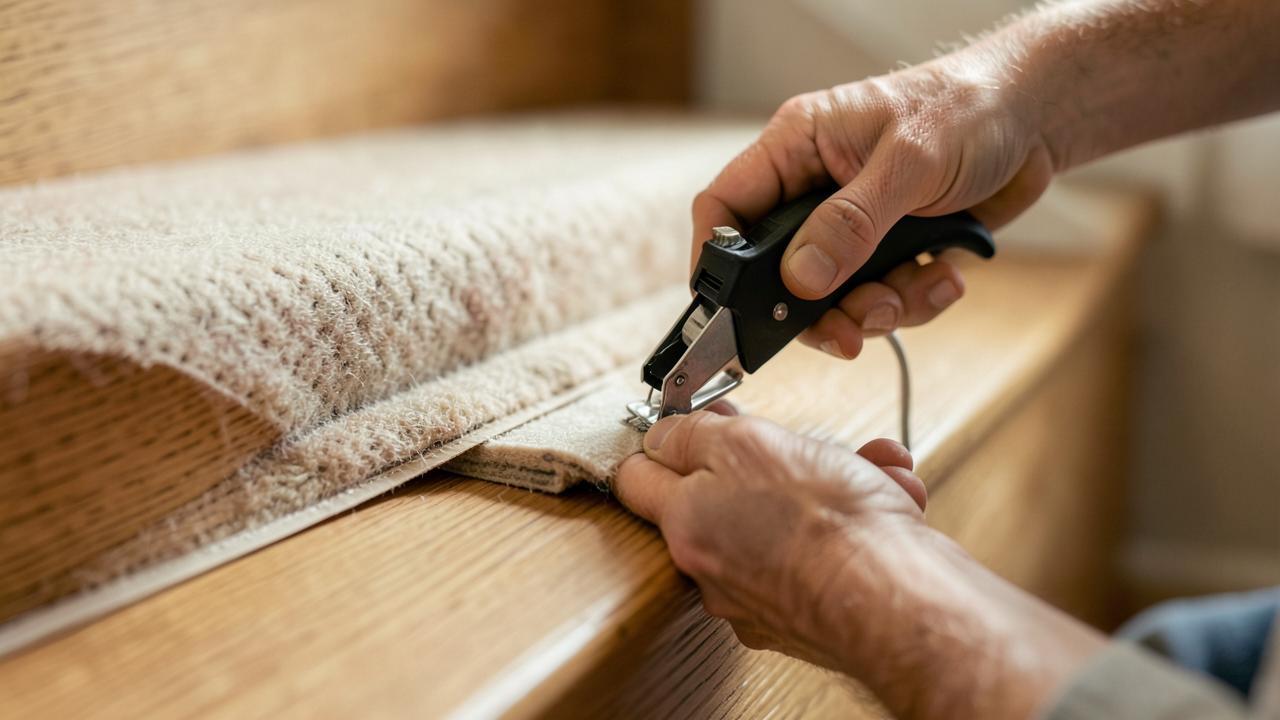 InstallationHow to Install a Stair RunnerWaterfall and Hollywood methods, staples versus rods, tools, sequence and quality checks.
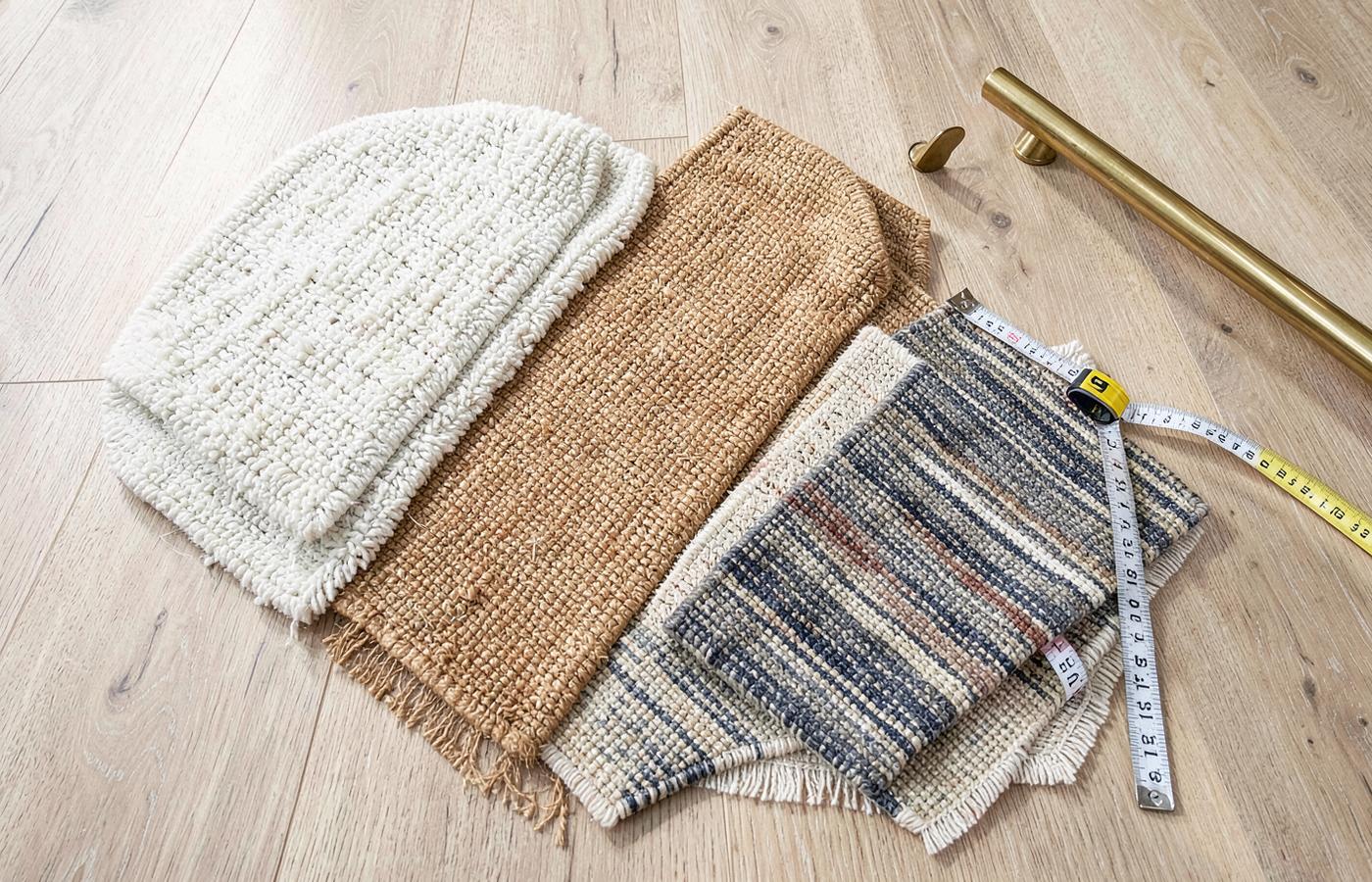 MaterialsStair Runner Materials ComparedWool, nylon, polypropylene, sisal and jute judged on stair-specific wear, comfort, cleaning and safety.
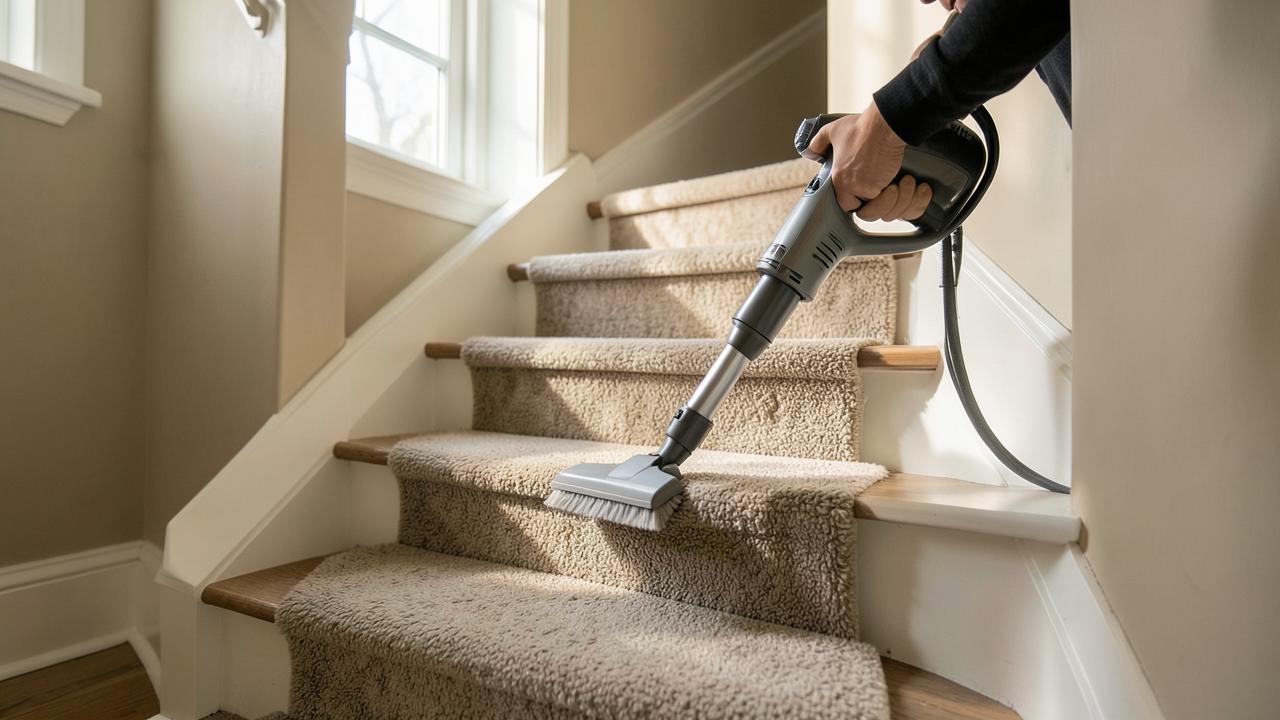 CareCleaning and Caring for a Stair RunnerRoutine vacuuming, spill response by fibre type, slipping and fraying, and when to call a professional.