Care
The stair runner maintenance schedule
Consistency is the secret to a runner that lasts a decade. A simple routine keeps the fibres clean, the pile lifted, and the look pristine.
Written by the StairRunner.co editorial team · Updated 4 September 2026
The Weekly Habit: Removing Grit
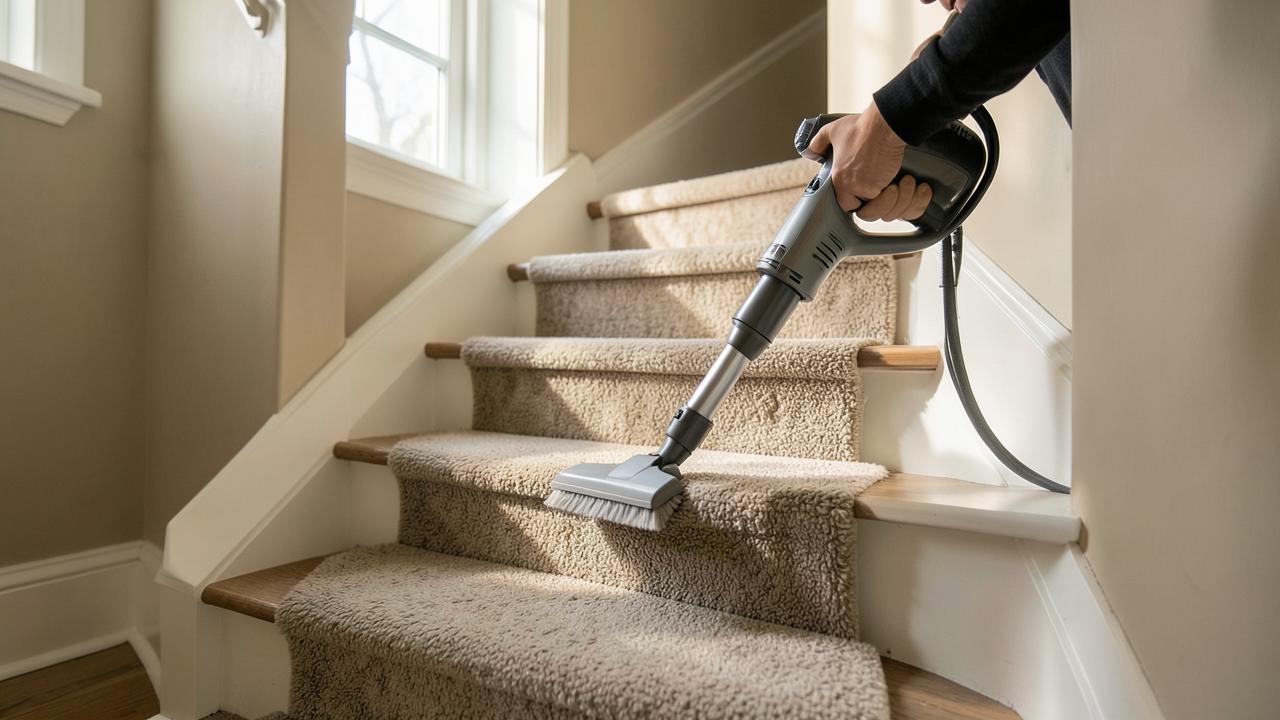
The primary enemy of any carpet, but especially a stair runner, is grit. Small particles of dust, sand, and dirt act like tiny saw blades. Every time you walk on the runner, these particles are ground into the fibre base, cutting it and leading to premature balding or thinning. Vacuuming twice a week is the bare minimum for a high-traffic flight. In homes with pets or large families, three or even four times a week may be necessary to prevent the accumulation of abrasive debris that quickly dulls the carpet's appearance.
When vacuuming stairs, the technique is as important as the frequency. Start at the top and work your way down to avoid knocking dust onto already-cleaned steps. Use a high-powered handheld attachment or a canister vacuum hose. Ensure you get deep into the "gully"—the corner where the tread meets the riser—as this is where dust naturally accumulates due to gravity and airflow. Pay extra attention to the nosing (the front edge), as this is the point of highest impact and where grit does the most damage. Using a crevice tool for the edges where the carpet meets the wood will ensure no dust "lines" develop over time.
Daily Habits: The Small Wins for Longevity
Maintenance isn't just about what you do once a week; it's about your daily interactions with the runner. One of the most effective habits is a "no shoes indoors" policy. Shoes carry grit, moisture, and oils from the outside world that are difficult to remove once they are pressed into the carpet pile. Providing a basket of slippers or clean socks at the base of the stairs can dramatically extend the life of your runner and keep the colours vibrant for years. It also protects the exposed wooden edges of your stairs from scratches caused by street shoes.
If you have pets, a quick daily check for any "accidents" or hair build-up is vital. Pet hair is naturally oily and can cause dust to stick more stubbornly to the carpet fibres. A quick 30-second sweep with a rubber brush or a lint roller on the main walking path each day can keep the runner looking fresh between deep vacuuming sessions. For cats that enjoy scratching at the base of the stairs, providing a scratching post nearby can prevent the runner from becoming a target for their claws, which can cause irreparable damage to the weave.
The Monthly Groom: Refreshing the Pile
Over time, the pile will crush, especially in the centre of the steps where most people walk. This is known as "shading" or "tracking." Using a dedicated carpet rake or a soft, stiff-bristled brush, lightly work the pile against its natural lay. This lifts the fibres and releases dust caught deeper down. It is a quick, satisfying task that makes a massive difference to how light hits the runner, restoring that "new carpet" sheen that is often lost to daily traffic. This process also helps to redistribute any minor oils that have settled on the surface.
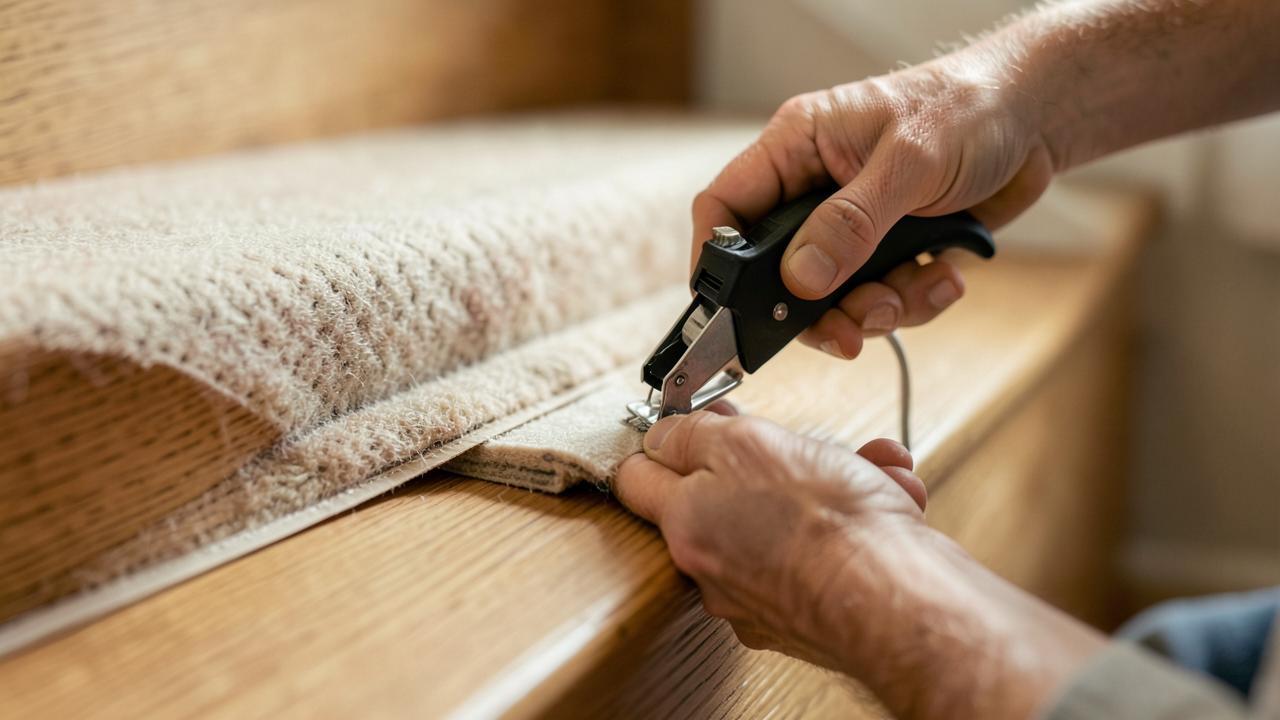
For flat-weave runners like sisal or seagrass, a monthly groom is less about lifting the pile and more about checking for "sprouts"—small loops of fibre that have come loose from the weave. Do not pull these; simply snip them level with the rest of the surface using a sharp pair of scissors. This prevents the loop from being caught by a foot or a pet's claw and causing a larger pull that could ruin the integrity of the weave. Regular inspection ensures these small issues don't become major repairs, keeping the natural texture looking intentional and neat.
The Quarterly Deep-Dive: Nosing Inspection
Every three months, perform a closer inspection of the nosing on each step. This is the area of highest wear and stress. Check if the carpet feels loose or if the underlay seems to have shifted or flattened. If the runner feels "spongy" or if you can hear a clicking sound when you step, it might be that the staples or grippers are losing their hold due to the constant pressure of foot traffic. Addressing these small movements early prevents the carpet from "creeping" and becoming permanently misshapen.
This is also the time to check the condition of your stair rods or clips if you have them. Ensure they are still securely fastened and haven't become a trip hazard. A loose rod can be dangerous, so tightening a few screws now can prevent an accident later. If you have a striped runner, check the alignment across the flight—slight shifts over time are common, and catching them early makes professional re-tensioning a much simpler and cheaper process than waiting for the entire runner to become misaligned.
Dealing with Fraying and Snags
Even with the best care, a stair runner can suffer from occasional snags or minor fraying at the edges. This is most common in homes with active pets or where heavy furniture has been moved up the stairs. If you notice a loose thread at the edge of the binding, do not pull it. Instead, use a small dab of clear textile adhesive or even a tiny amount of hot glue to secure the thread back into the binding. This prevents the fraying from spreading along the length of the runner and maintains the clean lines of the design.
For snags in the main body of the carpet, the same "snip, don't pull" rule applies. If a loop is pulled out of a woven runner, try to gently tuck it back into the weave using a blunt needle or a small screwdriver before applying a tiny amount of adhesive to lock it in place. By addressing these minor cosmetic issues quarterly, you maintain the premium look of the installation and prevent the "weathered" appearance that comes from neglected damage, ensuring your stairs always look professionally maintained.
Seasonal Shifts: Handling Winter Grit and Summer Dust
The changing seasons bring different maintenance challenges to your hallway. In winter, the primary concern is moisture and road salt. Even if you remove your shoes, the humidity in the air is higher, and damp socks can transfer moisture to the runner. In very wet weather, consider using a dehumidifier in the hallway to ensure the runner and its underlay dry out completely between uses, preventing the development of a musty odour or the growth of mildew in the porous padding.
In summer, the challenge is fine dust, pollen, and increased UV exposure. If you keep your front door or windows open, the stairs often act as a chimney, drawing air (and dust) upward through the house. You may need to increase your vacuuming frequency during high-pollen months to prevent these allergens from becoming deeply embedded in the fibres. If your staircase is in direct sunlight, consider using blinds or UV-filtering film on nearby windows during the peak hours of the day to prevent the colours of your runner from fading prematurely.
The Anatomy of a Stair Vacuum: Choosing the Right Tools
Not all vacuums are created equal when it comes to stairs. A heavy upright vacuum is not only difficult to balance on a narrow step but can also be dangerous if it falls. The ideal tool is a high-suction canister vacuum with a long, flexible hose and a motorized "mini-turbo" brush attachment. This allows you to apply concentrated suction and agitation to each individual step without the physical strain of lifting a heavy machine, making the twice-weekly task much less of a chore.
For those with deep-pile or wool runners, look for a vacuum that allows you to adjust the height of the brush bar or the strength of the suction. If the brush is too low, it can overly agitate the fibres and cause premature fuzzing or "pilling." If it's too high, it won't pick up the heavy grit at the base of the pile. Finding that "Goldilocks" setting is key to effective, gentle maintenance that preserves the integrity of the natural fibres and keeps the runner looking luxurious.
Spot Cleaning Protocols: A Step-by-Step Guide
Accidents happen, and how you respond in the first sixty seconds determines whether a spill becomes a permanent stain or a minor inconvenience. The golden rule is: **Blot, do not rub.** Rubbing pushes the liquid deeper into the fibres and the underlay, and can damage the carpet's structure, creating a "fuzzy" patch that will always be visible regardless of how clean the area is. Always keep a clean, dedicated "spill kit" in a nearby cupboard for quick access.
- Act quickly: Use a clean, white paper towel or microfibre cloth to blot up as much liquid as possible immediately. Change the cloth as it becomes saturated.
- Identify the spill: Water-based spills (like tea or mud) require different treatments than oil-based spills (like butter, wax, or lipstick). Consult a professional guide for the specific neutralising agent needed.
- Use minimal moisture: Apply a small amount of dedicated carpet cleaner to a cloth first, then apply the cloth to the stain. Never pour cleaner directly onto the runner.
- Work from the outside in: This prevents the stain from spreading and creating a larger "ring" mark as it dries.
- Dry thoroughly: Place a dry towel over the area and weigh it down with a heavy book for several hours to draw out any remaining moisture from the underlay.
Maintaining Stair Rods and Clips: The Decorative Hardware
If your runner is finished with stair rods, they require their own specialized maintenance routine to keep them looking their best. Most modern rods are lacquered, meaning they have a thin protective coating that prevents tarnishing and oxidation. These should only be cleaned with a dry, soft microfibre cloth to remove dust. Using metal polish or aggressive chemical cleaners will strip the lacquer and lead to uneven discolouration and unsightly spotting.
For solid, unlacquered brass rods, you may want to use a specialist brass polish once or twice a year to maintain their brilliant shine. However, be extremely careful not to get any polish on the carpet, as it will cause a permanent, greasy stain that is very difficult to remove. Many homeowners prefer the "living finish" of unlacquered brass, which develops a natural, dark patina over time and requires very little maintenance beyond a simple weekly dusting to keep it looking elegant and aged.
Re-tensioning: When to Call the Professionals
Even the best-installed runner can lose tension over several years of heavy use. This is particularly common in homes with significant temperature and humidity fluctuations, which cause the carpet fibres and the timber of the stairs to expand and contract at different rates. If you notice a "bubble" in the carpet on a tread or if the runner starts to lean or "smile" on the risers, it's time for a professional check-up to ensure everything is still secure.
A professional fitter can re-stretch the runner, ensuring it is once again tight against every nosing and riser. This not only makes the stairs safer by removing trip hazards but also prevents the premature wear that occurs when a loose carpet is allowed to rub and move against the wood. Think of it as a "mid-life service" for your runner that can add another five to ten years to its useful lifespan, protecting your initial investment and keeping your home's entryway looking pristine.
Annual Professional Cleaning
Once a year (or every 18 months for low-traffic homes), have a professional cleaning service perform a deep clean. We strongly recommend the "dry extraction" or "low moisture" method for stair runners. Traditional steam cleaning uses a vast amount of water, which can take days to dry in a vertical, often windowless stairwell. If the underlay remains damp for more than 24 hours, it can lead to mildew, unpleasant odours, and even long-term structural damage to the timber of your staircase.
A professional cleaner will also have access to industrial-strength equipment and specialized chemistry that can remove the microscopic grit and oily residues that domestic vacuums simply leave behind. This annual investment is significantly cheaper than replacing a worn-out runner and ensures that your hallway remains the proud, fresh-smelling centrepiece of your home for all who enter. It also provides an opportunity for a professional to spot any minor installation issues before they become major problems.
The Impact of Footwear on Runner Longevity
While we've mentioned the "no shoes" policy, it's worth understanding the science behind it. Street shoes carry microscopic particles of quartz and silica, which are incredibly hard and sharp. When you walk on a carpet with these shoes, your body weight concentrates the force onto these particles, which then act like sandpaper against the delicate carpet fibres. Over a few years, this process literally saws the fibres off at the base, leading to the dreaded "bald spots" on the nosing.
Switching to soft-soled slippers or even walking in socks (provided they have adequate grip) reduces this abrasive force by a significant margin. If you must wear shoes indoors, choose ones with clean, soft rubber soles and ensure you have a high-quality coir or microfibre mat at the front door to remove as much grit as possible. This simple change in behaviour is perhaps the single most effective way to extend the life of your stair runner without spending a penny on cleaning products.
Environmental Factors: Air Quality and Humidity
The air quality in your home also plays a role in how clean your runner stays. In urban areas, fine particulate matter from traffic can enter the home and settle on textiles. Using a high-quality air purifier in the hallway can help reduce the amount of dust that settles on the stairs. Similarly, maintaining a stable indoor humidity (ideally between 40% and 50%) prevents the carpet fibres from becoming too dry and brittle or too damp and prone to attracting dirt.
If you live in an area with high pollution, you may find that the edges of your runner (where it isn't walked on) start to darken over time. This is known as "filtration soiling," where the carpet acts as a filter for air passing through the gaps in the floorboards. Regular vacuuming of the edges with a crevice tool is the only way to prevent this dark line from becoming permanent. Understanding these environmental factors allows you to tailor your maintenance routine to your specific location.
Life Stages of a Runner: From Year 1 to Year 15
Understanding what to expect as your runner ages will help you manage your maintenance expectations and budget for future care. In the first year, expect some shedding (if using a wool runner) and perhaps a few "sprouts" in a flat-weave. By year five, you may notice the first signs of slight pile flattening in the main walking lane; this is where diligent monthly grooming becomes most important. By year ten, a professional deep clean and potentially a re-tensioning will be needed to keep the installation looking sharp and remaining safe.
A well-maintained, high-quality runner can easily last 15 to 20 years, even in a busy family home. The key is consistency and never letting the grit build up. Once the fibres are cut by abrasive grit at the base of the pile, they cannot be repaired or restored. By following this comprehensive schedule, you aren't just cleaning a floor covering; you are preserving an architectural feature of your home for the next decade and beyond, ensuring it remains a beautiful and safe part of your daily life.
| Frequency | Task | Benefit |
|---|---|---|
| Twice Weekly | High-suction vacuuming (with attachments) | Removes abrasive grit, prevents fibre damage, and maintains air quality. |
| Monthly | Pile grooming / Snipping sprouts | Lifts crushed pile, prevents pulls and snags, and restores the carpet's sheen. |
| Quarterly | Hardware, Nosing & Edge inspection | Ensures safety, structural integrity, and identifies early signs of wear. |
| Annually | Professional low-moisture deep clean | Removes deep-seated grime, oils, and allergens that domestic tools miss. |
| Every 5-7 Years | Professional re-tensioning and check-up | Keeps the runner tight, safe, and looking straight against the nosing. |
Maintaining a stair runner doesn't have to be a daunting chore. By integrating these small, targeted tasks into your regular home care routine, you ensure that your investment stays beautiful, comfortable, and safe for years to come. A little effort today prevents a major replacement cost tomorrow. For more specific advice on tackling accidents, see our stain removal guide or learn about the common installation and care mistakes to avoid.
Frequently asked questions
- How often should I vacuum my runner?
- Aim for at least twice a week. Traffic lanes are where grit accumulates, and grit is what cuts through carpet fibres over time.
- Can I use a robot vacuum on stairs?
- Not for the runner itself. They are not effective at cleaning a 3D stair flight. Use a canister vacuum with a handheld upholstery attachment instead.
- When is a professional clean needed?
- Every 12 to 18 months, or if you notice dullness that vacuuming no longer fixes. Professional extraction ensures deep grit is removed without soaking the pad.
- What should I do if I spill something?
- Blot immediately—never rub. Use a clean white cloth. If the spill is significant, check beneath the edge of the runner to ensure it hasn't soaked through to the pad.
- Does grooming the pile help?
- Yes, particularly for cut-pile runners. Using a carpet rake or soft brush once a month can help lift crushed pile and prevent the 'traffic lane' look.
- How do I clean my stair rods?
- Most stair rods are lacquered and only need a wipe with a dry, soft cloth. Avoid abrasive metal polishes unless you are certain the rods are solid, unlacquered brass.
- Is it normal for a new runner to shed?
- Yes, for wool runners. Small fibres will come loose for the first few months. Regular vacuuming will manage this and it will subside over time.
- Should I re-tension my runner?
- If you notice the runner start to billow or shift, call a professional to re-tension it. A loose runner is a safety hazard and will wear much faster.
- Can I use steam cleaners on my stair runner?
- It is generally not recommended for DIY use. Excessive steam can over-wet the carpet and pad, leading to shrinking, mildew, or damage to the wooden stairs beneath.
- What is the best way to remove pet hair from a stair runner?
- A rubber squeegee or a dedicated pet hair brush is often more effective than vacuuming alone. Use short, firm strokes to pull the hair into a clump before vacuuming it away.