Installation & Planning
Avoiding the most common stair runner mistakes
A stair runner is a precision project. A few small errors in the planning or execution phase can lead to a result that is unsightly, short-lived, or even dangerous. Here is how to avoid the pitfalls.
Written by the StairRunner.co editorial team · Updated 4 September 2026
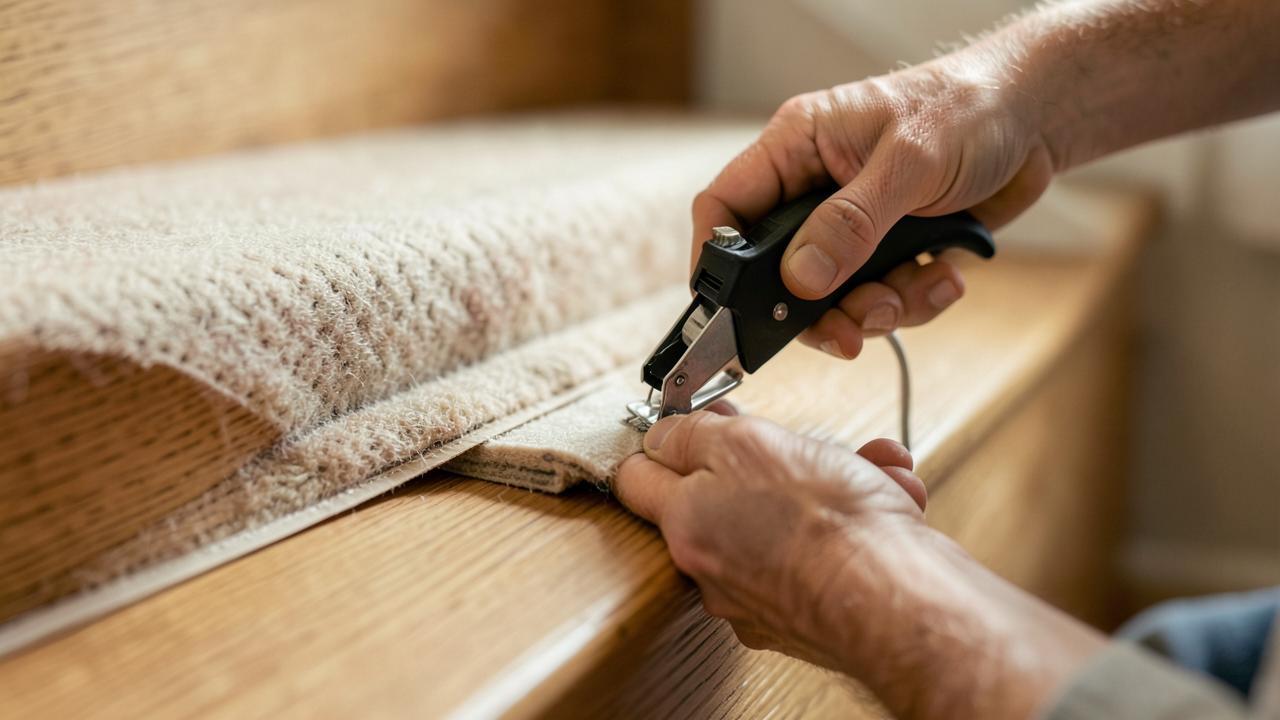
Mistake 1: The wrong width and proportion
A runner that is too narrow looks like an afterthought, while one that is too wide loses the elegant "framed" effect of the painted border. The ideal width is typically around 600-700mm for a standard 800-900mm wide staircase. When the runner is too narrow, it creates a 'catwalk' effect that feels unstable to walk on. Conversely, if it is too wide, it can make the staircase feel cramped and claustrophobic.
Mistake 2: Skimping on the underlay foundation
We see this time and time again. A homeowner spends a large sum on a beautiful wool runner but then uses the cheapest underlay available. The result? The runner wears out in the traffic lane within a year. Underlay is the foundation that absorbs the shock of footfall and prevents the carpet fibers from being crushed against the hard timber.
Ensure you select a dense, firm underlay specifically rated for stairs. A 'luxury' thick underlay designed for a lounge is actually a mistake on stairs; it is too soft and will cause the carpet to shift and the nose of the tread to round off unnaturally. You need a firm, thin, high-density pad.
Mistake 3: Inadequate tensioning and loose risers
A runner should be "taut." If you can easily pinch and lift the carpet on a riser, it is not tight enough. Loose carpet will shift underfoot, leading to accelerated wear and, more importantly, a significant trip hazard. The tension is what keeps the runner in place and gives it that professional, "moulded" look.
| Symptom | The Cause | The Fix | Risk Level |
|---|---|---|---|
| Baggy risers | Insufficient downward tension. | Pull harder and re-secure at the base of the riser. | Low - Aesthetic |
| Loose nosing | Lack of a 'Hollywood' finish or staples on the nose. | Secure the carpet more firmly under the tread overhang. | High - Trip Hazard |
| Shifting runner | Poorly installed gripper or staples. | Check all fixings and add more if necessary. | Critical - Fall Risk |
Mistake 4: Messy winder transitions
Winding stairs (where the treads are wedge-shaped) are the most difficult part of any runner installation. Trying to force a straight pattern around a corner without proper planning leads to unsightly bulges and mismatched lines. You must either use a specific "mitred" join or carefully manipulate the carpet to accommodate the turn.
The most common mistake on winders is trying to use one continuous piece of carpet. For a professional finish, each winder tread should be treated as an individual piece, or the carpet should be 'relieved' with precise cuts to allow it to fan out correctly. Ignoring this leads to a runner that looks like it's fighting the staircase.
Mistake 5: Neglecting the top and bottom terminations
How a runner starts and ends is just as important as how it looks on the stairs. A common mistake is a poorly finished top edge that creates a trip hazard on the landing, or a bottom edge that looks like it just "stopped" abruptly.
For the top, ensure the runner is tucked neatly under the landing nosing or meets the landing carpet with a proper threshold bar. For the bottom, the runner should ideally terminate at the floor with a bound edge or wrap the final nose for a clean look. See our bottom finishing guide for more.
Mistake 6: Pattern Mismatching and Grain Direction
If you have chosen a striped or patterned runner, every tread must align perfectly with the one above it. A shift of even 5mm is immediately obvious to the eye. Furthermore, carpet has a 'pile direction' or grain. If you install pieces with the grain running in opposite directions, they will reflect light differently and look like two different colours. Always ensure the pile runs 'down' the stairs for maximum durability and visual consistency.
Mistake 7: Using the Wrong Fixings
Relying on staples alone for a high-tension installation is a mistake. Professional fitters use a combination of grippers (tack strips) and staples. The gripper provides the lateral tension, while the staples provide the vertical security. Using under-sized staples (less than 10mm) will result in them 'popping' out under the stress of footfall, especially on hardwood stairs.
Mistake 8: Ignoring Stair Preparation
If your stairs are creaky, unstable, or have loose nails, a runner will not fix those issues—it will only hide them until they get worse. Before installing any floor covering, you must ensure the underlying structure is sound. Spend the time to prepare your stairs correctly by screwing down loose boards and removing all old adhesive. A runner installed over a 'bumpy' stair will wear unevenly and look poor from day one.
Mistake 9: The 'Hollywood' vs 'Waterfall' Confusion
Not deciding on a finishing style beforehand leads to a disjointed look. A 'Waterfall' finish (where the carpet falls straight from the nose to the next tread) is easier but can look 'floppy' if not tensioned perfectly. A 'Hollywood' finish (where the carpet is stapled under the nose to follow the contour) is more architectural but requires more skill. Mixing these two on a single flight is a major design error.
Mistake 10: Over-Centering and Misalignment
Centering a runner by eye is a recipe for disaster. Stairs are often slightly wider at the top than the bottom, or vice-versa. If you measure from only one side, the runner will appear crooked. You must find the centre point of every single tread and riser and mark it with a chalk line. Aligning the centre of the runner to the centre of the stair is the only way to ensure it looks straight, even if the stairs themselves are slightly irregular.
Step-by-Step Recovery: How to Fix a Bad Installation
- Identify the Root Cause: Is the runner shifting? (Poor fixings). Is it baggy? (Poor tension). Is it wearing prematurely? (Bad underlay).
- Partial Removal: You don't always need to rip the whole thing up. If only the winders are the problem, you can often remove those sections and re-install them with better cuts.
- Tighten from the Top: If the whole flight is loose, you may be able to 'shunt' the tension down by re-stapling from the top, though this usually requires professional tools.
- Replace the Underlay: If the carpet is fine but feels 'dead' underfoot, the underlay has likely failed. This requires a full removal and replacement.
Advanced Troubleshooting: Edge Cases
What happens if you have a radiator at the bottom of the stairs? A common mistake is not accounting for the physical space needed for the runner and the door swing. Or, if you have a very narrow landing, the runner might feel like a trip hazard. In these cases, you may need to 'taper' the runner or use a different finishing method at the top.
For stone or concrete stairs, the biggest mistake is using timber-fixings. You need specialized masonry drills and plugs to secure the gripper. Attempting to staple into concrete will only result in broken staples and a damaged staircase.
Methodology for Error Prevention
Our philosophy is that 'prevention is cheaper than cure'. We advocate for a 'measure thrice, cut once' approach. Most of the mistakes listed above are the result of rushing the planning phase. By spending an entire evening just measuring and drawing your layout, you can visualize where the patterns will break and where the tension will be highest.
We also believe in the 'tool-first' approach. Using the wrong tools is the fastest way to make a mistake. Renting a professional carpet stretcher or a high-powered electric stapler might cost £50, but it can save you £500 in ruined materials.
Finally, we encourage homeowners to be honest about their skill level. A straight flight of stairs is a great beginner DIY project. A double-winder staircase with a complex pattern is a master-level task. Recognizing when to call in a professional is not a failure; it is a smart management of your home's value.
In summary, a successful stair runner installation is a balance of physics and aesthetics. By avoiding these ten common mistakes, you ensure that your runner is not just a beautiful addition to your home, but a safe and durable one that will last for decades. Respect the materials, invest in the foundation, and take your time with the details.
Related guides
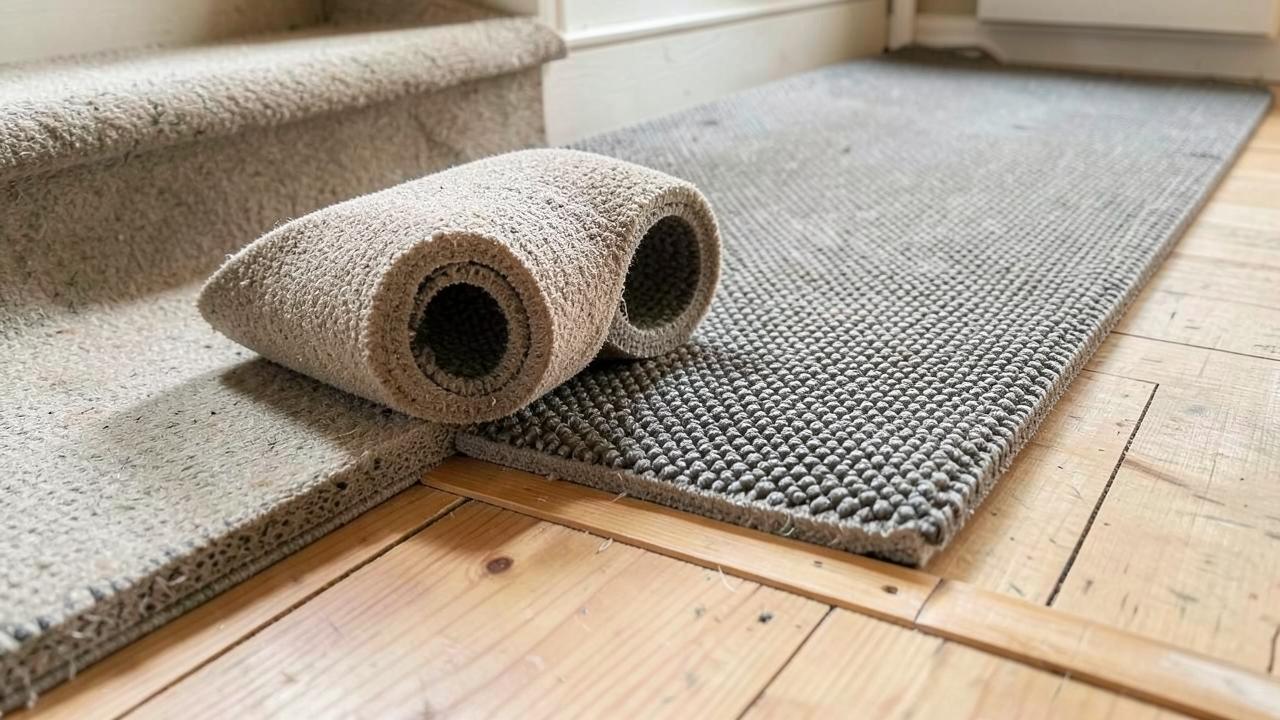 MaterialsStair Runner Underlay and PaddingWhy pad choice matters more on stairs than anywhere else, and how to specify density, thickness and cut.
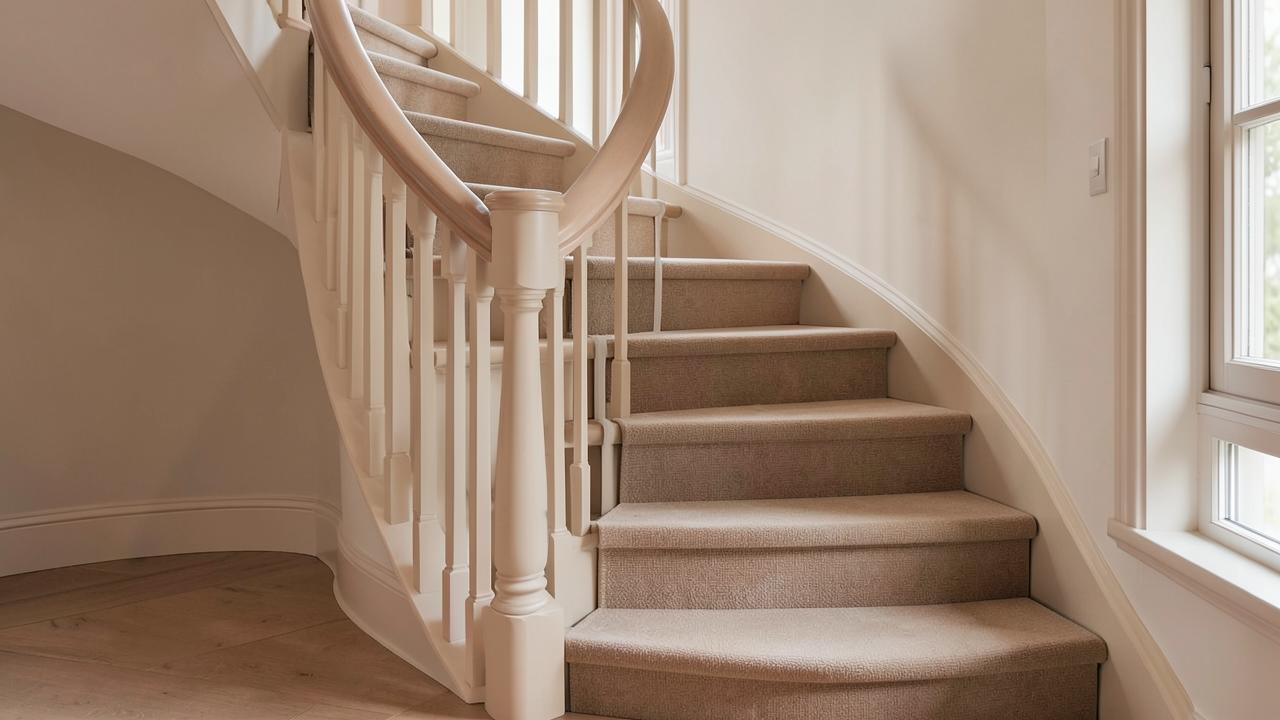 MeasurementRunners on Winder, Curved and Open StairsMeasuring and fitting where treads are not rectangles: winders, pie steps, curves and open-sided flights.
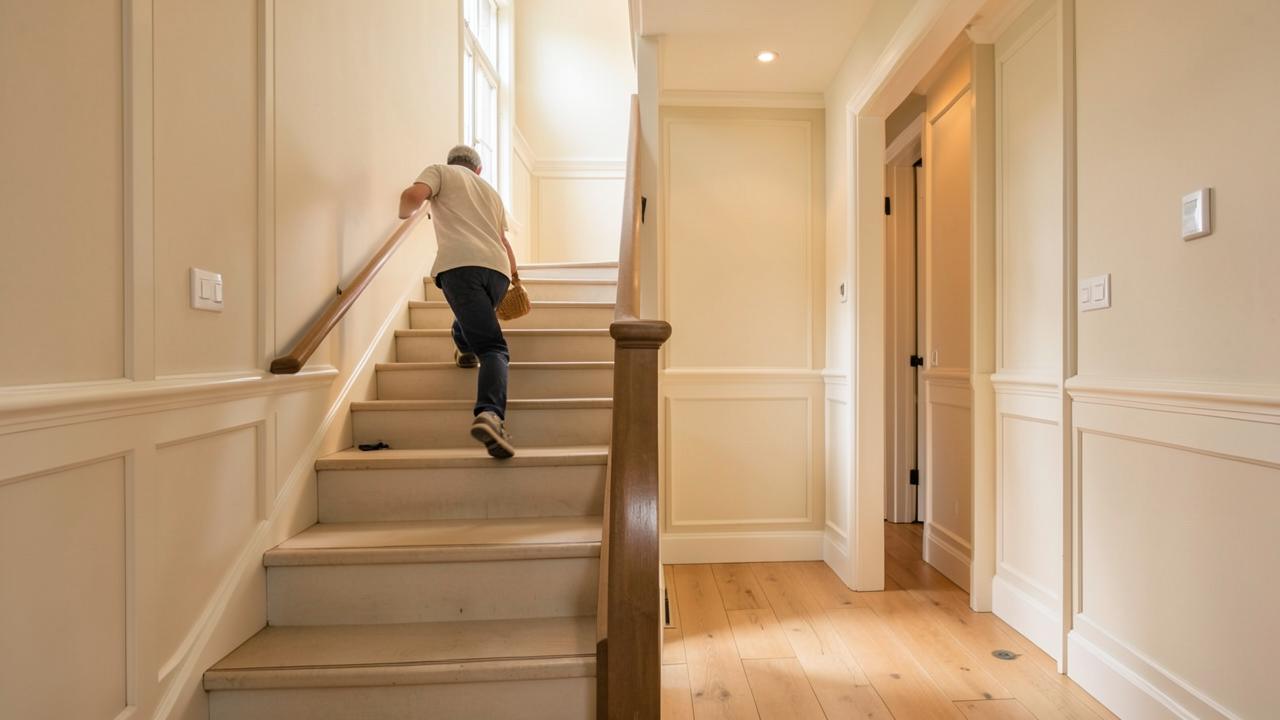 InstallationFinishing a Stair Runner at the TopThe four ways to end a runner at the top step, and how to pick the one your staircase allows.
 InstallationPreparing Stairs for a RunnerRepairs, old fixings, decorating and curing times before anything is fitted.
Frequently asked questions
- What is the biggest mistake people make when choosing a runner?
- Choosing a runner that is too narrow for the stairs is a frequent error. A runner should feel proportional; if it is too narrow, the stairs look unfinished, and it can be awkward to walk on.
- Why does my runner look loose on the risers?
- This is usually caused by inadequate tensioning during installation. A runner must be pulled tight and secured firmly at the base of every riser. If it's loose, it's not just a visual issue; it's a safety hazard.
- Can I skip the underlay to save money?
- No. Skipping the underlay is a major mistake. It leads to premature wear, makes the stairs more slippery, and provides no cushioning. It also causes the carpet to rub directly against the timber, causing damage to both.
- What is the issue with pattern matching on winders?
- Pattern matching on winding stairs is notoriously difficult. A common mistake is not accounting for the way a pattern shifts as it turns the corner, leading to a disjointed, chaotic look.
- Is it okay to use double-sided tape for a runner?
- Never as the primary fixing. Tape will lose its stickiness over time, especially with the constant motion of walking up and down stairs. Mechanical fixings (staples, gripper, or rods) are essential for safety.
- Should I use a hammer and nails instead of a staple gun?
- No. Nails are too large and can damage the carpet backing or create unsightly lumps. A professional-grade staple gun with the correct gauge staples is the only way to ensure a secure, flush finish.
- Is it a mistake to use a runner on stairs with a turn?
- Not at all, but it is a mistake to treat them like straight stairs. Turning stairs (winders) require specialized cutting and folding techniques to ensure the runner follows the curve without bunching.