External Use
Outdoor stair runners: Weatherproofing your entryway
Extend your interior style to the exterior. Outdoor stair runners provide essential grip on slippery stone or wooden steps while adding a welcoming, curated look to your garden or porch.
Written by the StairRunner.co editorial team · Updated 4 September 2026
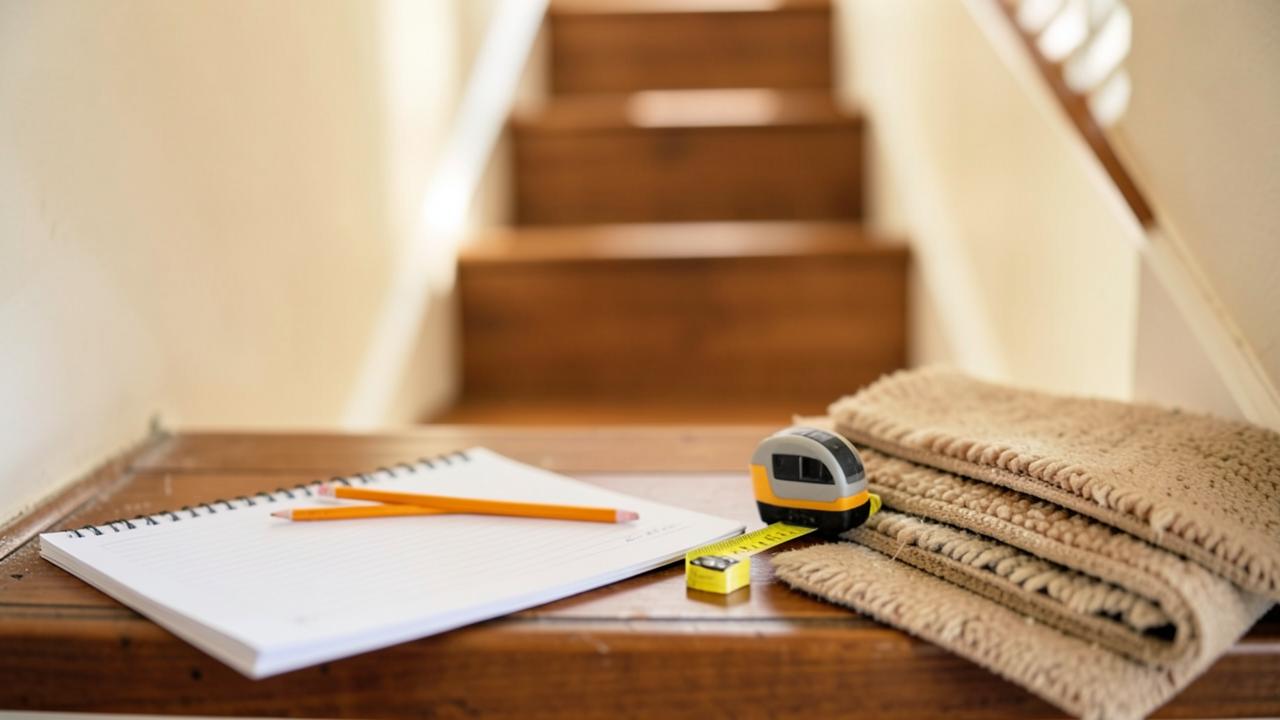
The Rise of the Outdoor Room: Why Runners Matter Externally
In recent years, the concept of the 'outdoor room' has transformed British gardens. We now treat our patios, decks, and balconies as extensions of our living spaces. A naturally occurring part of this trend is the outdoor stair runner. Whether it's a grand set of stone steps leading to a Victorian front door or a series of wooden steps in a tiered garden, a runner provides a visual link between the inside and outside.
Beyond aesthetics, the primary driver for outdoor runners is safety. Many external surfaces—particularly smooth stone like slate or polished concrete—become treacherously slippery when wet or icy. A textured synthetic runner provides the necessary friction to make these steps safe for year-round use.
Material Science: What Makes a Runner 'Outdoor Grade'?
You cannot simply take an offcut of indoor carpet and put it outside. It will be ruined within a single season. Outdoor runners rely on specific material technologies to survive the elements.
Polypropylene (Olefin)
This is the most common material for outdoor runners. It is naturally resistant to moisture and chemical cleaners (like bleach), and it doesn't absorb water. Importantly, it is 'solution-dyed', meaning the colour is part of the plastic itself, not just applied to the surface. This is what gives it its UV resistance.
PET (Recycled Polyester)
Made from recycled plastic bottles, PET runners are an eco-friendly alternative. They have a slightly softer feel than polypropylene and are remarkably resistant to staining and fading. Like polypropylene, they are non-absorbent, making them quick to dry after a downpour.
The Backing: Drainage is Key
Indoor carpets use jute or latex backings that act like a sponge. Outdoor runners use synthetic backings—often a 'waffle' or 'napped' pattern—that allows water to flow through or under the carpet. This prevents water from pooling, which would otherwise become a slip hazard or a breeding ground for mould.
Winter Safety and The Freeze-Thaw Cycle
In the UK climate, winter is the most challenging time for any external stair. Water that gets trapped under a runner can freeze and expand, leading to cracks in stone or even buckling of timber steps.
An outdoor runner should be porous enough to allow water to evaporate rather than trapping it. Furthermore, avoid runners with thick, felt-like backings in areas that get very wet; these can act like an ice-pack. Look for 'open-weave' constructions that allow air to circulate beneath the pile, significantly reducing the risk of ice formation.
Wind and Anchorage
If your staircase is on an exposed hillside or a high balcony, wind can be a significant issue. A runner that isn't properly secured can 'lift' in high gusts. For outdoor stairs, standard stapling is rarely enough. Use stainless steel fixings that won't corrode, and consider fixing the runner at both the tread and the riser for maximum stability.
Fixing Methods for Different Surfaces
| Step Surface | Recommended Fixing | Pros/Cons |
|---|---|---|
| Timber Decking | Stainless steel staples or screws | Easy to install; screws allow for removal for cleaning |
| Concrete / Stone | Masonry screws with washers or Exterior Adhesive | Very secure; adhesive is permanent, screws require drilling |
| Metal Grate | Cable ties or specialized clips | Reversible; good for industrial-style stairs |
| Tile / Porcelain | High-tack outdoor tape or suction backing | Prevents damage to the tile; may need periodic re-securing |
Safety First: Slip Resistance and Visibility
The main function of an outdoor runner is often safety. When choosing a product, look for the following:
- High-Traction Texture: A flat, smooth weave is less effective than a ribbed or 'nobby' texture. The gaps between the textures allow water to be displaced, much like the tread on a car tyre.
- Visual Contrast: For external stairs, especially those used at night, it is helpful to have a runner that contrasts clearly with the step colour. This helps people identify the edge of the nosing. Many outdoor runners feature a darker border for this reason.
- Secure Edges: Any lifting at the edges is a major trip hazard. Ensure the runner is finished with a heavy-duty binding that won't fray or curl when exposed to wind and rain.
Maintenance: A Seasonal Calendar
Maintaining an outdoor runner is about proactive care.
- Spring: Clear winter debris. Scrub away any moss or algae that thrived in the damp months. Use a low-pressure jet wash to clear the weave.
- Summer: Focus on vacuuming. Dust and pollen build up in dry weather. Keep the surface clear so it doesn't turn into mud when it rains.
- Autumn: The most critical time for leaf removal. Wet, decaying leaves are the fastest way to ruin a runner and cause slip hazards.
- Winter: Keep the stairs clear of snow and ice. Avoid using harsh salt (grit) directly on the runner if possible, as it can crystalise in the fibres.
Comparing Outdoor Runners to Treads
Sometimes, a full runner isn't the right choice. Individual stair treads (small mats for each step) are an alternative.
- Full Runner: Provides a continuous visual line, protects the entire width of the walking path, and offers better sound dampening. It looks more 'expensive' and tailored.
- Individual Treads: Easier to install (often just 'peel and stick'), easier to replace if one gets damaged, and allows more of the original step material to be seen. However, they can look 'bitty' and are more prone to lifting at the edges.
For more on this comparison, see our guide on stair treads vs runners.
Cost Considerations for Outdoor Runners
Outdoor runners are often surprisingly affordable compared to high-end wool Axminsters. The raw materials (plastics) are cheaper to produce, though the UV treatments and specialized backings add to the cost.
Budget for the fixings as well. Stainless steel hardware is more expensive than standard indoor staples but is essential to prevent rust streaks from running down your beautiful steps. Check out our full cost guide for context on pricing across different materials.
Sustainability: The Recycled PET Option
If you are concerned about using plastic, look for runners made from 100% recycled PET. These runners take plastic that was destined for the ocean or landfill and turn it into a durable, long-lasting home product. Because they are so tough, they don't need to be replaced often, which is the foundation of a sustainable home.
Is Professional Installation Necessary?
For a straight set of wooden decking steps, many DIYers can successfully install an outdoor runner. However, if you are dealing with stone, concrete, or winding steps, professional tools (like masonry drills and specialized adhesives) are usually required. A botched installation on stone is hard to fix, as you may leave permanent holes in the masonry. Learn more about the process in our DIY stair runner guide.
The Environmental Impact of External Flooring
Beyond the practicalities of grip and longevity, the environmental footprint of outdoor flooring is an increasingly important consideration for the modern UK homeowner. Traditional exterior flooring often involves energy-intensive materials like poured concrete or kiln-fired ceramics, which have high carbon costs in their production and transportation.
In contrast, a synthetic outdoor stair runner—particularly those manufactured from high-grade, recyclable polypropylene—represents a relatively low-impact choice. When properly maintained, these runners can remain in situ for upwards of a decade, significantly outlasting organic options like coir or jute, which are prone to rapid degradation in damp British conditions.
Furthermore, the ability to selectively replace a worn runner on an existing stone or wooden flight, rather than resurfacing the entire staircase, prevents unnecessary demolition and waste. Choosing a high-quality runner that is designed for longevity is, in itself, an act of environmental stewardship.
Strategic Lighting for Your Outdoor Staircase
Installing an outdoor runner creates a natural focal point, and it is a missed opportunity not to enhance this with strategic lighting. A staircase is not just a transit point; at night, it defines the threshold between the interior of your home and the wider garden.
Consider the use of low-voltage LED tread-lighting integrated into the side stringer or the riser of the step. When these lights are positioned just above the stair runner, they cast shadows that emphasize the texture of the material, making the staircase look particularly sophisticated in the evening. This not only elevates the design but acts as a critical safety feature, ensuring that the edge of each tread—and the presence of the runner—is clearly visible to guests arriving after dark.
Professional Design Tips for External Stairs
The most successful outdoor stair runners are those that feel like a cohesive part of the architectural design. If your home has a traditional frontage, a runner with a classic border, perhaps in a deep navy or racing green, can create a beautifully structured entrance.
For more contemporary or minimalist homes, look for runners with tonal textures—for example, a chevron or herringbone pattern in a neutral grey or sand colour. These patterns add visual interest to what might otherwise be a plain concrete or slate staircase without overwhelming the facade of the building. Always remember that the runner should complement the surrounding materials; if your house has a mix of brick and stone, choose a runner colour that picks up the secondary tones in the masonry to unify the look.
The Importance of Professional Measuring
While installing a runner on a straight flight of garden decking is within the realm of the ambitious DIYer, the measuring process is often where things go wrong. Outdoor steps are rarely perfectly uniform; frost heave, wood warping, and the natural settling of the ground mean that each step might be slightly different in height or depth.
When ordering your outdoor runner, we recommend measuring every single step individually rather than assuming they are all identical. Add a 'waste factor' of at least 10% to account for these irregularities. If you are fitting around a curve or a landing, creating a paper template of the area is the only way to ensure the runner is cut to the correct dimensions before it leaves the workshop.
Conclusion: Elevating Your Exterior
An outdoor stair runner is a rare combination of a style statement and a vital safety feature. It transforms a cold, slippery external staircase into a warm, welcoming entrance that reflects the care you take with your interior design. By choosing UV-stable materials and ensuring proper drainage, you can enjoy a beautiful entryway for many years, regardless of what the British weather throws at it.
Frequently asked questions
- Can you put a normal carpet runner outside?
- Absolutely not. Indoor carpets are made with organic backings like jute or latex that rot when exposed to moisture. Outdoor runners must be made from synthetic, UV-stable materials like polypropylene or PET with a non-absorbent backing designed for drainage.
- Are outdoor stair runners slippery when wet?
- Quality outdoor runners are specifically designed to provide traction. Many feature a textured weave or 'nops' that increase grip. However, like any surface, they can become slippery if algae is allowed to grow on them, so regular cleaning is essential.
- How do you fix a runner to stone or concrete outdoor steps?
- Outdoor runners are usually fixed using masonry screws with specialized washers, or high-strength, weather-resistant adhesives. For a less permanent solution, some homeowners use heavy-duty outdoor Velcro or weighted stair treads, though a full runner is safer if properly secured.
- Do outdoor runners fade in the sun?
- They are designed to be UV-stable, meaning the plastic fibres are treated to resist breakdown from ultraviolet light. While all materials will eventually fade slightly, an outdoor-rated runner will maintain its colour for many years compared to an indoor carpet which would bleach in weeks.
- How does water drain away from the runner?
- Outdoor runners are typically woven in a way that allows water to pass through the pile and run off the edges or through a porous backing. It is vital that the runner is not installed in a way that traps water against the step, which could lead to rot (on wood) or freeze-thaw damage (on stone).
- Can I jet wash an outdoor stair runner?
- Yes, most synthetic outdoor runners can be jet washed on a low-to-medium setting. This is the best way to remove the grit, pollen, and organic matter that can lead to moss or algae growth. Always check the manufacturer's specific instructions first.
- How long do outdoor stair runners last?
- A high-quality synthetic outdoor runner typically lasts between 5 and 10 years, depending on the level of exposure to direct sunlight and the frequency of maintenance. Regular cleaning to prevent organic buildup is the single most important factor in extending its lifespan.
- Are outdoor runners pet-friendly?
- Yes, polypropylene and PET runners are excellent for pets. They are resistant to staining, easy to hose down, and provide essential grip for dogs who might otherwise struggle on slippery stone or wooden external steps.
Related guides
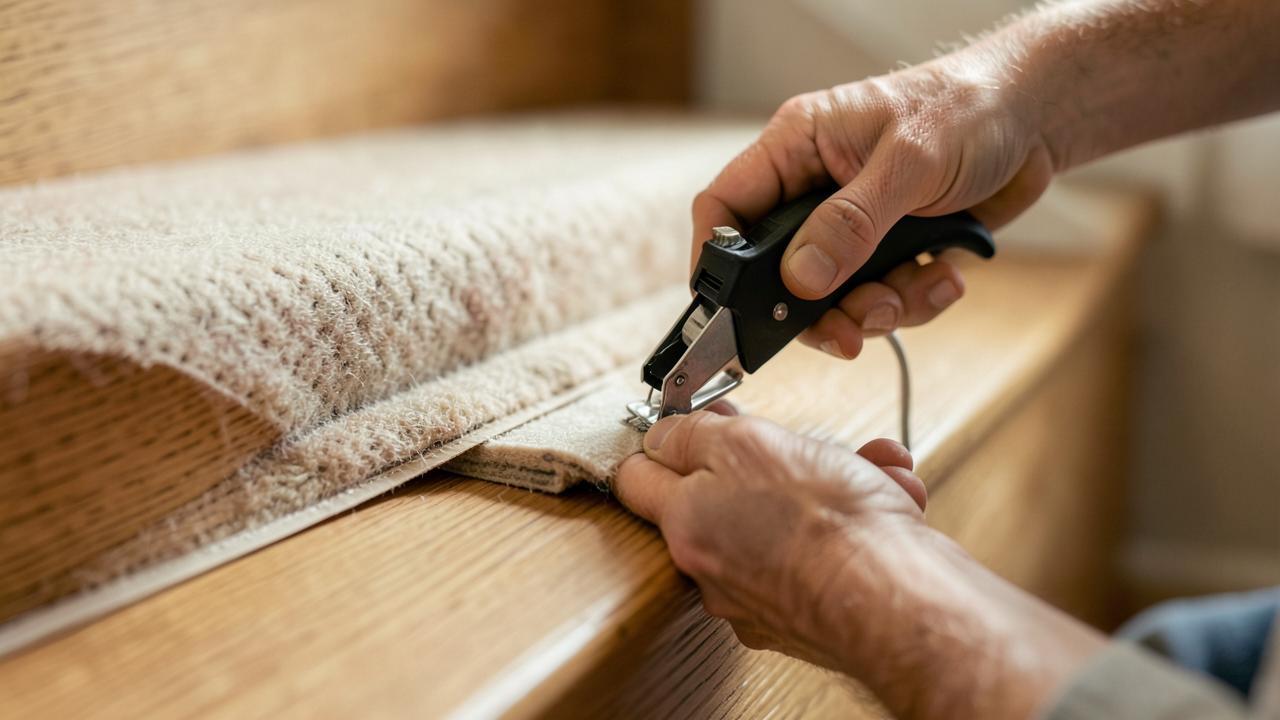 InstallationHow to Install a Stair RunnerWaterfall and Hollywood methods, staples versus rods, tools, sequence and quality checks.
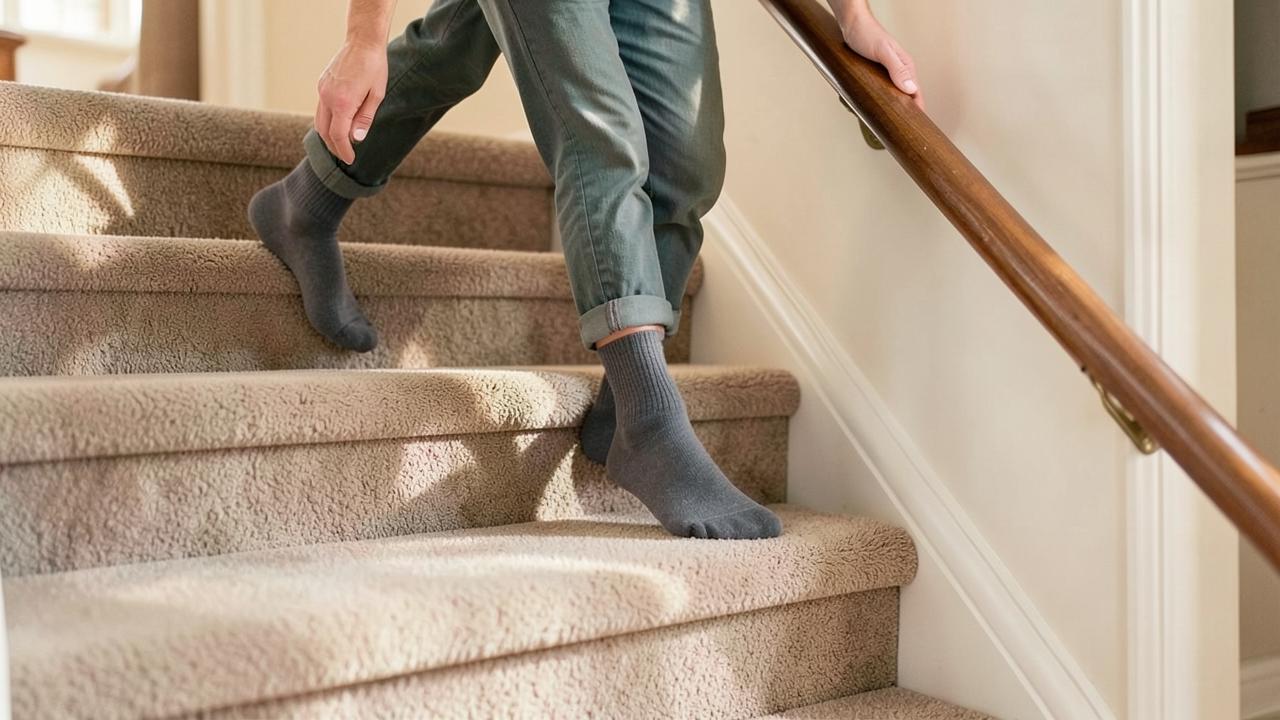 ComparisonsStair Treads vs a Continuous RunnerIndividual carpet treads compared with a single fitted runner on safety, looks, cost and removability.
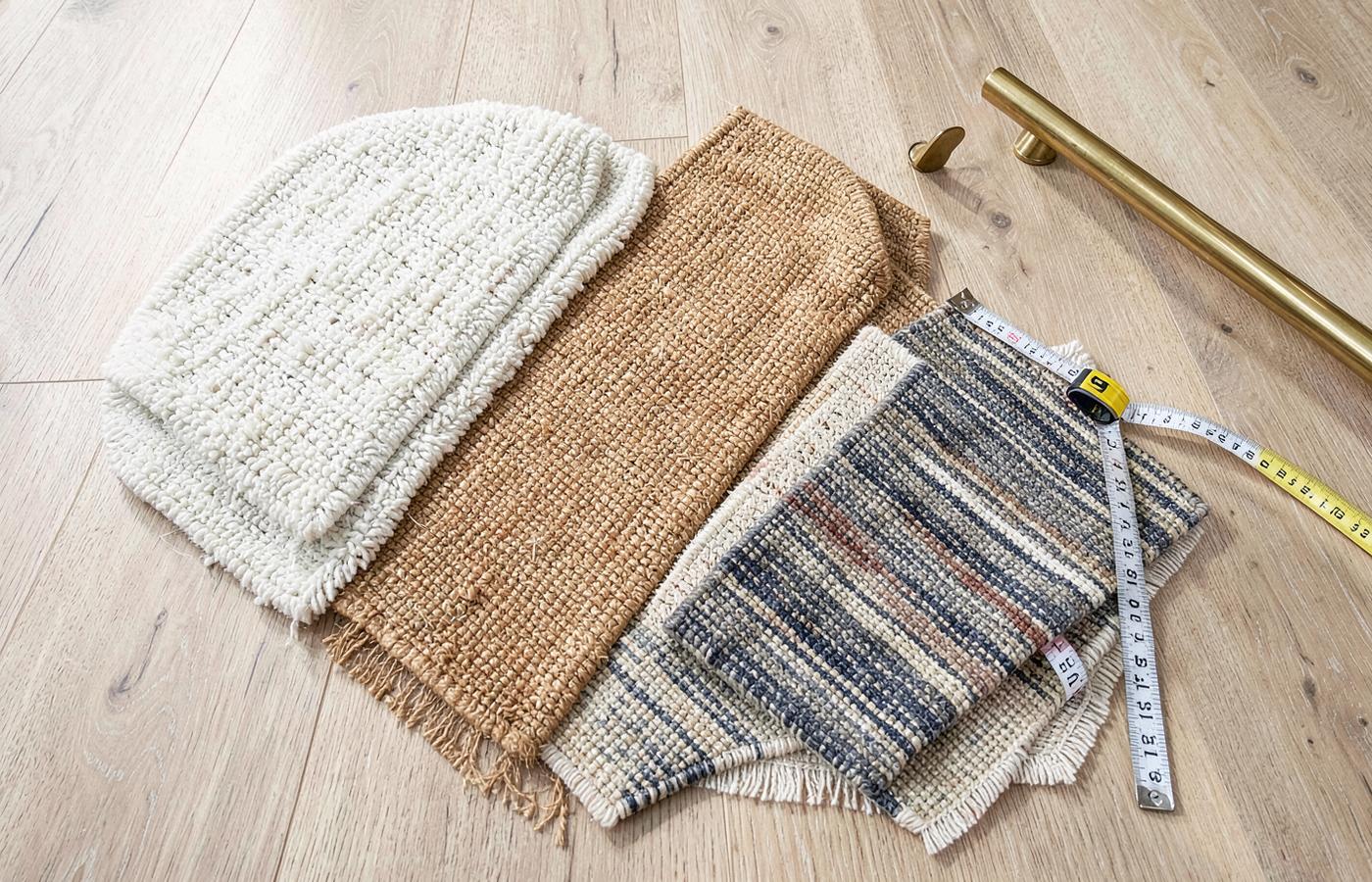 MaterialsPolypropylene Stair RunnersOlefin on stairs: bleach-cleanable colour, moisture resistance, and the crushing risk you must design around.