Materials
Polypropylene stair runners: the practical choice for busy homes
Don't be put off by the term 'plastic'. Polypropylene is the industry standard for performance-driven flooring, offering unparalleled stain resistance, affordability, and longevity in even the most punishing staircases.
Written by the StairRunner.co editorial team · Updated 4 September 2026
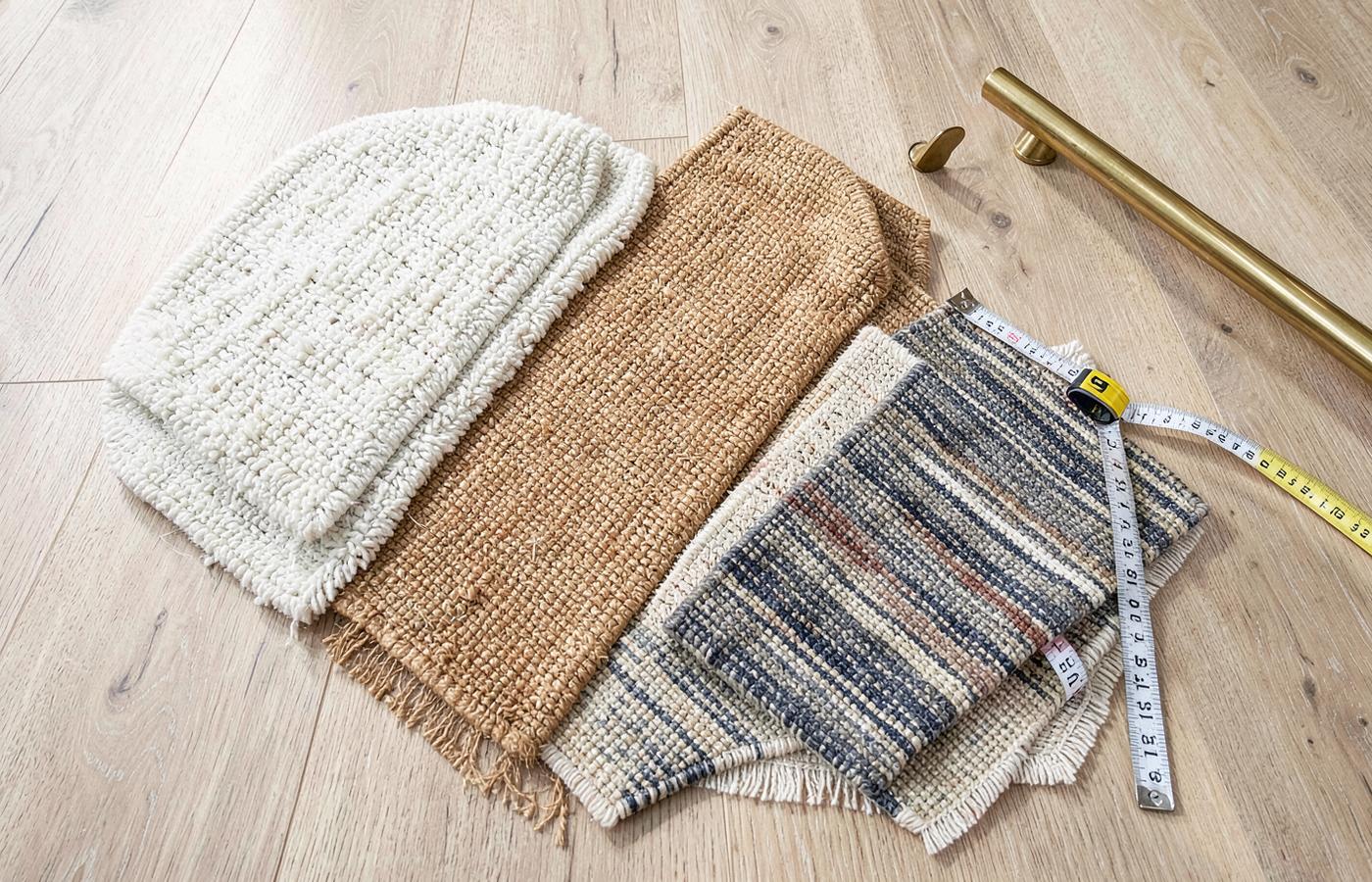
What is a Polypropylene runner?
Polypropylene is a synthetic fibre that is essentially a sophisticated form of plastic. It is manufactured in a process that makes the colour an integral part of the fibre itself, meaning it is exceptionally resistant to fading and bleach, and it does not absorb moisture or dirt. On a staircase, this equates to a runner that is incredibly forgiving of the daily demands of a household.
Unlike natural fibres that are harvested and then spun into yarn, polypropylene is created through a chemical process where the polymer is melted and extruded into fine filaments. These filaments are then twisted together to create the yarn used in weaving or tufting the runner. This manufacturing method allows for incredible consistency in thickness and strength, which is vital for the mechanical stress of a staircase.
Performance Advantages
For a staircase, the primary requirements are durability, safety, and ease of maintenance. Polypropylene excels in these areas because of its molecular structure. It is what we call a "hydrophobic" material—it literally hates water. This means it doesn't just resist stains; it actively repels them, preventing liquids from penetrating the core of the fibre.
| Feature | Performance |
|---|---|
| Stain Resistance | Exceptional; liquid sits on top |
| Traffic Resilience | High; resists crushing well |
| Colour Fastness | High; resists fading from light |
| Maintenance | Simple; low-effort cleaning |
The Science of Solution Dyeing
One of the most significant advantages of modern polypropylene runners is a process called solution dyeing. In traditional carpet manufacturing, the yarn is created and then dyed to the desired colour. This means the dye sits on the outside of the fibre, much like paint on a wall. Over time, sunlight or cleaning can wear this dye away, leading to fading or "bleeding."
With solution dyeing, the pigment is added to the liquid polymer before the fibres are even formed. The colour is not just on the surface; it is present throughout the entire fibre. This is why you can clean many polypropylene runners with a diluted bleach solution—the bleach cannot "reach" the colour to strip it away, as the colour is an intrinsic part of the plastic itself. For a high-traffic area like a hallway, this level of colour permanence is a game-changer.
Why it dominates the family market
In a home with children and pets, spills are inevitable. With a wool runner, a spilled drink or muddy paw print is a problem to be solved immediately. With a polypropylene runner, it's a minor inconvenience. Because the fibre is non-absorbent, liquid stays on the surface, giving you time to blot it away before it reaches the backing. This makes it an essential choice for anyone looking to minimise the stress of keeping a staircase clean. See our guide on washable stair runners for more on specifying for cleanability.
Beyond just spills, polypropylene is also highly resistant to the accumulation of allergens. Because the fibres do not have the microscopic "scales" found on wool, they don't trap dust and dander as easily. Regular vacuuming is much more effective at removing debris from a synthetic runner, which can be a significant benefit for families with allergy sufferers.
Heat-Set Polypropylene: Texture and Touch
If you have ever felt a synthetic carpet that felt "crispy" or overly shiny, you were likely feeling an entry-level polypropylene. Higher-end runners undergo a process called "heat-setting." This involves treating the twisted yarns with steam or dry heat to lock the twist in place. This not only makes the yarn more resilient to crushing but also gives it a much softer, more matte appearance that closely mimics the look of wool.
When shopping for a plastic-based runner, look for "Heat-Set Polypropylene" in the specification. These products will feel significantly more substantial underfoot and will maintain their "new" look for much longer than non-heat-set alternatives. They are the professional's choice for a domestic staircase where aesthetics matter as much as durability.
Environmental Considerations: Longevity vs. Sustainability
It is important to address the environmental aspect of choosing a plastic-based product. Polypropylene is a petroleum-based material, and unlike wool, it is not biodegradable. However, the environmental impact of a product must also be measured by its lifecycle. A high-quality polypropylene runner that lasts fifteen years and requires fewer chemical cleaning agents over its life can sometimes be a more sustainable choice than a low-quality natural product that needs to be replaced every three years.
Furthermore, many manufacturers are now beginning to offer recycled polypropylene options, and the industry is improving its ability to recycle these products at the end of their life. When you choose a durable runner, you are reducing the frequency of replacement, which is one of the most effective ways to lower your home's overall environmental footprint.
Comparing Pile Types: Twist vs. Loop
When selecting your polypropylene runner, the construction of the pile is just as important as the material. For stairs, you generally have two main choices: twist pile and loop pile.
A twist pile runner has fibres that are twisted together and then cut at the top. This creates a dense, plush surface that is excellent at hiding footprints and vacuum marks. It is generally the safer choice for households with pets, as there are no loops for claws to get caught in.
A loop pile (or Berber) runner is made of continuous loops of yarn. These are incredibly durable and offer a distinct, structured look. However, you must be careful on stairs—if a loop is snagged by a shoe or a pet's claw, it can "run," creating a visible line across the runner. If you choose a loop pile for your stairs, ensure it is a high-density, low-profile loop to minimise this risk.
Installation and Safety
Polypropylene runners are lightweight and structurally consistent, which makes them very straightforward for an installer to work with. They don't have the 'natural variation' of wool, meaning pattern matching is typically cleaner and easier. However, because they are light, you must ensure a high-quality, high-grip stair runner underlay is used. This prevents the runner from shifting on the stairs, which is the main source of safety issues, not the fibre itself.
When installing a synthetic runner, the "tack" of the gripper rods is vital. Because polypropylene fibres are smoother than wool, they require a firm grip to stay under tension. A professional installer will often use a double-row of grippers on the treads and risers of a staircase to ensure that the runner remains tight and flat, preventing the "bagging" that can occur with poorly installed synthetic products.
Maintenance Tips
Despite their resilience, you should still follow a basic care routine:
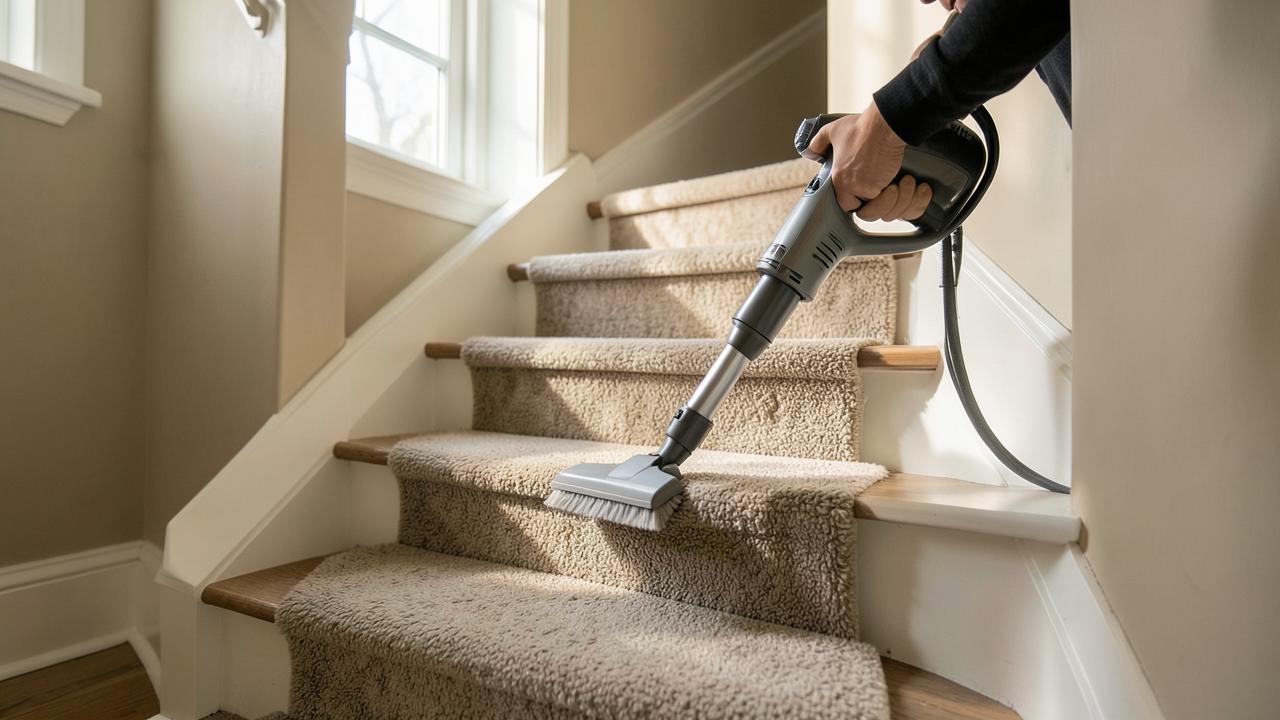
- Vacuum: Use a suction-only setting or a vacuum with a height-adjustable brush bar. Too much agitation on some synthetic fibres can cause "fuzzing" over time.
- Spills: Blot, don't rub. Even though the fibre is resistant, rubbing can drive the spill deeper into the backing or distort the pile surface.
- Deep Clean: Polypropylene is tough, but avoid high-heat steam cleaners, as high temperatures can permanently melt or distort the fibres.
- Bleach Cleaning: Only use bleach on products specifically labelled as "bleach cleanable." Use a very diluted solution (typically 1 part bleach to 10 parts water) and always rinse thoroughly with clean water afterwards.
Failure Modes
Understanding what can go wrong helps you avoid these issues. While polypropylene is tough, it is not invincible. The most common problems arise from heat, friction, or poor installation rather than chemical damage.
| Sign | Cause | Mitigation |
|---|---|---|
| Static buildup | Dry climate / low humidity | Use a gentle anti-static spray if it becomes an issue. |
| Shading | Incorrect pile orientation | Professional installation avoids this. |
| Fibres melting | High-heat steam cleaner / friction | Avoid steam cleaners entirely; use cold/warm water extraction. |
| Snagging | Pet claws (on loop piles) | Choose a cut-pile twist for homes with pets. |
Deep dive: long-term performance metrics
When investing in a stair runner, it is essential to consider the lifecycle of the product. Most runners are replaced not because they are worn out, but because they have become visually tired or impossible to clean. By understanding the specific failure modes of each fibre—from the snagging of loops to the crushing of pile—you can make a decision that aligns with your household intensity. A runner is a key architectural feature of a hall, often being the first thing visitors see. It defines the flow, the light, and the acoustic quality of your entrance.
Polypropylene's specific strength lies in its "recovery rate." Unlike some natural fibres that can stay crushed after a heavy furniture item is moved, a high-quality heat-set polypropylene has a molecular memory that helps it return to its original shape. This is particularly important on the "nosing" of the stair— the front edge of the step— where the most pressure is applied. A runner that loses its pile height at the nosing will quickly look "bald" and aged. Synthetic fibres are engineered to resist this specific type of mechanical fatigue.
The importance of edge finishing
The finish at the edge of your runner is where the most visible wear occurs first. Whether you choose a traditional whip-stitch, a broad binding, or a hidden edge, this finishing detail must be robust. On a high-traffic staircase, an poorly-finished edge will fray within months, leading to a ragged look that is impossible to repair without replacing the runner entirely.
For polypropylene runners, we often recommend a synthetic yarn for the whipping (the stitched edge). This ensures that the edge is just as stain-resistant and durable as the rest of the runner. If you choose a cotton or wool binding on a plastic runner, you may find that the edge gets dirty or wears out long before the main body of the runner does. Consistency in materials across the entire product is the key to a long-lasting aesthetic.
Concluding Thoughts
Polypropylene is the 'workhorse' of the stair runner world. It is the material of choice when you prioritise practical, long-term, low-maintenance living over luxury natural fibres. It allows you to design your staircase to be beautiful and functional without the constant fear of stains or wear. When you choose a high-density, well-constructed polypropylene runner, you are getting one of the best value-for-money products on the market.
Ultimately, the decision to go with a "plastic" runner is a decision to embrace modern material science. It is an acknowledgement that the stairs are a high-stress area that requires a high-performance solution. By selecting a heat-set, solution-dyed product and ensuring it is professionally installed with the correct underlay, you can enjoy a beautiful, soft, and inviting staircase that stands up to the reality of a busy home for many years to come. See how this compares to polypropylene options in our wider material guides.
Frequently asked questions
- Is a plastic stair runner the same as polypropylene?
- Yes. In the context of flooring, 'plastic' almost always refers to polypropylene or polyethylene fibres. These are synthetic, durable, and highly stain-resistant materials widely used in high-traffic residential flooring.
- Are plastic runners durable?
- Extremely. Polypropylene is one of the most durable materials available for flooring. It is chemically inert, resists staining, does not fade easily, and can stand up to high-intensity traffic, making it ideal for the busiest staircases.
- Are they safe on stairs?
- Polypropylene runners are perfectly safe when installed correctly. They offer good traction, and because they are often dense and structured, they provide a stable surface. Always use a high-quality underlay to ensure they remain firm underfoot.
- Why are they so popular for families?
- The primary appeal is cleanability. Because the fibre is synthetic and non-absorbent, it does not soak up liquids or hold odours, which is a major advantage in homes with children, pets, or high traffic.
- Do they look 'plastic'?
- Modern manufacturing has come a long way. Many polypropylene runners are indistinguishable from wool or other natural fibres to the naked eye. They come in a wide variety of styles, textures, and appearances, from smooth to heavily textured.
- How does polypropylene handle direct sunlight?
- Polypropylene is naturally UV resistant, meaning it does not fade as quickly as natural fibres like wool or cotton when exposed to direct sunlight. This makes it an excellent choice for bright, south-facing hallways or staircases with large windows.
- Can I use a steam cleaner on a plastic runner?
- We generally advise against using high-heat steam cleaners on polypropylene. Because the material is a form of plastic, extreme heat can actually melt or distort the fibres. Instead, use a warm-water extraction method for deep cleaning.
Related guides
- MaterialsStair Runner Materials ComparedWool, nylon, polypropylene, sisal and jute judged on stair-specific wear, comfort, cleaning and safety.
 CareCleaning and Caring for a Stair RunnerRoutine vacuuming, spill response by fibre type, slipping and fraying, and when to call a professional.
- BuyingWashable and Pet-Friendly Stair RunnersWhat washable really means on stairs, and how to choose for pets, children and heavy household traffic.
- MaterialsPolypropylene Stair RunnersOlefin on stairs: bleach-cleanable colour, moisture resistance, and the crushing risk you must design around.