Troubleshooting
Stair runner smells and odours
Odours are a signal that something has reached deeper than the surface. Here is how to find the cause and treat it properly.
Written by the StairRunner.co editorial team · Updated 4 September 2026
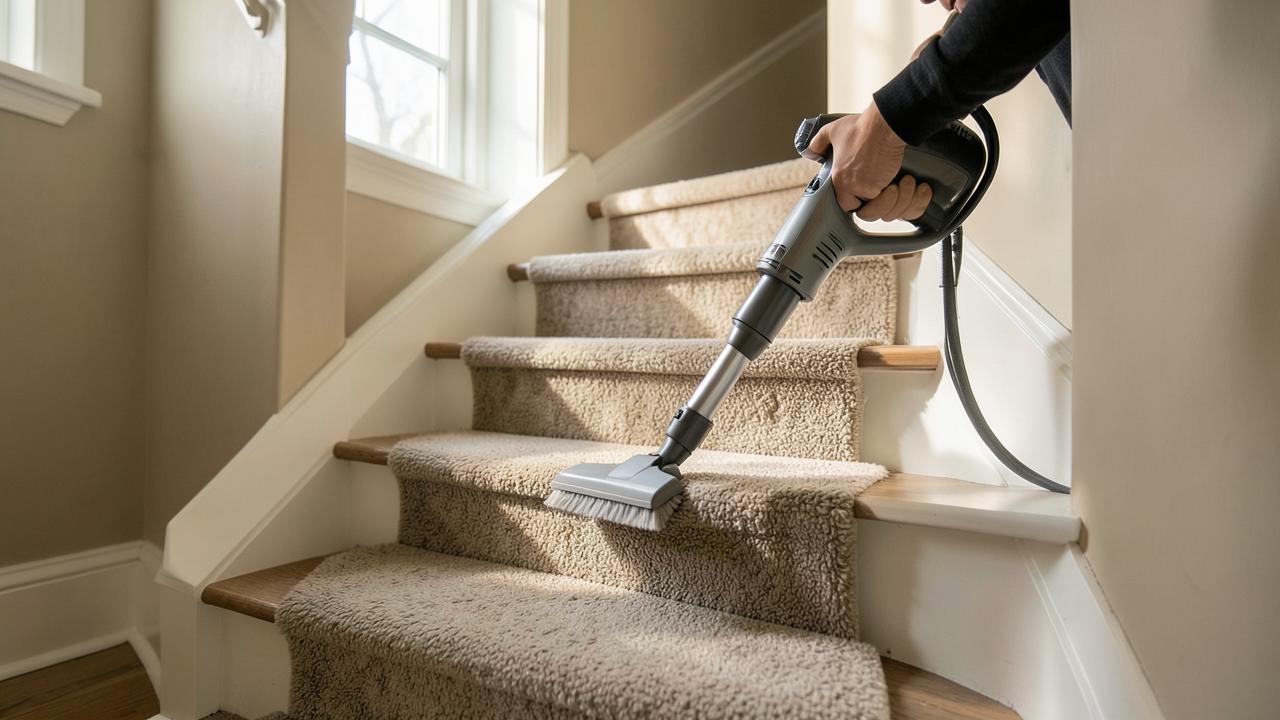
Finding the Source: The Vertical Challenge
If you notice a smell in your hallway, don't just spray the air. The first step is a "nose-to-carpet" inspection to locate the specific area of concern. Stairwells are unique because they act as a chimney, pulling smells from the ground floor up to the landing. A smell that seems to be on the third step might actually be originating from a spill on the ground floor rug that has been drawn upward by the airflow.
If the smell is localised to a specific tread, look for signs of staining or discolouration. If it's a pet or liquid accident, it likely travelled through the weave and into the padding. If the smell is generally "musty," check the environment—is the hallway ventilated? Is there a leak nearby? A musty smell is often a sign of trapped moisture, which is a more serious issue than a simple spill.
The Chemistry of 'New Carpet Smell' (Off-gassing)
When a new stair runner is first installed, it often carries a distinct chemical odour. This is caused by the release of Volatile Organic Compounds (VOCs) from the carpet backing, the adhesives, and even the new underlay. While this "new car smell" of the flooring world is common, some people find it overwhelming or even a trigger for headaches.
To manage off-gassing, maximise ventilation. Open windows at the top and bottom of the stairs to create a cross-breeze. Vacuuming the runner daily for the first week can also help by agitating the fibres and allowing the gases to escape more quickly. If you are sensitive to these smells, look for runners with low-VOC certifications like the "Green Label Plus" standard during your purchase phase.
Pet Odours: Why They Persist and How to Neutralise Them
Pets and stairs are a common combination, and accidents are inevitable. The reason pet urine smells so strongly and persists for so long is the presence of uric acid crystals. These crystals are not water-soluble and bond tightly to the carpet fibres and the porous underlay. When the weather gets humid, these crystals reactivate, which is why a smell might seem to disappear and then return weeks later.
To treat pet odours, you must use an enzymatic cleaner. These products contain bacteria that literally "eat" the uric acid crystals, breaking them down into carbon dioxide and water. Traditional soap and water will only remove the liquid, leaving the crystals behind. Always blot the area thoroughly first, apply the enzyme cleaner, and allow it to sit for the recommended time to ensure it reaches the underlay where the bulk of the contamination resides.
Damp and Mildew: The Hidden Risks in Hallways
Hallways are often the dampest parts of a house. They are high-traffic areas where wet coats and umbrellas are stored, and they are frequently located against external walls. If a stair runner absorbs this moisture and isn't allowed to dry, it can lead to the growth of mildew in the underlay. This results in a persistent, sour, "old basement" smell.
Preventing mildew requires a combination of moisture management and air circulation. Ensure that wet items are never left directly on the runner. In winter, if the hallway feels cold and damp, consider using a small dehumidifier or ensuring the radiator in the hall is functioning correctly. If you suspect mildew has already taken hold in the underlay, cleaning the surface of the carpet will not be enough; the affected padding must be replaced to permanently remove the spores and the smell.
Cooking Smells and the Vertical Chimney Effect
It might seem strange, but your stair runner can end up smelling like last night's dinner. Because warm air rises, cooking vapours from the kitchen are often drawn into the hallway and up the stairs. Over time, the fats and oils in these vapours can settle onto the carpet fibres, trapping other dust and smells and creating a dull, greasy odour.
This is particularly common with natural fibre runners like wool, which are more porous than synthetics. Regular vacuuming helps, but the real solution is prevention. Using a high-quality extractor fan in the kitchen and keeping the door between the kitchen and the hallway closed while cooking will significantly reduce the amount of "food smell" your runner absorbs. A light periodic grooming of the pile also helps release these trapped particles.
Natural Deodorisers vs. Chemical Solutions
If you prefer to avoid harsh chemicals, there are several natural ways to manage light odours. Baking soda (sodium bicarbonate) is a classic for a reason. Its alkaline nature neutralises acidic odours like sweat or pet urine. Sprinkle it liberally over the runner, leave it for at least four hours (or overnight if possible), and then vacuum it up thoroughly. Note: ensure the carpet is completely dry before applying baking soda, or you will create a paste that is very difficult to remove.
Another option is a mixture of white vinegar and water. Vinegar is a natural disinfectant and an excellent neutraliser for alkaline smells. However, its own strong scent can be off-putting for some, though it does dissipate quickly as it dries. For a fresher scent, you can add a few drops of essential oils like lavender or lemon to your vacuum filter, which will lightly scent the air as you clean without leaving a residue on the carpet itself.
The Role of Humidity in Odour Retention
Humidity is the catalyst for almost all carpet odours. High moisture levels in the air provide the perfect environment for bacteria to thrive and for chemical compounds to release more easily. If your hallway humidity is consistently above 60%, you are much more likely to experience odour issues. Investing in a simple hygrometer (a humidity sensor) for your hallway can give you the data you need to manage your environment.
During the summer months, use air conditioning or fans to keep the air moving. In the winter, ensure the house is heated evenly. Rapid temperature fluctuations can cause condensation to form on the underside of the runner, particularly on the lower steps near the front door. Keeping the environment stable is one of the most effective long-term strategies for a fresh-smelling home.
When Odour Means Structural Damage
In rare cases, a smell from your stair runner might be a warning sign of a problem with the staircase itself. If you notice a persistent musty smell that doesn't go away even after cleaning, it could be that moisture is seeped into the timber of the treads or is originating from a damp subfloor. This is especially common in older homes with solid stone or concrete stairs that have been covered with wood and then a runner.
If the smell is accompanied by a "crunchy" sound when you walk or visible warping of the wood at the edges, you should call a professional to inspect the structural integrity of the stairs. Treating the carpet in this scenario is like putting a plaster on a broken leg—it hides the problem but doesn't fix it. Addressing the underlying damp issue is essential for both your home's health and the longevity of your runner.
Treating the Underlay: The Only Permanent Fix
The underlay is the most common culprit for persistent odours. It is porous and designed to absorb shock, which makes it perfect for absorbing liquids. If a spill is deep, the only true solution is to remove the staples, carefully lift the runner, and replace the section of the pad. It is far better to replace a small piece of pad than to live with a lingering odour that affects the air quality of your entire home.
When replacing underlay, ensure you cut a piece exactly the same size and thickness as the original to maintain the level surface of the step. Clean the wooden tread thoroughly with a disinfectant before installing the new pad. This "surgical" approach to odour removal is the standard practice for professional fitters when dealing with severe contamination.
Prevention: Creating a Protective Barrier
The best way to deal with smells is to never let them happen in the first place. Consider applying a carpet protector spray to your runner immediately after installation. These products create a hydrophobic barrier on the fibres, causing liquids to bead on the surface rather than soaking in. This gives you precious extra minutes to blot up a spill before it reaches the underlay.
Additionally, a high-quality entrance mat at the front door is your first line of defence. By removing the bulk of the moisture and dirt from shoes before they even reach the hallway, you significantly reduce the "odour load" that your stair runner has to handle. Think of your maintenance as a multi-layered system: the mat stops the dirt, the protector stops the soak, and the vacuum removes the rest.
Deep Cleaning for Odour Removal
If your runner has reached a point where it generally smells "stale," a professional deep clean is necessary. We recommend the "dry extraction" method for odour issues. This process uses a specialized powder that is worked into the fibres, where it absorbs oils and odours before being vacuumed away. It avoids the risks associated with wet cleaning and leaves the runner ready to walk on almost immediately.
For more extreme cases, a low-moisture professional clean with an added deodorising agent can work wonders. These agents are designed to bond with odour molecules and neutralise them chemically. It is a far more effective approach than any domestic "shake and vac" product, which often just coats the fibres in a fine dust that can actually attract more dirt over time.
| Odour Type | Primary Cause | Best Treatment |
|---|---|---|
| New Carpet | Chemical off-gassing (VOCs) | Maximum ventilation and daily vacuuming |
| Pet Urine | Uric acid crystals in fibres/pad | Enzymatic cleaner; replace pad if severe |
| Musty / Sour | Trapped moisture / Mildew | Dehumidify; check for leaks; replace pad |
| Stale / Greasy | Cooking vapours and skin oils | Professional dry extraction clean |
| Acrid / Sharp | Spilled chemicals or cleaning products | Professional rinsing / neutralisation |
Managing odours in a stair runner is about being proactive and understanding the vertical dynamics of your home. By keeping the environment dry, ventilating well, and addressing spills at the source, you can ensure your runner remains a source of beauty and comfort rather than a source of concern. For more tips on keeping your stairs pristine, check out our complete cleaning guide or our recommended maintenance schedule.
Frequently asked questions
- Why does my runner smell?
- Odours are usually caused by liquid spills (pets or accidents) reaching the underlay, or by trapped moisture if the room is poorly ventilated. Occasionally, it's just a new-carpet 'off-gassing' smell.
- Will masking sprays work?
- Only temporarily. Odours must be removed at the source. If the smell persists, the contamination is likely in the pad, not the carpet pile.
- Should I wash it?
- No. Saturating a fitted runner will often make the odour worse by trapping bacteria in the underlay.
- Can I clean the pad?
- Usually, no. If the pad is badly contaminated, it should be replaced. It is a consumable layer designed to be replaced periodically.
- Is baking soda safe?
- Yes, for light odours. Sprinkle, leave for a few hours, then vacuum thoroughly. Do not use if the area is damp.
- How long does 'new carpet smell' last?
- Usually between 48 hours and a week. Increasing ventilation and vacuuming daily will help the VOCs dissipate faster.
- Can a wool runner smell when it's damp?
- Yes, natural wool has a distinct 'sheep-like' smell when it gets wet. This should disappear once the runner is completely dry.
- Do stair rods cause odours?
- Not directly, but if moisture gets trapped behind them, it can lead to a metallic or musty smell. Regular dusting and checking for dry conditions solves this.
- Can I use vinegar to remove pet smells?
- Vinegar is excellent for neutralising the ammonia in pet urine. Use a 50/50 mix with water, but always test for colourfastness first.
- Why does the smell come back when it rains?
- This is often due to humidity Reactivating the bacteria in the underlay. It is a sign that the original spill wasn't fully neutralised.
Related guides
- CareCleaning and Caring for a Stair RunnerRoutine vacuuming, spill response by fibre type, slipping and fraying, and when to call a professional.
 MaterialsStair Runner Underlay and PaddingWhy pad choice matters more on stairs than anywhere else, and how to specify density, thickness and cut.
- CareStair Runner Maintenance: Your Care ScheduleKeep your runner looking fresh with our expert maintenance schedule. From weekly vacuuming to annual professional cleaning.