Stair Design
Stair runner top step finishing
The transition at the top of a staircase is the most critical junction for both safety and style. Understanding how to finish your runner at the landing is essential for a professional result.
Written by the StairRunner.co editorial team · Updated 4 September 2026
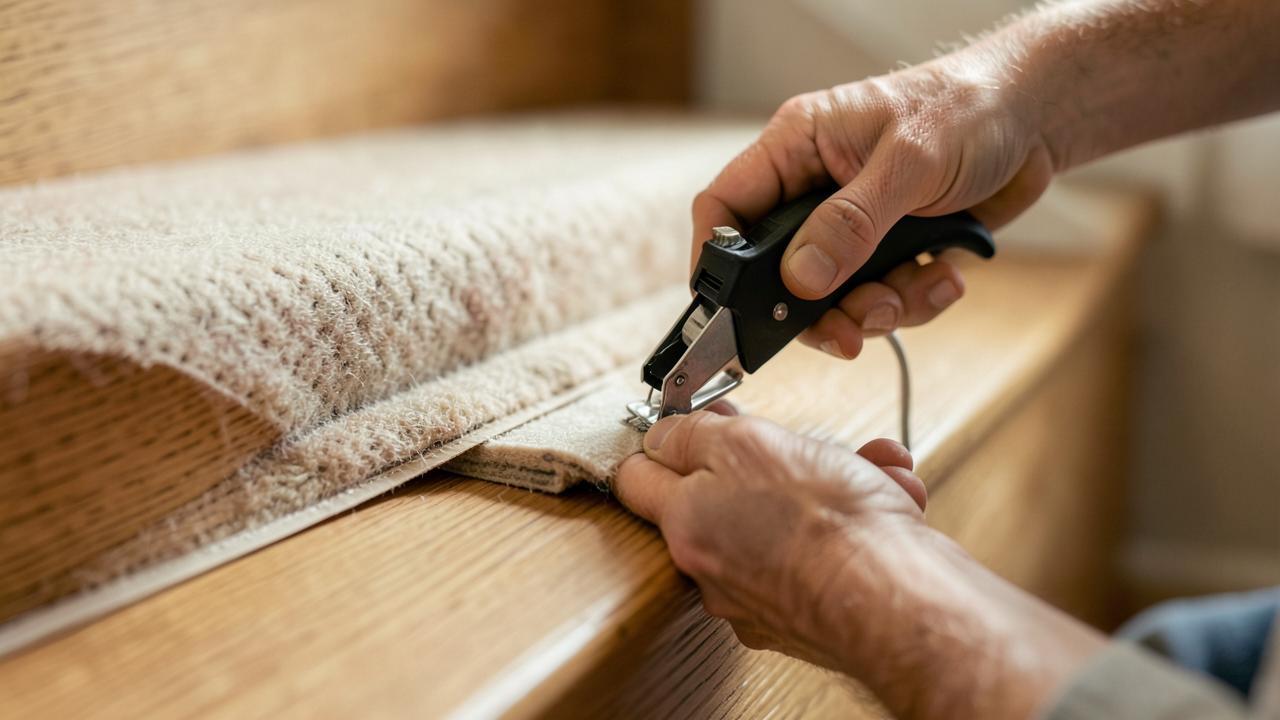
The Anatomy of the Top Step Transition
The top of the staircase is where the vertical journey ends and the horizontal flow of the landing begins. In technical terms, this transition involves the final riser of the staircase meeting the landing floor. Because this area experiences unique foot traffic patterns—people are often pivoting or changing pace as they reach the top—the installation must be exceptionally robust. A loose edge or a slight height difference here is not just a cosmetic flaw; it is a primary safety concern.
In British homes, staircases often lead to landings that are either carpeted or finished in hard materials like oak or parquet. Each scenario requires a different finishing technique. If the landing is carpeted, the runner should ideally be of the same material or a complementary weave, and the join should be invisible or clearly defined as a design choice. If the landing is timber, the runner ends abruptly, and the finish must be clean, neat, and secure.
Option 1: The Flush Landing Finish
This is often considered the gold standard for a seamless look. In this method, the stair runner wraps over the top nosing and is finished perfectly flush with the landing carpet. To achieve this, the floor levels must be carefully considered. The underlay on the stairs and the underlay on the landing must meet at the same height, and the carpet join should be made using professional heat-bond tape or a hand-sewn seam for the most durable result.
The advantage of a flush finish is the lack of any physical transition strip, which creates a smooth, unobstructed path for walking. This is particularly important for elderly residents or those with mobility issues, as it eliminates any potential trip hazard. From a design perspective, it makes the staircase feel like an integral part of the upper floor rather than a separate addition.
Option 2: Transitioning to Hard Flooring
When a runner meets a timber or tiled landing, the finish requires a different approach. The runner cannot simply 'stop'; it must be finished with an edge that is both secure and aesthetically pleasing. This is usually achieved in one of two ways: a bound edge or a metal transition strip. A bound edge involves wrapping the end of the carpet material and stitching it to prevent fraying. This creates a soft, tailored look that sits slightly proud of the hard floor.
Alternatively, a metal threshold or 'door bar' can be used. While some may find this less elegant, it provides a very secure mechanical fixing for the end of the runner. Modern threshold designs come in various finishes—from brushed brass to antique bronze—allowing them to complement other hardware in the home like door handles or stair rods. The choice here often depends on the overall style of the property, with traditional homes leaning towards bound edges and contemporary spaces often favouring sleek metal transitions.
| Method | Best For | Key Benefit |
|---|---|---|
| Flush Join | Carpeted Landings | Seamless visual flow and maximum safety |
| Bound Edge | Timber/Tile Landings | Tailored, high-end look without metal strips |
| Threshold Strip | High Traffic Areas | Maximum durability and secure anchoring |
Safety and Building Regulations
In the UK, building regulations provide guidelines on staircase safety, and while they don't explicitly dictate carpet finishing, the principles of 'evenness' and 'slip resistance' are paramount. A top step finish that creates a bump of more than a few millimetres can be classified as a hazard. Professional fitters will often 'taper' the underlay as it approaches the top nosing, thinning it out so that the combined thickness of the underlay and runner matches the height of the landing floor.
Furthermore, the fixing of the runner at this point must be infallible. Staples should be driven into the timber riser, not just the carpet backing, and if using tack strips (grippers), they must be placed far enough back from the edge to ensure they don't catch on the soles of shoes but close enough to provide adequate tension. For more on safety, see non-slip stair runners.
Visual Continuity and Landing Flow
Designers often debate whether a runner should 'stop' at the top of the stairs or continue as a matching landing runner. Continuing the material creates a strong sense of direction and can help to 'stretch' a narrow landing visually. However, if the landing is large and open, a matching runner might look like a narrow path lost in a big space. In these cases, it is often better to transition to a full-width carpet or return to the original floorboards.
If you choose to end the runner at the top step, ensure the pattern is centered. A striped runner that is slightly off-centre as it hits the landing will be immediately noticeable and can make the whole flight look crooked. This requires meticulous planning during the initial measurement and layout phase.
Installation Challenges: The 'Hump' Effect
One of the most common issues with DIY or poor professional installations is the 'hump' at the top of the stairs. This occurs when the underlay and gripper are installed too close to the nosing, causing the runner to sit significantly higher than the landing floor. Not only does this look unfinished, but it is a major trip hazard. The solution is to 'scive' or shave down the underlay at the edge, a technique that requires a sharp knife and a steady hand.
Another challenge is managing the tension. The top step acts as the primary anchor for the entire flight. If the tension is lost here, the whole runner will eventually begin to sag or shift. This is why many professionals choose to double-staple or use high-strength adhesive in addition to mechanical fixings at the top riser.
Material Selection for the Top Step
Not all carpets are suited for the complex folding and stretching required at the top nosing. Thick, bulky carpets can be difficult to wrap neatly and may create an unsightly bulge. Conversely, very thin materials might show the fixings underneath. A dense, low-profile wool or a high-quality synthetic is usually the best choice. These materials have the 'give' needed to wrap around the nosing while maintaining enough structural integrity to stay flat on the landing transition.
The Role of Stair Rods at the Top
While stair rods are primarily decorative, they can play a minor role in securing the runner. However, it is a mistake to rely on them for the top transition. A rod placed at the junction of the top riser and the landing will not provide enough tension to hold the runner in place against the force of someone stepping up onto the landing. The real work must be done by the grippers and staples hidden beneath the surface. See stair runner rods for more on their proper use.
Long-Term Maintenance and Wear
Because the top step is a pivot point, it often shows signs of wear before the rest of the flight. The edge of the carpet at the nosing can become 'polished' or flattened, and the join with the landing floor can start to pull apart if not properly maintained. Regular inspection is key. If you notice any fraying at the bound edge or any gaps opening up in the flush join, it is best to call a professional for a small repair before the issue escalates.
Vacuuming should be done with care at this transition. Using a heavy upright vacuum directly over the edge can sometimes catch the join or the binding. A hand-held attachment or a lighter suction setting is often safer for preserving the integrity of the top step finish. For more care tips, visit stair runner cleaning.
Summary of Best Practices
- Always taper the underlay at the top nosing to ensure a flush finish.
- Choose a finishing method (flush, bound, or threshold) that matches both your floor type and your safety requirements.
- Ensure the pattern is perfectly centered at the transition point.
- Use robust, multi-point fixings at the top riser to anchor the entire flight.
- Regularly inspect the join for signs of wear or loosening.
Final Thoughts on Design
The top of your stairs is more than just a functional end point; it is a design opportunity. Whether you choose a bold contrast or a subtle, invisible transition, the quality of the finish will speak volumes about the care taken in your home's interior design. By following these professional standards, you can ensure a staircase that is as safe as it is beautiful.
To further ensure the longevity and aesthetic appeal of your stair runner, consider the impact of environmental factors such as light and humidity. Over time, exposure to direct sunlight at the top of a flight can cause certain fibres to fade, leading to a noticeable difference between the stairs and the landing. Choosing UV-resistant materials or using window treatments can mitigate this effect. Additionally, the subfloor material plays a crucial role in how the top step is finished. Timber subfloors offer excellent anchoring for staples and tacks, whereas concrete or stone may require specialised adhesives or masonry fixings. Professional fitters are equipped to handle these variations, ensuring that the transition remains secure regardless of the underlying structure. The visual weight of the runner is another consideration; a wide runner with a heavy border requires a different finishing approach than a narrow, plain weave. The border must be carefully mitred or returned at the top step to maintain its geometric integrity. This level of detail is what separates a standard installation from a bespoke, high-end finish. Finally, consider the sound-dampening qualities of the top step finish. A well-fitted transition reduces the 'thud' of footsteps as people transition from the stairs to the landing, contributing to a quieter and more peaceful home environment. Every element, from the choice of thread for a bound edge to the density of the underlay, works together to create a cohesive and functional whole. To further ensure the longevity and aesthetic appeal of your stair runner, consider the impact of environmental factors such as light and humidity. Over time, exposure to direct sunlight at the top of a flight can cause certain fibres to fade, leading to a noticeable difference between the stairs and the landing. Choosing UV-resistant materials or using window treatments can mitigate this effect. Additionally, the subfloor material plays a crucial role in how the top step is finished. Timber subfloors offer excellent anchoring for staples and tacks, whereas concrete or stone may require specialised adhesives or masonry fixings. Professional fitters are equipped to handle these variations, ensuring that the transition remains secure regardless of the underlying structure. The visual weight of the runner is another consideration; a wide runner with a heavy border requires a different finishing approach than a narrow, plain weave. The border must be carefully mitred or returned at the top step to maintain its geometric integrity. This level of detail is what separates a standard installation from a bespoke, high-end finish. Finally, consider the sound-dampening qualities of the top step finish. A well-fitted transition reduces the 'thud' of footsteps as people transition from the stairs to the landing, contributing to a quieter and more peaceful home environment. Every element, from the choice of thread for a bound edge to the density of the underlay, works together to create a cohesive and functional whole. To further ensure the longevity and aesthetic appeal of your stair runner, consider the impact of environmental factors such as light and humidity. Over time, exposure to direct sunlight at the top of a flight can cause certain fibres to fade, leading to a noticeable difference between the stairs and the landing. Choosing UV-resistant materials or using window treatments can mitigate this effect. Additionally, the subfloor material plays a crucial role in how the top step is finished. Timber subfloors offer excellent anchoring for staples and tacks, whereas concrete or stone may require specialised adhesives or masonry fixings. Professional fitters are equipped to handle these variations, ensuring that the transition remains secure regardless of the underlying structure. The visual weight of the runner is another consideration; a wide runner with a heavy border requires a different finishing approach than a narrow, plain weave. The border must be carefully mitred or returned at the top step to maintain its geometric integrity. This level of detail is what separates a standard installation from a bespoke, high-end finish. Finally, consider the sound-dampening qualities of the top step finish. A well-fitted transition reduces the 'thud' of footsteps as people transition from the stairs to the landing, contributing to a quieter and more peaceful home environment. Every element, from the choice of thread for a bound edge to the density of the underlay, works together to create a cohesive and functional whole. To further ensure the longevity and aesthetic appeal of your stair runner, consider the impact of environmental factors such as light and humidity. Over time, exposure to direct sunlight at the top of a flight can cause certain fibres to fade, leading to a noticeable difference between the stairs and the landing. Choosing UV-resistant materials or using window treatments can mitigate this effect. Additionally, the subfloor material plays a crucial role in how the top step is finished. Timber subfloors offer excellent anchoring for staples and tacks, whereas concrete or stone may require specialised adhesives or masonry fixings. Professional fitters are equipped to handle these variations, ensuring that the transition remains secure regardless of the underlying structure. The visual weight of the runner is another consideration; a wide runner with a heavy border requires a different finishing approach than a narrow, plain weave. The border must be carefully mitred or returned at the top step to maintain its geometric integrity. This level of detail is what separates a standard installation from a bespoke, high-end finish. Finally, consider the sound-dampening qualities of the top step finish. A well-fitted transition reduces the 'thud' of footsteps as people transition from the stairs to the landing, contributing to a quieter and more peaceful home environment. Every element, from the choice of thread for a bound edge to the density of the underlay, works together to create a cohesive and functional whole. To further ensure the longevity and aesthetic appeal of your stair runner, consider the impact of environmental factors such as light and humidity. Over time, exposure to direct sunlight at the top of a flight can cause certain fibres to fade, leading to a noticeable difference between the stairs and the landing. Choosing UV-resistant materials or using window treatments can mitigate this effect. Additionally, the subfloor material plays a crucial role in how the top step is finished. Timber subfloors offer excellent anchoring for staples and tacks, whereas concrete or stone may require specialised adhesives or masonry fixings. Professional fitters are equipped to handle these variations, ensuring that the transition remains secure regardless of the underlying structure. The visual weight of the runner is another consideration; a wide runner with a heavy border requires a different finishing approach than a narrow, plain weave. The border must be carefully mitred or returned at the top step to maintain its geometric integrity. This level of detail is what separates a standard installation from a bespoke, high-end finish. Finally, consider the sound-dampening qualities of the top step finish. A well-fitted transition reduces the 'thud' of footsteps as people transition from the stairs to the landing, contributing to a quieter and more peaceful home environment. Every element, from the choice of thread for a bound edge to the density of the underlay, works together to create a cohesive and functional whole. To further ensure the longevity and aesthetic appeal of your stair runner, consider the impact of environmental factors such as light and humidity. Over time, exposure to direct sunlight at the top of a flight can cause certain fibres to fade, leading to a noticeable difference between the stairs and the landing. Choosing UV-resistant materials or using window treatments can mitigate this effect. Additionally, the subfloor material plays a crucial role in how the top step is finished. Timber subfloors offer excellent anchoring for staples and tacks, whereas concrete or stone may require specialised adhesives or masonry fixings. Professional fitters are equipped to handle these variations, ensuring that the transition remains secure regardless of the underlying structure. The visual weight of the runner is another consideration; a wide runner with a heavy border requires a different finishing approach than a narrow, plain weave. The border must be carefully mitred or returned at the top step to maintain its geometric integrity. This level of detail is what separates a standard installation from a bespoke, high-end finish. Finally, consider the sound-dampening qualities of the top step finish. A well-fitted transition reduces the 'thud' of footsteps as people transition from the stairs to the landing, contributing to a quieter and more peaceful home environment. Every element, from the choice of thread for a bound edge to the density of the underlay, works together to create a cohesive and functional whole.
Frequently asked questions
- How do I choose the right finish for the top step?
- The choice depends on whether your runner matches your landing carpet or provides a contrast. A flush finish with the landing floor is generally considered the safest and most visually integrated option.
- Should the runner go over the top nosing?
- Yes, in most installations the runner should wrap over the top nosing to provide a consistent look and feel. However, it must be perfectly flush with the landing floor to avoid a trip hazard.
- What if my landing has different flooring?
- If the landing is timber or tile, the runner is usually finished with a neat bound edge or a metal threshold strip to create a clean transition between the materials.
- Does the top step need special underlay?
- The underlay should be tapered or stopped just before the nosing to ensure the runner sits flat and secure at the transition point, preventing a 'hump' that could cause stumbles.
- How do I maintain the top step finish?
- Regularly check that the fixings (staples, tacks or rods) remain secure. The top step receives the most impact, so it is the first place where loosening might occur.
Related guides
 MeasurementHow to Measure for a Stair RunnerThe tread-plus-riser formula, waste allowance, winders and landings, plus a calculator that shows its working.
- InstallationHow to Install a Stair RunnerWaterfall and Hollywood methods, staples versus rods, tools, sequence and quality checks.
 SafetyNon-Slip Stair Runners and Stair SafetyWhat actually makes a stair covering grippy: fitting tension, pile, pad and nosing coverage.