Materials
Synthetic sisal stair runners: the best of both worlds
The look of natural, organic textures with the performance of a high-tech synthetic. Synthetic sisal is designed to solve the two biggest problems with natural fibres: staining and moisture sensitivity.
Written by the StairRunner.co editorial team · Updated 4 September 2026
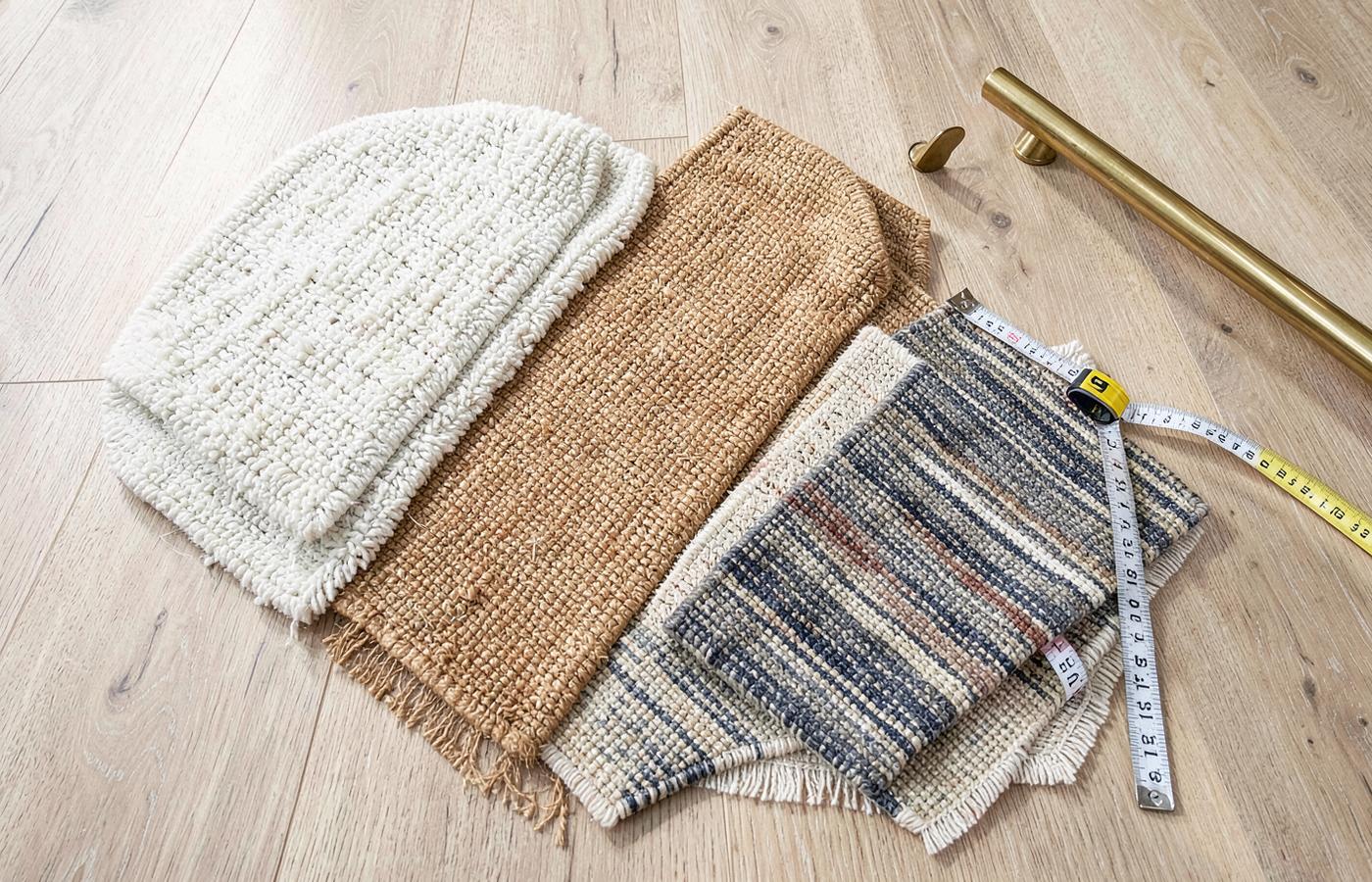
The Synthetic Sisal Concept
Natural sisal, jute, and coir have a beautiful, raw, and organic aesthetic that is timeless. However, they are also temperamental—they absorb spills instantly, they can hold odours, and they do not like moisture. Synthetic sisal was created to bridge this gap. By using high-performance synthetic fibres (typically polypropylene) and weaving them in patterns that replicate natural textures, manufacturers have created a 'safe' alternative that provides the exact same visual impact without the inherent risks.
The transition from natural to synthetic in the world of flooring mirrors wider trends in interior design, where the demand for "low-maintenance luxury" has driven technological innovation. Homeowners no longer want to choose between the tactile beauty of a woven carpet and the practical reality of living with children, pets, and the unpredictable British weather. Synthetic sisal represents a sophisticated engineering response to this demand, offering a product that looks virtually identical to its natural counterpart but performs in ways that were previously impossible for plant-based textiles.
The Science of Polypropylene Textures
The secret to high-quality synthetic sisal lies in the extrusion process of the polypropylene fibres. Modern manufacturing allows for 'texturized' yarns that lack the artificial shine often associated with cheap plastics. These fibres are matte-finished and often multi-tonal, meaning a single thread might contain subtle variations of beige, tan, and brown.
When these yarns are woven together on a loom, they create a 'rough' surface that diffuses light in the same way natural dried plant fibres do. Furthermore, because polypropylene is a non-porous material, the colour is 'locked in'—it won't fade under direct sunlight, which is a common problem with dyed natural sisal. This makes synthetic sisal the technically superior choice for sun-drenched hallways.
Unlike natural sisal, which can vary significantly in thickness and consistency (leading to potential weak points in the weave), synthetic fibres are manufactured to incredibly tight tolerances. This uniformity results in a more stable and predictable carpet, which is particularly beneficial when it comes to the complex stretching and pinning required for a stair runner installation. You get the organic "look" without the organic "variability" that can frustrate installers and homeowners alike.
Performance on stairs
Because synthetic sisal is woven, it has high structural integrity. On a staircase, it is firm and supportive, providing an excellent surface for foot traffic. It does not crush in the way a cut-pile carpet would, meaning your runner will keep its uniform look even in the busiest part of the flight.
| Feature | Natural Sisal | Synthetic Sisal |
|---|---|---|
| Moisture resistance | Poor; prone to staining/mildew | Excellent; water resistant |
| Cleaning | Very difficult | Simple; can handle mild solutions |
| Texture | Very raw, sometimes scratchy | Textured, generally softer |
Synthetic Sisal in Commercial vs Residential Settings
While synthetic sisal is a popular choice for homes, it is also the industry standard for high-end hospitality environments like boutique hotels and showrooms. This is because it provides the 'high-design' look of natural fibre while meeting the rigorous fire safety and durability requirements of public spaces.
In a domestic setting, this commercial-grade performance means your stair runner is likely to outlast almost every other textile in the house. It can withstand the friction of thousands of footsteps without fraying or 'pilling'. If you have a large household with children and pets, choosing a product designed for commercial traffic is a wise investment in longevity.
Moreover, the fire safety ratings for synthetic sisal are often superior to untreated natural plant fibres. Polypropylene is inherently less flammable than dried grasses like sisal, and it doesn't smoulder in the same way. For homeowners who are particularly safety-conscious, or for those in multi-occupancy buildings, the added peace of mind provided by a commercially-rated synthetic product is a significant benefit.
Why it is a favorite for high-traffic halls
If your stairs lead directly from an entrance hallway, you are constantly bringing in the outside world: rain, mud, grit, and dust. Natural fibres will act like a sponge for all of this. Synthetic sisal, conversely, is chemically inert and does not absorb liquid. Mud can be let to dry and vacuumed away, and liquid spills can be blotted without leaving a lasting mark. This makes it an incredibly practical, low-maintenance option for a busy, real-world household.
The durability extends to how the material handles grit. Small particles of sand and soil can be incredibly abrasive to natural fibres, essentially "cutting" them from the inside out. Polypropylene is much harder and more resistant to this kind of abrasive wear. As long as you maintain a regular vacuuming schedule, a synthetic sisal runner will maintain its structural integrity far longer than a natural one in a high-traffic entry zone.
Eco-Credentials of Modern Synthetic Fibres
A common critique of synthetic carpets is their environmental impact compared to natural wool or sisal. However, the picture is complex. Modern polypropylene is often made from recycled plastic waste and is itself 100% recyclable at the end of its life. Furthermore, because synthetic sisal is so durable, it needs to be replaced less frequently than natural fibres, reducing the total volume of waste generated over decades.
Additionally, the cleaning of synthetic sisal requires fewer harsh chemicals than the specialized 'dry cleaning' methods needed for natural sisal. When evaluating the eco-credentials of your runner, consider the 'total cost of ownership' including the environmental impact of maintenance and the frequency of replacement. A product that lasts twice as long as a natural alternative can often have a lower lifecycle carbon footprint despite its synthetic origins.
Managing the "Underfoot Feel"
It is important to manage expectations regarding the softness of synthetic sisal. While it is generally "kinder" to bare feet than the sometimes-scratchy natural sisal, it is not a plush, soft carpet. The beauty of this material is its firm, architectural feel. If you are looking for a runner that you can "sink into," synthetic sisal is likely not the right choice for you.
However, this firmness is exactly why many people love it. It feels solid and secure, providing a "stable" platform for climbing stairs. To enhance the comfort, the choice of underlay is paramount. A high-density underlay won't make the carpet feel "plush," but it will absorb the shock of your footfall, preventing the "hard" feeling that can occur if a thin woven carpet is laid directly onto timber. This combination of a firm surface and a shock-absorbing base is widely considered the ergonomic ideal for staircase safety.
Detailed UV Stability and Fading
One of the most significant advantages of solution-dyed synthetics is their resistance to UV light. In many UK homes, hallways are brightly lit by large windows or skylights. Natural sisal, being an organic material, is highly susceptible to "photobleaching," where the sun's rays strip the colour from the fibres, leading to unsightly patches of fading.
Synthetic sisal, however, has the colour pigments baked into the polymer itself before it is even spun into yarn. This means the colour is uniform throughout the entire fibre, not just on the surface. Consequently, it is almost immune to the effects of direct sunlight. Your runner will maintain its original hue for years, regardless of how much sun it receives. This makes it the only viable choice for South-facing hallways or conservatories where a natural fibre would fade within a single season.
Creating a 'Mediterranean' Look with Synthetic Sisal
The aesthetic of sun-bleached natural fibres is a staple of Mediterranean and coastal interior design. However, real sisal in a damp coastal environment can quickly become a home for mould. Synthetic sisal allows you to achieve this breezy, relaxed look without the risk.
To lean into the Mediterranean style, choose a synthetic sisal with a large, chunky weave in a light sand or terracotta tone. Pair it with white-painted stairs and rustic wooden banisters. This creates a space that feels organic and connected to nature, but is robust enough to handle the humidity and sand that comes with a coastal location.
Installation Considerations
Like all woven products, synthetic sisal has a very specific "body" and structure. It does not stretch easily. A professional fitter who is accustomed to working with traditional woven carpets is essential. They will ensure the pattern matches perfectly across each stair, and that the runner is securely fixed, preventing any movement or tripping. See stair runner installation for details on how the fixing method matters.
Cleaning and Maintenance
One of the greatest benefits of synthetic sisal is how easy it is to clean.
- Vacuuming: Use a suction-only setting. This is crucial for maintaining the integrity of the weave.
- Spills: Blot from the outside in. Even though the fibre is resistant, you should always act quickly.
- Deep Cleaning: Because it is synthetic, it is significantly more tolerant of cleaning solutions than its natural counterparts.
Common failure modes
| Issue | Likely Cause | Response |
|---|---|---|
| Fraying edges | Heavy side-traffic/impact | Ensure professional binding or whipping at the edges. |
| Pattern skewing | Incorrect tensioning | Ensure an experienced fitter performs the installation. |
Deep Dive: Long-Term Performance Metrics
When investing in a stair runner, it is essential to consider the lifecycle of the product. Most runners are replaced not because they are worn out, but because they have become visually tired or impossible to clean. By understanding the specific failure modes of each fibre—from the snagging of loops to the crushing of pile—you can make a decision that aligns with your household intensity. A runner is a key architectural feature of a hall, often being the first thing visitors see. It defines the flow, the light, and the acoustic quality of your entrance.
Take the time to order samples, test them in your specific lighting conditions, and consult with your installer about the best fixing method for your specific staircase geometry. Whether you choose the structural longevity of a woven runner, the cleanability of a synthetic, or the raw texture of a natural fibre, the goal remains the same: a secure, beautiful, and functional flight that stands up to the reality of your daily life.
The Importance of Edge Finishing
The finish at the edge of your runner is where the most visible wear occurs first. Whether you choose a traditional whip-stitch, a broad binding, or a hidden edge, this finishing detail must be robust. On a high-traffic staircase, an poorly-finished edge will fray within months, leading to a ragged look that is impossible to repair without replacing the runner entirely. Discuss your edge-finishing options with your supplier to ensure it matches the traffic intensity of your home.
Final Thoughts
Synthetic sisal is a triumph of design—you are sacrificing nothing in the way of style while gaining enormous peace of mind regarding maintenance. If you want the organic aesthetic of a natural fibre runner but your home environment is too busy or too prone to moisture, synthetic sisal is the solution. Explore our full range of stair runner materials to see how it sits alongside other options.
Ultimately, the choice comes down to your lifestyle. If you value the absolute purity of a natural product and are prepared for the higher maintenance it requires, natural sisal is a beautiful choice. But for the vast majority of modern homes, where time is short and the hallway is a focal point of daily activity, synthetic sisal offers a compelling combination of style and substance that is hard to beat.
Frequently asked questions
- Is synthetic sisal actually sisal?
- No. Synthetic sisal—often made from polypropylene—is a woven carpet designed to mimic the natural, textured look and feel of authentic sisal. It provides the aesthetic of natural fibre without the vulnerabilities to moisture and staining.
- Why choose synthetic over natural sisal for stairs?
- Natural sisal is highly absorbent, stains easily, and can be difficult to clean. Synthetic sisal is inherently moisture-resistant, stain-resistant, and far easier to maintain in a high-traffic or family home environment.
- Is synthetic sisal slippery on stairs?
- Like natural sisal, synthetic versions have a textured, woven surface. While they offer good traction compared to a plush carpet, they are not 'soft.' Ensure you use a high-quality, high-grip underlay to prevent the runner from shifting.
- How does it compare for wear?
- Synthetic sisal is exceptionally durable. Because it mimics the woven structure of natural sisal, it resists crushing well and stands up to heavy foot traffic, making it an excellent choice for a busy hallway or flight of stairs.
- Can I use synthetic sisal in a wet entry hallway?
- Yes, this is one of its main advantages. Unlike natural fibres that can swell and mildew when exposed to persistent dampness, synthetic sisal is robust and can handle the occasional muddy boot or wet umbrella better than any natural fibre.
- Does synthetic sisal have a chemical smell?
- New synthetic carpets can sometimes have a faint 'new carpet' smell due to VOCs (Volatile Organic Compounds). However, high-quality modern polypropylene is very low-emission, and any scent typically dissipates within 48 hours with proper ventilation.
- Can synthetic sisal be bleached?
- Many solution-dyed polypropylene synthetic sisals are bleach-cleanable. This is a massive advantage for removing stubborn stains like red wine or coffee. Always check the manufacturer's specific guidelines before applying bleach.
- How does the sound insulation compare to natural sisal?
- Synthetic sisal, especially when paired with a dense underlay, offers superior acoustic insulation to natural sisal. The synthetic fibres and their backing are generally more effective at absorbing the impact noise of footsteps and reducing echoes in a hallway.
- Is synthetic sisal pet-friendly?
- Yes, it is much more pet-friendly than natural sisal. It doesn't trap odours as easily, is resistant to staining from accidents, and is easier to clean when muddy paws are an issue. However, keep an eye on cats who might enjoy the texture for scratching.
Related guides
 InstallationHow to Install a Stair RunnerWaterfall and Hollywood methods, staples versus rods, tools, sequence and quality checks.
- MaterialsStair Runner Materials ComparedWool, nylon, polypropylene, sisal and jute judged on stair-specific wear, comfort, cleaning and safety.
 MaterialsSisal and Jute Stair RunnersNatural plant-fibre runners on stairs: durability, texture, moisture behaviour, borders and honest limitations.