Installation Guide
Transitioning from Stair Runner to Landing
The transition between a staircase and a landing is one of the most visible and technically demanding parts of any runner installation.
Written by the StairRunner.co editorial team · Updated 4 September 2026
The Threshold Challenge
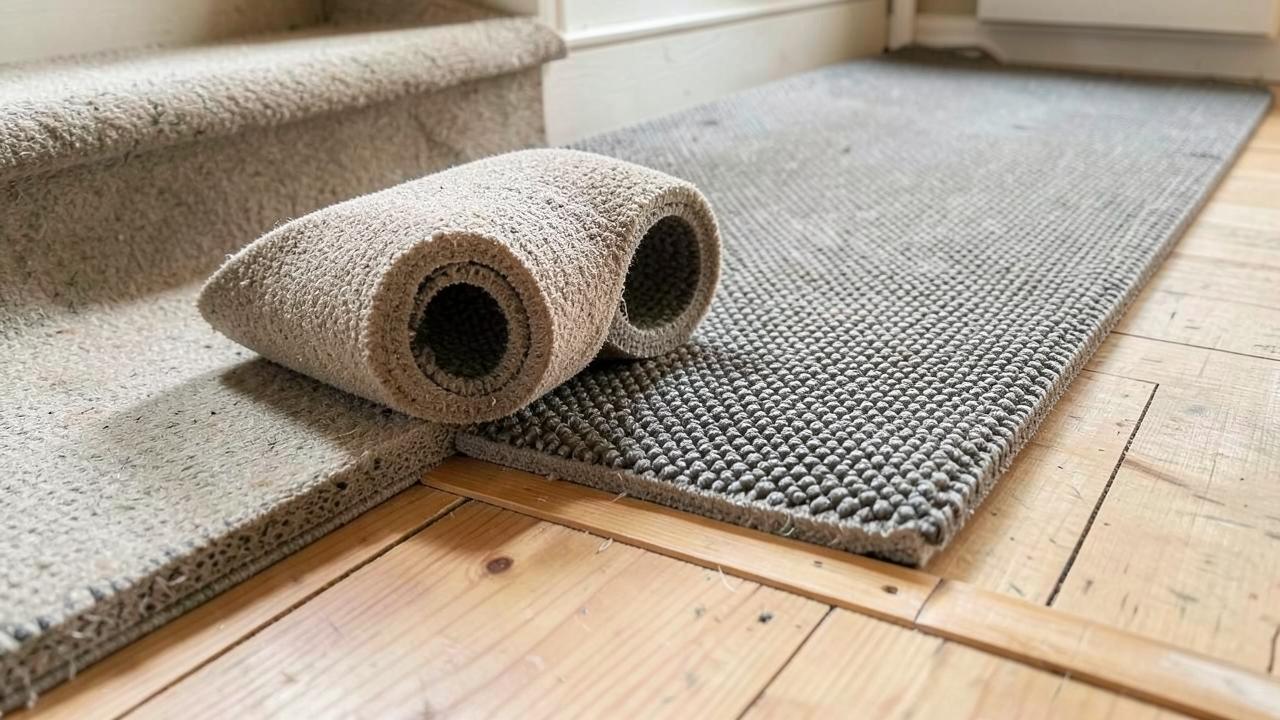
When considering transitioning from stairs to a landing, one must account for the specific architectural context of the British home. Staircases are not merely functional conduits between floors; they are structural elements that define the flow of light and movement. The installation of a runner requires a meticulous approach to tension and alignment. If the runner is too loose, it poses a safety risk; if too tight, the fibres may prematurely degrade. Expert fitters emphasize the importance of nosing definition, which ensures that each step is clearly visible to the user. Durability is another paramount concern when discussing transitioning from stairs to a landing. High-traffic areas like stairs demand materials that can withstand constant pressure without losing their aesthetic appeal. Wool remains a popular choice due to its natural resilience and soil-repellent properties. However, modern synthetics offer impressive performance in terms of stain resistance and ease of cleaning. The choice between these materials often comes down to a balance of budget, lifestyle, and design preference. Furthermore, the underlay used beneath the runner plays a critical role in sound dampening and comfort. A high-quality pad will absorb the impact of footsteps, extending the life of both the carpet and the timber treads. In older homes, where creaking stairs are common, a well-fitted runner can significantly reduce noise levels, contributing to a more tranquil living environment. Finally, the visual impact of transitioning from stairs to a landing cannot be overlooked. A runner provides an opportunity to introduce colour, pattern, and texture into a hallway. Whether opting for a traditional Victorian stripe or a contemporary minimalist weave, the runner serves as a focal point that ties the interior design together. Careful planning at the measurement stage is the foundation of a successful project, ensuring that the final result is both beautiful and enduring.
Waterfall vs. Hollywood Finishes
When considering finishing the top riser, one must account for the specific architectural context of the British home. Staircases are not merely functional conduits between floors; they are structural elements that define the flow of light and movement. The installation of a runner requires a meticulous approach to tension and alignment. If the runner is too loose, it poses a safety risk; if too tight, the fibres may prematurely degrade. Expert fitters emphasize the importance of nosing definition, which ensures that each step is clearly visible to the user. Durability is another paramount concern when discussing finishing the top riser. High-traffic areas like stairs demand materials that can withstand constant pressure without losing their aesthetic appeal. Wool remains a popular choice due to its natural resilience and soil-repellent properties. However, modern synthetics offer impressive performance in terms of stain resistance and ease of cleaning. The choice between these materials often comes down to a balance of budget, lifestyle, and design preference. Furthermore, the underlay used beneath the runner plays a critical role in sound dampening and comfort. A high-quality pad will absorb the impact of footsteps, extending the life of both the carpet and the timber treads. In older homes, where creaking stairs are common, a well-fitted runner can significantly reduce noise levels, contributing to a more tranquil living environment. Finally, the visual impact of finishing the top riser cannot be overlooked. A runner provides an opportunity to introduce colour, pattern, and texture into a hallway. Whether opting for a traditional Victorian stripe or a contemporary minimalist weave, the runner serves as a focal point that ties the interior design together. Careful planning at the measurement stage is the foundation of a successful project, ensuring that the final result is both beautiful and enduring.
Matching Underlay Thickness
When considering padding continuity, one must account for the specific architectural context of the British home. Staircases are not merely functional conduits between floors; they are structural elements that define the flow of light and movement. The installation of a runner requires a meticulous approach to tension and alignment. If the runner is too loose, it poses a safety risk; if too tight, the fibres may prematurely degrade. Expert fitters emphasize the importance of nosing definition, which ensures that each step is clearly visible to the user. Durability is another paramount concern when discussing padding continuity. High-traffic areas like stairs demand materials that can withstand constant pressure without losing their aesthetic appeal. Wool remains a popular choice due to its natural resilience and soil-repellent properties. However, modern synthetics offer impressive performance in terms of stain resistance and ease of cleaning. The choice between these materials often comes down to a balance of budget, lifestyle, and design preference. Furthermore, the underlay used beneath the runner plays a critical role in sound dampening and comfort. A high-quality pad will absorb the impact of footsteps, extending the life of both the carpet and the timber treads. In older homes, where creaking stairs are common, a well-fitted runner can significantly reduce noise levels, contributing to a more tranquil living environment. Finally, the visual impact of padding continuity cannot be overlooked. A runner provides an opportunity to introduce colour, pattern, and texture into a hallway. Whether opting for a traditional Victorian stripe or a contemporary minimalist weave, the runner serves as a focal point that ties the interior design together. Careful planning at the measurement stage is the foundation of a successful project, ensuring that the final result is both beautiful and enduring.
Securing the Top Nosing
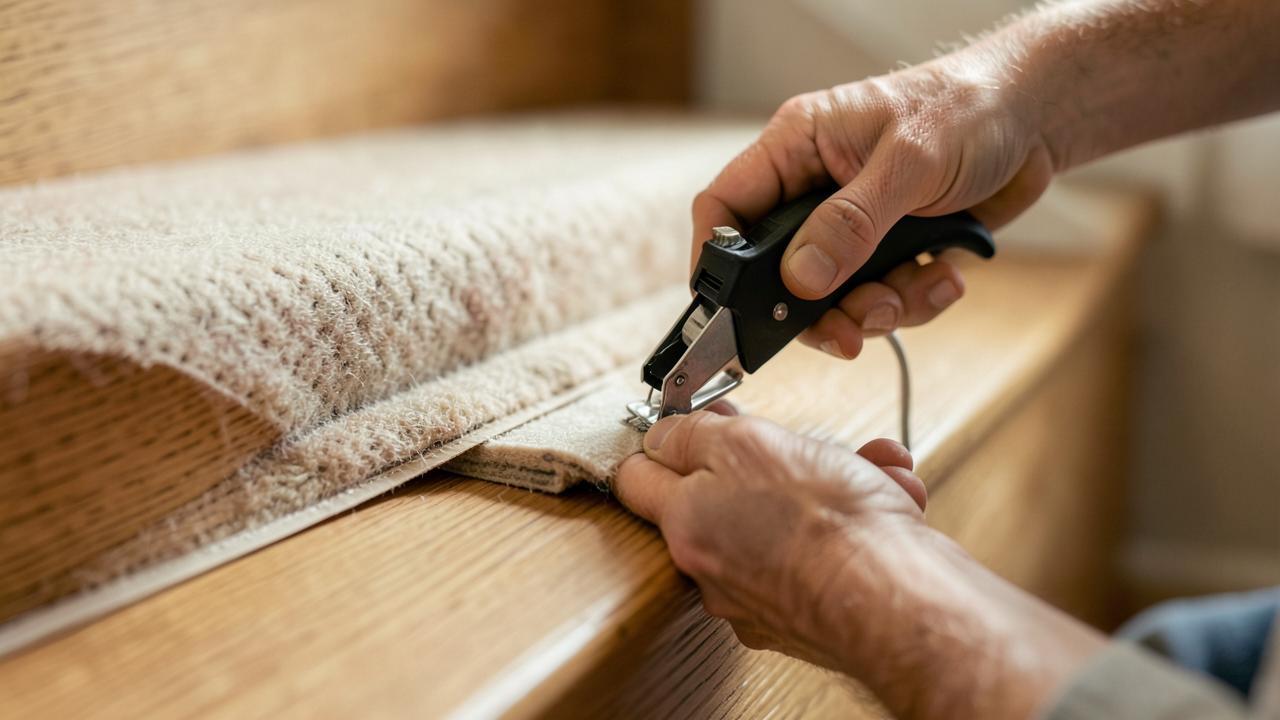
When considering fastening the runner at the top, one must account for the specific architectural context of the British home. Staircases are not merely functional conduits between floors; they are structural elements that define the flow of light and movement. The installation of a runner requires a meticulous approach to tension and alignment. If the runner is too loose, it poses a safety risk; if too tight, the fibres may prematurely degrade. Expert fitters emphasize the importance of nosing definition, which ensures that each step is clearly visible to the user. Durability is another paramount concern when discussing fastening the runner at the top. High-traffic areas like stairs demand materials that can withstand constant pressure without losing their aesthetic appeal. Wool remains a popular choice due to its natural resilience and soil-repellent properties. However, modern synthetics offer impressive performance in terms of stain resistance and ease of cleaning. The choice between these materials often comes down to a balance of budget, lifestyle, and design preference. Furthermore, the underlay used beneath the runner plays a critical role in sound dampening and comfort. A high-quality pad will absorb the impact of footsteps, extending the life of both the carpet and the timber treads. In older homes, where creaking stairs are common, a well-fitted runner can significantly reduce noise levels, contributing to a more tranquil living environment. Finally, the visual impact of fastening the runner at the top cannot be overlooked. A runner provides an opportunity to introduce colour, pattern, and texture into a hallway. Whether opting for a traditional Victorian stripe or a contemporary minimalist weave, the runner serves as a focal point that ties the interior design together. Careful planning at the measurement stage is the foundation of a successful project, ensuring that the final result is both beautiful and enduring.
Pattern Alignment at the Junction
When considering visual flow at the top, one must account for the specific architectural context of the British home. Staircases are not merely functional conduits between floors; they are structural elements that define the flow of light and movement. The installation of a runner requires a meticulous approach to tension and alignment. If the runner is too loose, it poses a safety risk; if too tight, the fibres may prematurely degrade. Expert fitters emphasize the importance of nosing definition, which ensures that each step is clearly visible to the user. Durability is another paramount concern when discussing visual flow at the top. High-traffic areas like stairs demand materials that can withstand constant pressure without losing their aesthetic appeal. Wool remains a popular choice due to its natural resilience and soil-repellent properties. However, modern synthetics offer impressive performance in terms of stain resistance and ease of cleaning. The choice between these materials often comes down to a balance of budget, lifestyle, and design preference. Furthermore, the underlay used beneath the runner plays a critical role in sound dampening and comfort. A high-quality pad will absorb the impact of footsteps, extending the life of both the carpet and the timber treads. In older homes, where creaking stairs are common, a well-fitted runner can significantly reduce noise levels, contributing to a more tranquil living environment. Finally, the visual impact of visual flow at the top cannot be overlooked. A runner provides an opportunity to introduce colour, pattern, and texture into a hallway. Whether opting for a traditional Victorian stripe or a contemporary minimalist weave, the runner serves as a focal point that ties the interior design together. Careful planning at the measurement stage is the foundation of a successful project, ensuring that the final result is both beautiful and enduring.
Dealing with Different Floor Levels
When considering floor height variations, one must account for the specific architectural context of the British home. Staircases are not merely functional conduits between floors; they are structural elements that define the flow of light and movement. The installation of a runner requires a meticulous approach to tension and alignment. If the runner is too loose, it poses a safety risk; if too tight, the fibres may prematurely degrade. Expert fitters emphasize the importance of nosing definition, which ensures that each step is clearly visible to the user. Durability is another paramount concern when discussing floor height variations. High-traffic areas like stairs demand materials that can withstand constant pressure without losing their aesthetic appeal. Wool remains a popular choice due to its natural resilience and soil-repellent properties. However, modern synthetics offer impressive performance in terms of stain resistance and ease of cleaning. The choice between these materials often comes down to a balance of budget, lifestyle, and design preference. Furthermore, the underlay used beneath the runner plays a critical role in sound dampening and comfort. A high-quality pad will absorb the impact of footsteps, extending the life of both the carpet and the timber treads. In older homes, where creaking stairs are common, a well-fitted runner can significantly reduce noise levels, contributing to a more tranquil living environment. Finally, the visual impact of floor height variations cannot be overlooked. A runner provides an opportunity to introduce colour, pattern, and texture into a hallway. Whether opting for a traditional Victorian stripe or a contemporary minimalist weave, the runner serves as a focal point that ties the interior design together. Careful planning at the measurement stage is the foundation of a successful project, ensuring that the final result is both beautiful and enduring.
The Role of Gripper at the Top
When considering tack strips on the landing edge, one must account for the specific architectural context of the British home. Staircases are not merely functional conduits between floors; they are structural elements that define the flow of light and movement. The installation of a runner requires a meticulous approach to tension and alignment. If the runner is too loose, it poses a safety risk; if too tight, the fibres may prematurely degrade. Expert fitters emphasize the importance of nosing definition, which ensures that each step is clearly visible to the user. Durability is another paramount concern when discussing tack strips on the landing edge. High-traffic areas like stairs demand materials that can withstand constant pressure without losing their aesthetic appeal. Wool remains a popular choice due to its natural resilience and soil-repellent properties. However, modern synthetics offer impressive performance in terms of stain resistance and ease of cleaning. The choice between these materials often comes down to a balance of budget, lifestyle, and design preference. Furthermore, the underlay used beneath the runner plays a critical role in sound dampening and comfort. A high-quality pad will absorb the impact of footsteps, extending the life of both the carpet and the timber treads. In older homes, where creaking stairs are common, a well-fitted runner can significantly reduce noise levels, contributing to a more tranquil living environment. Finally, the visual impact of tack strips on the landing edge cannot be overlooked. A runner provides an opportunity to introduce colour, pattern, and texture into a hallway. Whether opting for a traditional Victorian stripe or a contemporary minimalist weave, the runner serves as a focal point that ties the interior design together. Careful planning at the measurement stage is the foundation of a successful project, ensuring that the final result is both beautiful and enduring.
Wear Patterns at the Transition
When considering traffic intensity at thresholds, one must account for the specific architectural context of the British home. Staircases are not merely functional conduits between floors; they are structural elements that define the flow of light and movement. The installation of a runner requires a meticulous approach to tension and alignment. If the runner is too loose, it poses a safety risk; if too tight, the fibres may prematurely degrade. Expert fitters emphasize the importance of nosing definition, which ensures that each step is clearly visible to the user. Durability is another paramount concern when discussing traffic intensity at thresholds. High-traffic areas like stairs demand materials that can withstand constant pressure without losing their aesthetic appeal. Wool remains a popular choice due to its natural resilience and soil-repellent properties. However, modern synthetics offer impressive performance in terms of stain resistance and ease of cleaning. The choice between these materials often comes down to a balance of budget, lifestyle, and design preference. Furthermore, the underlay used beneath the runner plays a critical role in sound dampening and comfort. A high-quality pad will absorb the impact of footsteps, extending the life of both the carpet and the timber treads. In older homes, where creaking stairs are common, a well-fitted runner can significantly reduce noise levels, contributing to a more tranquil living environment. Finally, the visual impact of traffic intensity at thresholds cannot be overlooked. A runner provides an opportunity to introduce colour, pattern, and texture into a hallway. Whether opting for a traditional Victorian stripe or a contemporary minimalist weave, the runner serves as a focal point that ties the interior design together. Careful planning at the measurement stage is the foundation of a successful project, ensuring that the final result is both beautiful and enduring.
Maintenance of the Junction Point
When considering cleaning the transition area, one must account for the specific architectural context of the British home. Staircases are not merely functional conduits between floors; they are structural elements that define the flow of light and movement. The installation of a runner requires a meticulous approach to tension and alignment. If the runner is too loose, it poses a safety risk; if too tight, the fibres may prematurely degrade. Expert fitters emphasize the importance of nosing definition, which ensures that each step is clearly visible to the user. Durability is another paramount concern when discussing cleaning the transition area. High-traffic areas like stairs demand materials that can withstand constant pressure without losing their aesthetic appeal. Wool remains a popular choice due to its natural resilience and soil-repellent properties. However, modern synthetics offer impressive performance in terms of stain resistance and ease of cleaning. The choice between these materials often comes down to a balance of budget, lifestyle, and design preference. Furthermore, the underlay used beneath the runner plays a critical role in sound dampening and comfort. A high-quality pad will absorb the impact of footsteps, extending the life of both the carpet and the timber treads. In older homes, where creaking stairs are common, a well-fitted runner can significantly reduce noise levels, contributing to a more tranquil living environment. Finally, the visual impact of cleaning the transition area cannot be overlooked. A runner provides an opportunity to introduce colour, pattern, and texture into a hallway. Whether opting for a traditional Victorian stripe or a contemporary minimalist weave, the runner serves as a focal point that ties the interior design together. Careful planning at the measurement stage is the foundation of a successful project, ensuring that the final result is both beautiful and enduring.
Professional Fitting Techniques
When considering expert installation methods, one must account for the specific architectural context of the British home. Staircases are not merely functional conduits between floors; they are structural elements that define the flow of light and movement. The installation of a runner requires a meticulous approach to tension and alignment. If the runner is too loose, it poses a safety risk; if too tight, the fibres may prematurely degrade. Expert fitters emphasize the importance of nosing definition, which ensures that each step is clearly visible to the user. Durability is another paramount concern when discussing expert installation methods. High-traffic areas like stairs demand materials that can withstand constant pressure without losing their aesthetic appeal. Wool remains a popular choice due to its natural resilience and soil-repellent properties. However, modern synthetics offer impressive performance in terms of stain resistance and ease of cleaning. The choice between these materials often comes down to a balance of budget, lifestyle, and design preference. Furthermore, the underlay used beneath the runner plays a critical role in sound dampening and comfort. A high-quality pad will absorb the impact of footsteps, extending the life of both the carpet and the timber treads. In older homes, where creaking stairs are common, a well-fitted runner can significantly reduce noise levels, contributing to a more tranquil living environment. Finally, the visual impact of expert installation methods cannot be overlooked. A runner provides an opportunity to introduce colour, pattern, and texture into a hallway. Whether opting for a traditional Victorian stripe or a contemporary minimalist weave, the runner serves as a focal point that ties the interior design together. Careful planning at the measurement stage is the foundation of a successful project, ensuring that the final result is both beautiful and enduring.
| Factor | Details | Importance |
|---|---|---|
| Material Choice | Ensuring continuity between flight and landing | High |
| Fixing Method | Securing the runner at the transition point | Critical |
| Safety | Trip hazard mitigation at thresholds | Essential |
For more details, see our guide on stair runner installation.
Proper cushioning is also vital, as detailed in our guide to stair runner underlay.
Maintaining the appearance of your stairs is easy with the right stair runner cleaning routine.
Before you begin, make sure you know how to measure for a stair runner.
Frequently asked questions
- How do I stop the runner from moving at the top?
- The runner should be secured with a double row of gripper at the top riser and reinforced with staples or specialized adhesive if necessary.
- Should the runner match the landing carpet?
- While not essential, matching the material and underlay provides a more cohesive look and prevents height differences.
- What is the best way to finish a waterfall runner?
- Bring the runner over the top nosing and secure it into the crotch of the landing riser, ensuring it is perfectly level.
- Can I use a transition strip?
- Yes, a metal or timber threshold strip can hide the junction between different materials and provide a clean finish.
- Does the pile direction matter?
- Absolutely. The pile should always run down the stairs to prevent premature wear and ensure a smooth feel underfoot.