Colour Guide
The comprehensive guide to brown stair runners
Brown is the ultimate colour of stability, comfort, and practicality. A brown stair runner offers a grounded, organic feel that harmonises perfectly with natural materials like wood and stone.
Written by the StairRunner.co editorial team · Updated 4 September 2026
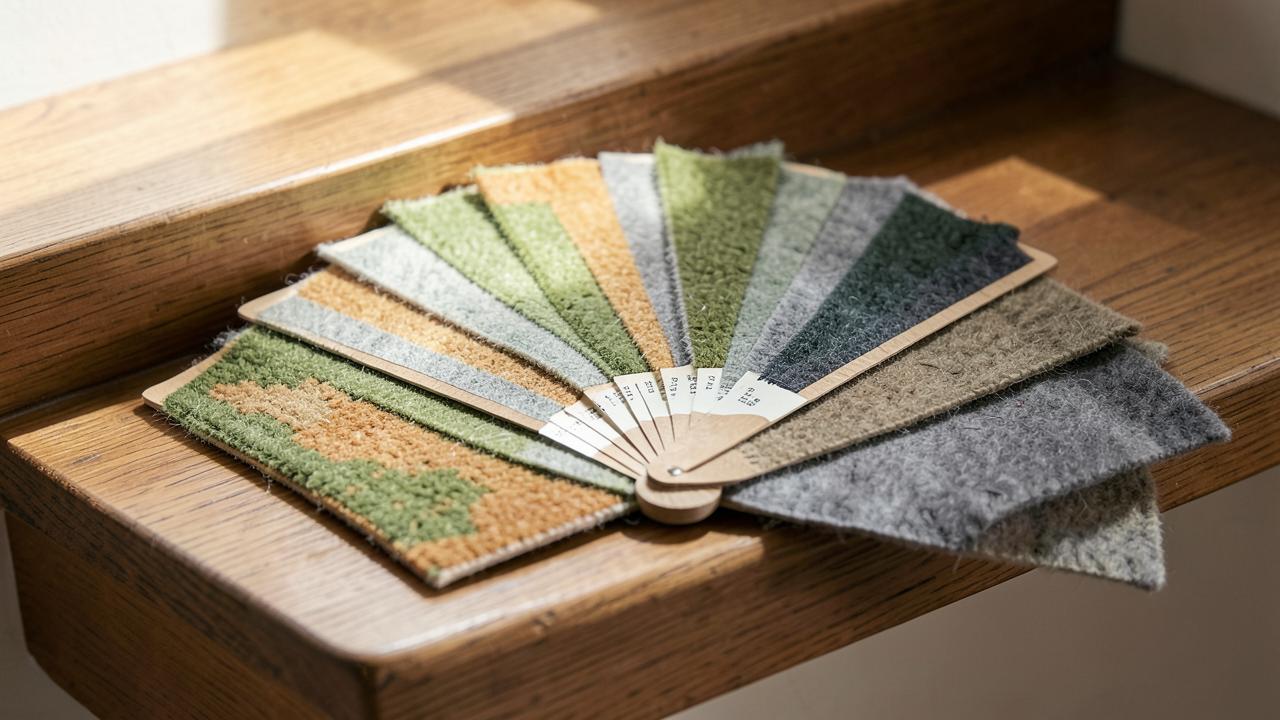
The case for brown: Why it's the ultimate 'Safe' choice
In the world of interior design, brown is often unfairly maligned as 'dull.' However, in a high-traffic area like a staircase, brown is a champion. It is the colour of the earth, and as such, it is naturally predisposed to hiding the very things that make a carpet look old: mud, dust, and the general grime of daily life.
Beyond its practicality, brown is a warm, "enveloping" colour. It creates a sense of security and homeliness. On a staircase, which can often feel like a draughty, utilitarian space, a brown runner adds a layer of literal and visual warmth. It anchors the flight, providing a solid, dependable path from one floor to the next.
Modern brown runners are a far cry from the 'sludge' tones of the 1970s. Today's palette includes sophisticated taupes, rich espressos, and warm, golden-brown camels. These shades are designed to work with contemporary interiors, providing a neutral base that allows other design elements—like artwork or architectural details—to shine.
Navigating the brown spectrum: From Chocolate to Taupe
The range of browns available is vast, and selecting the right one depends on your desired atmosphere and the light levels in your hallway.
Rich Chocolate and Espresso
These are deep, dark, and luxurious. A chocolate brown runner in a high-quality wool pile looks incredibly expensive. It provides a sharp contrast against white-painted stairs and adds a sense of "weight" to a large hallway. However, very dark browns can show light-coloured pet hair and lint, so they require regular vacuuming to stay looking crisp.
Mocha and Mid-Browns
These are the most practical shades in the family. They are dark enough to hide soil but light enough that they don't dominate a small space. Mocha has a slightly "cooler" feel, often with a hint of grey, making it a great choice for modern homes with a neutral palette.
Taupe and Greige
Taupe is a sophisticated mix of brown and grey. It is the darling of modern interior designers because it is so versatile. It works with both warm and cool colour schemes. A taupe runner feels light and airy but is significantly more practical than a beige or cream one. It's an excellent choice for a contemporary renovation.
| Shade | Visual Weight | Best Light Condition | Maintenance Level |
|---|---|---|---|
| Espresso | Heavy / Grounded | Bright Hallways | Moderate (shows lint) |
| Mocha | Balanced | Any | Low (very practical) |
| Taupe | Light / Airy | Low Light | Low-Moderate |
| Tan | Warm / Energetic | Natural Light | Moderate |
Light behaviour: Warm vs Cool Browns
The way a brown runner looks on your stairs will be heavily influenced by its undertones and your lighting.
Warm Browns: These have red, orange, or yellow undertones (e.g., camel, terracotta-brown, mahogany). They thrive in spaces that need a bit of a "lift." They pair beautifully with warm-white bulbs and natural oak timber.
Cool Browns: These have grey or blue undertones (e.g., taupe, mushroom, ash-brown). They are perfect for modern homes with a "stony" or minimalist aesthetic. In a north-facing hallway with cool light, a cool brown can look a little flat, so it's important to use warm accent lighting to keep the space feeling welcoming.
Always view your brown samples at different times of the day. A rich chocolate that looks deep and inviting in the morning sun might look like a "black hole" in the evening under a dim bulb.
Pairing brown with timber and paint
Brown is the natural partner for wood, but you must be careful not to make the staircase look like a monolithic block of one colour.
The Rule of Contrast
If you have dark, stained wood stairs, avoid a dark brown runner. The two will blend together, and you'll lose the architectural definition of the stairs. Instead, choose a lighter taupe or a mid-brown with a light border. If you have light oak or painted white stairs, a dark brown runner will look fantastic, providing a clean, graphic line that guides the eye up the flight.
Paint Pairings
Brown runners look best against a neutral backdrop. A warm off-white or a very pale "greige" on the walls will allow the brown to stand out without competing. For a more sophisticated look, you can use a pale teal or a muted sage green on the walls—colours that are found alongside brown in nature.
Fibre Choice: Natural vs Synthetic Browns
How the brown colour is held within the fibre changes the final look.
- Sisal and Coir: These are naturally brown. A sisal runner has a beautiful, organic variation in tone that no synthetic can match. It is incredibly tough and perfect for a "boot room" style entrance. See sisal runners.
- Wool: Wool takes brown dye exceptionally well. A wool runner will have a deep, matte finish that feels luxurious underfoot. Wool's natural oils also help to repel stains, making a brown wool runner almost indestructible. Check our wool guide.
- Polypropylene: Excellent for high-spill households. A brown synthetic runner can be cleaned with a dilute bleach solution if necessary, and it won't fade. Learn about polypropylene options.
Safety and the Nosing
One of the biggest risks with a dark brown runner is stair safety. In a poorly lit hallway, a dark runner on dark stairs can hide the edge of the step. To mitigate this:
- Use a border: A cream or light tan border at the edge of the runner provides a clear visual signal of where the step ends.
- Upgrade your lighting: Ensure you have light hitting the nosings from above.
- Choose a pattern: A herringbone or striped pattern provides visual "data" that helps the brain judge depth.
For more, see safety considerations.
Maintenance and Long-term Care
Brown is the most forgiving colour, but it still needs care.
- Vacuuming: Even though you can't see the dirt, it's there. Grit acts like sandpaper on carpet fibres. Vacuum twice a week.
- Spills: Blot immediately. Brown carpet is great at hiding stains, but if you leave a spill to dry, it can still damage the fibres or the underlay.
- Pile Crush: In the traffic lane, the pile will eventually flatten. A wool runner can be "revived" with a professional steam clean. See cleaning tips.
Summary
A brown stair runner is a masterclass in practical elegance. It is the workhorse of the hallway, offering unparalleled durability and dirt-hiding capabilities while providing a warm, grounded aesthetic. By choosing the right shade and texture, and ensuring adequate contrast for safety, you can create a staircase that is both beautiful and incredibly easy to live with.
Frequently asked questions
- Is a brown stair runner boring?
- Not at all. Brown is a 'sophisticated neutral' that provides an excellent foundation for other colours. By playing with texture (like a deep chocolate loop) or pattern (like a mocha herringbone), you can create a rich, high-end look.
- How does brown hide dirt?
- Brown is arguably the most practical colour for a high-traffic staircase. It masks mud, coffee stains, and general 'grey' soil better than any other colour. Mid-to-dark browns are the ultimate low-maintenance choice.
- What wall colours work with brown?
- Warm whites, creams, and pale teals work beautifully. For a modern look, pair a cool taupe runner with soft grey walls. For a traditional feel, use warm beige or even a soft terracotta.
- Does a dark brown runner make a hallway look small?
- It can if the hallway is narrow and dark. To avoid this, use a brown runner with a lighter border, or ensure the walls are a pale, light-reflecting colour to provide contrast.
- Which timber pairs best with brown?
- Brown runners look excellent with light oak, as the contrast is clear. They also work with dark walnut for a 'seamless' look. Avoid pairing a very similar brown runner with brown-stained stairs, as it can lack definition.
- Does brown carpet attract more dust?
- No, it doesn't attract more dust, but dark brown can show light-coloured dust (like skin cells or lint) more clearly than a mid-tone. However, it is much better at hiding 'real' dirt like mud and soil than almost any other colour.
- Is a brown runner suitable for a minimalist home?
- Absolutely. A cool-toned taupe or 'ash' brown runner provides a soft, neutral base that fits perfectly with a minimalist aesthetic, offering warmth and texture without the clinical feel of pure grey or white.
Related guides
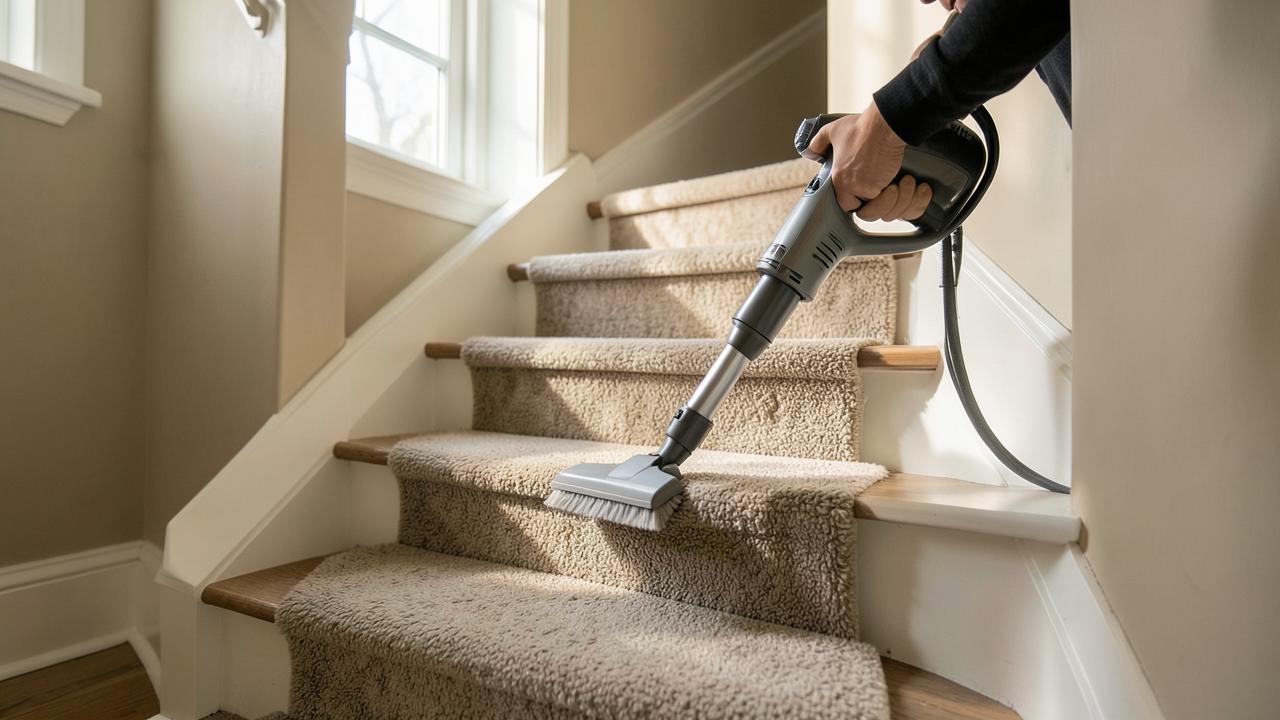 CareCleaning and Caring for a Stair RunnerRoutine vacuuming, spill response by fibre type, slipping and fraying, and when to call a professional.
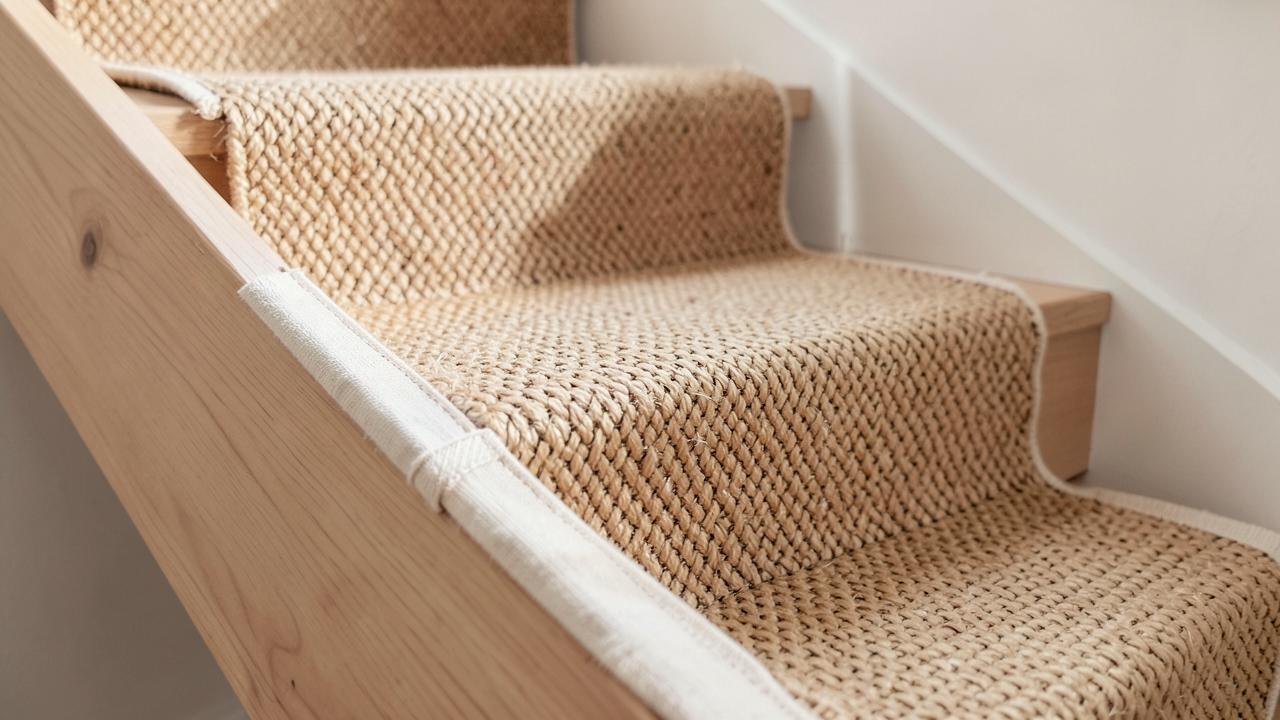 MaterialsSisal and Jute Stair RunnersNatural plant-fibre runners on stairs: durability, texture, moisture behaviour, borders and honest limitations.
- DesignChoosing a Stair Runner ColourHow light, adjacent flooring, trim colour, traffic and dirt should drive the colour decision.
Advanced technical considerations for stair performance
Beyond colour and aesthetic, the physical performance of a runner on a staircase is a matter of engineering. The nosing (the edge of the tread) is the highest-wear point of any flight. When specifying a runner, the pile density at the nosing is what determines how long the appearance remains uniform. A high-density, low-profile weave is always superior to a loose, high-pile one, regardless of colour.
Furthermore, the interaction between the runner and the underlay is a critical, often overlooked variable. A dense, firm underlay prevents the carpet from 'ballooning' over the nosing, which not only causes premature wear to the carpet backing but also creates a trip hazard. Always pair your runner with a dedicated stair-specific underlay, never a generic 'room' underlay.
Finally, consider the 'tensile' requirements of a runner. It must be stretched tight enough to remain flat but not so tight that it places undue stress on the staples or rods. The backing material itself—whether jute, action back, or felt—will determine how well the runner retains its tension over the life of the installation. A synthetic backing generally offers better stability than a natural jute backing, which can be sensitive to humidity changes.
By focusing on these technical layers—the subfloor preparation, the nosing durability, and the tensioning strategy—you ensure the runner is not just a visual choice but a long-term architectural investment in the home.
The organic appeal: Brown as a connection to nature
In an increasingly digital and urbanised world, designers are using brown to bring a sense of the 'outdoors in.' A brown stair runner, especially in natural fibres like sisal, jute, or undyed wool, acts as an organic anchor for the home. It mimics the tones of the forest floor or a ploughed field, creating a subconscious sense of peace and stability. This is particularly effective in homes with a lot of indoor plants or large windows looking out onto a garden. The brown runner bridges the gap between the natural world outside and the structured interior of the house, making the transition feel seamless and grounded.
Thermal benefits of dark-toned runners
While we usually think of carpets in terms of aesthetics, they also serve a functional role in home insulation. Darker colours like chocolate and espresso brown absorb and retain heat better than lighter shades. In a draughty British hallway, a thick, brown wool runner can act as a thermal battery, helping to keep the temperature more stable. This is especially true if paired with a high-quality thermal underlay. By choosing a dark brown runner, you are not just making a style choice; you are contributing to the energy efficiency of your home, reducing the heat loss through the staircase—a notorious 'chimney' for escaping warmth.
Brown and the 'Quiet Luxury' movement
The 'Quiet Luxury' or 'Old Money' aesthetic relies heavily on a palette of sophisticated browns. Unlike bold colours that scream for attention, a rich taupe or mocha runner speaks of quality and understated elegance. It is about the texture and the material rather than the flashiness of the hue. In a hallway, a brown runner suggests a homeowner who is confident enough not to need bright colours to make a statement. It is a look that is timeless, expensive-looking, and incredibly easy to live with, as it never goes out of fashion and only looks better as it develops a slight, lived-in patina over the years.
Technically specifying for 'High Impact' zones
The bottom three steps of any staircase are the 'high impact' zone—this is where people land most heavily and where they often turn. On a brown runner, these areas can eventually show 'tracking' where the pile becomes compressed. To prevent this, professionals suggest specifying a 'twist' pile rather than a 'velvet' pile for brown runners. A twist pile is made of yarns that have been tightly twisted together, making them much more resilient to crushing. This ensures that your mocha or chocolate runner maintains its uniform appearance across the entire flight, even in the busiest part of the house.
Creative bordering: Using brown as a frame
While brown is often used for the main body of a runner, it is also an exceptional choice for a border. A light cream or beige runner with a dark chocolate border is a classic design trick that 'frames' the staircase. It provides the practicality of a dark colour at the edges (where dust often settles) with the light-reflecting benefits of a pale centre. Conversely, a dark brown runner with a tan or 'camel' border can look incredibly sporty and modern, reminiscent of high-end leather goods. Brown is the ultimate 'framing' colour because it is neutral enough to work with anything but strong enough to provide clear definition.