Design Principles
Minimalist stair runners: The art of subtlety and calm
In a world of visual noise, minimalism offers a sanctuary. A minimalist stair runner isn't about the absence of design; it is about the precision of texture, the nuance of tone, and the perfect integration of form and function.
Written by the StairRunner.co editorial team · Updated 4 September 2026
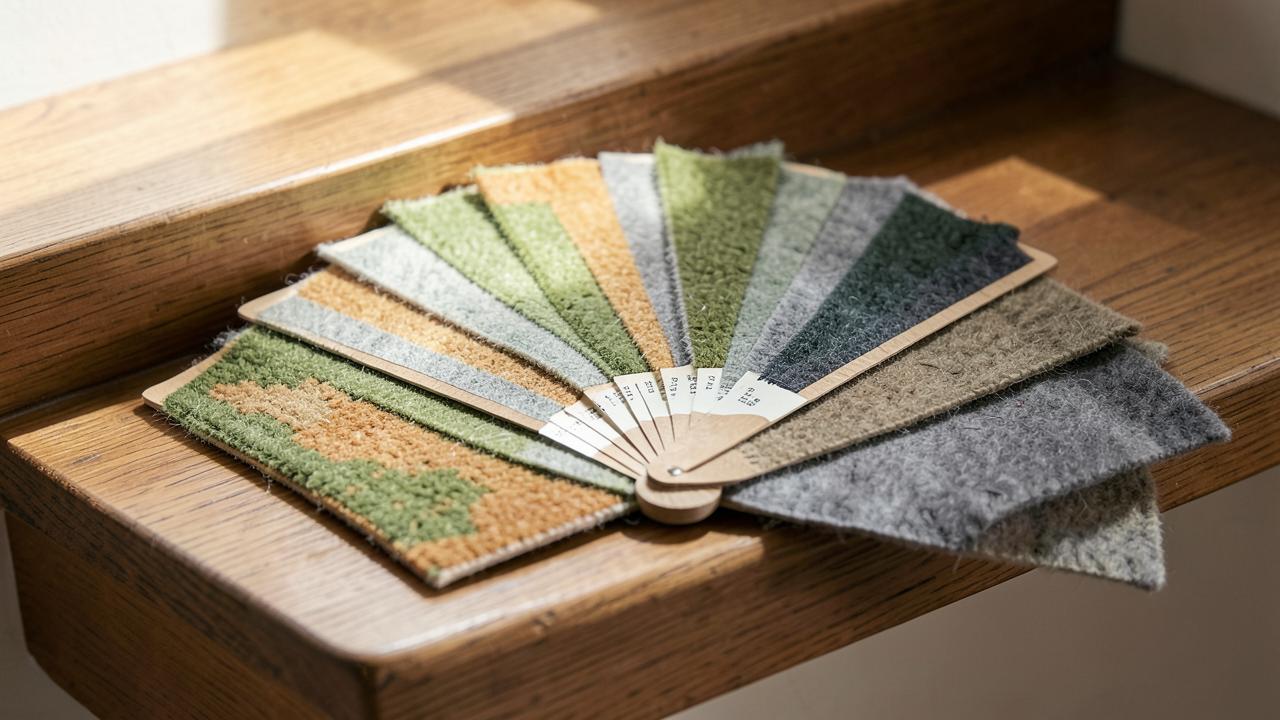
The Minimalist Philosophy on Stairs
Minimalism in interior design is often misunderstood as 'cold' or 'empty'. In reality, it is a celebration of essentialism. When applied to a staircase, the minimalist runner serves to soften the acoustics and improve comfort without disrupting the architectural flow of the home. The goal is to create a seamless transition between floors that feels light, airy, and intentional.
For many, the staircase is a clutter-prone area. A minimalist runner acts as a visual reset, providing a clean vertical plane that anchors the space. By stripping away ornate borders and vibrant patterns, we allow the quality of the materials and the precision of the installation to take centre stage. This approach is particularly effective in modern renovations of older properties, where the clean lines of a new runner can provide a striking contrast to original Victorian or Georgian woodwork.
The minimalist approach also considers the 'negative space'—the parts of the staircase not covered by the runner. The relationship between the carpet and the exposed tread is the core of the design. In a minimalist setting, this gap should be consistent to the millimetre, creating a sense of order and peace that radiates throughout the hallway.
Textural Variation vs Pattern
In the absence of pattern, texture becomes the primary design tool. A minimalist runner relies on the way light hits the weave to create interest. A flat-weave runner with a subtle 'bouclé' or 'basketweave' texture provides enough visual depth to be interesting without feeling busy.
- Flat Weaves: These are the hallmark of minimalist stairs. They offer a very thin profile that wraps tightly around the nosing, creating sharp, architectural lines.
- Low Loops: A dense, low-pile loop carpet provides a more 'cushioned' feel while maintaining a clean look. The 'grid' created by the loops adds a subtle rhythmic element.
- Ribbed Textures: Vertical ribs can accentuate the height of the flight, while horizontal ribs can add a sense of stability and breadth to each step.
- Heathered Yarns: Using yarns that blend two or three very similar neutral tones (like sand and oatmeal) adds a 'natural' feel that is much more forgiving than a single, flat solid colour.
Neutral Palettes and Their Nuances
'Neutral' is a broad category, and choosing the wrong one can make a minimalist space feel 'muddy' or 'clinical'. The secret is understanding undertones. Every beige, grey, or white has a hidden temperature.
| Tone Category | Undertone | Best Architecture Pairing |
|---|---|---|
| Cool Grey | Blue or Purple | Modern concrete, stainless steel, and cool white walls. |
| Warm Greige | Yellow or Green | Natural oak, linen textures, and soft 'stone' paints. |
| Deep Taupe | Red or Brown | Walnut floors, copper accents, and moody, dark hallways. |
| Bone / Ivory | Pure White | Ultra-minimalist 'gallery' style homes with hidden lighting. |
| Slate / Anthracite | Blue or Black | Industrial lofts with exposed brick or metal stairs. |
Hidden Fixings and Invisible Joins
A minimalist runner should look like it is floating or perfectly bonded to the stairs. Visible staples, bulging underlay, or bulky rods are the enemies of the minimalist aesthetic. This is why the installation method is just as important as the carpet itself.
Most minimalist runners are installed using a 'tackless' method with hidden grippers, or are stapled deeply into the 'crotch' (the corner where the riser meets the tread) so that the fixings are invisible. The goal is to have the carpet follow the contour of the stairs as if it were a second skin.
Joining the runner at the landing is another area where minimalism demands precision. An invisible seam, where the pile is perfectly matched and the join is flat, is essential. For more on how to achieve this, visit our stair runner installation guide.
The Role of the Exposed Stair
In minimalist design, the stair itself is part of the runner's 'frame'. The condition of the timber treads and the paint on the risers is critical. If the stairs are scuffed or the paint is peeling, even the most expensive minimalist runner will look unfinished.
Many minimalist installations feature white-painted risers with natural timber treads, which the runner sits atop. This 'sandwich' of materials—white, wood, and neutral fabric—creates a layered look that is sophisticated without being ornate. The width of the runner should be carefully calculated to ensure the 'reveal' of the timber is identical on every single step. Even a 5mm difference will be visible to the discerning eye.
Material Choices: Low Profile and Density
Minimalism favours materials that 'perform' without shouting. Wool remains a top choice for its natural matte finish and excellent durability. However, the *type* of wool carpet is different for a minimalist home. You want a high-density, low-pile weave.
Synthetic options, particularly those made from recycled plastics or high-grade nylons, can also work well if they mimic the look of natural fibres. The key is to avoid anything with a high 'sheen'. Minimalism usually leans towards matte finishes, which feel more grounded and authentic. You can compare natural and synthetic options in wool vs synthetic stair runners.
Sound Dampening in Minimalist Homes
Minimalist homes often feature hard surfaces: polished concrete, timber floors, large glass panes. These can create an 'echo chamber' effect. The stair runner is one of the few opportunities to introduce soft materials that absorb sound.
Even a thin, low-profile minimalist runner will significantly reduce the 'clatter' of footsteps moving between floors. To maximise this without adding bulk, use a high-density, thin rubber underlay. This provides the acoustic benefit without lifting the carpet too far off the step, maintaining that sleek minimalist silhouette. Learn more about sound and comfort in stair runner underlay.
Lighting for Subtlety
Lighting in a minimalist hallway should be integrated. Instead of a large, decorative pendant, consider recessed LED strips under the nosing of each step, or low-level wall 'washers' that cast a soft glow across the runner's texture.
This 'grazing' light is the best way to highlight the texture of a minimalist weave. It creates subtle shadows in the loops or ribs of the carpet, adding a sense of luxury and depth that doesn't rely on colour. It also makes the stairs safer by clearly defining the edge of each step without the need for high-contrast borders.
Maintaining a Pristine Look
Minimalism is high-maintenance in one specific way: it shows neglect. A single stain on a perfectly plain, sand-coloured runner will draw the eye immediately.
- Immediate Action: Because minimalist runners are often pale and plain, you must blot spills the second they happen. A stain-protection treatment applied at the factory is highly recommended.
- Vacuuming: Use a vacuum with strong suction but be careful with brush bars on delicate flat-weaves, as they can cause 'fuzzing'.
- Shoes Off: The most effective way to maintain a minimalist runner is a strict shoes-off policy. Mud and grit are the enemies of the neutral palette.
For a full maintenance schedule, see cleaning and caring for a stair runner.
Integration with Modern Architecture
Minimalist runners are the perfect companion for modern architectural features like 'floating' stairs or cantilevered treads. In these cases, the runner might wrap around the entire tread (a 'wraparound' fit) rather than just sitting on the top and face. This reinforces the sculptural quality of the staircase.
If your staircase has a glass balustrade, the runner becomes the primary source of colour and warmth in the vertical plane. A soft, warm-grey runner can 'humanise' a space that might otherwise feel too industrial or clinical. It acts as a bridge between the hard architectural elements and the lived-in reality of the home.
The Psychology of Calm Transitions
There is a psychological benefit to minimalist design. As you move from the busy, active areas of the ground floor to the private, quiet areas of the bedrooms, the staircase acts as a 'decompression zone'. A minimalist runner, with its calm colours and soft texture, signals to the brain that you are entering a space of rest.
This is why we often recommend avoiding 'exciting' patterns on the stairs if the goal of the home is relaxation. A simple, beautifully executed runner in a natural tone provides a sense of continuity and peace that sets the tone for the entire upper floor.
Edge Treatments for a Clean Look
How the runner ends is just as important as how it begins. In minimalism, the 'whipped' or 'overlocked' edge—where yarn is wrapped around the edge of the carpet—is often preferred because it can be matched exactly to the colour of the runner, making the edge almost invisible.
Alternatively, a 'blind-bound' edge, where a narrow fabric border is sewn on so that only a tiny fraction is visible, provides a very clean, sharp finish. Avoid wide, contrasting cotton tapes if you want to maintain a strictly minimalist aesthetic, as these create a 'frame' that can look too decorative.
Underlay for Minimalist Installations
The choice of underlay is hidden but vital. For a minimalist runner, you want to avoid 'loft'—you don't want the carpet to feel like a sponge. A firm, high-density 6mm or 8mm underlay is usually sufficient. It provides enough comfort to feel premium underfoot but remains thin enough that the runner doesn't look 'puffy' at the edges.
Specialist 'flat-weave' underlays are also available, which are designed to prevent the carpet from stretching or 'rucking' over time—a common problem with thin, minimalist materials on stairs. By choosing the right foundation, you ensure that the clean, sharp lines of your minimalist design remain sharp for years to come.
The Environmental Impact of Choice
Many minimalist homeowners are also interested in sustainability. Minimalism naturally aligns with the 'buy less, buy better' ethos. A high-quality wool runner, produced ethically and designed to last twenty years, is a much more sustainable choice than a trend-driven synthetic that will be replaced in five. Look for certifications like 'Cradle to Cradle' or 'OEKO-TEX' when specifying your minimalist materials to ensure your home's calm aesthetic is matched by a calm conscience.
Frequently asked questions
- What is the best material for a minimalist stair runner?
- Low-profile wool loops or flat-weave synthetics are ideal. They provide a clean, architectural line without the 'shaggy' look of traditional carpets, maintaining the sleek silhouette required for minimalist design.
- How do I choose the right shade of neutral?
- Look at the 'undertones' of your walls. If your walls are a cool grey, choose a runner with blue or silver undertones. For warmer 'greige' or off-white walls, look for oatmeal or sand tones to ensure a cohesive look.
- Are stair rods used in minimalist design?
- Usually not. Minimalism prioritises 'hidden' fixings. Most minimalist runners are stapled or glued invisibly. However, if rods are used, they are typically very simple, square-profile bars in matte black or brushed steel.
- Can a minimalist runner be durable?
- Yes. Because minimalist designs often use low-profile, dense weaves (like flat-weaves), they are actually less prone to matting and crushing than deep-pile carpets, making them very durable for high-traffic stairs.
- How wide should a minimalist runner be?
- A common minimalist choice is a slightly wider runner than average, leaving only 3-5cm of timber exposed. This creates a more 'integrated' look that feels like part of the floor rather than a separate decorative strip.
- Do minimalist runners show more dirt?
- Pale neutral runners will show mud and spills, but the flat-weave construction typical of the style makes them easier to vacuum and spot-clean than deep-pile alternatives.
Related guides
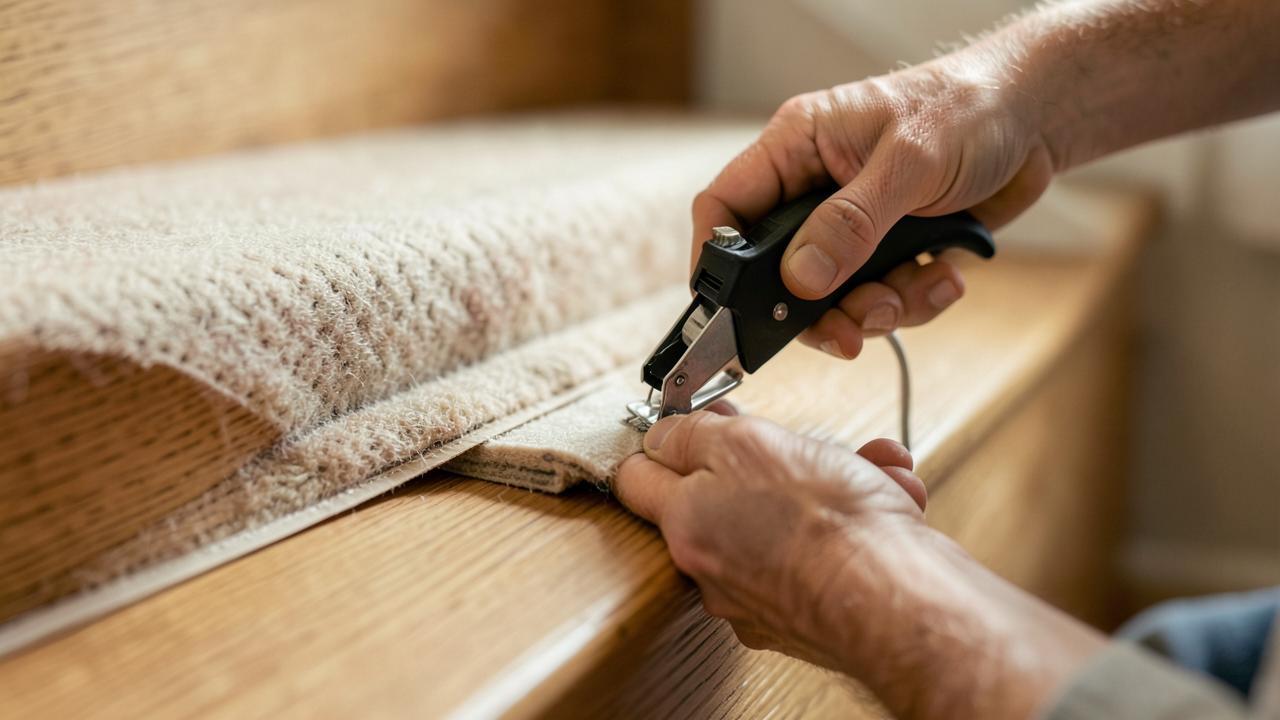 InstallationHow to Install a Stair RunnerWaterfall and Hollywood methods, staples versus rods, tools, sequence and quality checks.
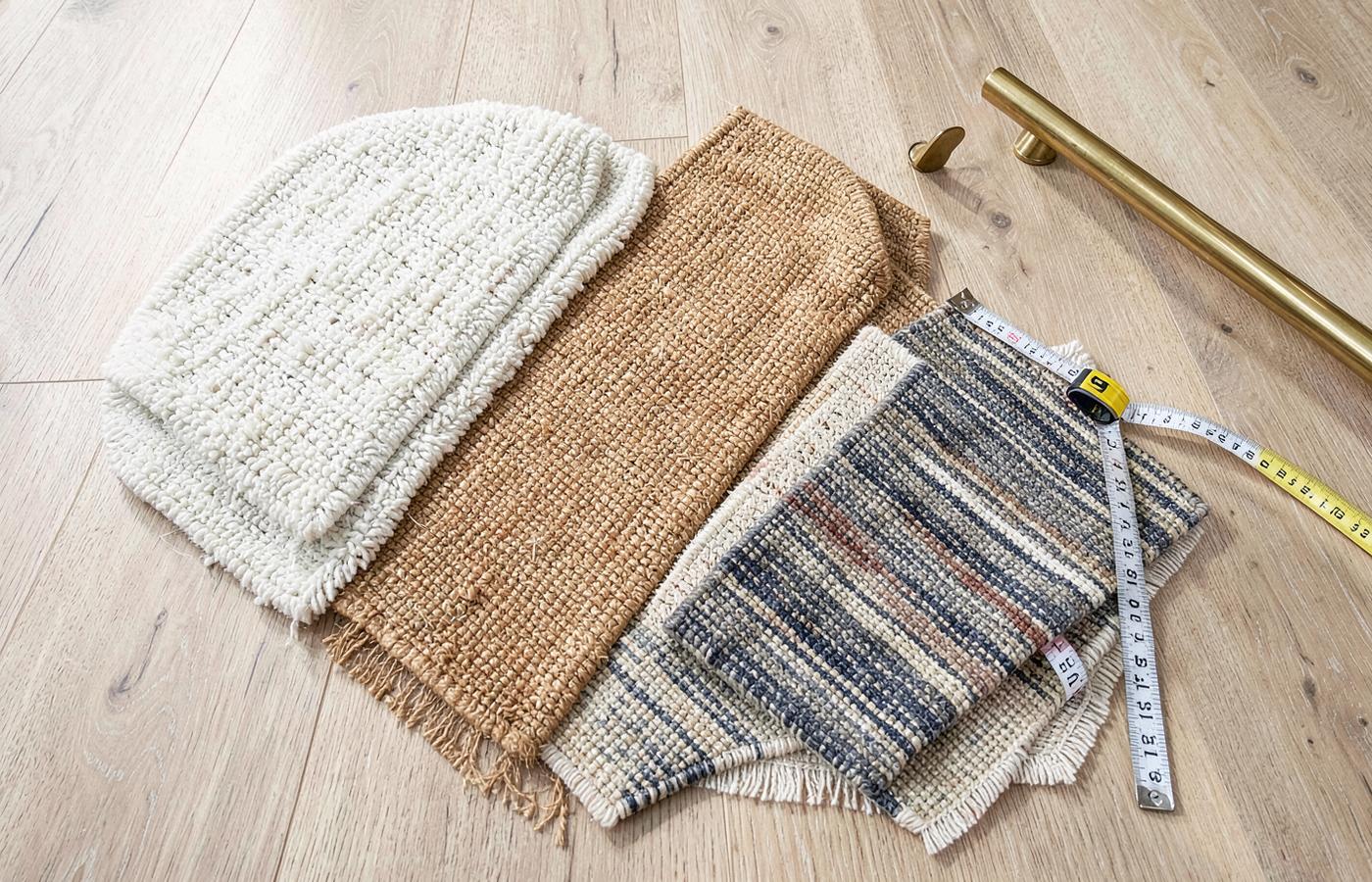 MaterialsStair Runner Materials ComparedWool, nylon, polypropylene, sisal and jute judged on stair-specific wear, comfort, cleaning and safety.
- MaterialsFlat Weave Stair Runner GuideEverything you need to know about flat-weave stair runners. Learn about durability, installation challenges, materials like sisal and wool, and design styles.