Buying
Rental-friendly stair runners: Style without the deposit risk
Renting doesn't mean you have to live with bare, slippery, or unsightly stairs. The challenge is finding the balance between a secure, safe installation and a completely reversible one.
Written by the StairRunner.co editorial team · Updated 4 September 2026
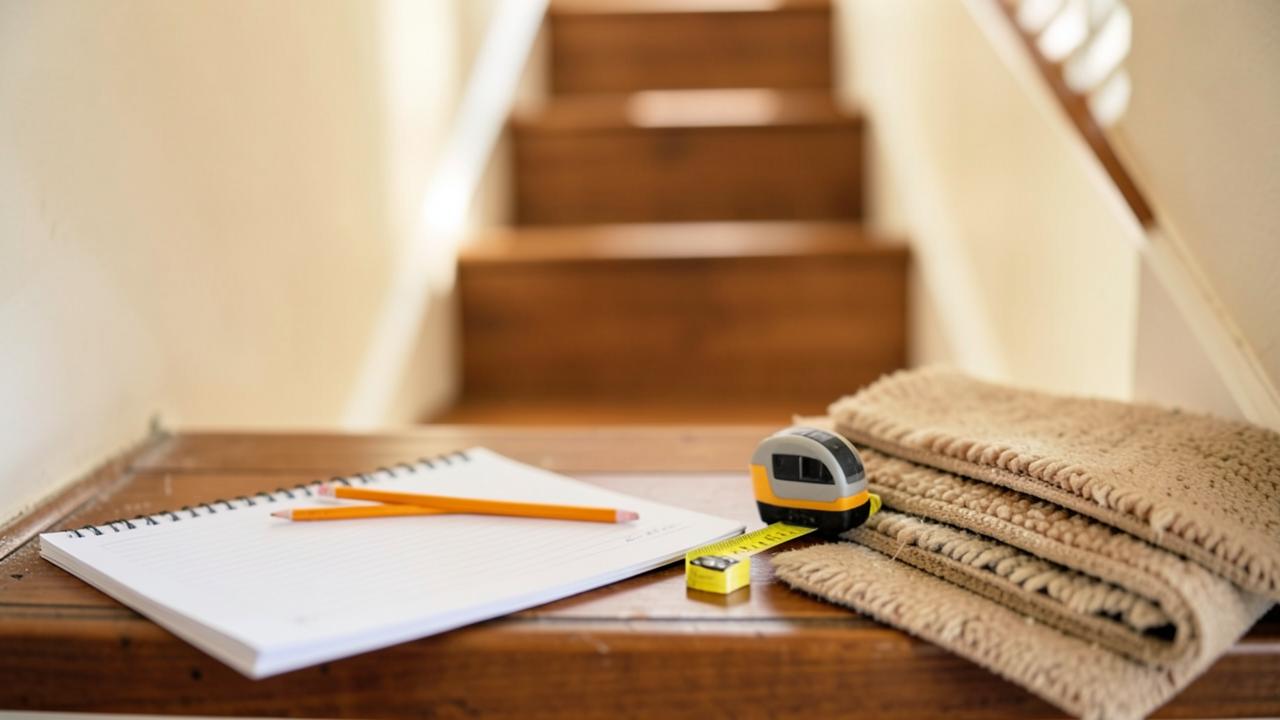
The renter's dilemma: Safety vs. Reversibility
For tenants, the staircase is often a point of frustration. It is a high-traffic area that defines the first impression of a home, yet it is also one of the most difficult areas to modify without causing permanent changes. Traditional installation methods, which we detail in our stair runner installation guide, involve hundreds of staples or nails. For a landlord, these represent 'damage' to the timber. The friction between wanting a home that feels personal and the legal obligation to return the property in its original state is nowhere more apparent than on the stairs.
The goal of a rental-friendly installation is to achieve a look that is indistinguishable from a professional fit, while ensuring that the stairs can be returned to their original state in a single afternoon. This requires a shift in thinking: you aren't just buying a carpet; you are engineering a temporary system. You must consider the chemical interaction between adhesives and old varnish, the physical stress placed on a non-fixed textile, and the long-term impact of UV light on the areas of wood that remain exposed.
Three methods for temporary stair coverings
| Method | Pros | Cons | Deposit Risk |
|---|---|---|---|
| Removable Tape + Underlay | Looks like a real runner; very secure if done right. | Removal can be tedious; residue possible. | Low/Medium |
| Individual Stair Treads | Easiest to fit and remove; very affordable. | Does not cover the risers; different aesthetic. | Very Low |
| Tension/Friction Only | Zero chemicals or fixings used on the wood. | Prone to movement; significant safety risk. | Zero |
Negotiating with your landlord: The Professional Approach
Before you reach for the tape, consider asking for permission. Many landlords are actually open to stair runners because they protect the property. A bare wooden staircase is prone to scuffs from shoes, scratches from pet claws, and the general 'dulling' of the finish in the high-traffic center. Over a three-year tenancy, the cost of refinishing the stairs might be higher than the cost of allowing a runner.
When you ask, be specific. Don't just ask "can I put down a carpet?". Instead, frame it as a maintenance and safety upgrade. You might say: "I would like to install a high-quality wool runner to protect the timber and improve safety for my family. I will use a professional fitter, and I am happy to leave it in place when I move out, effectively upgrading your property at my expense." If they are still hesitant, offer to have the small staple holes professionally filled and touched up at the end of the tenancy. Often, the prospect of a 'free' upgrade to the property is enough to secure a "yes". For more on costs, see stair runner costs in the UK.
The 'Removable Tape' strategy in Detail
If you are going it alone without permanent fixings, specialized double-sided carpet tape is your primary tool. However, not all tapes are created equal. The heavy-duty tapes found in DIY stores are designed to be permanent. They use a solvent-based adhesive that, over time, literally merges with the varnish of the stairs. This creates a bond that is stronger than the finish itself, leading to disaster during removal.
Look for tapes specifically labeled as 'temporary' or 'removable' for up to 6 months. Since you likely want it to stay longer, the trick is to use a high-quality non-slip underlay (see stair runner underlay) and only use tape at the critical points: the back of the tread and the bottom of the riser. This reduces the total surface area of adhesive in contact with the wood. By minimizing the adhesive footprint, you reduce the 'residue risk' while maintaining the necessary tension to keep the runner flat.
Why stair rods aren't a rental shortcut
A common misconception among renters is that stair rods can be used to 'pin' a runner in place without other fixings. In reality, stair rods are almost entirely decorative in modern installations. They are held in place by brackets that are screwed into the stringers or the treads. Using rods actually requires *more* permanent holes in the wood than staples do. Furthermore, they do not provide enough tension to stop a runner from sliding. If you use them without staples, the carpet will eventually 'bag' between the steps, creating a very dangerous trip hazard. Never rely on rods as your sole method of fixation in a rental.
Selecting materials for temporary use
When you know a runner is temporary, your material choice should reflect that. You want something that is easy to handle, light enough not to strain your adhesive, and won't be ruined if you have to peel it up and reposition it during installation.
- Polypropylene: Excellent for rentals. It's light, durable, and if you get tape residue on the back, it doesn't matter as much as it would on a delicate wool weave. It also tends to be thinner, making it easier to secure with tape. See polypropylene runners.
- Flatweaves: These are easier to secure with tape because they are thin and don't have a thick 'bounce' that wants to pull away from the adhesive. They also look very contemporary.
- Cotton Runners: Often overlooked, but heavy cotton runners can be very flexible and easy to manipulate without heavy tools. They are also usually the most affordable option for a short-term fix.
Individual treads: The safest rental option?
If a full runner feels too risky for your deposit, individual stair treads (also called stair mats) are the logical alternative. These are pre-cut pieces that sit only on the flat part of the step. Because they don't have to wrap around the nosing, there is zero tension trying to pull them off. They rely on a simple non-slip backing or a small amount of mild adhesive.
While they don't provide the 'grand' look of a continuous runner, they solve the two biggest problems: they stop people from slipping and they protect the most high-wear part of the timber. They are also significantly cheaper and can be taken with you when you move, fitting onto almost any other staircase in the future. Check our comparison in stair treads vs runners.
The Psychology of Landlord Approval
Getting a "yes" from a landlord is often about risk management. If you approach them with a vague plan, they will see only the potential for damage. If you approach them with a sample of the material, a spec sheet for the 'removable' tape, and a clear explanation of how you will maintain the wood, you are far more likely to succeed. Explain that the runner will act as a 'sacrificial layer'—absorbing the dirt and grit that would otherwise act like sandpaper on their expensive wood finish. You are not just changing the decor; you are providing a free property protection service.
Installation tips for the DIY renter
If you are fitting a temporary runner yourself, precision is your best friend. A runner that is slightly crooked will put uneven stress on your adhesive or tape, causing it to fail much faster.
- Clean the stairs: Any dust or polish will stop the tape from sticking, leading to a dangerous 'floating' carpet. Use a degreaser if the stairs have been waxed recently.
- Use an underlay: Even in a rental, a thin non-slip underlay is vital. It provides the friction that does 80% of the work in holding the runner still. It also adds a layer of protection between the carpet backing and the wood.
- Work in sections: Don't try to tape the whole flight at once. Do one step, ensure it is perfectly taut and straight, then move to the next. This prevents the runner from 'creeping' out of alignment as you move up.
- Check regularly: Every few weeks, give the runner a firm tug at the edges. If it moves even slightly, you need to refresh the tape or the friction pads. Safety is a continuous process, not a one-time setup.
Removing the runner at the end of the tenancy
When moving day arrives, don't just rip the runner up in a hurry. If you've used tape, the bond will be at its strongest after months of being walked on. The heat from a hair dryer on a medium setting is your best friend here. Gently warm the tape as you peel it back; this softens the adhesive and allows it to release from the wood without taking the varnish with it.
If there is residue left behind, avoid harsh chemicals like white spirit initially, as these can cloud the finish of the wood. Often, 'rolling' the residue with your thumb will turn it into small balls that can be picked off. For stubborn spots, a dedicated citrus-based adhesive remover is usually the safest option for varnished timber. Always clean the area with a mild wood soap afterwards to remove any remaining solvent.
What to do if you cause damage: Restoration Guide
Accidents happen. If you remove your runner and find that the finish has clouded or a few splinters have pulled up, don't panic. Most minor timber damage can be fixed with a 'touch-up' kit. A wax filler stick in the correct wood shade can make staple holes or small scratches virtually invisible. If the varnish has 'lifted' in a small area, a tiny amount of clear top-coat (applied with a fine artist's brush) can seal the wood and prevent further peeling.
If the damage is more extensive—such as a large patch of varnish coming away—it is always better to be honest with the landlord. Offer to pay for a professional touch-up rather than letting them discover it during the final inspection when they are looking for reasons to withhold the deposit. Professional floor restorers can often blend a small patch for a fraction of the cost of a full resand. See how to remove a stair runner for more details.
The Insurance Perspective
Few renters consider their contents insurance when installing a runner. If a visitor trips on a poorly secured 'temporary' runner, who is liable? In most cases, the liability falls on the person who performed the installation. This is why we stress the importance of secure fixing. If you cannot make a tape-based system feel 100% solid, you should not use it. The risk of a personal injury claim far outweighs the aesthetic benefit of a runner. Check with your insurance provider to see if 'DIY improvements' are covered under your liability policy.
Safety warning for non-fixed runners
We cannot emphasize this enough: a runner that is not properly secured is a major hazard. In a rental, where you might be tempted to cut corners to avoid damage, never compromise on the 'grip'. If the runner feels like it has any 'give' or 'slip' when you step on it, it is not safe. The convenience of a temporary solution is never worth the risk of a fall. If you cannot get a runner to stay perfectly still using temporary methods, you must either get permission for a permanent fit or abandon the idea in favor of simple non-slip adhesive strips. A staircase is a high-energy environment; every step exerts hundreds of pounds of shear force on the carpet.
Summary: The Renter's Checklist for Success
- Check the tenancy agreement for clauses on 'floor coverings' or 'alterations'.
- Ask the landlord in writing, emphasizing protection and safety.
- Select a low-profile, lightweight material like polypropylene or a thin flatweave.
- Invest in high-quality 'removable' tape and a non-slip underlay.
- Perform a weekly safety check to ensure no movement has occurred.
- Keep a heat gun or hair dryer handy for a safe removal at the end of the term.
- Document the condition of the stairs with photos before and after installation.
Frequently asked questions
- Can I install a stair runner in a rented property?
- Yes, but you should prioritize non-permanent methods. Unless you have written permission to use staples or nails, look for tension-based systems, specialized 'damage-free' tapes, or individual stair treads. Always check your tenancy agreement before starting.
- Will carpet tape damage the landlord's stairs?
- It can. Many 'heavy-duty' tapes leave a residue that is hard to remove or can pull up the varnish. Use tapes specifically branded as 'removable' or 'low-residue', and test a small patch on the bottom riser first.
- Are stair rods enough to hold a runner in place?
- Standard stair rods are decorative and do not provide enough grip to hold a runner safely on their own. They must be used in conjunction with a primary fixing method like staples or a very high-friction underlay.
- What is the easiest runner to remove?
- Individual self-adhesive stair treads (stair mats) are generally the easiest to remove, as they involve less tension and smaller surface areas of adhesive than a full-length runner.
- How do I get landlord permission for a permanent installation?
- Frame it as a safety and property protection upgrade. A runner protects the timber from scratches and reduces the landlord's liability for slips. Offer to use a professional fitter to ensure no damage occurs during the process.
- What if the stairs are already carpeted in a rental?
- Layering a runner over existing carpet is technically possible but physically difficult to secure. It often creates a trip hazard. It is usually better to live with the existing carpet or ask for it to be replaced.
Related guides
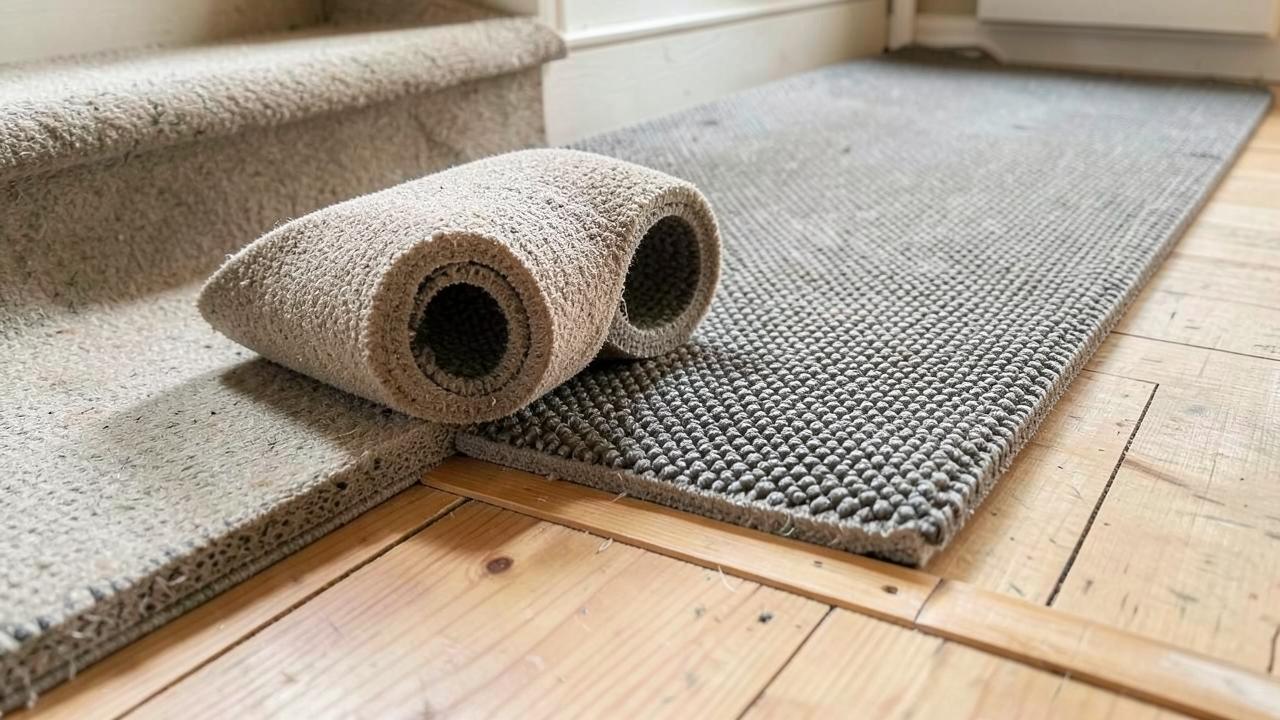 MaterialsStair Runner Underlay and PaddingWhy pad choice matters more on stairs than anywhere else, and how to specify density, thickness and cut.
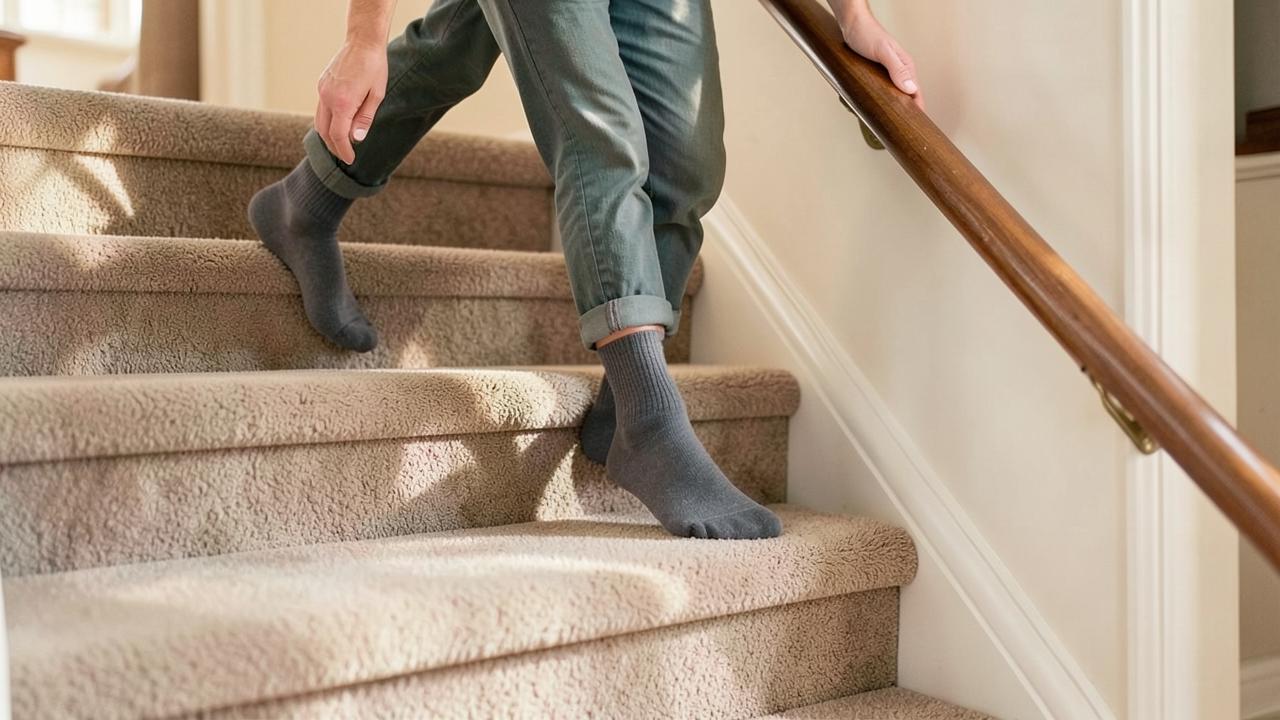 ComparisonsStair Treads vs a Continuous RunnerIndividual carpet treads compared with a single fitted runner on safety, looks, cost and removability.
- InstallationRemoving a Stair RunnerTaking up an old runner without wrecking the treads, including staples, gripper and adhesive.