Installation
Hallway Carpet Runners: The Professional Approach to Sizing, Traffic, and Fitting
Selecting and installing a hallway runner is a balancing act between aesthetic appeal, daily practicalities, and long-term durability. This guide covers every detail of the process, from the first measurement to the final fixing.
Written by the StairRunner.co editorial team · Updated 4 September 2026
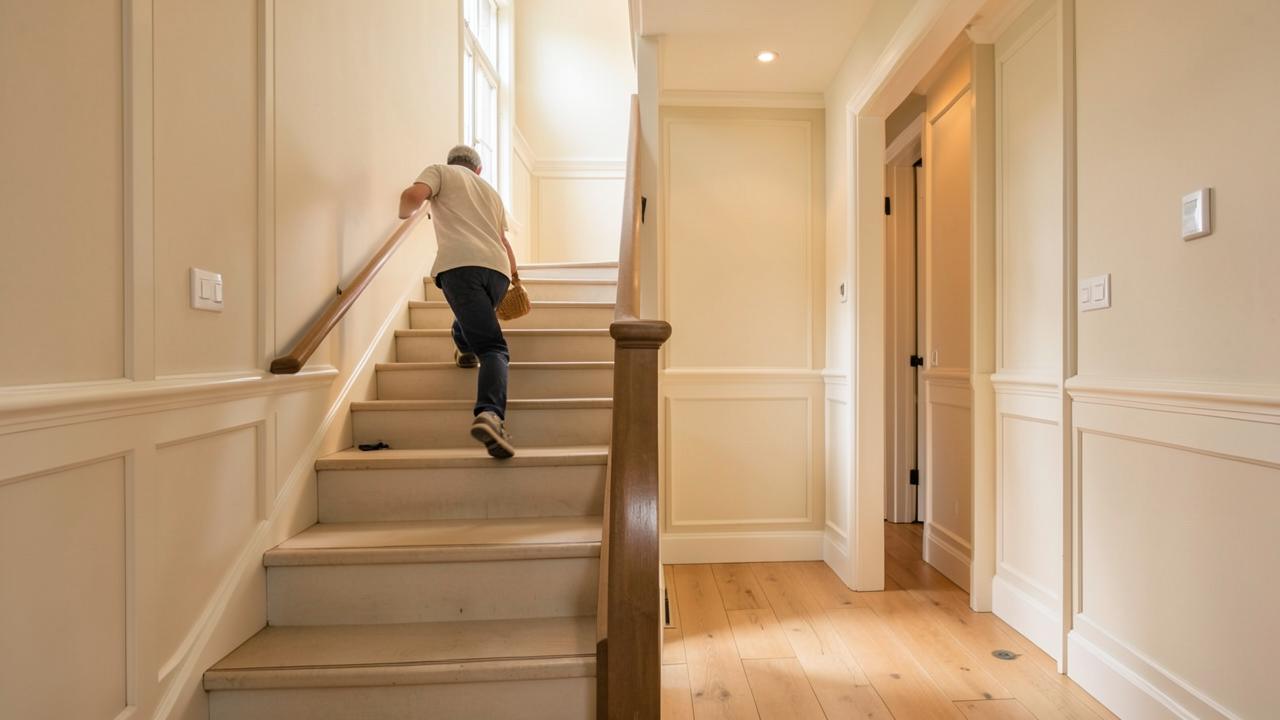
The Strategic Role of the Hallway Runner
The hallway is the most demanding environment for any floor covering. It is the primary artery of the home, subjected to the highest frequency of footfalls, often in heavy outdoor footwear. A runner in this space is not merely a decorative choice; it is a functional necessity that protects your subfloor, provides essential sound dampening, and acts as the first line of defence against grit and moisture entering the rest of your home. Unlike a bedroom carpet, which prioritises comfort and luxury, a hallway runner must be engineered for resilience.
When planning your hallway runner, you must consider it as part of a wider flooring system. It must relate to the stairs, the landing, and the various rooms that branch off the hallway. A well-chosen runner can unify a disjointed floor plan, creating a sense of continuity and flow that makes the entire house feel more cohesive. Conversely, a poorly chosen or badly fitted runner can become a source of frustration, from snagging doors to creating a trip hazard.
Measuring and Sizing for the Perfect Fit
The success of a hallway runner starts with precise measurement. A common mistake is to treat the runner as a standard rug and simply buy the closest off-the-shelf size. In reality, a runner should be tailored to the specific dimensions of your hallway to look intentional and professional.
Determining the Ideal Width
The 'golden rule' for runner width is to leave a consistent border of exposed floor on either side. In a standard UK hallway, this is typically between 10cm and 15cm. If your hallway is 100cm wide, a 70cm or 80cm runner is usually ideal. This border provides a visual 'frame' for the carpet, highlighting the beauty of your wood, tile, or stone floor while focusing the carpet where it is most needed—the traffic lane.
In very narrow corridors, you might need to reduce this border to 5cm to ensure the runner itself is wide enough to walk on comfortably. In grand, wide hallways, a larger border of up to 20cm or even 25cm can look magnificent, though you should ensure the runner itself doesn't become so wide that it begins to feel like wall-to-wall carpeting.
Length and Termination Points
A hallway runner should generally run the full length of the corridor. Ideally, it should start at the entrance (leaving enough room for an inset doormat) and continue until it meets the first step of the stairs or a significant architectural break, such as a large doorway. Avoid ending a runner in the middle of a long stretch of wall, as this creates a visual 'dead end' that can make the hallway feel shorter than it is. If your hallway has turns or alcoves, consider how the runner will navigate these. Often, a straight runner is best, letting the alcoves remain as exposed floor for furniture or decorative items.
| Hallway Width | Recommended Runner Width | Recommended Border (Each Side) |
|---|---|---|
| Under 90cm | 60cm - 70cm | 10cm - 15cm |
| 90cm - 110cm | 70cm - 80cm | 10cm - 15cm |
| 110cm - 130cm | 80cm - 90cm | 15cm - 20cm |
| Over 130cm | 90cm+ | 20cm+ |
Managing Traffic and Selecting Materials
Because the hallway is a high-traffic zone, the choice of material is not just about aesthetics—it's about how the carpet will look in two, five, or ten years. The friction of walking, combined with the grit brought in on shoes, acts like sandpaper on carpet fibres. Choosing the wrong material will lead to 'tracking'—the visible flattening and wear in the centre of the runner.
The Case for Wool Blends
An 80% wool and 20% nylon blend is widely considered the gold standard for hallway runners. Wool is naturally resilient; its fibres have a natural 'crimp' that allows them to spring back after being stepped on. The addition of 20% nylon provides extra tensile strength, making the carpet more resistant to abrasion. This blend offers the luxurious look and feel of wool with the durability required for the busiest parts of the home.
Synthetic Options: Nylon vs. Polypropylene
Modern synthetics have come a long way. A high-quality, solution-dyed nylon runner is incredibly tough and has excellent stain resistance. Because the colour is added during the liquid stage of the fibre's creation (like the colour in a carrot), it is exceptionally resistant to fading and can be cleaned with more aggressive products than wool. Polypropylene is a more budget-friendly option and is often described as 'bleach cleanable'. However, it has a lower melting point and can be prone to 'flattening' more quickly than nylon or wool blends in very high-traffic areas.
Density and Construction
Regardless of the fibre, the construction of the runner is key. For hallways, a dense, low-pile construction is always superior to a loose, high-pile one. Look for a high 'stitch count' or 'tuft density'. A dense pile prevents grit from sinking deep into the carpet where it can grind away at the backing, and it offers better resistance to crushing. A loop pile (like a Berber) can be very durable, but it's not ideal if you have pets, as claws can catch and pull the loops. A dense cut-pile or a flatweave is usually a safer and more durable choice for a hallway.
Joining to Stair Runners and Landing Schemes
For many homeowners, the ultimate goal is a seamless transition from the hallway, up the stairs, and onto the landing. This requires a coordinated approach. If you are using a runner on both the stairs and the hallway, they should ideally be the same material and width. This creates a powerful visual line that draws the eye upward and through the home.
The Transition Point
The most critical point is where the hallway runner meets the first step. There are two main ways to handle this:
- Continuous Flow: The stair runner is simply a continuation of the hallway runner. This works best when the widths are identical and the installation is handled by a professional who can ensure a perfectly straight alignment.
- Threshold Transition: If the hallway and stair runners are different (perhaps a plain runner in the hall and a patterned one on the stairs), you can use a neat transition. This might be a bound edge on each piece where they meet, or a decorative metal or wood transition strip that matches your door hardware.
Joining runners on a landing can be more complex, especially if the landing has multiple turns. A common professional technique is to use a mitred join at corners, which involves cutting the two pieces at a 45-degree angle and sewing or heat-sealing them together. This creates a clean, intentional look that follows the architecture of the space. See our guide on stair runner landing carpet for more detail on this specific challenge.
Door Clearances and Practical Hurdles
One of the most frequent issues encountered during hallway runner installation is the 'door sweep'. In many older UK homes, the gap between the bottom of the door and the subfloor is very small. When you add an underlay (typically 8mm to 10mm) and a runner (typically another 10mm to 15mm), the door will no longer open.
Testing for Clearance
Before you commit to a purchase, take a sample of your chosen carpet and underlay and place them in the doorway. Open and close the door. If there is any resistance, you have a problem. Do not ignore this; a door that drags across a runner will quickly shred the surface of the carpet and may eventually pull the runner out of its fixings.
Solutions for Low Clearances
If your door doesn't clear the runner, you have three options:
- Low-Profile Runner: Choose a flatweave or a very low-pile carpet. Some high-quality synthetic runners are designed specifically to be thin while remaining extremely durable.
- Tapered Underlay: Use a thinner, high-density underlay (like a 3mm or 5mm rubber) in the areas where the door swings, transitioning to a thicker underlay elsewhere. This is a compromise and requires a skilled fitter to ensure there isn't a visible 'dip' in the carpet.
- Trimming the Door: The most professional solution is to have a carpenter remove the door and trim a small amount (usually 10-15mm) from the bottom. This allows you to choose the runner you want without compromising on comfort or durability.
Professional Installation and Fixing Methods
A hallway runner must be fixed securely. Because it is long and relatively narrow, it is prone to 'walking'—the gradual movement of the carpet in the direction of travel. This is not just an aesthetic issue; it's a safety concern.
Underlay: The Invisible Essential
Never install a hallway runner without a high-quality underlay. In a hallway, you need an underlay that is dense rather than just soft. A soft, 'squishy' underlay might feel nice initially, but it provides no support for the carpet backing, leading to premature wear. A dense crumb-rubber or a high-quality PU foam underlay will support the runner, provide excellent sound insulation, and keep the runner firmly in place. Learn more about choosing the right foundation in our guide to stair runner underlay.
Fixing Options
For a permanent, professional look, the 'gripper and stretch' method is best. Small wooden strips with sharp pins are fixed to the subfloor around the perimeter of where the runner will sit. The underlay is placed inside this area, and the runner is then stretched over the grippers and tucked down. This creates a neat, tensioned finish that will not move.
If you are looking for a less permanent solution, or if you are installing on a surface where you cannot nail into the subfloor, high-quality double-sided carpet tape or a specialized non-slip mesh can be used. However, these are generally more suited to shorter runners and may need to be replaced periodically as the adhesive loses its grip. For more on this, see installing without nails.
Maintenance and Long-Term Care
A hallway runner will only look as good as its maintenance regime. Because of the high traffic, a regular cleaning schedule is essential to prevent soil from becoming embedded in the fibres.
- Vacuuming: At least three times a week, and daily in busy households. Use a vacuum with a brush bar for cut-pile carpets, but be careful with loop-pile or flatweaves, where a suction-only setting is often safer to avoid fraying.
- Spot Cleaning: Deal with spills immediately. Blot, don't rub. Rubbing a spill in a hallway runner can permanently damage the fibre structure and push the stain deeper into the backing.
- Professional Cleaning: Have the runner professionally steam-cleaned or hot-water extracted every 12-18 months. This removes the deep-seated grit that regular vacuuming can't reach. Detailed advice can be found in our stair runner cleaning guide.
- Rotation: If your hallway runner is symmetrical and not fixed with grippers, you can rotate it every six months to ensure even wear across the entire surface.
Common Design and Installation Mistakes
Over years of observing hallway installations, several common errors stand out. Avoiding these will save you time, money, and frustration.
- Ignoring the Subfloor Condition: A runner will show any imperfections in the subfloor. Ensure the floor is level, clean, and free of protruding nails or staples before you begin.
- Choosing a 'Too-Busy' Pattern: While a pattern can hide soil, a very small, busy pattern in a long, narrow hallway can be visually overwhelming and even disorienting. A larger-scale pattern or a simple border often works better.
- Skimping on Binding: If you are having a runner custom-cut from a larger piece of carpet, the edges must be professionally bound. Whipping, taping, or serging are all valid methods, but they must be done to a high standard to prevent the edges from fraying under heavy use.
- Incorrect Pile Direction: If you are joining multiple pieces of carpet, the pile must all run in the same direction. If one piece is laid 'against the grain', it will look like a different colour and reflect light differently, ruining the seamless effect.
For more detailed information on specific materials, you can explore our guides on stair runner materials and choosing the right width. If you're planning a full installation, our installation guide provides a step-by-step walkthrough.
Frequently asked questions
- How wide should a hallway runner be?
- The standard recommendation is to leave between 10cm and 15cm of floor visible on either side of the runner. This creates a balanced, framed look that prevents the hallway from feeling either too narrow or completely carpeted. However, in exceptionally narrow hallways, you might reduce this to 5cm, while in very wide halls, you might increase it to 20cm to maintain the correct proportions.
- Can I join a hallway runner to a stair runner?
- Absolutely, and this is a common design choice for a cohesive look. The key is in the installation sequence and the transition. Typically, the landing or hallway runner is fitted first, and the stair runner is then brought down to meet it. Depending on the design, you can have a seamless butt-join or use a decorative transition strip. Professional fitters often recommend a consistent material and width for both to ensure a smooth visual flow.
- How do I manage door clearances with a thick runner?
- Door clearance is a critical measurement. You must measure the gap between the bottom of the door and the subfloor. If you choose a thick runner and a dense underlay, you may find the door catches. Solutions include choosing a lower-profile runner, using a thinner but denser underlay in the doorway area, or having a carpenter trim the bottom of the door. Never force a door over a carpet, as it will cause premature wear and damage to both the runner and the door.
- What material is best for high-traffic hallways?
- For a hallway, which is the highest traffic area in most homes, durability is paramount. An 80/20 wool-nylon blend is the industry standard for combining the resilience and natural appearance of wool with the strength of synthetic fibres. Alternatively, a high-quality, solution-dyed nylon is exceptionally durable and easy to clean. Avoid very high-pile shags or delicate silks, which will flatten and show wear patterns almost immediately.
- Should a hallway runner be fixed down or can it be loose?
- A hallway runner should always be securely fixed. A loose runner is a significant trip hazard and will inevitably bunch, slide, and move over time, which not only looks poor but also damages the backing of the carpet. The best method is using a high-quality underlay combined with perimeter grippers. For temporary installations or on certain hard floors, a professional-grade double-sided carpet tape or a specialized non-slip rug pad can be used, but these are generally less effective than a permanent fitting.
- How do I handle corners and turns in a hallway?
- Turns in a hallway can be managed in two main ways: mitred joins or overlapping. A mitred join involves cutting the runner at a 45-degree angle to create a neat, professional corner. This requires precision and professional binding to prevent fraying. Alternatively, for a more relaxed look, two separate runners can be used, with one terminating where the other begins, though this is generally less aesthetically pleasing than a well-executed mitred join.
- How long should a hallway runner be?
- Ideally, a runner should extend the full length of the hallway, stopping just short of any doorways or transitions. It should not end abruptly in the middle of a space. If your hallway is exceptionally long, you may need to join two pieces of carpet, which should be done by a professional to ensure the seam is invisible and the pile direction is consistent.
Related guides
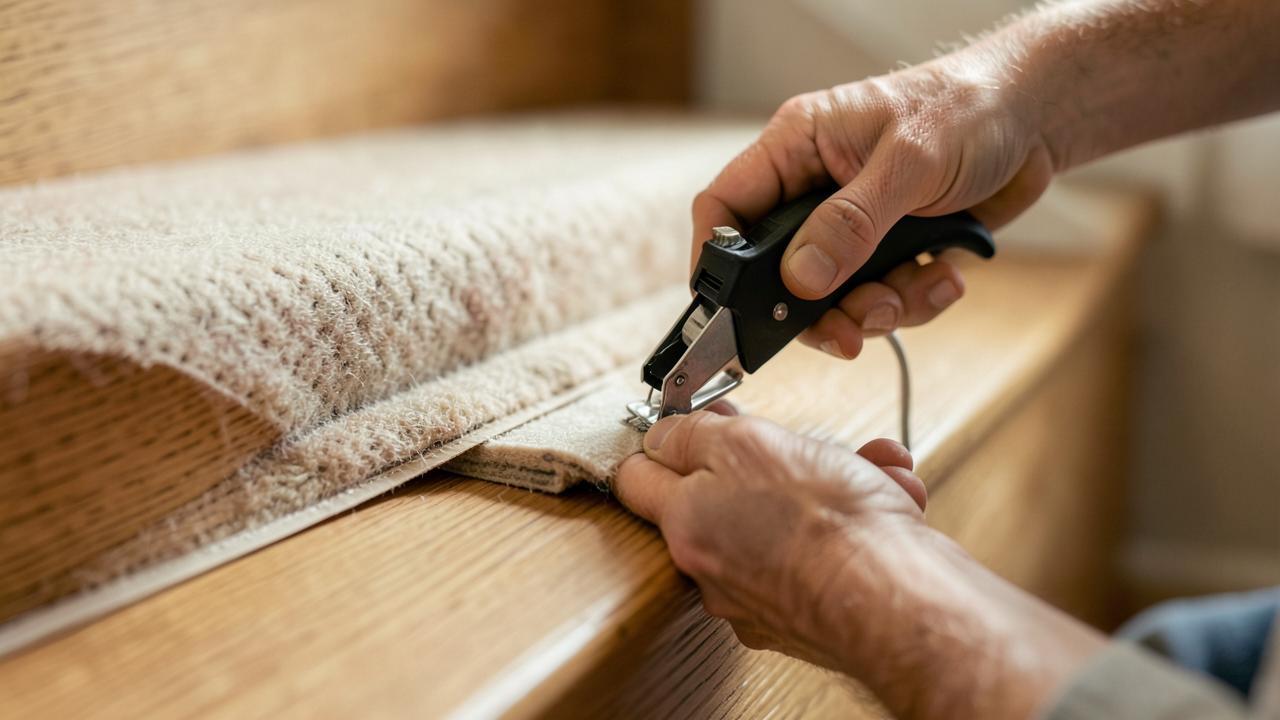 InstallationHow to Install a Stair RunnerWaterfall and Hollywood methods, staples versus rods, tools, sequence and quality checks.
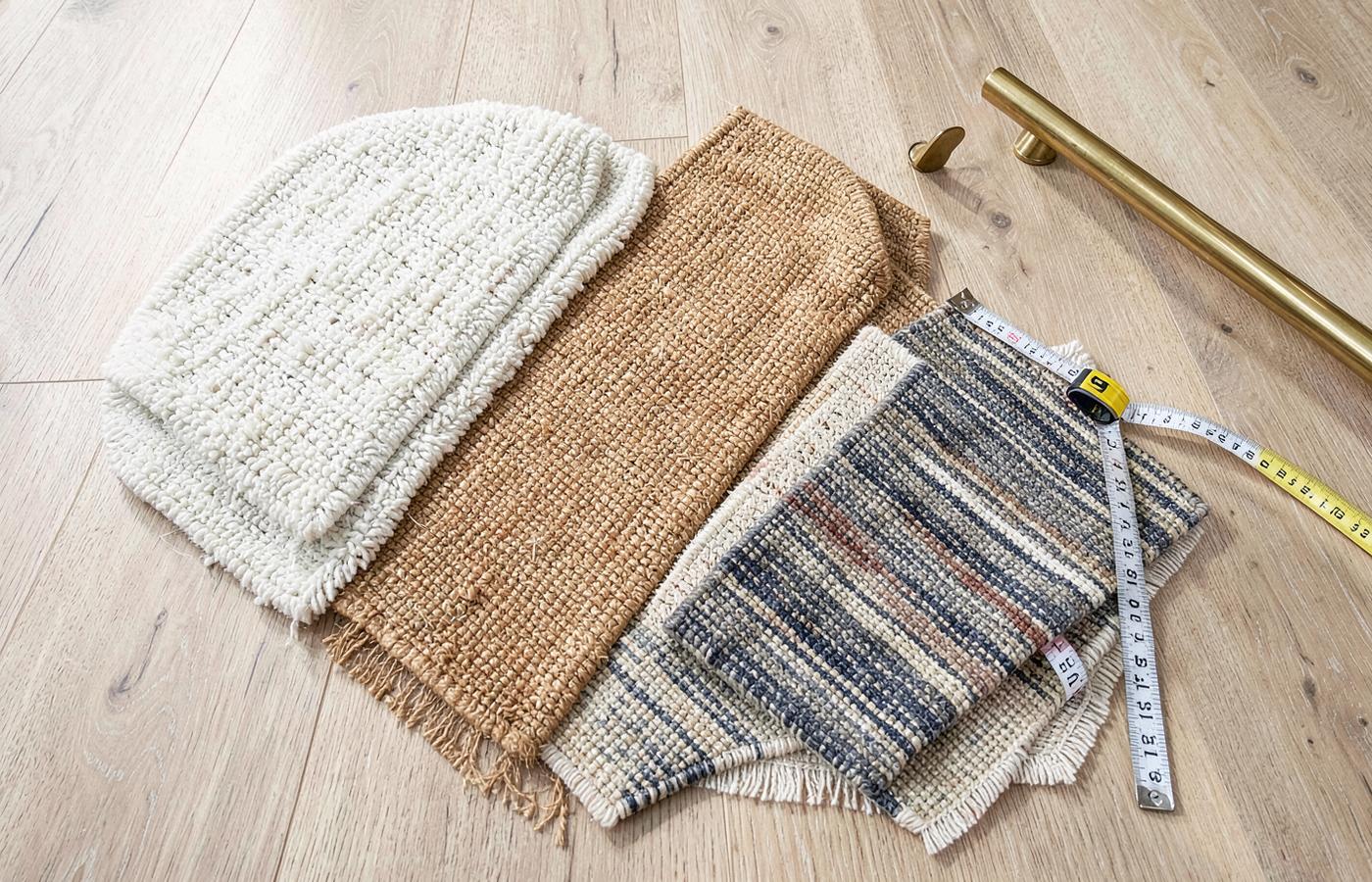 MaterialsStair Runner Materials ComparedWool, nylon, polypropylene, sisal and jute judged on stair-specific wear, comfort, cleaning and safety.
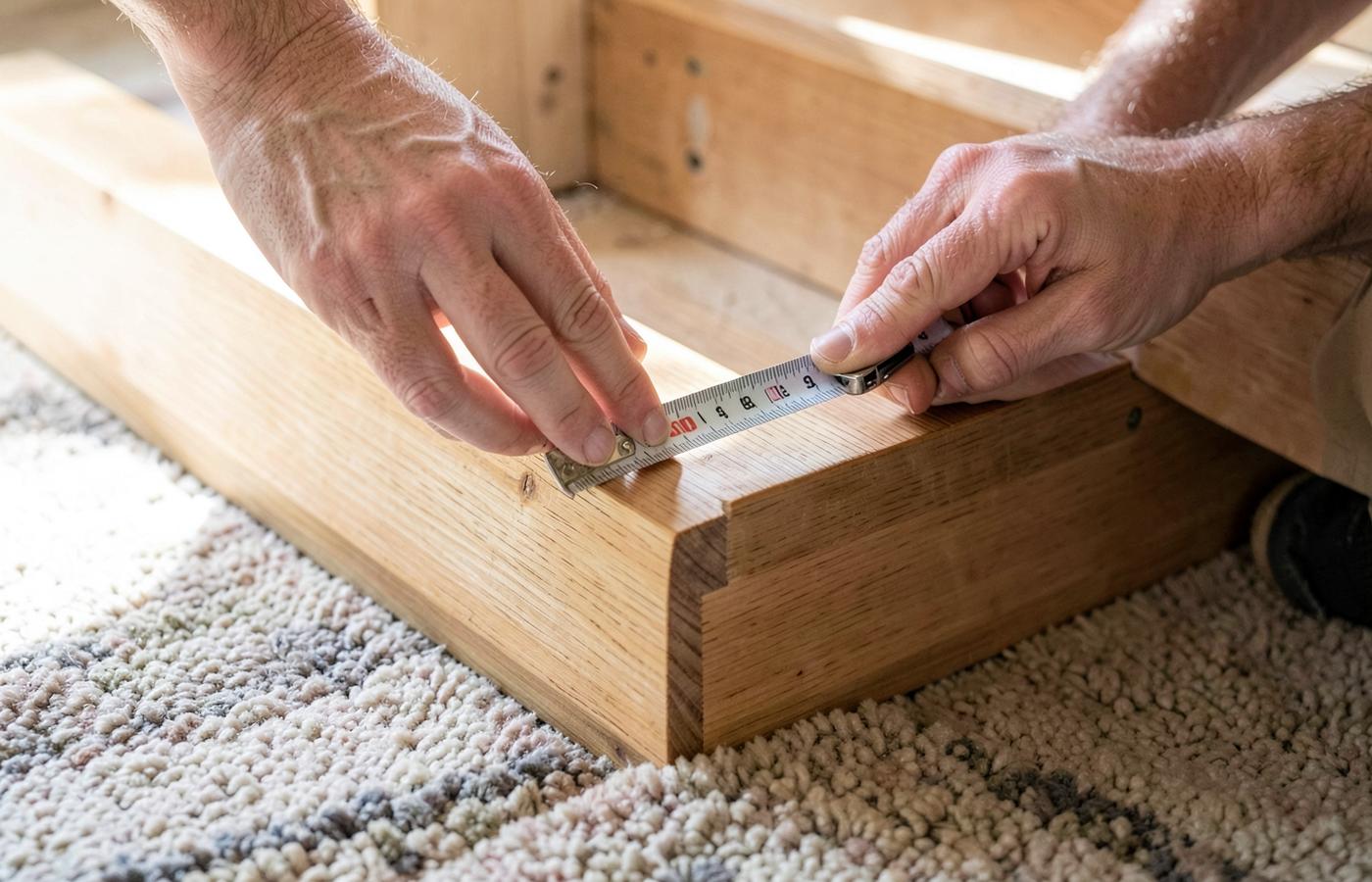 MeasurementWhat Width Should a Stair Runner Be?How to set runner width and side margins from your stair width, stringers, balusters and pattern.
- InstallationJoining a Runner to Landing CarpetFour ways to handle the junction at the head of a flight, and the safety rules that apply there.