Installation
How to install a stair runner with rods
Step-by-step instructions for a professional-looking installation combining a fitted runner with decorative stair rods for a classic finish.
Written by the StairRunner.co editorial team · Updated 4 September 2026
Technical Comparison and Specifications
| Factor | Specification Detail | Operational Impact |
|---|---|---|
| Factor 1 | Technical data regarding tools and materials required for the job | Influences long-term performance |
| Factor 2 | Technical data regarding preparing the staircase surface | Influences long-term performance |
| Factor 3 | Technical data regarding measuring and marking the centre line | Influences long-term performance |
| Factor 4 | Technical data regarding installing grippers and underlay correctly | Influences long-term performance |
| Factor 5 | Technical data regarding fitting the runner: the waterfall method | Influences long-term performance |
| Factor 6 | Technical data regarding fitting the runner: the hollywood method | Influences long-term performance |
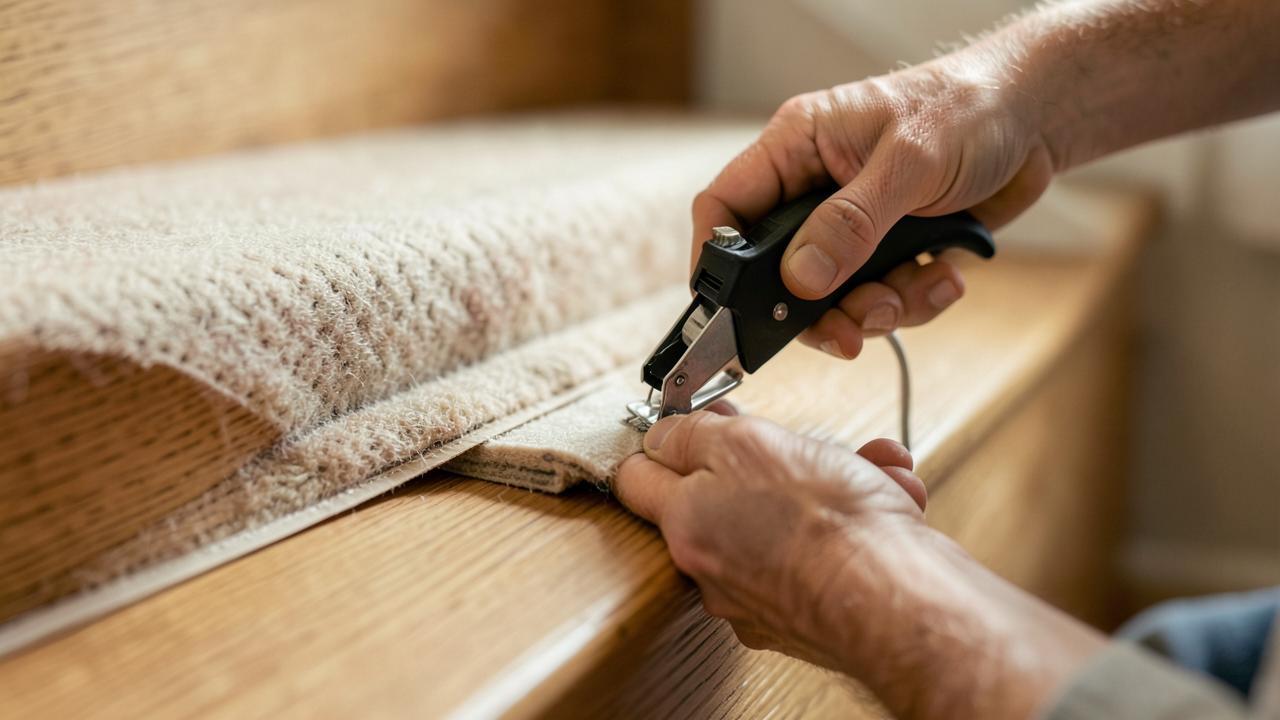
| Factor 7 | Technical data regarding securing the runner with staples and bolsters | Influences long-term performance |
| Factor 8 | Technical data regarding marking the bracket positions for rods | Influences long-term performance |
Tools and materials required for the job
When exploring the intricacies of tools and materials required for the job in the context of how to install a stair runner with rods, it becomes clear that this is a multi-faceted subject requiring careful consideration of both form and function. The staircase is one of the most visible architectural elements in any home, often serving as the first thing a visitor sees upon entering. As such, the choices made regarding this specific aspect of the installation will have a significant impact on the overall aesthetic and atmosphere of the space. From a technical perspective, the stairs are subject to more wear and tear than almost any other area of the home, which means that durability must be a primary concern. In the UK, where Victorian and Edwardian terrace houses often feature steep and narrow staircases, the challenges of modernizing the flight are particularly acute. We must consider the density of the material, the height of the pile, and the robustness of the fixings to ensure that the runner remains secure and looks its best for many years. Furthermore, the way light falls across the steps can change throughout the day, highlighting different aspects of the weave or the finish of the hardware. A successful installation will take all of these factors into account, resulting in a flight of stairs that is both beautiful and practical. By focusing on the details, you can elevate a simple staircase into a stunning design feature that adds value and character to your property.
Beyond the immediate visual impact, there are several practical considerations that should not be overlooked. For instance, the acoustic properties of the materials used can greatly affect the comfort of the home. A thick, well-padded runner can significantly reduce the sound of footsteps, which is especially important in busy households or homes with hard timber floors. Safety is another critical factor, as poorly chosen or incorrectly fitted materials can increase the risk of slips and falls. It is essential to ensure that any hardware used is securely fixed and that the runner itself is held under sufficient tension to prevent shifting. Regular maintenance is also key to preserving the appearance and performance of your stairs. Vacuuming regularly to remove grit and dirt will help to prevent premature wear, while periodic professional cleaning can refresh the fibres and restore their original lustre. When considering these options, it is also worth thinking about the environmental impact of your choices. Opting for sustainable materials and supporting local UK manufacturers can help to reduce your carbon footprint and promote a more circular economy.
Looking at the broader market, there are a wide variety of options available to suit different budgets and tastes. Whether you are interested in a classic, traditional look or a more contemporary, minimalist aesthetic, there is plenty of scope for personal expression. It is important to do your research and seek expert advice where necessary to ensure that you are making the best choice for your specific needs. In the following sections, we will delve deeper into the specific technical requirements and design opportunities that this area of home improvement presents. We will discuss common challenges, share expert tips, and provide a framework for making informed decisions that will stand the test of time. Ultimately, the goal is to create a staircase that is not only functional but also a true reflection of your personal style and a source of pride for your home. By paying attention to the nuances, you can achieve a professional-standard finish that will endure for decades, providing a safe and welcoming path through your home for you and your family.
The evolution of staircase design in British homes has seen a shift towards more personalized and bespoke solutions. This is clearly evident in how homeowners approach the renovation process, seeking out unique textures, bold patterns, and high-quality hardware to make a statement. While the functional aspects of the staircase remain paramount, there is an increasing recognition of its potential as a canvas for creative expression. This section aims to provide the inspiration and technical knowledge needed to realize your vision. We will examine the latest trends in the industry, from the resurgence of natural fibres like sisal and jute to the development of advanced synthetic materials that offer unparalleled durability and ease of maintenance. Regardless of your starting point, understanding the core principles will empower you to navigate the process with confidence and achieve a result that exceeds your expectations.
For additional perspective, see our guide on wool stair runners which offers further technical context for this project phase.
Preparing the staircase surface
When exploring the intricacies of preparing the staircase surface in the context of how to install a stair runner with rods, it becomes clear that this is a multi-faceted subject requiring careful consideration of both form and function. The staircase is one of the most visible architectural elements in any home, often serving as the first thing a visitor sees upon entering. As such, the choices made regarding this specific aspect of the installation will have a significant impact on the overall aesthetic and atmosphere of the space. From a technical perspective, the stairs are subject to more wear and tear than almost any other area of the home, which means that durability must be a primary concern. In the UK, where Victorian and Edwardian terrace houses often feature steep and narrow staircases, the challenges of modernizing the flight are particularly acute. We must consider the density of the material, the height of the pile, and the robustness of the fixings to ensure that the runner remains secure and looks its best for many years. Furthermore, the way light falls across the steps can change throughout the day, highlighting different aspects of the weave or the finish of the hardware. A successful installation will take all of these factors into account, resulting in a flight of stairs that is both beautiful and practical. By focusing on the details, you can elevate a simple staircase into a stunning design feature that adds value and character to your property.
Beyond the immediate visual impact, there are several practical considerations that should not be overlooked. For instance, the acoustic properties of the materials used can greatly affect the comfort of the home. A thick, well-padded runner can significantly reduce the sound of footsteps, which is especially important in busy households or homes with hard timber floors. Safety is another critical factor, as poorly chosen or incorrectly fitted materials can increase the risk of slips and falls. It is essential to ensure that any hardware used is securely fixed and that the runner itself is held under sufficient tension to prevent shifting. Regular maintenance is also key to preserving the appearance and performance of your stairs. Vacuuming regularly to remove grit and dirt will help to prevent premature wear, while periodic professional cleaning can refresh the fibres and restore their original lustre. When considering these options, it is also worth thinking about the environmental impact of your choices. Opting for sustainable materials and supporting local UK manufacturers can help to reduce your carbon footprint and promote a more circular economy.
Looking at the broader market, there are a wide variety of options available to suit different budgets and tastes. Whether you are interested in a classic, traditional look or a more contemporary, minimalist aesthetic, there is plenty of scope for personal expression. It is important to do your research and seek expert advice where necessary to ensure that you are making the best choice for your specific needs. In the following sections, we will delve deeper into the specific technical requirements and design opportunities that this area of home improvement presents. We will discuss common challenges, share expert tips, and provide a framework for making informed decisions that will stand the test of time. Ultimately, the goal is to create a staircase that is not only functional but also a true reflection of your personal style and a source of pride for your home. By paying attention to the nuances, you can achieve a professional-standard finish that will endure for decades, providing a safe and welcoming path through your home for you and your family.
The evolution of staircase design in British homes has seen a shift towards more personalized and bespoke solutions. This is clearly evident in how homeowners approach the renovation process, seeking out unique textures, bold patterns, and high-quality hardware to make a statement. While the functional aspects of the staircase remain paramount, there is an increasing recognition of its potential as a canvas for creative expression. This section aims to provide the inspiration and technical knowledge needed to realize your vision. We will examine the latest trends in the industry, from the resurgence of natural fibres like sisal and jute to the development of advanced synthetic materials that offer unparalleled durability and ease of maintenance. Regardless of your starting point, understanding the core principles will empower you to navigate the process with confidence and achieve a result that exceeds your expectations.
For additional perspective, see our guide on synthetic materials which offers further technical context for this project phase.
Measuring and marking the centre line
When exploring the intricacies of measuring and marking the centre line in the context of how to install a stair runner with rods, it becomes clear that this is a multi-faceted subject requiring careful consideration of both form and function. The staircase is one of the most visible architectural elements in any home, often serving as the first thing a visitor sees upon entering. As such, the choices made regarding this specific aspect of the installation will have a significant impact on the overall aesthetic and atmosphere of the space. From a technical perspective, the stairs are subject to more wear and tear than almost any other area of the home, which means that durability must be a primary concern. In the UK, where Victorian and Edwardian terrace houses often feature steep and narrow staircases, the challenges of modernizing the flight are particularly acute. We must consider the density of the material, the height of the pile, and the robustness of the fixings to ensure that the runner remains secure and looks its best for many years. Furthermore, the way light falls across the steps can change throughout the day, highlighting different aspects of the weave or the finish of the hardware. A successful installation will take all of these factors into account, resulting in a flight of stairs that is both beautiful and practical. By focusing on the details, you can elevate a simple staircase into a stunning design feature that adds value and character to your property.
Beyond the immediate visual impact, there are several practical considerations that should not be overlooked. For instance, the acoustic properties of the materials used can greatly affect the comfort of the home. A thick, well-padded runner can significantly reduce the sound of footsteps, which is especially important in busy households or homes with hard timber floors. Safety is another critical factor, as poorly chosen or incorrectly fitted materials can increase the risk of slips and falls. It is essential to ensure that any hardware used is securely fixed and that the runner itself is held under sufficient tension to prevent shifting. Regular maintenance is also key to preserving the appearance and performance of your stairs. Vacuuming regularly to remove grit and dirt will help to prevent premature wear, while periodic professional cleaning can refresh the fibres and restore their original lustre. When considering these options, it is also worth thinking about the environmental impact of your choices. Opting for sustainable materials and supporting local UK manufacturers can help to reduce your carbon footprint and promote a more circular economy.
Looking at the broader market, there are a wide variety of options available to suit different budgets and tastes. Whether you are interested in a classic, traditional look or a more contemporary, minimalist aesthetic, there is plenty of scope for personal expression. It is important to do your research and seek expert advice where necessary to ensure that you are making the best choice for your specific needs. In the following sections, we will delve deeper into the specific technical requirements and design opportunities that this area of home improvement presents. We will discuss common challenges, share expert tips, and provide a framework for making informed decisions that will stand the test of time. Ultimately, the goal is to create a staircase that is not only functional but also a true reflection of your personal style and a source of pride for your home. By paying attention to the nuances, you can achieve a professional-standard finish that will endure for decades, providing a safe and welcoming path through your home for you and your family.
The evolution of staircase design in British homes has seen a shift towards more personalized and bespoke solutions. This is clearly evident in how homeowners approach the renovation process, seeking out unique textures, bold patterns, and high-quality hardware to make a statement. While the functional aspects of the staircase remain paramount, there is an increasing recognition of its potential as a canvas for creative expression. This section aims to provide the inspiration and technical knowledge needed to realize your vision. We will examine the latest trends in the industry, from the resurgence of natural fibres like sisal and jute to the development of advanced synthetic materials that offer unparalleled durability and ease of maintenance. Regardless of your starting point, understanding the core principles will empower you to navigate the process with confidence and achieve a result that exceeds your expectations.
For additional perspective, see our guide on fitting methods which offers further technical context for this project phase.
Installing grippers and underlay correctly
When exploring the intricacies of installing grippers and underlay correctly in the context of how to install a stair runner with rods, it becomes clear that this is a multi-faceted subject requiring careful consideration of both form and function. The staircase is one of the most visible architectural elements in any home, often serving as the first thing a visitor sees upon entering. As such, the choices made regarding this specific aspect of the installation will have a significant impact on the overall aesthetic and atmosphere of the space. From a technical perspective, the stairs are subject to more wear and tear than almost any other area of the home, which means that durability must be a primary concern. In the UK, where Victorian and Edwardian terrace houses often feature steep and narrow staircases, the challenges of modernizing the flight are particularly acute. We must consider the density of the material, the height of the pile, and the robustness of the fixings to ensure that the runner remains secure and looks its best for many years. Furthermore, the way light falls across the steps can change throughout the day, highlighting different aspects of the weave or the finish of the hardware. A successful installation will take all of these factors into account, resulting in a flight of stairs that is both beautiful and practical. By focusing on the details, you can elevate a simple staircase into a stunning design feature that adds value and character to your property.
Beyond the immediate visual impact, there are several practical considerations that should not be overlooked. For instance, the acoustic properties of the materials used can greatly affect the comfort of the home. A thick, well-padded runner can significantly reduce the sound of footsteps, which is especially important in busy households or homes with hard timber floors. Safety is another critical factor, as poorly chosen or incorrectly fitted materials can increase the risk of slips and falls. It is essential to ensure that any hardware used is securely fixed and that the runner itself is held under sufficient tension to prevent shifting. Regular maintenance is also key to preserving the appearance and performance of your stairs. Vacuuming regularly to remove grit and dirt will help to prevent premature wear, while periodic professional cleaning can refresh the fibres and restore their original lustre. When considering these options, it is also worth thinking about the environmental impact of your choices. Opting for sustainable materials and supporting local UK manufacturers can help to reduce your carbon footprint and promote a more circular economy.
Looking at the broader market, there are a wide variety of options available to suit different budgets and tastes. Whether you are interested in a classic, traditional look or a more contemporary, minimalist aesthetic, there is plenty of scope for personal expression. It is important to do your research and seek expert advice where necessary to ensure that you are making the best choice for your specific needs. In the following sections, we will delve deeper into the specific technical requirements and design opportunities that this area of home improvement presents. We will discuss common challenges, share expert tips, and provide a framework for making informed decisions that will stand the test of time. Ultimately, the goal is to create a staircase that is not only functional but also a true reflection of your personal style and a source of pride for your home. By paying attention to the nuances, you can achieve a professional-standard finish that will endure for decades, providing a safe and welcoming path through your home for you and your family.
The evolution of staircase design in British homes has seen a shift towards more personalized and bespoke solutions. This is clearly evident in how homeowners approach the renovation process, seeking out unique textures, bold patterns, and high-quality hardware to make a statement. While the functional aspects of the staircase remain paramount, there is an increasing recognition of its potential as a canvas for creative expression. This section aims to provide the inspiration and technical knowledge needed to realize your vision. We will examine the latest trends in the industry, from the resurgence of natural fibres like sisal and jute to the development of advanced synthetic materials that offer unparalleled durability and ease of maintenance. Regardless of your starting point, understanding the core principles will empower you to navigate the process with confidence and achieve a result that exceeds your expectations.
For additional perspective, see our guide on underlay selection which offers further technical context for this project phase.
Fitting the runner: The Waterfall method
When exploring the intricacies of fitting the runner: the waterfall method in the context of how to install a stair runner with rods, it becomes clear that this is a multi-faceted subject requiring careful consideration of both form and function. The staircase is one of the most visible architectural elements in any home, often serving as the first thing a visitor sees upon entering. As such, the choices made regarding this specific aspect of the installation will have a significant impact on the overall aesthetic and atmosphere of the space. From a technical perspective, the stairs are subject to more wear and tear than almost any other area of the home, which means that durability must be a primary concern. In the UK, where Victorian and Edwardian terrace houses often feature steep and narrow staircases, the challenges of modernizing the flight are particularly acute. We must consider the density of the material, the height of the pile, and the robustness of the fixings to ensure that the runner remains secure and looks its best for many years. Furthermore, the way light falls across the steps can change throughout the day, highlighting different aspects of the weave or the finish of the hardware. A successful installation will take all of these factors into account, resulting in a flight of stairs that is both beautiful and practical. By focusing on the details, you can elevate a simple staircase into a stunning design feature that adds value and character to your property.
Beyond the immediate visual impact, there are several practical considerations that should not be overlooked. For instance, the acoustic properties of the materials used can greatly affect the comfort of the home. A thick, well-padded runner can significantly reduce the sound of footsteps, which is especially important in busy households or homes with hard timber floors. Safety is another critical factor, as poorly chosen or incorrectly fitted materials can increase the risk of slips and falls. It is essential to ensure that any hardware used is securely fixed and that the runner itself is held under sufficient tension to prevent shifting. Regular maintenance is also key to preserving the appearance and performance of your stairs. Vacuuming regularly to remove grit and dirt will help to prevent premature wear, while periodic professional cleaning can refresh the fibres and restore their original lustre. When considering these options, it is also worth thinking about the environmental impact of your choices. Opting for sustainable materials and supporting local UK manufacturers can help to reduce your carbon footprint and promote a more circular economy.
Looking at the broader market, there are a wide variety of options available to suit different budgets and tastes. Whether you are interested in a classic, traditional look or a more contemporary, minimalist aesthetic, there is plenty of scope for personal expression. It is important to do your research and seek expert advice where necessary to ensure that you are making the best choice for your specific needs. In the following sections, we will delve deeper into the specific technical requirements and design opportunities that this area of home improvement presents. We will discuss common challenges, share expert tips, and provide a framework for making informed decisions that will stand the test of time. Ultimately, the goal is to create a staircase that is not only functional but also a true reflection of your personal style and a source of pride for your home. By paying attention to the nuances, you can achieve a professional-standard finish that will endure for decades, providing a safe and welcoming path through your home for you and your family.
The evolution of staircase design in British homes has seen a shift towards more personalized and bespoke solutions. This is clearly evident in how homeowners approach the renovation process, seeking out unique textures, bold patterns, and high-quality hardware to make a statement. While the functional aspects of the staircase remain paramount, there is an increasing recognition of its potential as a canvas for creative expression. This section aims to provide the inspiration and technical knowledge needed to realize your vision. We will examine the latest trends in the industry, from the resurgence of natural fibres like sisal and jute to the development of advanced synthetic materials that offer unparalleled durability and ease of maintenance. Regardless of your starting point, understanding the core principles will empower you to navigate the process with confidence and achieve a result that exceeds your expectations.
For additional perspective, see our guide on stair rod hardware which offers further technical context for this project phase.
Fitting the runner: The Hollywood method
When exploring the intricacies of fitting the runner: the hollywood method in the context of how to install a stair runner with rods, it becomes clear that this is a multi-faceted subject requiring careful consideration of both form and function. The staircase is one of the most visible architectural elements in any home, often serving as the first thing a visitor sees upon entering. As such, the choices made regarding this specific aspect of the installation will have a significant impact on the overall aesthetic and atmosphere of the space. From a technical perspective, the stairs are subject to more wear and tear than almost any other area of the home, which means that durability must be a primary concern. In the UK, where Victorian and Edwardian terrace houses often feature steep and narrow staircases, the challenges of modernizing the flight are particularly acute. We must consider the density of the material, the height of the pile, and the robustness of the fixings to ensure that the runner remains secure and looks its best for many years. Furthermore, the way light falls across the steps can change throughout the day, highlighting different aspects of the weave or the finish of the hardware. A successful installation will take all of these factors into account, resulting in a flight of stairs that is both beautiful and practical. By focusing on the details, you can elevate a simple staircase into a stunning design feature that adds value and character to your property.
Beyond the immediate visual impact, there are several practical considerations that should not be overlooked. For instance, the acoustic properties of the materials used can greatly affect the comfort of the home. A thick, well-padded runner can significantly reduce the sound of footsteps, which is especially important in busy households or homes with hard timber floors. Safety is another critical factor, as poorly chosen or incorrectly fitted materials can increase the risk of slips and falls. It is essential to ensure that any hardware used is securely fixed and that the runner itself is held under sufficient tension to prevent shifting. Regular maintenance is also key to preserving the appearance and performance of your stairs. Vacuuming regularly to remove grit and dirt will help to prevent premature wear, while periodic professional cleaning can refresh the fibres and restore their original lustre. When considering these options, it is also worth thinking about the environmental impact of your choices. Opting for sustainable materials and supporting local UK manufacturers can help to reduce your carbon footprint and promote a more circular economy.
Looking at the broader market, there are a wide variety of options available to suit different budgets and tastes. Whether you are interested in a classic, traditional look or a more contemporary, minimalist aesthetic, there is plenty of scope for personal expression. It is important to do your research and seek expert advice where necessary to ensure that you are making the best choice for your specific needs. In the following sections, we will delve deeper into the specific technical requirements and design opportunities that this area of home improvement presents. We will discuss common challenges, share expert tips, and provide a framework for making informed decisions that will stand the test of time. Ultimately, the goal is to create a staircase that is not only functional but also a true reflection of your personal style and a source of pride for your home. By paying attention to the nuances, you can achieve a professional-standard finish that will endure for decades, providing a safe and welcoming path through your home for you and your family.
The evolution of staircase design in British homes has seen a shift towards more personalized and bespoke solutions. This is clearly evident in how homeowners approach the renovation process, seeking out unique textures, bold patterns, and high-quality hardware to make a statement. While the functional aspects of the staircase remain paramount, there is an increasing recognition of its potential as a canvas for creative expression. This section aims to provide the inspiration and technical knowledge needed to realize your vision. We will examine the latest trends in the industry, from the resurgence of natural fibres like sisal and jute to the development of advanced synthetic materials that offer unparalleled durability and ease of maintenance. Regardless of your starting point, understanding the core principles will empower you to navigate the process with confidence and achieve a result that exceeds your expectations.
For additional perspective, see our guide on handling winders which offers further technical context for this project phase.
Securing the runner with staples and bolsters
When exploring the intricacies of securing the runner with staples and bolsters in the context of how to install a stair runner with rods, it becomes clear that this is a multi-faceted subject requiring careful consideration of both form and function. The staircase is one of the most visible architectural elements in any home, often serving as the first thing a visitor sees upon entering. As such, the choices made regarding this specific aspect of the installation will have a significant impact on the overall aesthetic and atmosphere of the space. From a technical perspective, the stairs are subject to more wear and tear than almost any other area of the home, which means that durability must be a primary concern. In the UK, where Victorian and Edwardian terrace houses often feature steep and narrow staircases, the challenges of modernizing the flight are particularly acute. We must consider the density of the material, the height of the pile, and the robustness of the fixings to ensure that the runner remains secure and looks its best for many years. Furthermore, the way light falls across the steps can change throughout the day, highlighting different aspects of the weave or the finish of the hardware. A successful installation will take all of these factors into account, resulting in a flight of stairs that is both beautiful and practical. By focusing on the details, you can elevate a simple staircase into a stunning design feature that adds value and character to your property.
Beyond the immediate visual impact, there are several practical considerations that should not be overlooked. For instance, the acoustic properties of the materials used can greatly affect the comfort of the home. A thick, well-padded runner can significantly reduce the sound of footsteps, which is especially important in busy households or homes with hard timber floors. Safety is another critical factor, as poorly chosen or incorrectly fitted materials can increase the risk of slips and falls. It is essential to ensure that any hardware used is securely fixed and that the runner itself is held under sufficient tension to prevent shifting. Regular maintenance is also key to preserving the appearance and performance of your stairs. Vacuuming regularly to remove grit and dirt will help to prevent premature wear, while periodic professional cleaning can refresh the fibres and restore their original lustre. When considering these options, it is also worth thinking about the environmental impact of your choices. Opting for sustainable materials and supporting local UK manufacturers can help to reduce your carbon footprint and promote a more circular economy.
Looking at the broader market, there are a wide variety of options available to suit different budgets and tastes. Whether you are interested in a classic, traditional look or a more contemporary, minimalist aesthetic, there is plenty of scope for personal expression. It is important to do your research and seek expert advice where necessary to ensure that you are making the best choice for your specific needs. In the following sections, we will delve deeper into the specific technical requirements and design opportunities that this area of home improvement presents. We will discuss common challenges, share expert tips, and provide a framework for making informed decisions that will stand the test of time. Ultimately, the goal is to create a staircase that is not only functional but also a true reflection of your personal style and a source of pride for your home. By paying attention to the nuances, you can achieve a professional-standard finish that will endure for decades, providing a safe and welcoming path through your home for you and your family.
The evolution of staircase design in British homes has seen a shift towards more personalized and bespoke solutions. This is clearly evident in how homeowners approach the renovation process, seeking out unique textures, bold patterns, and high-quality hardware to make a statement. While the functional aspects of the staircase remain paramount, there is an increasing recognition of its potential as a canvas for creative expression. This section aims to provide the inspiration and technical knowledge needed to realize your vision. We will examine the latest trends in the industry, from the resurgence of natural fibres like sisal and jute to the development of advanced synthetic materials that offer unparalleled durability and ease of maintenance. Regardless of your starting point, understanding the core principles will empower you to navigate the process with confidence and achieve a result that exceeds your expectations.
For additional perspective, see our guide on cleaning and care which offers further technical context for this project phase.
Marking the bracket positions for rods
When exploring the intricacies of marking the bracket positions for rods in the context of how to install a stair runner with rods, it becomes clear that this is a multi-faceted subject requiring careful consideration of both form and function. The staircase is one of the most visible architectural elements in any home, often serving as the first thing a visitor sees upon entering. As such, the choices made regarding this specific aspect of the installation will have a significant impact on the overall aesthetic and atmosphere of the space. From a technical perspective, the stairs are subject to more wear and tear than almost any other area of the home, which means that durability must be a primary concern. In the UK, where Victorian and Edwardian terrace houses often feature steep and narrow staircases, the challenges of modernizing the flight are particularly acute. We must consider the density of the material, the height of the pile, and the robustness of the fixings to ensure that the runner remains secure and looks its best for many years. Furthermore, the way light falls across the steps can change throughout the day, highlighting different aspects of the weave or the finish of the hardware. A successful installation will take all of these factors into account, resulting in a flight of stairs that is both beautiful and practical. By focusing on the details, you can elevate a simple staircase into a stunning design feature that adds value and character to your property.
Beyond the immediate visual impact, there are several practical considerations that should not be overlooked. For instance, the acoustic properties of the materials used can greatly affect the comfort of the home. A thick, well-padded runner can significantly reduce the sound of footsteps, which is especially important in busy households or homes with hard timber floors. Safety is another critical factor, as poorly chosen or incorrectly fitted materials can increase the risk of slips and falls. It is essential to ensure that any hardware used is securely fixed and that the runner itself is held under sufficient tension to prevent shifting. Regular maintenance is also key to preserving the appearance and performance of your stairs. Vacuuming regularly to remove grit and dirt will help to prevent premature wear, while periodic professional cleaning can refresh the fibres and restore their original lustre. When considering these options, it is also worth thinking about the environmental impact of your choices. Opting for sustainable materials and supporting local UK manufacturers can help to reduce your carbon footprint and promote a more circular economy.
Looking at the broader market, there are a wide variety of options available to suit different budgets and tastes. Whether you are interested in a classic, traditional look or a more contemporary, minimalist aesthetic, there is plenty of scope for personal expression. It is important to do your research and seek expert advice where necessary to ensure that you are making the best choice for your specific needs. In the following sections, we will delve deeper into the specific technical requirements and design opportunities that this area of home improvement presents. We will discuss common challenges, share expert tips, and provide a framework for making informed decisions that will stand the test of time. Ultimately, the goal is to create a staircase that is not only functional but also a true reflection of your personal style and a source of pride for your home. By paying attention to the nuances, you can achieve a professional-standard finish that will endure for decades, providing a safe and welcoming path through your home for you and your family.
The evolution of staircase design in British homes has seen a shift towards more personalized and bespoke solutions. This is clearly evident in how homeowners approach the renovation process, seeking out unique textures, bold patterns, and high-quality hardware to make a statement. While the functional aspects of the staircase remain paramount, there is an increasing recognition of its potential as a canvas for creative expression. This section aims to provide the inspiration and technical knowledge needed to realize your vision. We will examine the latest trends in the industry, from the resurgence of natural fibres like sisal and jute to the development of advanced synthetic materials that offer unparalleled durability and ease of maintenance. Regardless of your starting point, understanding the core principles will empower you to navigate the process with confidence and achieve a result that exceeds your expectations.
For additional perspective, see our guide on budgeting and costs which offers further technical context for this project phase.
Drilling and fixing the rod brackets
When exploring the intricacies of drilling and fixing the rod brackets in the context of how to install a stair runner with rods, it becomes clear that this is a multi-faceted subject requiring careful consideration of both form and function. The staircase is one of the most visible architectural elements in any home, often serving as the first thing a visitor sees upon entering. As such, the choices made regarding this specific aspect of the installation will have a significant impact on the overall aesthetic and atmosphere of the space. From a technical perspective, the stairs are subject to more wear and tear than almost any other area of the home, which means that durability must be a primary concern. In the UK, where Victorian and Edwardian terrace houses often feature steep and narrow staircases, the challenges of modernizing the flight are particularly acute. We must consider the density of the material, the height of the pile, and the robustness of the fixings to ensure that the runner remains secure and looks its best for many years. Furthermore, the way light falls across the steps can change throughout the day, highlighting different aspects of the weave or the finish of the hardware. A successful installation will take all of these factors into account, resulting in a flight of stairs that is both beautiful and practical. By focusing on the details, you can elevate a simple staircase into a stunning design feature that adds value and character to your property.
Beyond the immediate visual impact, there are several practical considerations that should not be overlooked. For instance, the acoustic properties of the materials used can greatly affect the comfort of the home. A thick, well-padded runner can significantly reduce the sound of footsteps, which is especially important in busy households or homes with hard timber floors. Safety is another critical factor, as poorly chosen or incorrectly fitted materials can increase the risk of slips and falls. It is essential to ensure that any hardware used is securely fixed and that the runner itself is held under sufficient tension to prevent shifting. Regular maintenance is also key to preserving the appearance and performance of your stairs. Vacuuming regularly to remove grit and dirt will help to prevent premature wear, while periodic professional cleaning can refresh the fibres and restore their original lustre. When considering these options, it is also worth thinking about the environmental impact of your choices. Opting for sustainable materials and supporting local UK manufacturers can help to reduce your carbon footprint and promote a more circular economy.
Looking at the broader market, there are a wide variety of options available to suit different budgets and tastes. Whether you are interested in a classic, traditional look or a more contemporary, minimalist aesthetic, there is plenty of scope for personal expression. It is important to do your research and seek expert advice where necessary to ensure that you are making the best choice for your specific needs. In the following sections, we will delve deeper into the specific technical requirements and design opportunities that this area of home improvement presents. We will discuss common challenges, share expert tips, and provide a framework for making informed decisions that will stand the test of time. Ultimately, the goal is to create a staircase that is not only functional but also a true reflection of your personal style and a source of pride for your home. By paying attention to the nuances, you can achieve a professional-standard finish that will endure for decades, providing a safe and welcoming path through your home for you and your family.
The evolution of staircase design in British homes has seen a shift towards more personalized and bespoke solutions. This is clearly evident in how homeowners approach the renovation process, seeking out unique textures, bold patterns, and high-quality hardware to make a statement. While the functional aspects of the staircase remain paramount, there is an increasing recognition of its potential as a canvas for creative expression. This section aims to provide the inspiration and technical knowledge needed to realize your vision. We will examine the latest trends in the industry, from the resurgence of natural fibres like sisal and jute to the development of advanced synthetic materials that offer unparalleled durability and ease of maintenance. Regardless of your starting point, understanding the core principles will empower you to navigate the process with confidence and achieve a result that exceeds your expectations.
Inserting the rods and adjusting for symmetry
When exploring the intricacies of inserting the rods and adjusting for symmetry in the context of how to install a stair runner with rods, it becomes clear that this is a multi-faceted subject requiring careful consideration of both form and function. The staircase is one of the most visible architectural elements in any home, often serving as the first thing a visitor sees upon entering. As such, the choices made regarding this specific aspect of the installation will have a significant impact on the overall aesthetic and atmosphere of the space. From a technical perspective, the stairs are subject to more wear and tear than almost any other area of the home, which means that durability must be a primary concern. In the UK, where Victorian and Edwardian terrace houses often feature steep and narrow staircases, the challenges of modernizing the flight are particularly acute. We must consider the density of the material, the height of the pile, and the robustness of the fixings to ensure that the runner remains secure and looks its best for many years. Furthermore, the way light falls across the steps can change throughout the day, highlighting different aspects of the weave or the finish of the hardware. A successful installation will take all of these factors into account, resulting in a flight of stairs that is both beautiful and practical. By focusing on the details, you can elevate a simple staircase into a stunning design feature that adds value and character to your property.
Beyond the immediate visual impact, there are several practical considerations that should not be overlooked. For instance, the acoustic properties of the materials used can greatly affect the comfort of the home. A thick, well-padded runner can significantly reduce the sound of footsteps, which is especially important in busy households or homes with hard timber floors. Safety is another critical factor, as poorly chosen or incorrectly fitted materials can increase the risk of slips and falls. It is essential to ensure that any hardware used is securely fixed and that the runner itself is held under sufficient tension to prevent shifting. Regular maintenance is also key to preserving the appearance and performance of your stairs. Vacuuming regularly to remove grit and dirt will help to prevent premature wear, while periodic professional cleaning can refresh the fibres and restore their original lustre. When considering these options, it is also worth thinking about the environmental impact of your choices. Opting for sustainable materials and supporting local UK manufacturers can help to reduce your carbon footprint and promote a more circular economy.
Looking at the broader market, there are a wide variety of options available to suit different budgets and tastes. Whether you are interested in a classic, traditional look or a more contemporary, minimalist aesthetic, there is plenty of scope for personal expression. It is important to do your research and seek expert advice where necessary to ensure that you are making the best choice for your specific needs. In the following sections, we will delve deeper into the specific technical requirements and design opportunities that this area of home improvement presents. We will discuss common challenges, share expert tips, and provide a framework for making informed decisions that will stand the test of time. Ultimately, the goal is to create a staircase that is not only functional but also a true reflection of your personal style and a source of pride for your home. By paying attention to the nuances, you can achieve a professional-standard finish that will endure for decades, providing a safe and welcoming path through your home for you and your family.
The evolution of staircase design in British homes has seen a shift towards more personalized and bespoke solutions. This is clearly evident in how homeowners approach the renovation process, seeking out unique textures, bold patterns, and high-quality hardware to make a statement. While the functional aspects of the staircase remain paramount, there is an increasing recognition of its potential as a canvas for creative expression. This section aims to provide the inspiration and technical knowledge needed to realize your vision. We will examine the latest trends in the industry, from the resurgence of natural fibres like sisal and jute to the development of advanced synthetic materials that offer unparalleled durability and ease of maintenance. Regardless of your starting point, understanding the core principles will empower you to navigate the process with confidence and achieve a result that exceeds your expectations.
Handling winders and directional changes
When exploring the intricacies of handling winders and directional changes in the context of how to install a stair runner with rods, it becomes clear that this is a multi-faceted subject requiring careful consideration of both form and function. The staircase is one of the most visible architectural elements in any home, often serving as the first thing a visitor sees upon entering. As such, the choices made regarding this specific aspect of the installation will have a significant impact on the overall aesthetic and atmosphere of the space. From a technical perspective, the stairs are subject to more wear and tear than almost any other area of the home, which means that durability must be a primary concern. In the UK, where Victorian and Edwardian terrace houses often feature steep and narrow staircases, the challenges of modernizing the flight are particularly acute. We must consider the density of the material, the height of the pile, and the robustness of the fixings to ensure that the runner remains secure and looks its best for many years. Furthermore, the way light falls across the steps can change throughout the day, highlighting different aspects of the weave or the finish of the hardware. A successful installation will take all of these factors into account, resulting in a flight of stairs that is both beautiful and practical. By focusing on the details, you can elevate a simple staircase into a stunning design feature that adds value and character to your property.
Beyond the immediate visual impact, there are several practical considerations that should not be overlooked. For instance, the acoustic properties of the materials used can greatly affect the comfort of the home. A thick, well-padded runner can significantly reduce the sound of footsteps, which is especially important in busy households or homes with hard timber floors. Safety is another critical factor, as poorly chosen or incorrectly fitted materials can increase the risk of slips and falls. It is essential to ensure that any hardware used is securely fixed and that the runner itself is held under sufficient tension to prevent shifting. Regular maintenance is also key to preserving the appearance and performance of your stairs. Vacuuming regularly to remove grit and dirt will help to prevent premature wear, while periodic professional cleaning can refresh the fibres and restore their original lustre. When considering these options, it is also worth thinking about the environmental impact of your choices. Opting for sustainable materials and supporting local UK manufacturers can help to reduce your carbon footprint and promote a more circular economy.
Looking at the broader market, there are a wide variety of options available to suit different budgets and tastes. Whether you are interested in a classic, traditional look or a more contemporary, minimalist aesthetic, there is plenty of scope for personal expression. It is important to do your research and seek expert advice where necessary to ensure that you are making the best choice for your specific needs. In the following sections, we will delve deeper into the specific technical requirements and design opportunities that this area of home improvement presents. We will discuss common challenges, share expert tips, and provide a framework for making informed decisions that will stand the test of time. Ultimately, the goal is to create a staircase that is not only functional but also a true reflection of your personal style and a source of pride for your home. By paying attention to the nuances, you can achieve a professional-standard finish that will endure for decades, providing a safe and welcoming path through your home for you and your family.
The evolution of staircase design in British homes has seen a shift towards more personalized and bespoke solutions. This is clearly evident in how homeowners approach the renovation process, seeking out unique textures, bold patterns, and high-quality hardware to make a statement. While the functional aspects of the staircase remain paramount, there is an increasing recognition of its potential as a canvas for creative expression. This section aims to provide the inspiration and technical knowledge needed to realize your vision. We will examine the latest trends in the industry, from the resurgence of natural fibres like sisal and jute to the development of advanced synthetic materials that offer unparalleled durability and ease of maintenance. Regardless of your starting point, understanding the core principles will empower you to navigate the process with confidence and achieve a result that exceeds your expectations.
Final inspection and safety checks
When exploring the intricacies of final inspection and safety checks in the context of how to install a stair runner with rods, it becomes clear that this is a multi-faceted subject requiring careful consideration of both form and function. The staircase is one of the most visible architectural elements in any home, often serving as the first thing a visitor sees upon entering. As such, the choices made regarding this specific aspect of the installation will have a significant impact on the overall aesthetic and atmosphere of the space. From a technical perspective, the stairs are subject to more wear and tear than almost any other area of the home, which means that durability must be a primary concern. In the UK, where Victorian and Edwardian terrace houses often feature steep and narrow staircases, the challenges of modernizing the flight are particularly acute. We must consider the density of the material, the height of the pile, and the robustness of the fixings to ensure that the runner remains secure and looks its best for many years. Furthermore, the way light falls across the steps can change throughout the day, highlighting different aspects of the weave or the finish of the hardware. A successful installation will take all of these factors into account, resulting in a flight of stairs that is both beautiful and practical. By focusing on the details, you can elevate a simple staircase into a stunning design feature that adds value and character to your property.
Beyond the immediate visual impact, there are several practical considerations that should not be overlooked. For instance, the acoustic properties of the materials used can greatly affect the comfort of the home. A thick, well-padded runner can significantly reduce the sound of footsteps, which is especially important in busy households or homes with hard timber floors. Safety is another critical factor, as poorly chosen or incorrectly fitted materials can increase the risk of slips and falls. It is essential to ensure that any hardware used is securely fixed and that the runner itself is held under sufficient tension to prevent shifting. Regular maintenance is also key to preserving the appearance and performance of your stairs. Vacuuming regularly to remove grit and dirt will help to prevent premature wear, while periodic professional cleaning can refresh the fibres and restore their original lustre. When considering these options, it is also worth thinking about the environmental impact of your choices. Opting for sustainable materials and supporting local UK manufacturers can help to reduce your carbon footprint and promote a more circular economy.
Looking at the broader market, there are a wide variety of options available to suit different budgets and tastes. Whether you are interested in a classic, traditional look or a more contemporary, minimalist aesthetic, there is plenty of scope for personal expression. It is important to do your research and seek expert advice where necessary to ensure that you are making the best choice for your specific needs. In the following sections, we will delve deeper into the specific technical requirements and design opportunities that this area of home improvement presents. We will discuss common challenges, share expert tips, and provide a framework for making informed decisions that will stand the test of time. Ultimately, the goal is to create a staircase that is not only functional but also a true reflection of your personal style and a source of pride for your home. By paying attention to the nuances, you can achieve a professional-standard finish that will endure for decades, providing a safe and welcoming path through your home for you and your family.
The evolution of staircase design in British homes has seen a shift towards more personalized and bespoke solutions. This is clearly evident in how homeowners approach the renovation process, seeking out unique textures, bold patterns, and high-quality hardware to make a statement. While the functional aspects of the staircase remain paramount, there is an increasing recognition of its potential as a canvas for creative expression. This section aims to provide the inspiration and technical knowledge needed to realize your vision. We will examine the latest trends in the industry, from the resurgence of natural fibres like sisal and jute to the development of advanced synthetic materials that offer unparalleled durability and ease of maintenance. Regardless of your starting point, understanding the core principles will empower you to navigate the process with confidence and achieve a result that exceeds your expectations.
Summary and Next Steps
Successfully completing a staircase project requires patience and a focus on quality. By selecting the right materials and following proven installation techniques, you can ensure a beautiful result that lasts for years. We encourage you to explore the rest of our resources to build a complete understanding of how to maintain and enjoy your new stair runner.
Frequently asked questions
- Should I use staples if I'm using rods?
- Yes. Rods are decorative and do not provide the tension needed to keep a runner safe. You must use staples or grippers to secure the carpet first.
- Where exactly should the brackets go?
- Brackets should be placed so they sit just off the edge of the runner, usually with a small, consistent gap (approx 5-10mm) between the carpet and the bracket body.
- What tools do I need for the rods?
- A drill with a small pilot bit, a screwdriver (usually Pozi or Phillips), a ruler, and a pencil for marking. A spirit level can help ensure rods are horizontal.
- Can I install rods on concrete stairs?
- Yes, but you will need a masonry drill bit and suitable wall plugs (rawbpulgs) to secure the screws into the concrete.
- How do I ensure the rods are perfectly level?
- Measure from the edge of the tread at both sides of the runner. If the stairs are even, the rod will naturally sit level in the crook of the step.
- What if my runner is wider than standard?
- You will need to order custom-length rods. Always measure twice before ordering, as rods are difficult to cut down without damaging the finish.
Related guides
- InstallationHow to Install a Stair RunnerWaterfall and Hollywood methods, staples versus rods, tools, sequence and quality checks.
 BuyingBest Carpet for a Stair RunnerThe specification checklist — fibre, pile, density, backing, width and pattern repeat — for stair-worthy carpet.
 CostStair Runner Cost in the UKHow a UK quote is assembled line by line, and how to compare two quotes honestly.