Design Advice
Light stair runners: Brightening the heart of the home
A light stair runner is the ultimate tool for creating an airy, welcoming entryway. While often feared for their perceived fragility, the right light-coloured runner combines aesthetic lift with surprising resilience.
Written by the StairRunner.co editorial team · Updated 4 September 2026
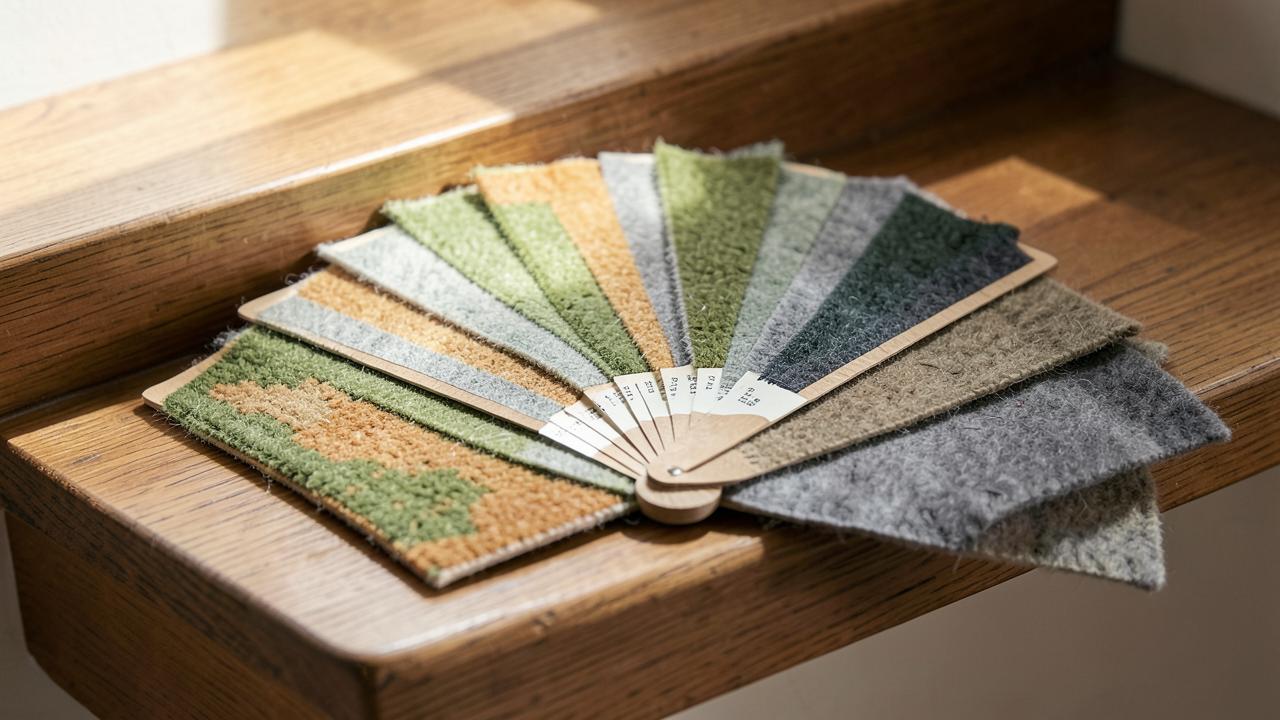
The Power of Reflection: Why Light Matters
In many UK homes, the hallway is a space that suffers from a lack of natural light. Often located in the centre of the floor plan, it relies on borrowed light from adjacent rooms. A light stair runner acts as a vertical reflector, catching whatever light is available and bouncing it into the corners of the stairwell. This creates an immediate sense of space and freshness.
Beyond the literal brightness, light colours carry a psychological weight. They feel clean, organized, and tranquil. Moving from a busy street into a home with a soft, pale runner signals a transition into a sanctuary. It is a classic design choice that works across all architectural styles, from rustic cottages to ultra-modern apartments.
Choosing the Right 'White': Tones and Undertones
A 'white' runner is rarely just white. In a domestic setting, pure brilliant white is often too stark and clinical. The most successful 'light' designs use a palette of off-whites that carry subtle undertones.
| Tone Name | Undertone | Best Environment |
|---|---|---|
| Oatmeal / Sand | Warm Beige | Traditional homes with natural wood and warm lighting. |
| Silver / Dove Grey | Cool Blue/Grey | Modern homes with chrome fixtures and minimalist décor. |
| Bone / Ivory | Neutral/Yellow | Period properties with original plasterwork and 'stony' paints. |
| Linen / Flax | Grey/Green | Coastal or 'Shabby Chic' interiors with plenty of natural textures. |
| Champagne | Warm Pink/Gold | Luxury settings with brass hardware and soft, plush textures. |
The Psychological Impact of a Light Hallway
The entrance to a home sets the emotional tone for the entire residence. Hallways that are dark and cluttered can induce a subtle sense of claustrophobia or stress upon arrival. Conversely, a light-filled hallway, anchored by a pale stair runner, communicates openness and calm. This is particularly important in urban environments where natural light is a luxury. A light runner doesn't just 'look' better; it changes how you feel when you walk through the door.
In colour psychology, light neutrals like cream and soft grey are associated with purity, efficiency, and clarity. By using these tones on the stairs—the literal spine of the house—you create a neutral 'cleansing' zone between the outside world and the living spaces. This effect is amplified when paired with mirrors and strategically placed lamps, creating a space that feels significantly larger than its physical dimensions.
Materials That Defy the 'Dirty' Stereotype
The fear of a light runner is almost always a fear of dirt. However, modern fibre technology has significantly changed the equation.
Wool: Wool is naturally coated in lanolin, a wax that helps repel spills. A high-quality wool runner is remarkably resilient. When a liquid is dropped on wool, it 'beads' on the surface for a short time, giving you a window to blot it before it sinks in. Wool also has an opaque structure that hides the appearance of soil better than clear synthetic fibres. Learn more in wool stair runners.
Solution-Dyed Synthetics: If you are genuinely worried about stains, solution-dyed polypropylene or nylon is the answer. Because the colour is added while the plastic is in a liquid state, the fibre is non-porous. You can even use diluted bleach on many of these products to remove stubborn marks without losing the colour. Compare these in polypropylene runners.
Managing the 'Yellowing' Effect Over Time
One challenge specific to light-coloured carpets, particularly natural wools, is 'photoxidation' or yellowing. Over many years, exposure to UV light through a hallway window or front door fanlight can cause the pale fibres to take on a slightly yellow or warm cast. This is a natural process, but it can be managed.
To prevent premature yellowing, consider applying a UV-protective film to any windows that cast direct sunlight onto the stairs. Furthermore, choosing a light runner that already has a warm, 'bone' or 'ivory' undertone rather than a 'cool white' will make any eventual yellowing far less noticeable. If you notice yellowing in specific patches, it is often a sign of alkaline residue from incorrect cleaning products; always ensure you use pH-neutral cleaners specifically designed for light carpets.
Pairing Light Runners with Metallic Hardware
The choice of stair rods and clips is vital when working with light colours. Because the carpet is pale, the metallic finish of your hardware will 'pop' more than it would on a dark surface.
- Brass and Gold: These create a warm, classic look. They work beautifully with cream and oatmeal runners, adding a touch of traditional luxury.
- Chrome and Polished Nickel: These are the best choice for silver-grey or 'cool' off-white runners. They feel modern, crisp, and clean.
- Antique Bronze / Black: These provide a high-contrast, graphic look. A black stair rod on a cream runner is a bold design statement that emphasizes the horizontal lines of the steps.
Light Runners in North-Facing vs South-Facing Homes
The orientation of your home changes the quality of light your runner will receive. In a north-facing hallway, the light is naturally cooler and bluer. A cool-grey runner might feel 'cold' or even 'surgical' in this environment. Instead, choose a light runner with warm, pink or yellow undertones (like champagne or sand) to counteract the blue light and make the space feel inviting.
In a south-facing hallway, the light is warm and abundant. Here, you have more freedom. Cool tones will feel refreshing, while warm tones will glow brilliantly. However, be aware that the high light levels in south-facing homes will show every speck of dust on a light surface, making frequent vacuuming even more important to maintain that 'bright' aesthetic.
Architectural Framing: Light on Dark
One of the most effective ways to use a light runner is to pair it with dark-painted stairs. A cream runner on black or deep-navy stairs creates a 'piano key' effect that is incredibly sharp and architectural. The dark margins of the treads provide a frame that makes the light carpet 'pop', while also serving the practical purpose of hiding the dust that often gathers in the corners of steps.
This contrast is also a vital safety feature. For those with limited vision, a pale runner on a pale stair can lead to 'step blurring'. The high contrast between a light carpet and a dark tread makes the nosing of each step incredibly obvious. For more safety tips, see stair safety.
Edge Treatments for Light Runners
The edge of a light runner is where you can define its style.
- Matching Binding: Choosing a binding that matches the carpet colour exactly creates a seamless, 'endless' look. It makes the runner feel like an integral part of the stair.
- Contrasting Tape: A dark grey or black cotton tape binding adds a 'tailored' look, similar to a classic Chanel suit. It defines the vertical line of the flight beautifully.
- Whipped Edges: A simple overlocked wool edge is the most traditional and least obtrusive way to finish a light runner.
Installation Precision
Light-coloured runners are unforgiving of poor installation. Because the shadows cast by 'rucks' or loose fitting are so visible against a light surface, the runner must be tensioned perfectly. Ensure your fitter uses a high-quality underlay to prevent the carpet from stretching over time.
Pay particular attention to the 'crotch' of the stair (where the riser meets the tread). In a light runner, any gap here will look like a dark, dirty line. A professional will use a bolster to ensure the carpet is tucked tight into the corner for a crisp, clean finish. Visit installation methods for more details.
Maintenance: The 'Light' Routine
To keep a light runner looking new, you cannot be casual about cleaning.
- The 'No Shoes' Rule: This is non-negotiable for light carpets. Provide a shoe rack at the bottom of the stairs to encourage guests and family to leave grit at the door.
- High-Quality Vacuuming: Use a vacuum with a clean filter and a brush bar that can be turned off for flat-weaves to avoid fuzzing.
- Immediate Blotting: Keep a clean white cloth and a bottle of distilled water nearby. Most spills on a light runner can be removed if blotted (never rubbed) immediately.
- Professional Deep Clean: Budget for a professional hot-water extraction clean every 12 months to lift the 'traffic lane' grey that can develop over time.
Lighting for Light Runners
While light runners reflect light, they also show shadows very clearly. If your stairs have uneven lighting, a light runner can look patchy. Aim for even, diffused light. Warm LEDs (around 2700K to 3000K) work best with creams and oatmeals, while cooler LEDs (4000K) suit light greys and silvers.
Consider the 'sheen' of the carpet. Some light synthetics have a high reflectivity that can look 'shiny' or cheap under direct spotlights. Wool has a matte finish that diffuses light beautifully, creating a soft, high-end glow.
Light Runners on Winder Stairs
On winder stairs, the carpet is bunched on the inside of the turn and stretched on the outside. In a light colour, these tensions can sometimes be seen as slight changes in the way the light hits the pile. A skilled fitter will manage this so that the 'flow' of the light across the turn remains consistent.
If you are using a light-coloured flat-weave on winders, be aware that the 'weave' might appear slightly more open on the outer edge of the turn. This is normal, but choosing a denser weave will minimise the effect. See flat weave guides for more.
The 'Summer' Look All Year Round
Ultimately, a light stair runner brings a permanent sense of summer to your home. It makes the hallway feel clean, breezy, and optimistic. Even on the greyest UK winter day, a beautifully lit, cream-coloured staircase provides a warm and bright welcome. By choosing the right fibres and committing to a simple maintenance routine, you can enjoy the elegance of a light floor without the stress.
Frequently asked questions
- Are light-coloured stair runners a mistake for busy homes?
- Not necessarily, but they require a specific approach. Choose a solution-dyed synthetic or a high-quality wool with a factory-applied stain guard. Avoid pure whites; instead, look for 'oatmeal' or 'heathered' light tones that mask small marks.
- How do I keep a light runner looking clean?
- Regular vacuuming (at least 3 times a week) prevents grit from darkening the fibres. A strict 'no shoes' policy is the single most effective way to maintain a light-coloured carpet on stairs.
- Will a light runner brighten a dark hallway?
- Significantly. Light colours reflect more ambient light, making a narrow or windowless stairwell feel much more spacious and airy. It is one of the most effective ways to open up a cramped entry.
- Which edge binding works best with light carpets?
- A matching light binding creates a seamless, minimalist look. Alternatively, a dark contrasting border (like charcoal or navy) provides architectural definition and hides the area where dust often settles at the edges.
- Does a light runner show more wear than a dark one?
- It shows 'soiling' (dirt) more easily, but it often hides 'wear' (matting and crushing) better than dark velvet piles, which show shading and path-wear more prominently.
- Are light runners safe for the elderly?
- Yes, provided they offer contrast against the stairs. If the stairs are also light, a dark border is essential for safety to ensure the edge of each step is clearly visible.
- Will a light runner show pet hair more than a dark one?
- It depends on the pet. White or light-coloured fur will be almost invisible on a cream runner, but dark fur will stand out significantly. If you have a black Labrador, a light runner will require daily vacuuming to look its best.
- Can I use a light runner on stairs that lead to a garden?
- This is high-risk. If your stairs are the primary route from a muddy garden, even the best stain-guarded light carpet will struggle. We recommend a darker or patterned runner for these specific high-soiling areas.
Related guides
 CareCleaning and Caring for a Stair RunnerRoutine vacuuming, spill response by fibre type, slipping and fraying, and when to call a professional.
- DesignChoosing a Stair Runner ColourHow light, adjacent flooring, trim colour, traffic and dirt should drive the colour decision.
 BuyingBest Carpet for a Stair RunnerThe specification checklist — fibre, pile, density, backing, width and pattern repeat — for stair-worthy carpet.