Heritage & Modern
Patterned stair runners: A guide to scale and impact
A patterned runner is a bold design statement that can anchor an entire home's aesthetic. From traditional Axminsters to modern geometrics, the key to success lies in understanding scale and the technicalities of the fit.
Written by the StairRunner.co editorial team · Updated 4 September 2026
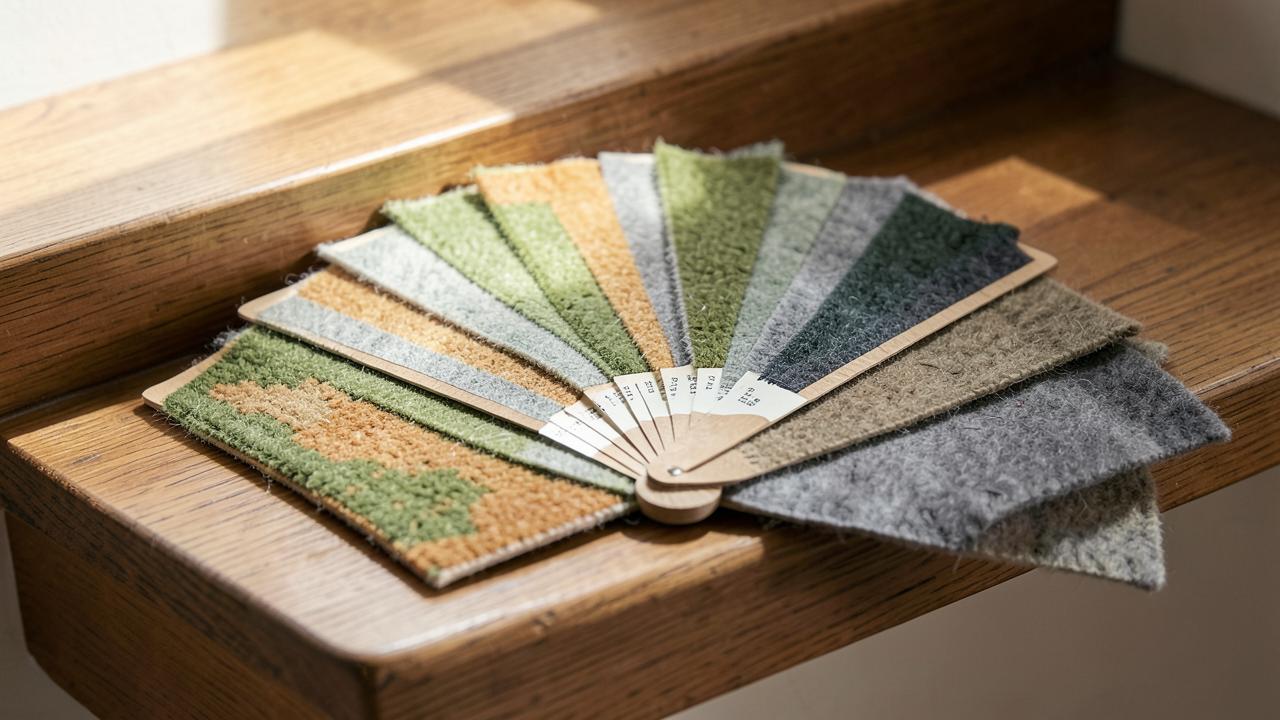
The history and appeal of the patterned runner
Patterned carpets have been a staple of grand British homes for centuries. The traditional Axminster and Wilton weaves were designed to be both beautiful and indestructible, often featuring intricate floral or heraldic motifs that could survive decades of heavy boot traffic. Today, the patterned runner has evolved to include everything from minimalist Scandivanian geometrics to bold, contemporary animal prints.
The primary appeal of a pattern on the stairs is its ability to 'camouflague'. Stairs are a magnet for dust, lint, and the occasional spill. A plain runner shows these immediately, but a pattern—especially one with multiple colours and a 'broken' design—hides them with ease. This makes patterned runners a favourite for busy households with children and pets. Beyond practicality, a pattern allows you to express your personality in a space that is often neglected in interior design.
Types of patterns and their visual impact
Choosing the right pattern is about more than just colour; it is about the 'rhythm' it creates as you look up the stairs.
| Pattern Type | Design Vibe | Best For... |
|---|---|---|
| Geometric (Diamonds, Squares) | Modern, structured, orderly | Modernist homes and narrow hallways needing definition |
| Herringbone / Chevron | Classic, directional, architectural | Adding a sense of movement; works well in almost any setting |
| Floral / Botanical | Traditional, soft, maximalist | Period homes (Victorian/Edwardian) and eclectic interiors |
| Striped (Vertical) | Tall, lengthening, nautical | Making a short staircase feel longer. See striped stair runners |
| Animal Print (Leopard, Antelope) | Bold, glamorous, hides soil perfectly | Design-forward homes wanting a high-impact feature |
The golden rule of scale
Scale is the most important factor when choosing a patterned runner. If the pattern is too large, it will look fragmented and 'chopped up' as it moves from tread to riser. If it is too small, it can look 'busy' or even blurry from a distance.
A good rule of thumb is to measure the depth of your stair tread (usually around 250mm to 300mm). You want a pattern repeat that either fits neatly into that space or spans exactly two steps (tread-riser-tread). For geometric patterns, a smaller repeat is generally safer as it is more forgiving of slight misalignments during installation. For large-scale florals or damasks, you must be prepared for the pattern to be interrupted at the nosing—a look that works well in traditional settings but can be jarring in modern ones.
The technical nightmare: Pattern matching on winders
Installing a patterned runner on a straight flight of stairs is relatively simple for a professional. However, winder stairs—where the steps turn a corner and become triangular—present a massive challenge.
Because the carpet must be 'turned', the pattern will inevitably shift. In a high-quality installation, the fitter will attempt to 'mitre' the carpet at the turn, but this often results in a break in the pattern. The key is to manage your expectations. In very complex patterns, it is impossible to have a perfect match through a 90-degree turn.
Small-scale patterns are the most winder-friendly. A small diamond or a herringbone is much easier to 'cheat' through a turn than a large, central medallion. If your staircase has many turns, consider a pattern that is 'random' or has no clear horizontal/vertical axis, such as a stippled or speckled design. For more on this, see navigating winder stairs.
Woven vs. Printed Patterns
How the pattern is made matters for how it wears.
- Axminster & Wilton (Woven): These are the gold standard. The coloured yarns are woven into the backing to form the pattern. This means the pattern goes all the way through to the base and will never 'wear off'. These carpets are incredibly dense and stable, making them perfect for stairs.
- Printed Patterns: Usually found on nylon or polyester carpets. The pattern is applied to the surface of a plain carpet. While modern printing technology is excellent, the pattern can eventually 'wear away' in the high-traffic lane, revealing the plain base underneath. They are often more affordable but less durable than woven options.
- Tufted Patterns: Created by using different heights of pile or different types of yarn (e.g. cut and loop) to form a pattern. These are 'tonal' patterns and are very effective for a subtle, modern look.
Coordinating with Hallway Decor
A patterned runner shouldn't exist in a vacuum. It needs to speak to the rest of your hallway.
- The Common Thread: Choose one colour from your runner pattern and use it for your wall paint, woodwork, or accessories. This creates a cohesive look even if the pattern is very bold.
- Balancing Busy-ness: If you have a busy patterned runner, keep your walls simple. A plain, neutral wall allows the runner to be the 'hero' of the space.
- Pattern Dashing: If you are feeling brave, you can mix patterns. The secret is to vary the scale. Pair a wide-striped wallpaper with a small-scale geometric runner. If the scales are the same, they will fight for attention; if they are different, they will complement each other.
Maintenance of Patterned Runners
While patterns hide soil well, they still require proper care to maintain their visual clarity.
Vacuuming: Regular vacuuming is essential to prevent grit from dulling the colours of the pattern. Use a vacuum with a brush bar for woven carpets, but check the manufacturer's instructions for tufted or loop-pile patterns.
Spot Cleaning: When a spill occurs, the pattern can actually make it harder to see where the spill has spread. Be thorough when blotting. Always use a cleaning agent that is safe for the fibre type (usually wool). Refer to our cleaning guide for more.
Safety and Visual Perception
One often-overlooked benefit of patterned runners is safety. A pattern provides clear visual feedback about the depth and position of each step. This is particularly helpful for people with impaired vision or in low-light conditions.
However, be careful with 'dazzle' patterns—highly high-contrast, repetitive geometrics that can make the steps seem to vibrate or blur. In a poorly lit hallway, this can make it difficult to judge exactly where the nosing is, increasing the risk of a trip. Always view your pattern in the lighting conditions of your hallway before making a final choice. See stair safety considerations.
Patterned Runners and Stair Rods
Do you need rods with a pattern? It depends on the pattern.
For traditional floral or heritage patterns, stair rods are the perfect finishing touch, adding to the 'stately home' aesthetic. For modern geometrics, you might prefer a 'clean' look without rods to let the pattern speak for itself. If you do use rods, choose a simple, un-ornamented design that doesn't compete with a busy carpet pattern. Explore our rod selection guide.
Sustainability in Patterned Choices
The most sustainable patterned runners are those that last the longest. A high-quality wool Axminster can easily last 20-30 years on a staircase if well-maintained. This longevity is far better for the environment than a cheaper, printed synthetic runner that needs replacing every 5 years. Furthermore, wool is a renewable, biodegradable fibre. When choosing your pattern, think about its 'timelessness'—will you still like this bold leopard print in ten years? If the answer is yes, it's a sustainable choice.
Troubleshooting Pattern Issues
| Issue | Cause | Solution |
|---|---|---|
| Pattern looks crooked | Incorrect alignment during the first step of installation | Needs to be re-stretched and realigned by a professional |
| Pattern 'breaks' at the nosing | Large scale pattern on a small tread depth | Inevitable for some patterns; choose a smaller scale next time |
| Dizziness when walking down | 'Dazzle' effect from high-contrast small geometric pattern | Improve lighting; consider adding a plain border to 'break' the pattern |
| Pattern fading in the centre | High traffic wear or sun damage | Rotate the runner if possible (unlikely for fitted); use UV film on windows |
Final Thoughts on Choosing Patterned
A patterned stair runner is a transformative element for any home. It brings colour, texture, and a sense of history or modern flair to what is often a purely functional part of the building. By paying close attention to scale, choosing a high-quality woven construction, and ensuring your fitter is experienced with pattern matching on winders, you can create a stunning architectural feature that will serve your home for decades.
Always request a large sample—or even better, a whole repeat of the pattern—before you commit. A small 6-inch square is rarely enough to judge how a complex pattern will look when draped over a dozen steps. For more design inspiration, visit our stair runner ideas gallery.
Frequently asked questions
- How do you match patterns on a winder staircase?
- Matching patterns on winders is one of the most difficult tasks in carpet fitting. It requires carefully choosing a starting point (usually the centre of the turn) and 'bleeding' the pattern out. For very complex patterns, some misalignment is inevitable, which is why small-scale geometrics are often preferred for winders.
- Are large patterns suitable for small hallways?
- Surprisingly, yes. A large-scale pattern can actually make a small space feel bigger by creating a sense of grandeur and breaking up the floor area. However, you must ensure that at least one full 'repeat' of the pattern is visible on each tread.
- What is the best pattern for hiding pet hair?
- A busy, mid-scale 'broken' pattern or a multi-tonal floral/organic design is best. These patterns provide enough visual noise to disguise hair, lint, and small stains between vacuuming sessions.
- Do patterned runners wear out faster?
- The pattern itself doesn't affect wear, but the method of manufacture does. Axminster and Wilton patterned carpets are exceptionally durable because the pattern is woven into the structure, rather than printed on top.
- Can I mix a patterned runner with patterned wallpaper?
- Yes, provided there is a common colour thread or a significant difference in scale. Pair a large-scale floral wallpaper with a small-scale geometric runner, or vice versa, to avoid a clashing, chaotic look.
- How do I choose the right scale of pattern?
- Consider the size of the tread. If the pattern repeat is 50cm but your tread depth is only 25cm, you will only see half the pattern on each step. Aim for a scale where the main motif is either fully contained on the tread or spans exactly two steps.
Related guides
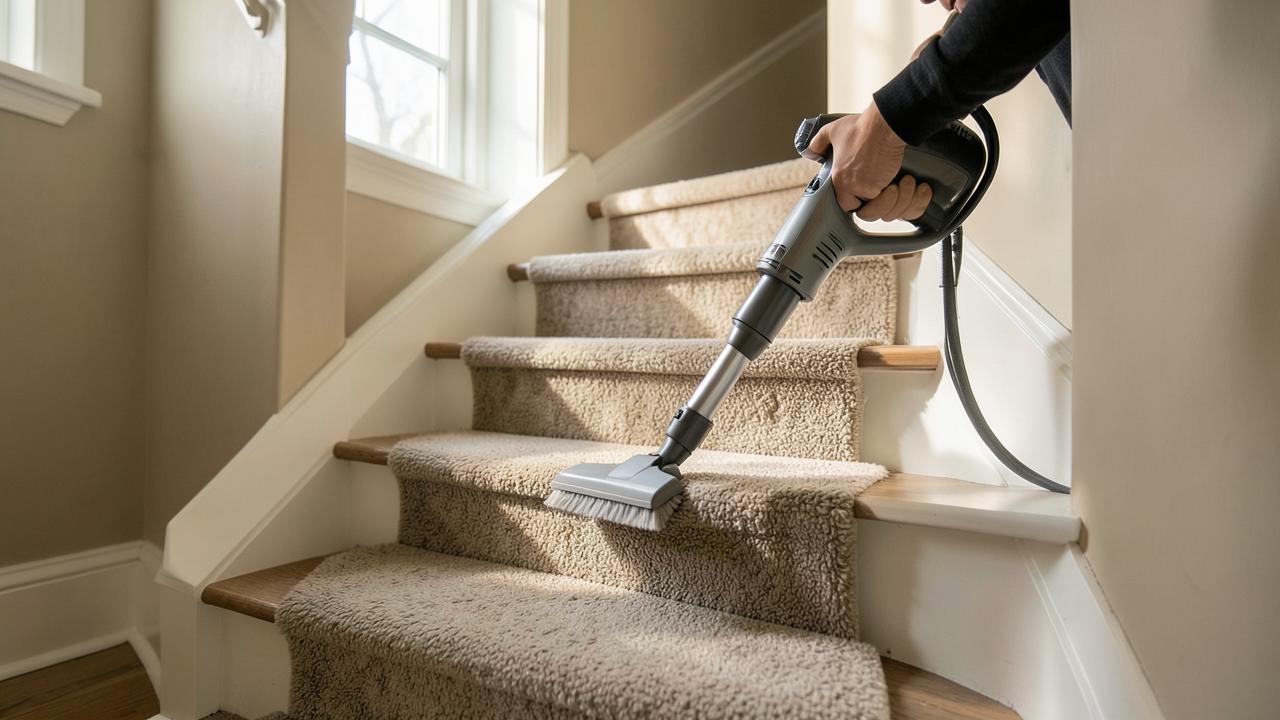 CareCleaning and Caring for a Stair RunnerRoutine vacuuming, spill response by fibre type, slipping and fraying, and when to call a professional.
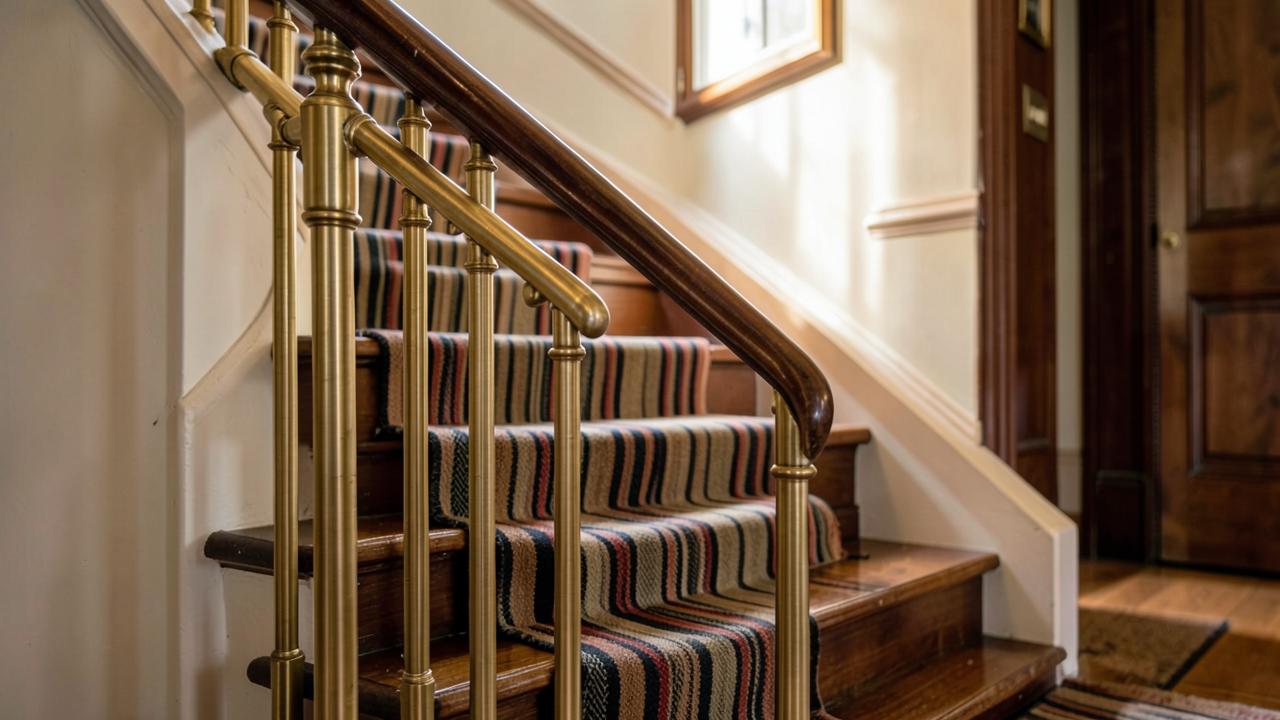 InstallationStair Rods, Clips and Runner HardwareHow stair rods, clips, brackets and bars actually work, when they hold a runner and when they are decorative.
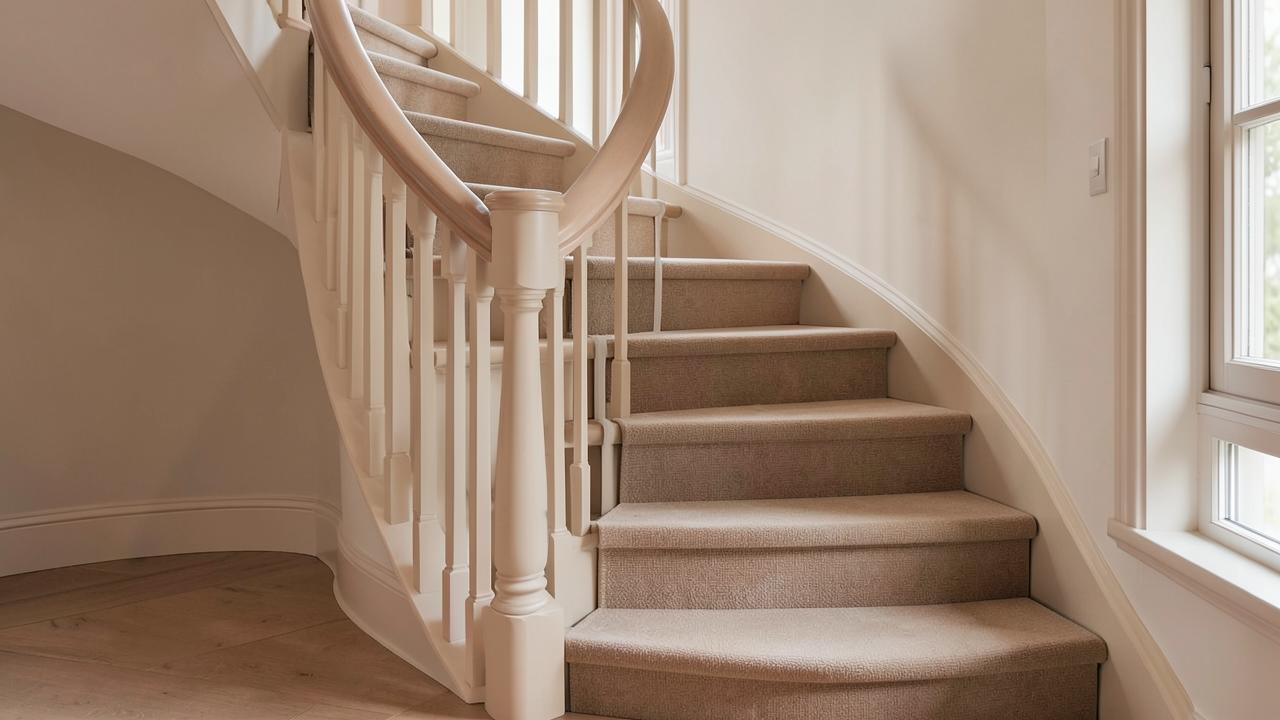 MeasurementRunners on Winder, Curved and Open StairsMeasuring and fitting where treads are not rectangles: winders, pie steps, curves and open-sided flights.