Pet Friendly
The Essential Guide to Stair Runners for Dogs
For dog owners, a staircase is more than just a transition between floors—it is a potential hazard for their pet and a target for wear and tear. Choosing the right runner is key to safety and durability.
Written by the StairRunner.co editorial team · Updated 4 September 2026
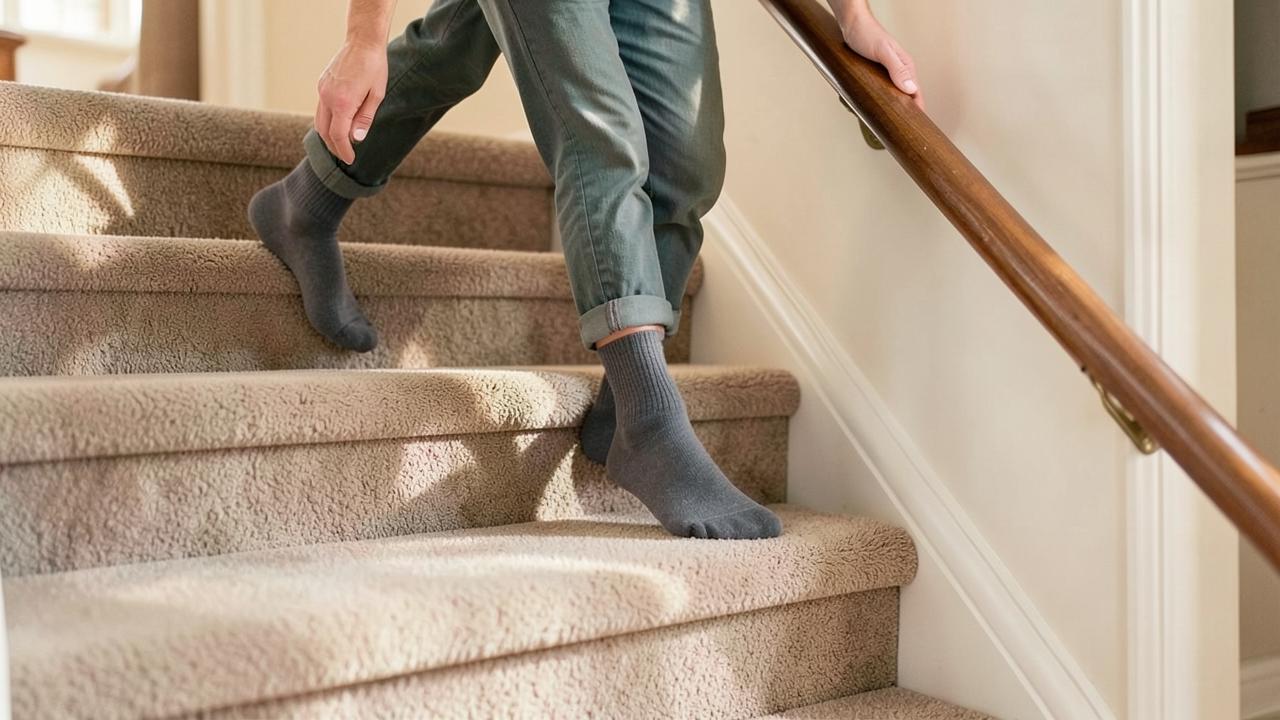
Why Dogs Need Stair Runners
If you have ever watched a dog hesitate at the top of a wooden staircase, you are seeing a natural instinct for safety. Polished timber, laminate, and even tile stairs are incredibly slippery for paws. Unlike humans, dogs rely on their claws and the pads of their feet for traction. On a hard, smooth surface, they have very little 'bite', which can lead to slips, slides, and traumatic falls. This is especially true for senior dogs or those with mobility issues, where a single fall can have serious health consequences.
A stair runner transforms a hazardous slope into a secure path. It provides the texture and 'grip' that a dog's paws need to move confidently and safely. Beyond safety, a runner also protects your investment. A dog's claws—even when well-trimmed—can quickly scratch and gouge the finish of high-quality timber stairs. A durable runner acts as a shield, absorbing the impact and friction of daily use.
Furthermore, the psychological impact on a dog should not be underestimated. A dog that has previously slipped on a staircase can develop a profound fear of the stairs, leading to avoidance or extreme anxiety when moving between levels of the home. This anxiety can manifest as whining, refusal to move, or even physical symptoms like panting and shaking. By providing a stable, high-traction surface, you are not only protecting their physical health but also their mental well-being, ensuring they feel confident and secure in every corner of their home environment.
The 'Cut vs. Loop' Debate
One of the most critical decisions for a dog owner is the construction of the carpet pile. There are two main types: cut-pile (where the loops are cut to create an upright fibre) and loop-pile (where the yarn remains in a continuous loop).
Never choose a loop-pile runner if you have dogs. This is the single most important piece of advice for pet owners. A dog's claw can easily hook into a loop. When the dog tries to pull away, it pulls the loop, which can then 'zip' or run down the entire length of the carpet, creating a permanent and unsightly line of damage. In the worst-case scenario, the dog can catch its claw so firmly that it panics, leading to injury to the paw or a fall down the stairs. A dense cut-pile or a flatweave construction is the only safe choice for a canine household.
Beyond the safety risk, loop-pile carpets are also notoriously difficult to clean when it comes to pet hair. The loops create small 'pockets' where hair and dander can become trapped, resisting the suction of even the most powerful vacuums. Over time, this buildup can contribute to odours and allergens within the home. In contrast, cut-pile carpets allow hair to sit closer to the surface, making it much easier to remove during regular cleaning routines. This hygiene factor is a major consideration for any household with shedding breeds.
| Pile Type | Dog Suitability | Reasoning |
|---|---|---|
| Cut Pile | High | No loops to snag claws; easy to clean; durable. |
| Loop Pile / Berber | Low | High risk of 'runs' and snagged claws; harder to clean. |
| Flatweave | Medium | Excellent durability, but choose one with enough texture for grip. |
| Shag / High Pile | Low | Too unstable for dogs; traps dirt and hair deeply. |
Materials That Last
When it comes to durability and cleanability, not all fibres are created equal. The two main contenders for a dog-friendly home are wool and high-quality synthetics like nylon.
Solution-Dyed Nylon
Solution-dyed nylon is perhaps the ultimate dog-friendly material. Because the colour is integrated into the fibre itself during manufacture, it is incredibly resistant to fading. This is vital because pet accidents often require aggressive cleaning or the use of enzymatic treatments that could strip the colour from a traditionally dyed carpet. Nylon is also exceptionally resilient to the 'crushing' force of a large dog running up and down the stairs.
Modern nylon carpets have also advanced significantly in terms of 'feel'. While older synthetics could sometimes feel plasticky or overly shiny, contemporary high-end nylon mimics the matte appearance and soft hand of natural fibres. This means you don't have to sacrifice aesthetic appeal for practicality. Look for 'Type 6,6' nylon if possible, as it is widely regarded as the most durable and resilient synthetic fibre available for residential use.
Wool and Wool Blends
Wool is a natural, sustainable choice that has excellent 'memory'—meaning the fibres spring back into shape after being stepped on. An 80/20 wool-nylon blend provides the best of both worlds: the natural beauty and resilience of wool with the added strength of synthetic fibre. However, wool is more absorbent than nylon, meaning spills and accidents must be dealt with immediately to prevent permanent staining. For more on materials, see our guide to stair runner materials.
Natural wool also contains lanolin, a natural wax that provides a degree of inherent stain resistance. While it won't stop a major liquid spill from soaking in, it can buy you time to blot up a minor accident before it sets. Additionally, wool is naturally flame-retardant and offers superior acoustic dampening compared to many pure synthetics, making it a premium choice for larger, echo-prone homes.
Cleanability and Hygiene
Even the best-behaved dog will occasionally bring in mud, shed hair, or have an accident. Your stair runner needs to be able to cope with this reality without becoming a source of odour or bacteria. The density of the pile plays a crucial role here; a very loose pile allows dirt to fall deep into the backing, where it acts like sandpaper, grinding away at the fibres every time someone (or something) walks over it. A dense pile keeps the dirt closer to the surface where it can be vacuumed away.
Choose a multi-tonal colour (often called a 'heather' or 'flecked' design). A solid cream or a solid black runner will show every single dog hair and speck of dust. A mid-toned grey, brown, or blue with subtle variations in colour will be much more forgiving between cleans. You should also consider the 'cleanability' rating of the carpet. Many modern synthetics are marketed as 'bleach cleanable', which can be a lifesaver in extreme cases, although regular cleaning should be done with specialized pet-safe products. Learn more in our washable stair runner guide.
Underlay and Sound Dampening
Dogs, especially larger breeds, can be surprisingly loud when navigating stairs. The sound of 'clicking' claws on wood is a common complaint for many homeowners. A stair runner, combined with a high-quality underlay, acts as a powerful acoustic dampener. It absorbs the sound of the impact, leading to a much quieter home environment. For the best results, use a dense rubber or high-quality PU foam underlay. Avoid very thick, 'squishy' underlays, as they can make the surface feel unstable for the dog. Consistency is also key; ensure the same underlay is used on the landing, as detailed in our guide to landing carpet.
The choice of underlay also impacts the longevity of the runner itself. A high-quality, firm underlay prevents the carpet from 'stretching' or moving over the steps. If the carpet is allowed to move, it will eventually rub against the nosing of the stairs, causing the backing to fail and the pile to wear thin. For a dog-friendly home, we recommend a 9mm to 11mm high-density PU foam underlay, which offers a perfect balance between comfort and stability.
Preventing 'Tracking' and Wear
Dogs tend to take the same path up and down the stairs every time, usually right down the middle. This concentrated traffic can lead to 'tracking'—a visible path of worn or flattened carpet. To prevent this, choose a runner with a high 'stitch density'. The more fibres there are per square inch, the better the carpet will resist being flattened. Regular vacuuming with a brush bar (for cut-pile only) will also help lift the fibres and prevent them from becoming permanently crushed. Detailed maintenance tips are in our cleaning guide.
Another tip for managing wear is to ensure the dog's nails are kept well-trimmed. Long claws increase the pressure on the carpet fibres and can accelerate the 'shredding' of the pile surface. By maintaining your pet's claws, you are indirectly extending the lifespan of your interior textiles. If you have a particularly active or large dog, you might also consider a darker-coloured runner in the centre of the flight to mask the inevitable buildup of microscopic dirt that can accumulate in high-traffic zones.
Installation Considerations
A runner for a dog-friendly home must be installed with extra care. Any loose edges or corners are an invitation for a curious dog to chew or pull. Ensure that the runner is stretched tightly and fixed securely with high-quality grippers. If you are worried about the safety of the installation, consider the 'waterfall' method, which is often easier to fit securely than the more complex 'Hollywood' method. Compare the two in our guide to waterfall vs. hollywood style.
It is also worth discussing the 'tuck' at the riser with your fitter. A deep, secure tuck prevents the carpet from lifting at the corners, which is often where dogs might start to 'worry' at the fabric if they are bored or anxious. Using a few extra staples in the crotch of the stair (the junction between the tread and the riser) can provide that extra bit of security that makes the installation dog-proof.
The Impact of Runner Texture on Joint Health
We often focus on the carpet, but the physical interaction between the dog's paw and the surface has long-term health implications. When a dog walks on a slippery surface, their muscles are constantly in a state of 'micro-tension' as they attempt to maintain balance. This can lead to chronic muscle fatigue and can exacerbate existing joint issues like arthritis or hip dysplasia. A stair runner provides a surface where the dog can move naturally, without this constant tension.
The texture of the runner should be firm enough that the dog's pads can find purchase, but not so abrasive that it causes 'rug burn' during high-speed ascents or descents. A high-quality wool-nylon blend typically offers this ideal texture. It provides the necessary friction without being overly harsh on the dog's paw pads, making it the most 'ergonomic' choice for your pet's long-term mobility.
Training Your Dog to Use the Runner
Once your new runner is installed, your dog may need a little time to adjust, especially if they have previously had a fall on the bare wood. Start by encouraging them with small treats placed on the steps. Let them explore the new texture at their own pace. You will likely notice an almost immediate change in their confidence; the 'hesitation' at the top of the stairs usually vanishes once they realize they have reliable grip underfoot.
If you have a puppy, the runner is an essential tool for 'stair training'. It prevents the negative associations that come with slipping, ensuring they grow up feeling safe in all parts of the house. For older dogs, the transition is usually a relief. You might find your senior pet, who previously struggled or avoided the stairs entirely, suddenly finds the freedom to move between floors again, significantly improving their quality of life.
Seasonal Maintenance for Dog Owners
The demands on your stair runner will change with the seasons. In the winter months, muddy paws are the primary challenge. Having a 'barrier mat' at the front door is your first line of defence, but some dirt will inevitably make its way to the stairs. During these months, increase your vacuuming frequency and keep a damp (not wet) microfibre cloth handy for wiping away fresh mud before it has a chance to dry and be ground into the fibres.
In the summer, shedding is the main issue. The warm weather often triggers a 'blow out' of the undercoat in many breeds. This fine, soft hair can quickly mat into the carpet pile if not removed regularly. A rubber grooming brush or a specialized pet-hair vacuum attachment is invaluable during these periods. By staying on top of the seasonal challenges, you ensure your stair runner remains a hygienic and attractive feature of your home all year round.
Summary of Best Practices
- Construction: Always choose cut-pile; never loop-pile.
- Material: Solution-dyed nylon or a dense 80/20 wool-nylon blend.
- Colour: Mid-tones with multi-tonal flecks or patterns to hide hair and dirt.
- Traction: Prioritize a firm, textured surface over a deep, soft pile.
- Maintenance: Use enzymatic cleaners for accidents and vacuum at least three times a week.
- Safety: Ensure the runner is fixed securely with a dense, high-quality underlay.
- Training: Use positive reinforcement to help your pet adjust to the new surface.
By following these guidelines, you can create a staircase that is safe for your dog, easy for you to maintain, and a beautiful addition to your home. For more information on making your stairs as safe as possible, check out our guide on non-slip stair runners.
Frequently asked questions
- Is wool or synthetic better for dogs?
- For most dog owners, a high-quality solution-dyed synthetic (like nylon) is superior because it is easier to clean after accidents and resists fading from harsh cleaners. However, an 80/20 wool-nylon blend is also excellent if you prefer a natural look, provided you choose a dense cut-pile rather than loops.
- Why should I avoid loop-pile carpets with dogs?
- Dogs' claws, especially if they are slightly long or jagged, can easily catch in the loops of a Berber or loop-pile carpet. Once a loop is caught, the dog's movement can pull a long strand of yarn out, creating a 'run' that ruins the runner and can potentially injure the dog's claw.
- How does a runner help senior dogs?
- As dogs age, they often develop arthritis or hip dysplasia, making it difficult for them to maintain traction on hard, slippery surfaces like polished wood or laminate. A runner provides much-needed grip, giving them the confidence and physical stability to navigate the stairs without fear of falling.
- What colour is best for hiding dog hair?
- Avoid very light or very dark solid colours. A mid-tone, multi-tonal, or 'heathered' carpet that incorporates several different shades will hide hair and small amounts of dirt much more effectively between vacuuming sessions.
- How can I remove dog odours from a stair runner?
- The best method is to use an enzymatic cleaner specifically designed for pet odours. These cleaners break down the organic molecules that cause the smell rather than just masking them. Ensure you test any cleaner on a hidden area first, and always blot rather than rub.
- Do runners help with staircase noise?
- Yes, they act as a significant sound dampener, absorbing the impact of 'clicking' claws on hard surfaces, which is particularly beneficial in open-plan homes where noise travels easily.
- How often should I vacuum a dog-friendly runner?
- Aim to vacuum at least three to four times per week. Frequent, lighter vacuuming is more effective at preventing dirt from becoming embedded than an occasional heavy deep-clean, and it helps maintain the pile height.
Related guides
 MaterialsStair Runner Materials ComparedWool, nylon, polypropylene, sisal and jute judged on stair-specific wear, comfort, cleaning and safety.
- SafetyNon-Slip Stair Runners and Stair SafetyWhat actually makes a stair covering grippy: fitting tension, pile, pad and nosing coverage.
 BuyingWashable and Pet-Friendly Stair RunnersWhat washable really means on stairs, and how to choose for pets, children and heavy household traffic.