Period Styling
Vintage stair runners: a complete guide to historical charm
The appeal of a vintage-style stair runner lies in its ability to anchor a hallway with history, texture, and intricate pattern. Achieving the look today often involves balancing traditional aesthetics with the practical demands of a modern staircase, ensuring the finished result is as durable as it is beautiful.
Written by the StairRunner.co editorial team · Updated 4 September 2026
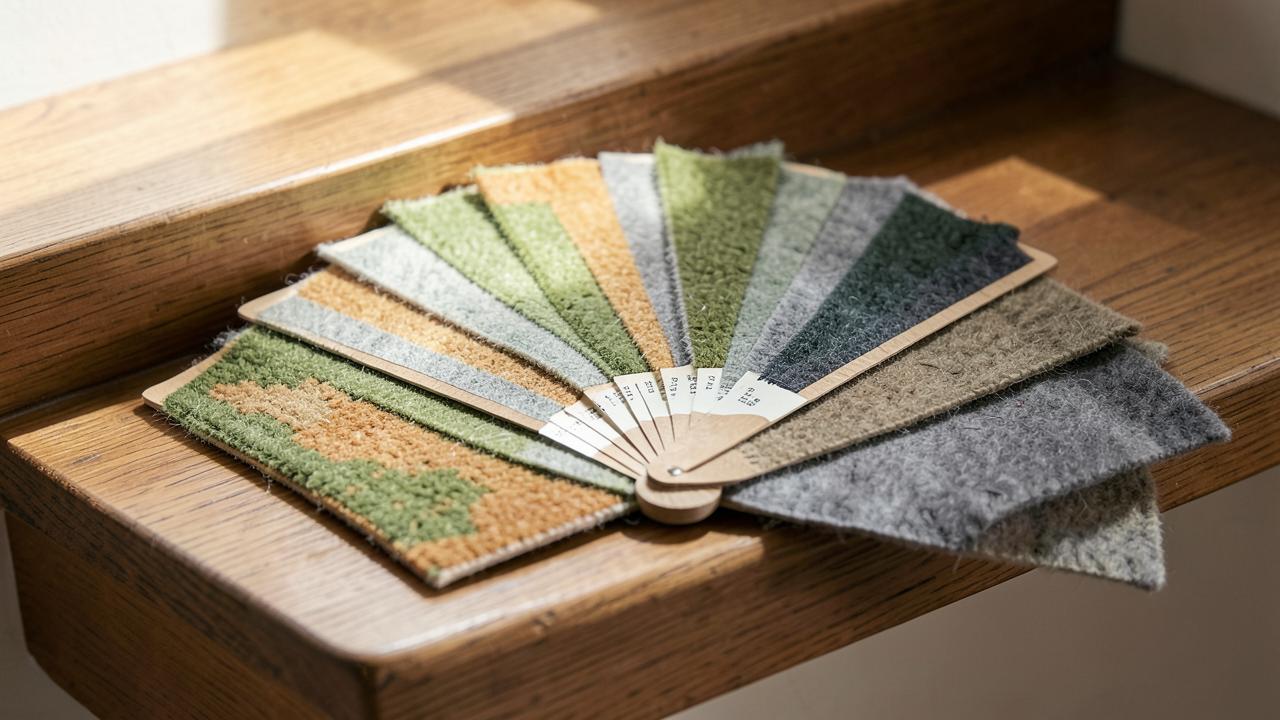
The enduring appeal of the vintage aesthetic
In the world of interior design, 'vintage' is a term that carries significant weight, evoking a sense of timelessness, quality, and a connection to the past. When applied to stair runners, it represents a departure from the generic and the mass-produced, moving instead towards a more curated and personal look. A vintage-style runner is more than just a floor covering; it is a statement of intent, a way to signal that the home values its architectural heritage or its owner's appreciation for historical detail.
The beauty of a vintage runner lies in its complexity. Unlike modern solid-colour carpets, a vintage design often incorporates a multi-layered palette and intricate motifs that draw the eye. This visual density not only adds character to a hallway but also provides a practical benefit: it is exceptionally good at masking the everyday wear and tear that is inevitable on a staircase. In a busy household, the ability of a pattern to hide small marks, lint, and dust cannot be overstated.
Whether you are restoring a period property to its former glory or looking to add a touch of traditional warmth to a newer build, the vintage runner offers a versatile solution. It bridges the gap between different eras, providing a focal point that can tie together disparate design elements. The key is in the selection — choosing a pattern and material that respects the past while meeting the rigorous requirements of contemporary living.
Understanding the different eras of vintage design
To choose the right vintage runner, it is helpful to understand the different historical periods that influence modern reproductions. Each era had its own distinct style, driven by the technologies and tastes of the time.
The Victorian Era (1837-1901): This period was characterized by opulent, highly detailed patterns. Florals were popular, as were rich, deep colours like burgundy, forest green, and gold. Victorian runners often featured heavy borders and were made of dense wool. The goal was to create a sense of grandeur and formality, reflecting the status of the homeowner.
The Edwardian Era (1901-1910): Following the Victorian period, Edwardian design moved towards a slightly lighter and more airy aesthetic. Patterns became somewhat more simplified, with a focus on floral motifs that were more naturalistic. Colours softened, with more use of pastels and mid-tones, reflecting a shift towards a more relaxed domestic atmosphere.
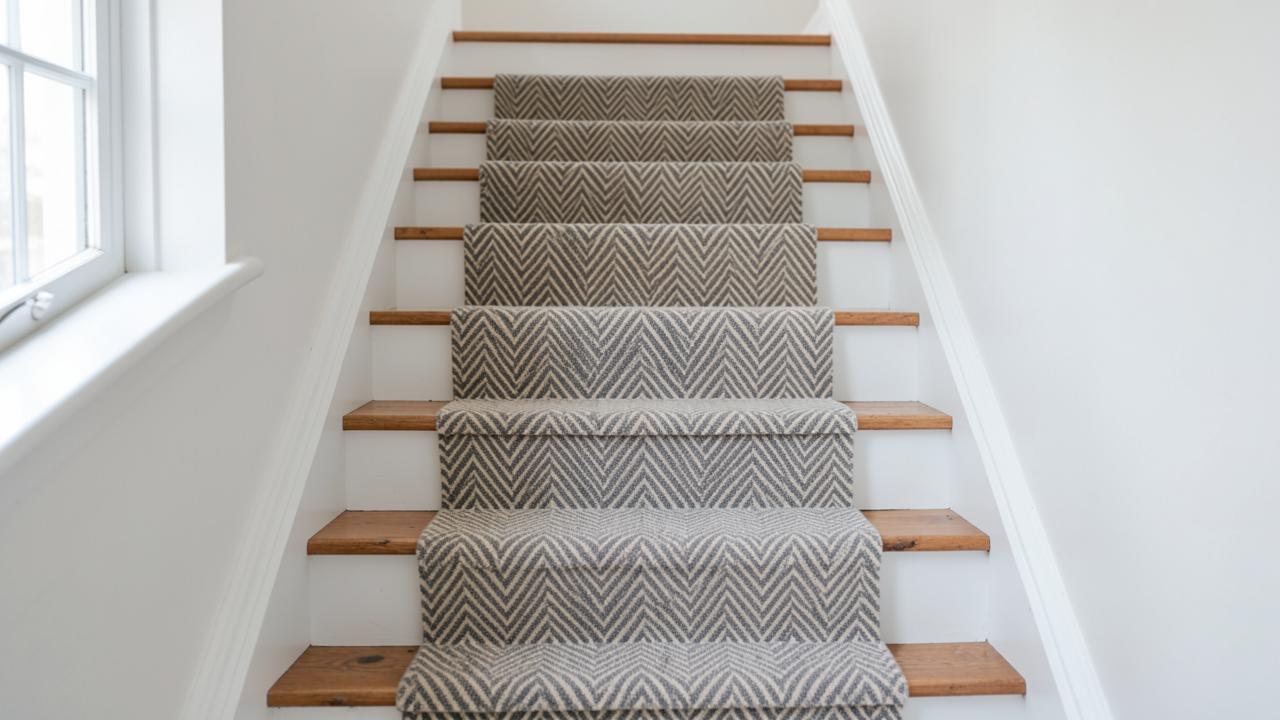
Art Deco (1920s-1930s): For those seeking a more geometric vintage look, the Art Deco period offers a wealth of inspiration. This era was defined by bold lines, symmetry, and glamorous materials. Stair runners from this time often featured striking chevrons, sunbursts, and other stylized motifs. It is a look that feels both vintage and surprisingly modern, making it a popular choice for contemporary renovations.
Mid-Century Provincial (1940s-1950s): After the second world war, there was a resurgence of interest in more traditional, rustic styles. This era saw a rise in simpler, more textural runners, often incorporating motifs inspired by folk art or nature. These designs are perfect for creating a farmhouse or country cottage feel that still feels anchored in the past.
| Era | Common Patterns | Colour Palette | Design Vibe |
|---|---|---|---|
| Victorian | Ornate florals, scrolls, deep borders | Deep reds, greens, golds, navy | Formal, opulent, traditional |
| Edwardian | Naturalistic florals, softer scrolls | Soft pastels, creams, mid-tones | Elegant, airy, refined |
| Art Deco | Geometrics, chevrons, sunbursts | Bold contrasts, black, gold, silver | Modern, glamorous, striking |
| Provincial | Folk motifs, simple textures | Earthy tones, muted blues and reds | Rustic, warm, approachable |
Materials for the modern vintage runner
While the aesthetic of a vintage runner may be historical, the materials used in its construction should ideally be modern. The requirements of a contemporary staircase — high traffic, pets, and the need for easy cleaning — mean that traditional materials may not always be the best choice. Here we examine the options available today.
Wool: The Traditional Choice. For those who want the most authentic feel, wool is the undisputed king. It offers a natural depth of colour and a tactile quality that synthetic fibers find hard to match. Wool is also naturally resilient, with fibers that bounce back after being stepped on, helping to prevent flattening in the traffic lane. However, it requires more careful cleaning and can be more expensive. For a high-end vintage look, a wool runner is a classic investment. Learn more about its benefits in wool stair runners.
Solution-Dyed Nylon: The Modern Performer. If your household is particularly busy or includes pets and small children, solution-dyed nylon is an excellent alternative. Modern manufacturing means that nylon can now be woven or printed with incredible detail, perfectly replicating vintage patterns. Because the colour is integrated into the fiber itself, it is highly resistant to fading and can tolerate more aggressive cleaning. It is the perfect blend of historical style and modern practicality.
Polypropylene: The Budget-Friendly Option. For those looking to achieve the vintage look on a budget, polypropylene is a viable choice. It is highly resistant to stains and is often bleach-cleanable, making it a good option for high-traffic areas. While it may not have the same luxurious feel as wool, many modern polypropylene runners are designed to mimic the texture and appearance of traditional weaves quite effectively. Check out more on polypropylene runners.
Blended Fibers: The Middle Ground. Many high-quality runners today use a blend of fibers, such as 80% wool and 20% nylon. This combination provides the beauty and resilience of wool with the added durability and strength of nylon. It is often considered the 'sweet spot' for stair runner construction, offering the best of both worlds for a long-lasting vintage installation.
The importance of the border in vintage design
One of the most defining characteristics of a traditional stair runner is the border. In the past, runners were often created by taking a central patterned carpet and finishing it with a separate, often contrasting, border. This not only provided a clean edge but also added a formal, tailored look to the staircase.
In modern vintage-style runners, the border is often integrated into the weave itself, but the effect remains the same. A well-chosen border can frame the pattern, making it pop against the wood of the stairs. It also helps to define the width of the runner, creating a sense of order and structure. When selecting a border, consider the scale of your staircase. A very wide border can overwhelm a narrow flight, while a thin border may get lost on a grand, wide staircase.
For those who want a truly bespoke look, some manufacturers allow you to choose a central pattern and then select a separate fabric binding or border tape. This allows for endless customization, enabling you to pick a colour that perfectly matches your hallway's décor. Whether you choose a classic black border, a matching tonal edge, or a bold contrasting colour, the border is an essential component of the vintage aesthetic. Explore more options in stair runner patterns and borders.
How to choose the right vintage pattern for your home
Selecting the right pattern is the most critical part of the process. A pattern that is too large or too small for the space can feel 'off', while the wrong colour palette can clash with the rest of your interior. Here are some factors to consider:
Consider the scale of the staircase. As a general rule, larger patterns work best on wider, more grand staircases, while smaller, more intricate motifs are better suited to narrower flights. If the pattern is too large for a narrow stair, you may lose the detail of the design, as only a small portion of it will be visible on each step.
Think about the architectural style of your home. While you don't have to match your runner to the exact age of your house, a certain level of harmony is usually desirable. A bold Art Deco pattern might feel out of place in a rustic country cottage, while a delicate Edwardian floral might get lost in a starkly modern minimalist home. Try to find a design that complements the existing features of your hallway.
The 'Flicker' Test. When looking at samples, remember that a stair runner is viewed both from above and from below. A pattern that looks great when flat on the floor might create a 'flickering' effect as you walk up and down the stairs if the design is too busy or has too much contrast. Try to view the sample at an angle to see how the pattern will look on the risers and treads.
Practicality. While we all want a beautiful home, the stairs are a high-traffic area. A very light-coloured pattern will show dirt more quickly, while a very dark pattern may show lint and dust. Mid-tones are generally the most forgiving, providing a good balance between aesthetic appeal and practical maintenance.
Achieving the perfect installation
A vintage-style runner is only as good as its installation. Because these runners often feature complex patterns and borders, the skill of the fitter is paramount. Here are some things to discuss with your installer:
Pattern Matching. This is the most critical aspect of installing a patterned runner. The design must flow seamlessly from the riser to the tread, and from one step to the next. Any misalignment will be immediately apparent and will ruin the effect. Ensure your fitter has experience with patterned runners and is prepared to take the time to match the design correctly.
The Width of the Reveal. The 'reveal' is the amount of wood showing on either side of the runner. In traditional installations, this was often quite generous. Deciding on the right width for your stairs is a personal choice, but for a vintage look, we recommend leaving at least 5-10cm of wood exposed. This creates a classic, framed appearance. See how to choose the right runner width for more guidance.
The Choice of Rods. For a truly authentic vintage look, many homeowners choose to add stair rods. While modern runners are held in place by grippers or staples, rods were traditionally used to secure the carpet. Today, they are primarily decorative but add a wonderful touch of period charm. They are available in a variety of finishes, from classic brass and bronze to more modern chrome and black. Learn about the options in choosing stair rods.
Underlay and Padding. Never skimp on the underlay. Even the most beautiful vintage runner will wear quickly and feel uncomfortable underfoot if it is not properly padded. A high-quality underlay also helps to dampen sound and provides a more secure surface for the runner to grip to. For stairs, we recommend a dense, high-quality rubber or foam underlay specifically designed for high-traffic areas. Read more in stair runner underlay and padding.
Maintaining your vintage runner
Once your beautiful vintage-style runner is installed, you will want to keep it looking its best for years to come. Intricate patterns are excellent at hiding soil, but that doesn't mean they don't need regular care.
Vacuuming. The most important thing you can do for any carpet is to vacuum it regularly. On stairs, grit and dust can get trapped deep in the pile, where they act like tiny blades, cutting the fibers as people walk on them. Vacuuming at least two or three times a week will help to remove this grit and prolong the life of your runner. Use a vacuum with a good brush bar to lift the pile and remove deep-seated dirt.
Dealing with Spills. Accidents happen, and when they do, speed is of the essence. Always blot a spill immediately with a clean, white cloth. Never rub, as this will push the stain deeper into the fibers and may damage the pile. If you need to use a cleaning product, test it first on a hidden area, such as the bottom of a riser. For more detailed instructions, see the complete guide to cleaning stair runners.
Professional Cleaning. Every year or two, it is a good idea to have your runner professionally cleaned. This will remove the deep-seated soil that regular vacuuming can't reach and will help to refresh the colours and the pile. Ensure the cleaner you choose is experienced with the specific fiber of your runner, whether it's wool, nylon, or a blend.
Common myths about vintage-style runners
There are many misconceptions about traditional and vintage-style floor coverings. Let's debunk some of the most common ones:
- "Vintage patterns make a hallway look smaller." On the contrary, a well-chosen pattern can add depth and interest, drawing the eye up the stairs and making the space feel more curated and intentional.
- "Traditional runners are only for old houses." Vintage-style runners can look fantastic in modern homes, providing a beautiful contrast to clean lines and contemporary materials. It's all about finding the right design for your space.
- "Patterned carpets are harder to clean." Patterned runners are actually more forgiving than solid colours, as they are much better at masking small marks and everyday soiling. The cleaning requirements are the same as any other high-quality carpet.
- "Stair rods are essential for a vintage look." While rods add a wonderful touch of period charm, they are not strictly necessary. A well-fitted runner with a beautiful border can achieve a very effective vintage look on its own.
Final thoughts on choosing a vintage runner
Choosing a vintage-style stair runner is an opportunity to add a layer of history, character, and warmth to your home. By understanding the different eras of design, selecting the right materials, and ensuring a high-quality installation, you can create a feature that is both beautiful and practical. Whether you are drawn to the opulence of the Victorian era, the elegance of the Edwardian period, or the bold lines of Art Deco, there is a vintage runner that is perfect for your staircase. It is an investment in your home's character that will provide pleasure and comfort for many years to come.
Remember that the best design decisions are those that reflect your personal style and the way you live. Don't be afraid to mix and match elements to create a look that is uniquely yours. A vintage runner is a timeless choice that will never go out of style, providing a beautiful and functional anchor for your home's most travelled path.
Frequently asked questions
- What defines a vintage stair runner aesthetic?
- Vintage aesthetics are typically defined by intricate patterns, floral motifs, traditional border designs, and a specific colour palette that evokes 19th or early 20th-century interiors. It is about a sense of history and craftsmanship.
- Can I get a vintage look with modern synthetic materials?
- Yes, modern manufacturing techniques allow for highly detailed period patterns to be printed or woven into durable synthetic fibers like nylon or polypropylene, providing a blend of historical charm and modern ease of care.
- Do vintage style runners work in contemporary homes?
- Absolutely. Vintage runners can act as a powerful anchor in a modern space, providing a focal point, texture, and a sense of 'soul' that contrasts beautifully with minimalist architecture or clean, modern lines.
- Are border designs essential for the vintage look?
- While not strictly mandatory, borders are a hallmark of the traditional stair runner aesthetic. They frame the design, provide a formal finish, and were the standard for quality installations in previous eras.
- How do I ensure a vintage-style runner is safe for a busy household?
- The key to safety is ensuring the runner is low-profile and dense to prevent tripping, and using a high-quality, slip-resistant underlay. Authenticity in pattern should never compromise the structural stability of the installation.
- What are the most common vintage patterns?
- The most iconic vintage patterns include ornate florals, classic scrolls, damasks, and geometric motifs from the Art Deco period. Each era has its own distinct visual language that can be replicated today.
- How does the width of a vintage runner affect its look?
- In the past, runners were often slightly narrower to show off more of the original wood. For a true vintage feel, consider leaving a generous amount of timber exposed on either side of the runner.
Related guides
 InstallationHow to Install a Stair RunnerWaterfall and Hollywood methods, staples versus rods, tools, sequence and quality checks.
 CareCleaning and Caring for a Stair RunnerRoutine vacuuming, spill response by fibre type, slipping and fraying, and when to call a professional.
 InstallationStair Rods, Clips and Runner HardwareHow stair rods, clips, brackets and bars actually work, when they hold a runner and when they are decorative.
 DesignStair Runner Patterns ExplainedHerringbone, chevron, stripes, plaid, geometrics and animal prints judged by how they behave on a staircase.
 MaterialsWool Stair RunnersWhy wool holds its shape on stairs: crimp, twist, blends, staining, moths, shedding and honest limitations.