Design Advice
Grey stair runners: The complete guide to shades, undertones, and textures
Grey is the ultimate chameleon of interior design. On a staircase, it offers a neutral foundation that can feel either ultra-modern or deeply traditional depending on the shade and texture you choose. But selecting the 'wrong' grey can leave a space feeling cold or clinical.
Written by the StairRunner.co editorial team · Updated 4 September 2026
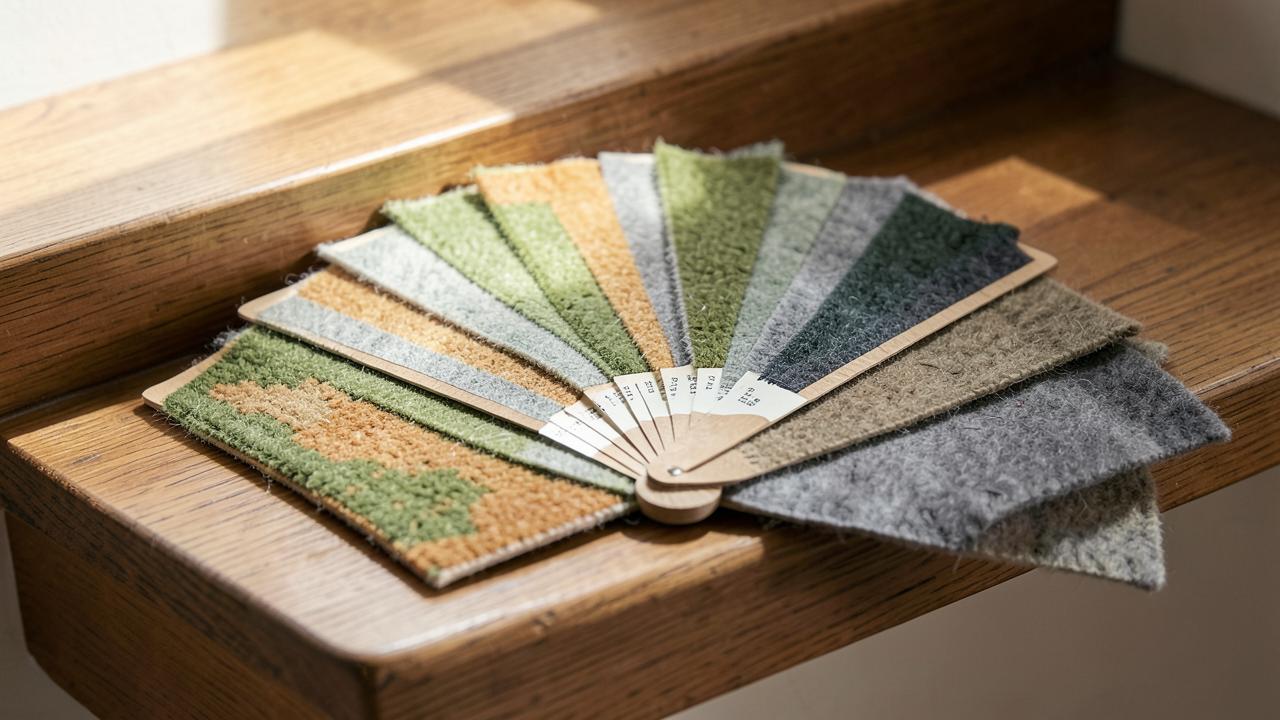
The ubiquity and utility of grey
Grey has dominated interior design for over a decade, and for good reason. It provides a sophisticated alternative to beige while remaining neutral enough to allow for changing wall colours and furniture. On a staircase—the literal backbone of a home—grey acts as a stabilizing force. It is the bridge between the public areas of the ground floor and the private spaces above.
However, the biggest mistake people make is thinking that 'grey is just grey'. In reality, grey is a complex mix of pigments, and every grey has an 'undertone' that will emerge once it is installed across a large surface area like a flight of stairs.
Understanding Greys: Warm vs. Cool
This is the most critical decision in your selection process. The 'temperature' of the grey will determine how it interacts with your lighting and your woodwork.
Cool Greys (The Architectural Look)
Cool greys have blue, green, or violet undertones. They feel crisp, clean, and modern. They work exceptionally well in homes with a lot of natural light and are the perfect partner for bright white woodwork and cool-toned metals like chrome or stainless steel. However, in a dark, north-facing hallway, a cool grey can look slightly 'flat' or even 'chilly'.
Warm Greys (The 'Greige' Revolution)
Warm greys—often called 'greige'—have yellow, red, or brown undertones. They feel cosier and more inviting than cool greys. They are the ideal choice for traditional homes, especially those with original oak or pine floors, as the warmth in the carpet speaks to the warmth in the wood. Warm greys are also more forgiving under the yellow-hued bulbs often found in hallways.
| Feature | Cool Grey | Warm Grey (Greige) |
|---|---|---|
| Undertones | Blue, Green, Silver | Brown, Yellow, Taupe |
| Best Wood Match | Ash, Maple, Painted White | Oak, Pine, Walnut |
| Visual Feel | Sharp, Modern, Clinical | Soft, Welcoming, Traditional |
| Light Requirement | High natural light | Works well in dim light |
The 'Hidden Undertone' Trap
Have you ever seen a grey carpet that looks slightly pink or purple once it's laid? That is an undertone issue. When you look at a small sample, the undertone is hard to spot. But when you cover 15 steps in it, the colour is amplified.
To avoid this, always place your grey sample next to a sheet of pure white paper. This 'tricks' your eye into seeing the secondary colours in the grey. If the grey looks blue next to the paper, it will look even bluer on the stairs. Check out our guide on stair runner colours for more on colour theory.
Texture: Making Grey Interesting
Because grey is a neutral colour, it can sometimes look a little 'flat' if the carpet has no texture. To add visual interest without adding loud patterns, look for specific weaves:
- Herringbone: The classic V-shaped weave. It adds a sense of luxury and direction. A grey herringbone runner is arguably the most timeless choice for a British home.
- Loop Pile / Bouclé: Provides a chunky, organic texture that makes the grey feel more like a natural material like stone or wool.
- Velvet: A smooth, cut pile that looks incredibly sophisticated but shows every footprint (shading). Best for low-traffic 'show' staircases.
- Bordered: A mid-grey runner with a charcoal border adds definition and 'frames' the stairs beautifully. See patterns and borders.
Matching Grey with Wood Finishes
Most staircases involve a mix of carpet and exposed wood. Getting this relationship right is key.
- Light Wood (Oak/Ash): Pairs well with almost any grey, but a warm mid-grey is the safest bet. It provides enough contrast to show off the grain of the wood without clashing.
- Dark Wood (Walnut/Mahogany): Looks stunning with a very light 'silver' grey for high contrast, or a deep charcoal for a moody, masculine look.
- Painted Wood (White/Black): White woodwork allows a grey runner to be the star. Black woodwork paired with a grey runner creates a very modern, graphic look.
For more on this, see runners on wooden stairs.
The Impact of Natural Light: North vs South Facing
One of the most overlooked factors when choosing a grey stair runner is the orientation of your hallway. Light is the single most significant influencer of how a grey pigment appears. A grey that looks like a soft, warm stone in a showroom can easily turn into a cold, blueish slate once installed in a north-facing British hallway.
North-Facing Hallways: These spaces receive a cooler, bluer light. If you install a cool grey with blue undertones here, the space will feel clinical and chilly. To counteract this, always lean towards "warm greys" or "greiges" with yellow or red bases. These warmer tones will soak up the cool northern light and feel much more balanced and inviting.
South-Facing Hallways: These areas are flooded with warm, yellow-toned sunlight for much of the day. Here, you have more freedom. A cool grey can look incredibly sophisticated and crisp as the warm sun balances out the blue undertones. However, be wary of very pale warm greys, as they can occasionally look slightly yellow or "dirty" when hit with intense southern sun.
Artificial Lighting: Remember that for much of the winter, your runner will be seen under artificial light. LED bulbs come in various "temperatures" (measured in Kelvin). A "Cool White" bulb will make any grey look colder, while a "Warm White" bulb will bring out the brown and yellow undertones. We recommend testing your samples under the exact bulbs you intend to use.
Grey Runners on Landings and Hallways: Creating Flow
A staircase doesn't exist in isolation; it is a transition between levels. When installing a grey runner, you must consider the "landing flow". Most homeowners choose to end the runner at the top step, but continuing the runner onto the landing can create a sense of cohesion and luxury.
If you have a large landing, a "T-shaped" runner installation—where the runner branches off to different corridors—adds a bespoke, architectural feel. Grey is the perfect colour for this because it acts as a neutral "spine" for the home. It allows you to have different bedroom colours (a blue room, a green room, a pink room) while the grey landing provides a consistent, calming transition between them.
For narrow landings, a grey runner that matches the width of the stairs helps maintain a sense of proportion. If your landing is particularly dark, choosing a grey with a slight "lustre" or silver thread can help reflect what little light is available, making the upper floor feel more spacious than it actually is.
Practicality First: Hiding Traffic Marks and Tracking
The stairs are the highest traffic area in any home. Every time you walk up, your feet (or socks) exert pressure on the same central strip of the carpet. Over time, this can lead to "tracking"—a visible path where the fibres have been compressed or soiled.
Grey is a champion at hiding this, but some greys are better than others. A solid, flat grey in a cut-pile velvet will show every footprint and "shading" mark (where the pile is pushed in different directions). While some people love this look for its luxury, others find it messy.
To minimize the appearance of traffic, opt for a grey twist pile or a loop pile. Twist piles are made of tightly coiled yarns that bounce back into place, hiding the effects of footsteps. Loop piles, especially those with a "multi-level" design, create a rugged surface that breaks up the light, making it nearly impossible to see where someone has walked.
Furthermore, consider a heathered grey. This isn't just one shade of grey, but a blend of light, mid, and dark fibres. This "salt and pepper" effect is the ultimate camouflage for lint, pet hair, and the inevitable bits of dried mud that find their way onto a staircase.
Grey with Oak vs. Painted Treads: A Style Comparison
The interaction between your grey carpet and the wood of your stairs defines the overall aesthetic of the installation.
Grey on Oak: This is the classic "Modern Country" look. The natural honey tones of oak provide a warm frame for the grey runner. To make this work, ensure the grey has a hint of warmth (a greige). If the grey is too blue, it will clash with the orange tones of the oak, creating a visual tension that feels "off".
Grey on Painted White: This is the "Scandi-Minimalist" or "Coastal" look. It is high-contrast and very clean. Any shade of grey works here, from the palest silver to the deepest charcoal. The white paint acts as a "mat" around a piece of art, making the grey runner the focal point.
Grey on Black/Dark Navy: For a dramatic, "Boutique Hotel" feel, painting your treads and risers in a very dark tone and pairing them with a mid-grey runner is incredibly effective. It creates a moody, sophisticated atmosphere that works particularly well in Victorian homes with high ceilings.
Safety and Practicality
Grey is a practical choice, but consider the following:
- Visual Definition: In very dim light, a mid-grey runner can blend into grey-painted walls, making the steps hard to see. Ensure your nosings are clear.
- Fibre Choice: Wool greys tend to look richer and more 'natural'. Synthetic greys are easier to clean but can sometimes have a silver 'sparkle' that makes them look cheaper in direct light. See wool vs synthetic.
- Width: A grey runner that is too narrow can look like a 'strip' of tape. Ensure you leave appropriate margins (usually 5-10cm). See choosing the right width.
The Evolution of Grey: What's Next?
While 'Millennial Grey' (the flat, cool grey of the 2010s) is fading, it is being replaced by 'New Neutrals'. These are greys that lean heavily into nature—colours that evoke wet stone, lichen, and pebbles. These 'earthy greys' are more sustainable in terms of style, as they don't feel tied to a specific decade. They are designed to last the life of the carpet.
Maintenance of Grey Runners
Grey is generally low-maintenance, but pale greys are susceptible to 'water marking' and 'tracking'.
- Vacuuming: Regular vacuuming prevents grit from dulling the grey fibres.
- Spot Cleaning: Grey is excellent at hiding the residue of cleaning, but always blot, never rub.
- Professional Cleaning: A grey runner will slowly 'tan' or yellow over years of foot traffic as it accumulates oils. A professional steam clean every 18 months will restore the crispness of the colour. See cleaning guide.
Summary of Grey Tones
| Shade | Pros | Cons |
|---|---|---|
| Light/Silver | Brightens dark halls; feels airy and luxurious. | Shows every muddy footprint; high maintenance. |
| Mid-Grey/Heather | The 'Goldilocks' shade; hides everything; very versatile. | Can be seen as 'safe' or boring without texture. |
| Charcoal/Anthracite | High drama; very modern; hides dark stains. | Shows white lint and dust; can darken small spaces. |
| Greige (Warm Grey) | Cozy; matches wood perfectly; works in any light. | Can look slightly 'muddy' in certain cool lights. |
Final Thoughts
A grey stair runner is rarely a 'mistake', but it can be a missed opportunity. By moving beyond the first grey sample you see and looking for the right undertone, the right texture, and the right warmth for your specific home, you can turn a neutral necessity into a design triumph. Whether it's a chunky wool loop in a warm pebble tone or a sharp charcoal herringbone, the right grey will make your stairs feel like a deliberate, integrated part of your home's architecture.
Frequently asked questions
- Is grey still in style for stair runners?
- Yes, grey remains the most popular neutral choice due to its extreme versatility. However, the trend has shifted from 'cool, flat greys' to 'warm, textured greys' (often called greige) that offer more depth and a more welcoming feel.
- How do I choose between a warm and cool grey?
- Look at your existing woodwork and light. If you have oak or warm timber, a warm grey (with yellow or brown undertones) will harmonise better. If you have crisp white trim and lots of natural light, a cool grey (with blue or silver undertones) creates a sharp, modern look.
- What is the most forgiving shade of grey for dirt?
- A mid-tone grey with a 'heathered' or multi-tonal fleck is the most practical. Very pale greys show soil and footprints, while very dark charcoals show lint and dust. The 'middle ground' hides the widest variety of household debris.
- Does a grey runner work with brown wood stairs?
- Yes, but you must be careful with undertones. A grey with a slight brown or 'greige' undertone will bridge the gap between the cool carpet and the warm wood perfectly. Avoid very blue-toned greys against warm orange-toned oak.
- Can I use a grey runner in a dark hallway?
- Absolutely. Choose a light-to-mid grey to help bounce light around the space. Grey is often better than beige in dark halls as it looks more intentional and less likely to turn 'yellow' under artificial light.
- What wall colours go best with a grey runner?
- Almost anything. For a subtle look, use a lighter shade of the same grey. For contrast, navy blue, forest green, or even bold terracotta can work beautifully against a neutral grey base.
- What is the best lighting for a grey runner?
- Warm white LEDs (around 2700K-3000K) are generally best for grey runners as they prevent the space from feeling too cold or 'industrial', which can happen with cooler daylight bulbs.
- Will a grey runner show pet hair?
- It depends on the shade and the pet. A mid-grey heathered (flecked) runner is excellent at hiding both light and dark pet hair. However, a solid charcoal runner will show white cat or dog hair very clearly, while a very pale silver runner will show dark hair.
Related guides
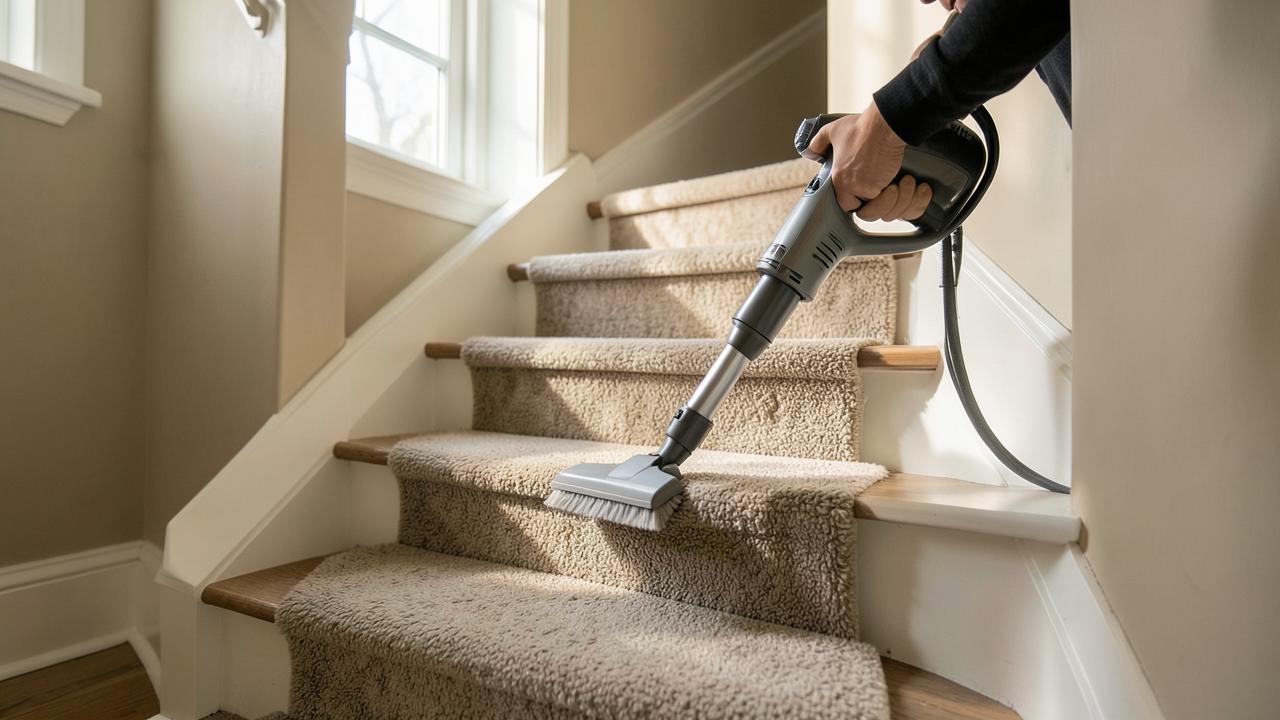 CareCleaning and Caring for a Stair RunnerRoutine vacuuming, spill response by fibre type, slipping and fraying, and when to call a professional.
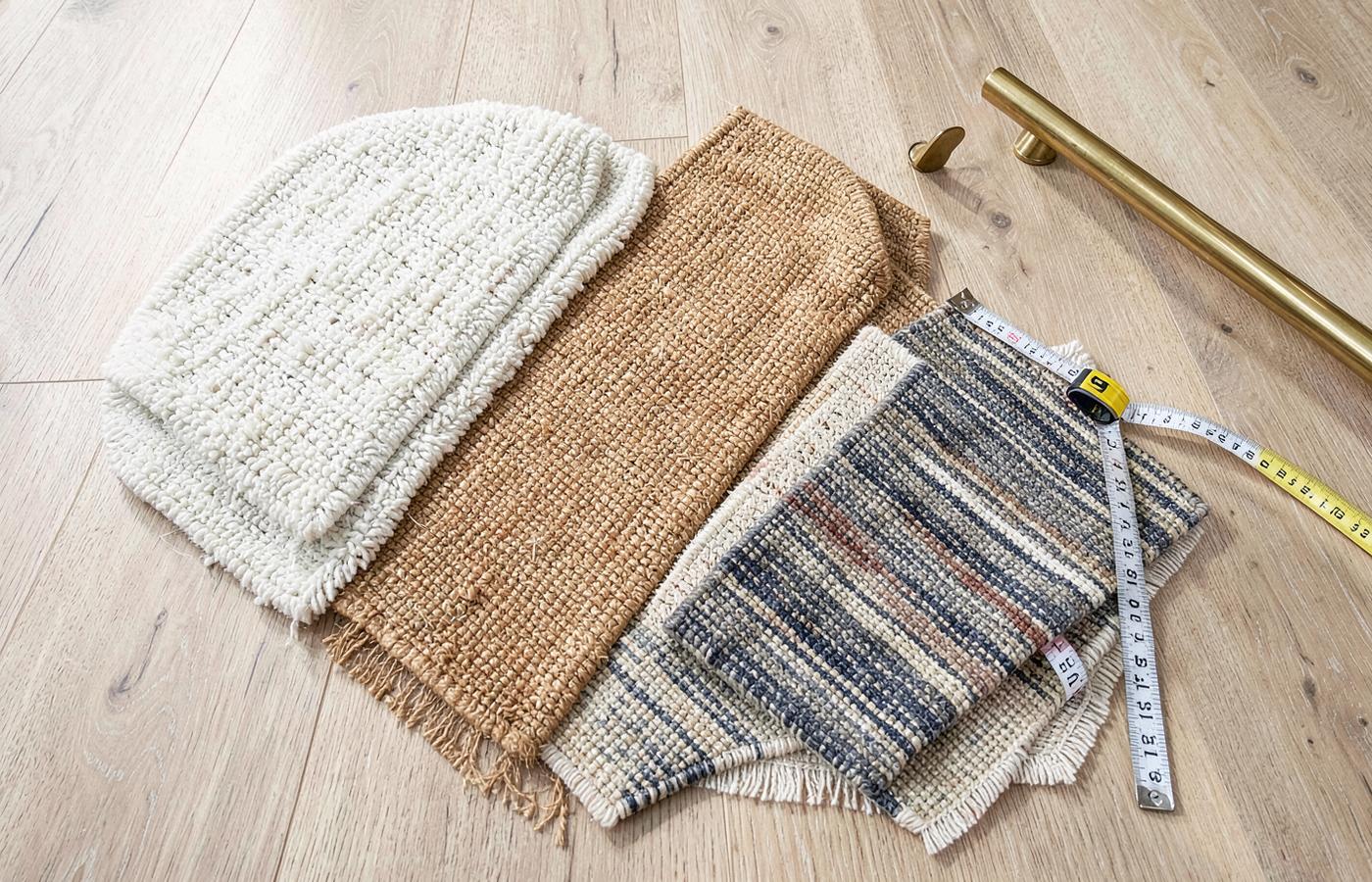 ComparisonsWool vs Synthetic Stair RunnersWool, nylon, polyester and polypropylene compared on stair-specific wear, cleaning, comfort and price.
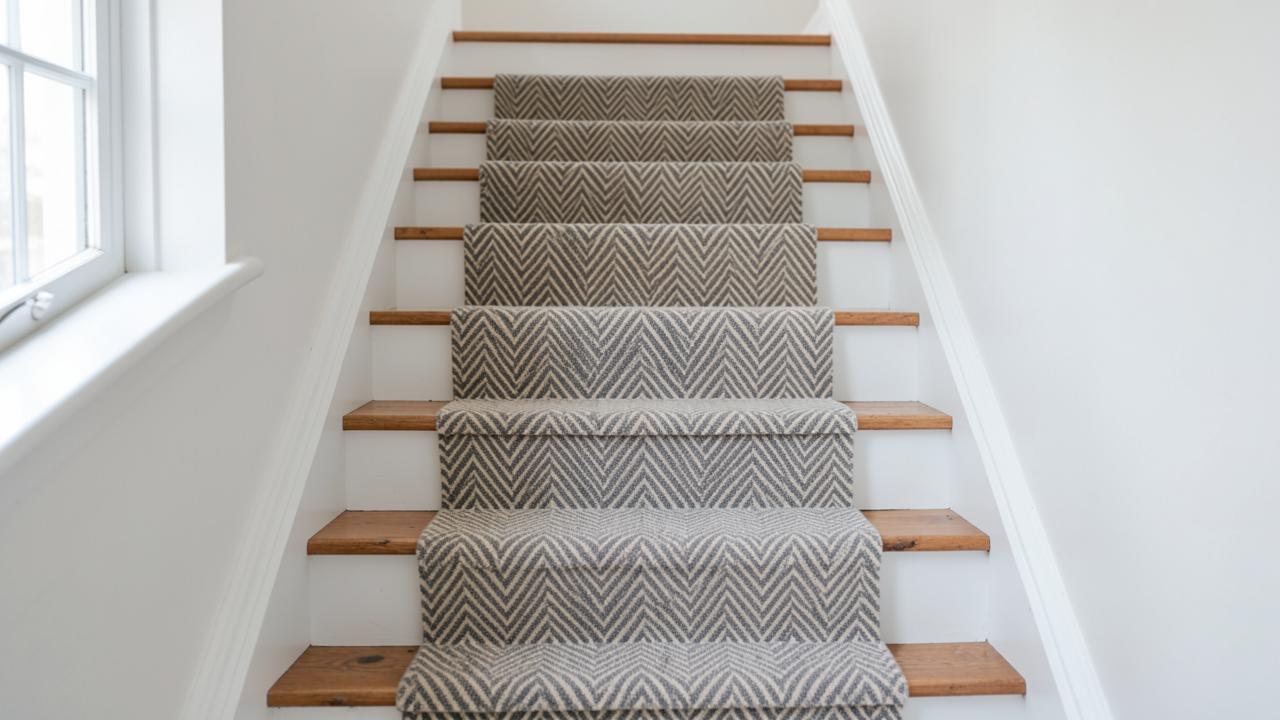 DesignStair Runner Patterns ExplainedHerringbone, chevron, stripes, plaid, geometrics and animal prints judged by how they behave on a staircase.
- DesignChoosing a Stair Runner ColourHow light, adjacent flooring, trim colour, traffic and dirt should drive the colour decision.