Colour Guide
The comprehensive guide to red stair runners
Red is the colour of energy, warmth, and tradition. A red stair runner makes a definitive statement, transforming a functional transit space into a grand architectural feature.
Written by the StairRunner.co editorial team · Updated 4 September 2026
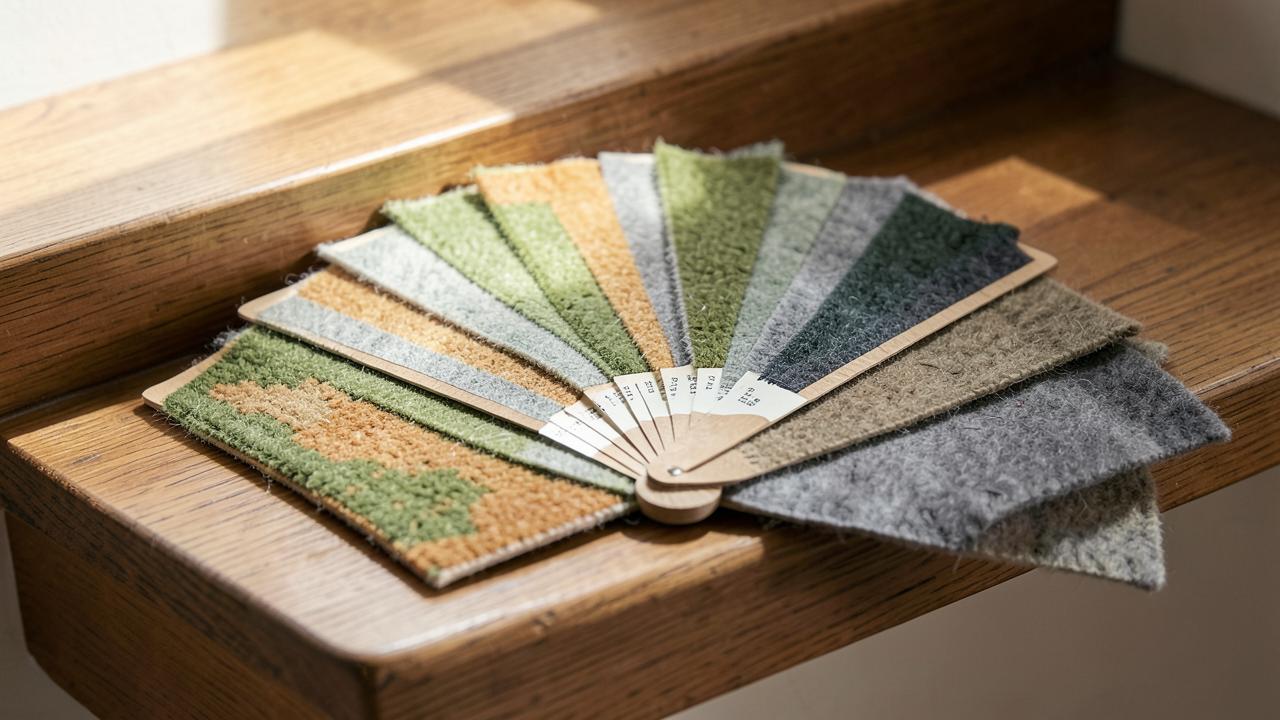
The psychological impact of red on a staircase
Red is a colour that cannot be ignored. In the psychology of colour, red is associated with warmth, energy, and excitement. It is a 'physical' colour, known to increase the heart rate slightly and evoke a sense of urgency or importance. This makes it an interesting choice for a staircase. Unlike the bedroom, where you might want calm blues, the hallway and stairs are areas of movement. Red encourages this flow, creating a sense of arrival and transition that is both welcoming and invigorating.
Historically, red has been the colour of status. From the "red carpet" of Hollywood to the grand crimson-lined staircases of English stately homes, red signifies that the path you are walking on is significant. When you install a red runner in a domestic setting, you are tapping into this heritage. It gives the home a sense of permanence and gravitas. However, the intensity of red means it must be handled with care. A staircase is a large vertical surface, and a runner acts as a long, unbroken ribbon of colour. If the red is too bright or "noisy," it can dominate the entire ground floor.
The key to a successful red runner is choosing a shade that reflects the specific character of your home. A modern apartment might benefit from a clean, poppy red with a grey border, while a Victorian terrace is better suited to a deep, multi-tonal wine red that feels as though it has always been there.
Navigating the red spectrum: From Terracotta to Burgundy
Red is one of the broadest colour families in interior design. Small shifts in undertone—towards blue, yellow, or brown—completely change how the runner behaves on the stairs.
Heritage Reds: Crimson, Wine, and Burgundy
These are the classic "English" reds. They have a blue undertone, which gives them a cool, sophisticated feel despite their depth. Burgundy and wine are exceptionally practical choices for stairs. They are dark enough to hide the "shadowing" that occurs in the traffic lane as the pile is compressed, and their depth allows them to swallow up muddy footprints and dark stains. These shades look their best when paired with dark-stained timber and traditional brass stair rods.
Earthy Reds: Terracotta, Brick, and Rust
These reds lean towards yellow and brown. They are "warm" reds and feel much more casual and organic than the heritage shades. Terracotta is a popular choice for homes with a Mediterranean or rustic aesthetic. It pairs beautifully with natural oak and reclaimed pine. Because these shades are lighter and more "muted," they are less formal and can make a hallway feel cosy and sun-drenched even on a grey day.
Modern Reds: Scarlet, Poppy, and Chili
These are high-saturation, high-energy reds. They are best used in modern homes as a deliberate accent. A scarlet runner on a white-painted staircase is a bold, graphic statement. However, these bright reds are the most demanding in terms of maintenance. They don't hide dirt as well as the darker wine tones, and they are more prone to showing the effects of UV fading if the staircase is near a large window.
| Shade | Traffic Tolerance | Dirt Concealment | Atmosphere |
|---|---|---|---|
| Burgundy | High | Excellent | Formal / Stately |
| Terracotta | Moderate | Good | Warm / Rustic |
| Scarlet | Low-Moderate | Fair | Energetic / Graphic |
| Rust | High | Very Good | Industrial / Cosy |
Light behaviour: The 'Glow' vs the 'Mud'
Red is highly sensitive to the Light Reflectance Value (LRV) of the space. Because it is a saturated colour, it doesn't just reflect light; it often "glows." In a well-lit hallway, a red runner can cast a warm, rosy tint onto the surrounding walls. This can be a beautiful effect, making the whole entrance feel warm. However, in a very dark hallway with poor lighting, a deep red can become "muddy" or look almost black, losing its vibrancy and becoming a visual weight.
If your staircase has no natural light, you should opt for a red that is slightly brighter than you think you want. The lack of light will naturally mute the colour. If you have a large, south-facing window that hits the stairs, choose a more muted, desaturated red (like a rust or brick) to prevent the colour from becoming overwhelming in the midday sun.
Lighting temperature is also critical. Cool LED bulbs (4000K+) can make a red runner look harsh and clinical. Warm LED bulbs (2700K) enhance the natural warmth of the red, making the space feel more inviting. Always test your samples at the bottom of the flight, where light is often lowest, and at the top, where it might be brightest.
Pairing red with timber and metalwork
Red is a natural companion for wood. The chemistry between the two creates a sense of luxury.
Red and Dark Timber (Walnut, Mahogany, Stained Oak)
This is the ultimate heritage combination. The dark wood anchors the red, creating a look that is redolent of libraries and traditional clubs. To keep this from feeling too heavy, you can use a runner with a cream or gold border, which provides a visual "break" between the dark red and the dark wood.
Red and Light Timber (Natural Oak, Ash, Pine)
Pairing red with light wood is a more contemporary approach. The contrast is higher, making the runner stand out more. Terracotta and rust tones are particularly effective here, as they share the warm, honey-toned palette of the wood.
The Role of Stair Rods
Metalwork is the "jewellery" of the staircase. Red runners almost always benefit from the addition of rods. Brass or antique gold are the classic choices for red, as the yellow in the metal complements the warmth of the red. For a more modern, industrial look, black iron rods against a rust-coloured runner can look spectacular. Chrome or silver-toned rods are generally avoided with warm reds, as the contrast can feel a little jarring, though they can work well with cool-toned berry reds. See more in our stair rod guide.
Fibre choice and the 'Depth' of Red
The material of your runner changes how the red colour is physically experienced.
- Wool: Wool creates the richest reds. The natural structure of the fibre absorbs light, giving the colour a deep, matte intensity. A burgundy wool runner has a "velvet" quality that synthetics struggle to match. Learn about wool runners.
- Sisal: Dyed red sisal has a unique, rustic look. Because sisal has a natural sheen, the red will "shimmer" slightly as you move past it. It is a great way to have a red runner in a less formal, more bohemian home. See sisal options.
- Polypropylene: Excellent for families. Modern red synthetics are incredibly durable and can be cleaned more aggressively than wool. If you want a bright scarlet or poppy red that won't fade or bleed, this is the way to go. Check synthetic runners.
Safety and Contrast: The Nosing Challenge
Safety is paramount on stairs. Red can present a challenge here because in low light, it can be difficult to see the "depth" of the step. A solid dark red runner on dark stairs can become a single, indistinguishable mass of colour.
To ensure safety, look for runners with a contrasting border or a pattern that breaks up the solid block of colour. This helps the eye identify the edge of the tread (the nosing). Even a thin black or cream border at the edge of the runner provides enough visual information for the brain to judge the steps safely. If you are choosing a solid red, ensure your staircase lighting is bright and even. For a deeper dive, read about stair runner safety.
Pattern and Border Options for Red Runners
Solid red is a big commitment. Patterns can make the colour more manageable.
Traditional Borders: A red runner with a Greek key border or a simple contrasting stripe is a timeless choice. The border "frames" the stairs, making the flight look more structured and formal.
Stripes: Red, cream, and blue stripes (a classic "regency" stripe) can look very smart. Alternatively, a red and grey stripe is a great way to bring red into a more modern, urban setting. Explore striped designs.
Medallions and Motifs: For a truly grand, traditional look, a red runner with a small, repeating pattern (like a fleur-de-lis or a simple dot) adds texture and hides lint much better than a solid colour.
Maintenance and Longevity of Red Runners
To keep a red runner looking vibrant for years, a specific maintenance routine is required.
- Rotation (if possible): While not possible for fitted runners, if you have individual treads, rotating them can help even out wear. For fitted runners, focus on the "landing zones" where feet hit hardest.
- Vacuuming: Red shows light-coloured dust. Weekly vacuuming with a high-quality machine is essential. Use a brush bar for cut-pile wool, but be careful with loop-pile as it can snag.
- Professional Rinsing: Every two years, have the runner professionally cleaned to remove the fine grit that dulls the red hue. Refer to our cleaning guide.
- Sun Protection: If possible, use UV-filtering film on windows that shine directly onto the stairs to prevent the red from fading.
Summary: Is a Red Runner Right for You?
A red stair runner is a choice for the confident homeowner. It is a colour that brings history, warmth, and personality to a home. By selecting the right shade (heritage wine for tradition, earthy terracotta for modern warmth), considering the light levels of your hallway, and ensuring visual contrast for safety, you can create a staircase that is not just a way to get from A to B, but a destination in itself.
Frequently asked questions
- Is a red stair runner too bold for a small hallway?
- It can be, but it depends on the shade. A bright scarlet might overwhelm a small space, but a muted terracotta or a deep wine red can add warmth and 'cocooning' comfort without making the hallway feel smaller.
- Does red carpet show dirt?
- Mid-to-dark reds are excellent at hiding dirt. However, very bright reds can show dark stains, and very dark burgundy can show light-coloured lint and pet hair. It is a very practical choice for high-traffic zones.
- What wall colour goes with a red stair runner?
- Neutrals are the safest bet—creams, off-whites, and warm greys. For a more dramatic look, navy blue or deep forest green walls create a classic heritage feel that complements red beautifully.
- Will a red runner bleed when cleaned?
- Red dye is historically the most likely to bleed. To prevent this, always use a pH-neutral cleaner and avoid over-saturating the carpet. Solution-dyed synthetics are almost entirely resistant to bleeding.
- Does red fade in the sun?
- Red is sensitive to UV light. If your stairs are in a very sunny spot, the red can shift towards a more orange or pink tone over time. UV-protected wool or high-quality synthetics are recommended.
Related guides
 CareCleaning and Caring for a Stair RunnerRoutine vacuuming, spill response by fibre type, slipping and fraying, and when to call a professional.
 InstallationStair Rods, Clips and Runner HardwareHow stair rods, clips, brackets and bars actually work, when they hold a runner and when they are decorative.
- DesignChoosing a Stair Runner ColourHow light, adjacent flooring, trim colour, traffic and dirt should drive the colour decision.
 MaterialsWool Stair RunnersWhy wool holds its shape on stairs: crimp, twist, blends, staining, moths, shedding and honest limitations.