Installation
Can you put a stair runner over carpet?
It is one of the most-asked questions about stair runners, and the honest answer is a qualified no — for reasons that are about physics rather than fussiness.
Written by the StairRunner.co editorial team · Updated 4 September 2026
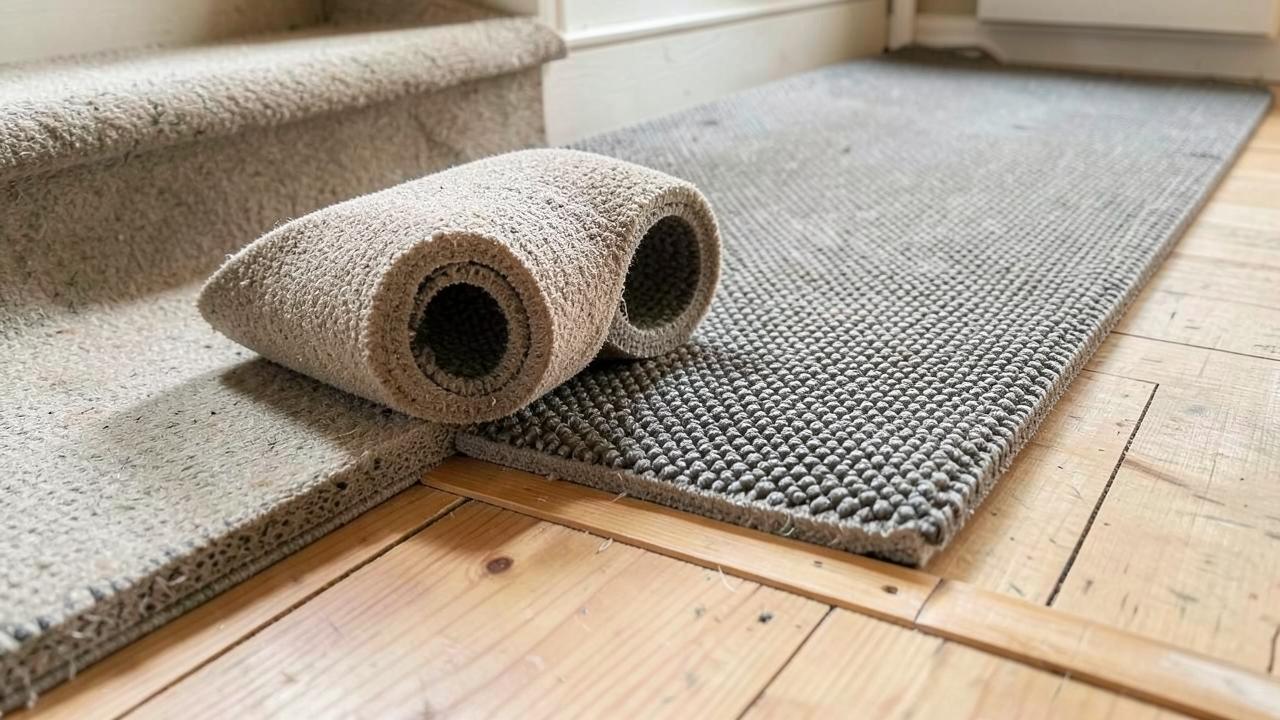
Why it fails
- No firm substrate. Tack strips and staples need timber to bite into. Through carpet and pad they hold poorly and pull free over time.
- Inconsistent compression. The old carpet compresses more in the walking lane than at the edges, so tension varies step to step and the runner drifts.
- Height at the nosing. Two layers of carpet plus two pads build up a noticeably thicker, softer edge. A soft nosing is exactly what you do not want underfoot.
- Hidden condition. You cannot see whether treads are sound, dry or squeaking, and you will not find out until the whole assembly is lifted again.
The better sequence
- Lift the existing carpet, pad, tack strips and staples completely.
- Inspect and repair the treads: screw down anything loose, fill and sand, deal with squeaks.
- Decide how the exposed margins will look. Bare timber may need sanding, staining or painting — this is often the real cost of the change.
- Fit new pad and the runner using standard method.
Legitimate alternatives if the carpet stays
| Option | Suits | Limitations |
|---|---|---|
| Removable carpet stair treads | Rentals, temporary needs, adding grip | Must be checked regularly for movement; a segmented look |
| Replacing the carpet with a runner-look fit | Wanting the runner appearance permanently | Full removal and margin finishing required |
| Deep cleaning the existing carpet | Carpet that is sound but tired | Does not address wear or colour |
If your motivation is appearance rather than grip, compare the two formats honestly in stair runner vs full carpet before committing to the removal work. If it is grip, read non-slip stair runners first — the fix may be simpler than replacing anything.
Why this question comes up so often
The appeal is obvious: an existing carpet is worn or dated, removing it feels like extra work and extra mess, and laying a new runner straight on top looks like a shortcut to a finished result without touching what is underneath. It is the stair-covering equivalent of laying new flooring over old flooring, which is a genuinely common and often acceptable practice on flat floors. Stairs are different, and the difference is entirely down to what a runner needs from the surface beneath it in order to stay safe.
A flat floor covering only has to resist being walked across; a stair covering has to resist being pushed, pulled and loaded at an angle on every single step, thousands of times a year, with the load concentrated right at the front edge of each tread. That is a far more demanding job, and it depends entirely on the covering being anchored to something that does not give.
What tension actually means on a staircase
When a runner is fitted correctly, the fitter pulls it firmly into the crease between each tread and riser before fixing it, so the material sits under tension rather than lying loose. That tension is what stops the runner ballooning forward under a footstep and stops it creeping downward over months of use. Tension only holds if the anchor points — the tack strip or staples at the back of each tread — are fixed into something rigid. Timber gives that rigidity. A carpet and its pad do not; they compress under load and spring back, which means any tension applied during fitting bleeds away as soon as someone actually walks on the new runner. This is the mechanical reason fitting over carpet does not hold up, independent of how careful the installer is.
Working through the specific failure points
Each of the problems with fitting over carpet compounds the others rather than acting alone. The lack of a firm substrate means fixings do not bite properly, so the runner starts loose at the point of fitting rather than loosening over time. Uneven compression under footfall means the runner does not stay flat — the walking lane sinks more than the edges because it carries more weight, so ripples and puckers develop specifically where the covering is used most. The added height at the nosing, from stacking two carpets and two pads at the front edge of the step, makes the leading edge of each tread soft and imprecise underfoot, which is the opposite of what you want at the point where a foot first lands or pushes off. And because the old carpet is still there, hiding the treads, any structural problem — a squeak, a loose board, early rot near a window at the top of the stairs — stays hidden and untreated under two layers of covering instead of being caught and fixed.
None of these individually might cause an accident on day one. Together, and given enough months of use, they tend to produce exactly the kind of gradual, hard-to-notice movement that catches someone out on an ordinary Tuesday rather than during any obvious moment of failure.
Why fitters decline the work
A tradesperson who fits stairs for a living has usually seen the outcome of fitting over existing carpet at least once, either as a callback or as someone else's failed job they were asked to fix. Because the result depends on the condition of a substrate they cannot properly inspect or control, they cannot warrant the outcome the way they can when fitting onto bare treads. Declining the job, or fitting it only after insisting on removal first, is the professional response to a job that cannot be done to a standard they are willing to stand behind. If you get a quote for fitting over carpet without any pushback at all, that is worth treating as a warning sign about the quote generally, not a point in its favour.
The removal step, properly scoped
Removing an existing stair carpet is more involved than pulling it up. Old tack strip is usually still fixed to the treads and needs to come out cleanly, ideally without splitting the timber around it. Staples from a previous runner or carpet fitting are often left behind in the tread surface and need to be found and removed individually, because a proud staple point left under a new runner will eventually work its way through the pile. Once everything is off, the treads need inspecting properly: pressed and walked on to find movement, checked for rot near any exterior wall, and any old adhesive residue cleaned back so a new pad sits flat. This stage is unglamorous and easy to underestimate when planning time and cost for the project, but skipping it is exactly how a new runner ends up with the same problems as the old one, just later.
Dealing with what removal reveals
The most common surprise after lifting old stair carpet is the state of the exposed margins — the parts of each tread that will sit either side of a new runner, or the whole tread if you are switching to full carpet either way. Builder's-grade softwood treads that were always intended to be covered often look rough, inconsistently coloured, or marked from decades of tack strip and staples. Budgeting time and possibly a small amount of money for filling, sanding, and staining or painting these margins is often the real cost of "just" swapping a worn carpet for a new runner, and it is worth pricing before committing to a look that assumes a tidy exposed margin. The decision over how much of the tread to leave exposed is covered in stair runner width and margins.
What genuinely can go over an existing surface
The advice against fitting over carpet applies specifically to a continuous, tensioned, fixed runner on a flight of stairs, because that is the application where tension and a firm substrate matter most. It does not mean nothing can ever sit on top of an existing floor covering. Individual carpet stair treads with a genuinely non-slip backing are a reasonable compromise precisely because they do not rely on stair-length tension the way a runner does — each one only has to stay put on its own tread, and it can be checked and re-seated individually. On a landing, which is flat rather than stepped, a rug over existing carpet carries much lower consequences if it moves slightly, though it should still be paired with a proper anti-slip rug pad rated for use over carpet rather than left loose, and checked periodically the way any rug should be.
A realistic way to plan the project
If cost and disruption are the reason you were considering skipping removal, it is worth separating the job into stages rather than avoiding the harder stage altogether. Lifting the old carpet, pulling tack strip and staples, and doing basic filling and sanding are all tasks a reasonably confident homeowner can do without specialist tools, which keeps the labour-intensive but low-skill part of the job in your own hands. Hiring a fitter for the measuring, cutting and fixing of the new runner then buys you the precision that stage actually needs. This split — DIY preparation, professional fitting — is discussed more fully in DIY stair runner installation and keeps the project honest about which parts of the work genuinely require skill.
Frequently asked questions
- Will putting a runner over carpet damage the stairs?
- It can. The staples and tack strips will penetrate both layers, leaving multiple holes in the original carpet. More importantly, the friction between two carpet backings can act like sandpaper on the timber treads, wearing down the finish or even the wood itself as the runner shifts.
- Is there any type of carpet that CAN go under a runner?
- Low-profile, extremely dense commercial carpets (like needle-punch or very short loop) are the least problematic substrates, but even then, the lack of a rigid fixing point makes a standard runner installation unreliable.
- Can you install a stair runner over existing carpet?
- It is physically possible but rarely advisable. The existing carpet and its pad compress unevenly under the runner, so the runner cannot be held at consistent tension. The result creeps, ripples and becomes a trip hazard, and fixings have nothing solid to grip.
- Why do fitters refuse to do it?
- Because they cannot guarantee the result. Tack strips need a firm substrate, staples need to bite into timber, and tension needs an unyielding surface to work against. Fitting over carpet removes all three, so most professionals will decline or will not warrant the work.
- What if I only want a temporary solution for a rental?
- Consider individual carpet stair treads with a removable grip backing instead of a continuous runner. They add grip and appearance without fixings, and they can be lifted and replaced. Check they cannot slide before relying on them.
- Can I put a runner over carpet on a landing?
- A landing is flatter and lower risk than a flight, but a loose rug over carpet still slides. If you do it, use a purpose-made rug pad rated for use over carpet, and check it regularly.
Related guides
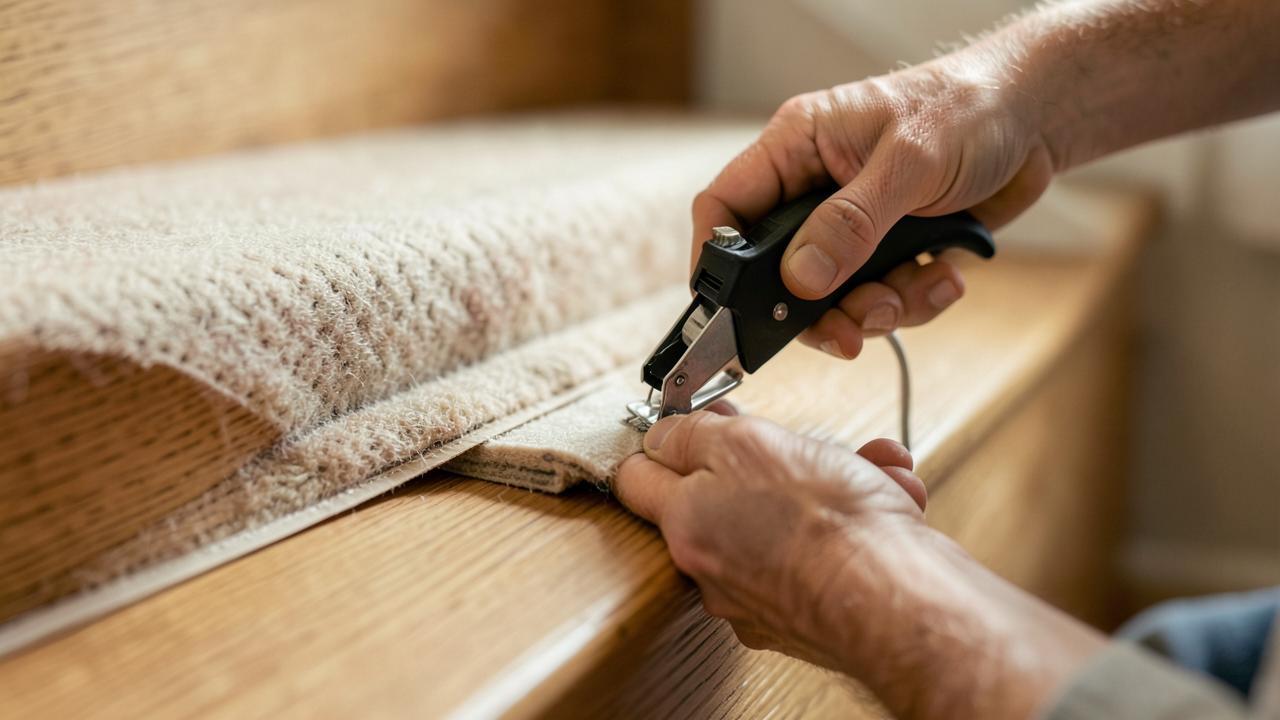 InstallationHow to Install a Stair RunnerWaterfall and Hollywood methods, staples versus rods, tools, sequence and quality checks.
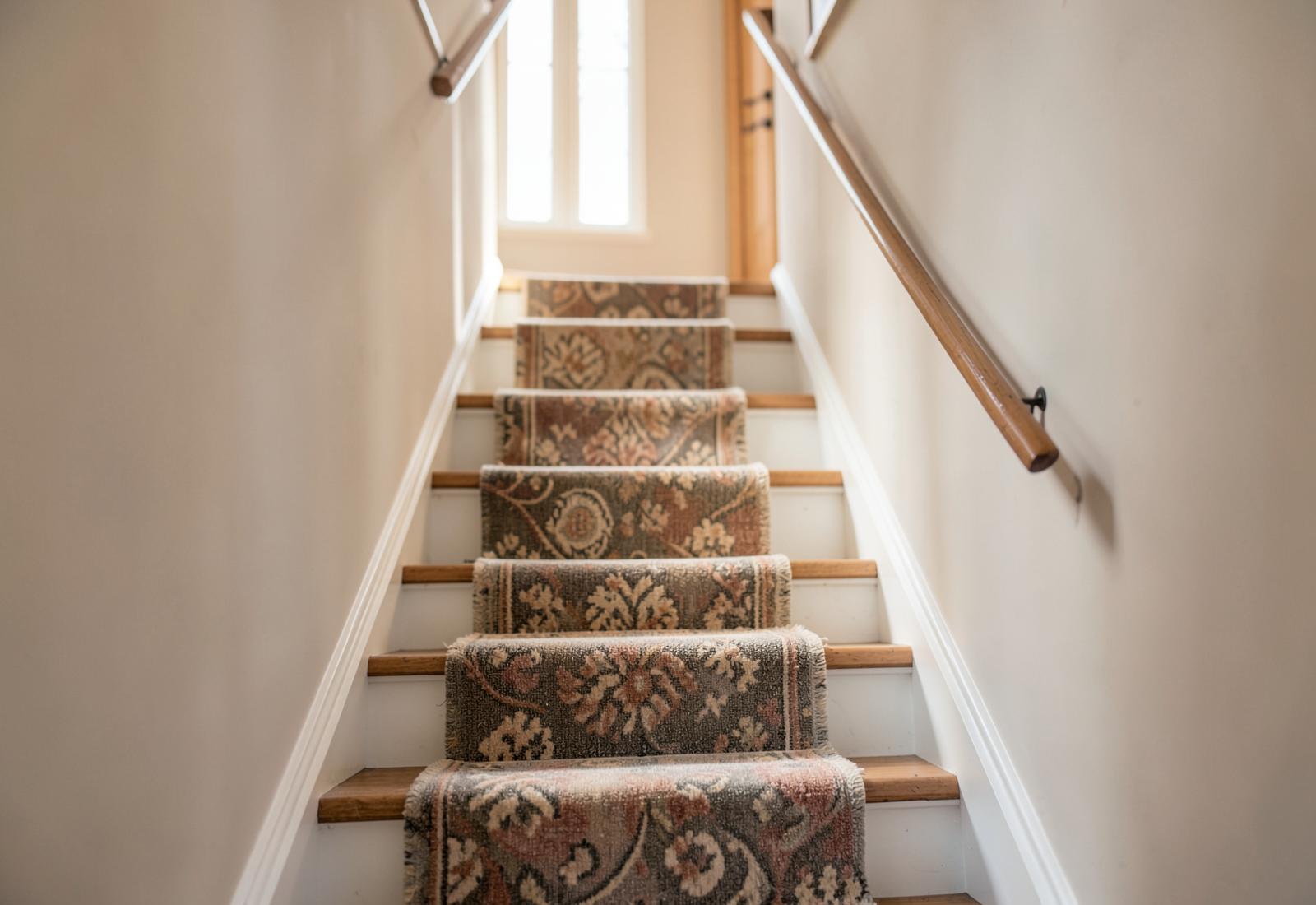 ComparisonsStair Runner vs Full CarpetA side-by-side comparison of appearance, safety, noise, cleaning, cost and resale considerations.
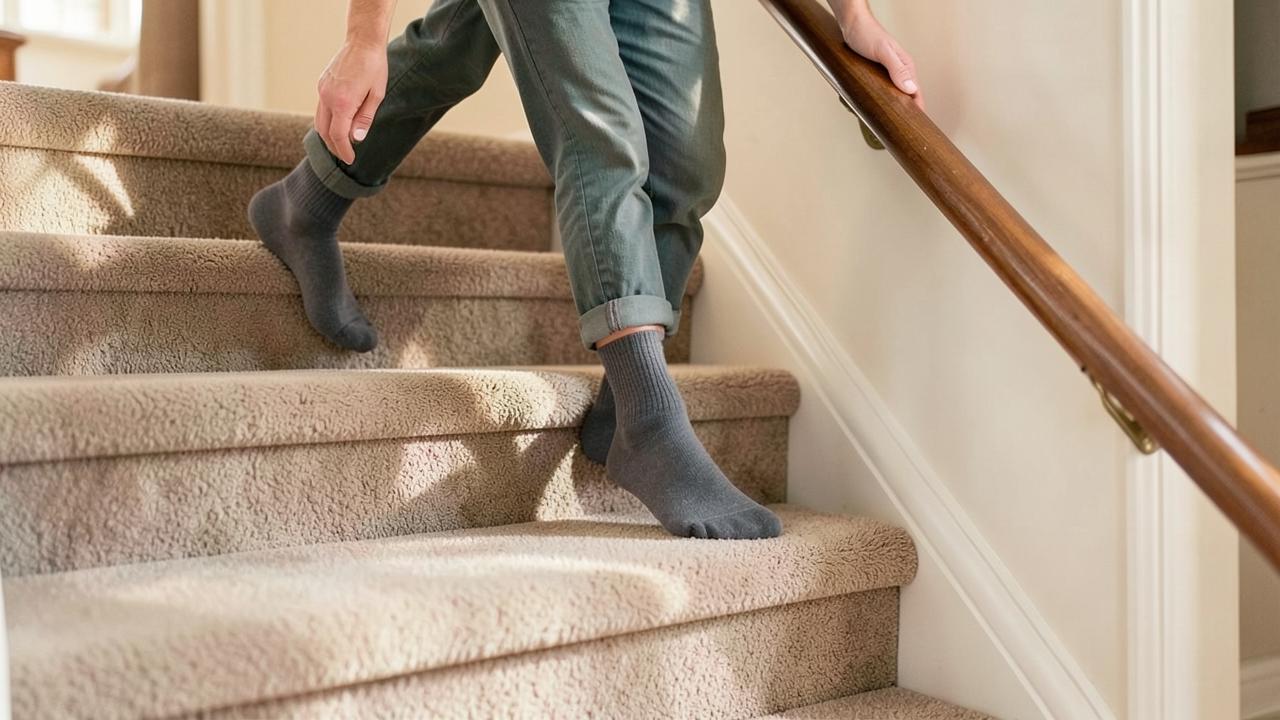 SafetyNon-Slip Stair Runners and Stair SafetyWhat actually makes a stair covering grippy: fitting tension, pile, pad and nosing coverage.
- ComparisonsStair Treads vs a Continuous RunnerIndividual carpet treads compared with a single fitted runner on safety, looks, cost and removability.
The "Floating" Runner Problem
A stair runner that is not anchored to a solid base is effectively a floating object. Even if it feels secure when first stepped on, the physics of a staircase work against it. Every time you climb, your foot exerts a horizontal force (shear) that pushes the carpet forward. On bare wood with a proper pad, this force is resisted by the high-friction interface and the physical teeth of the tack strip. When laid over carpet, the entire assembly — the new runner, the old carpet, and the old pad — can slide as a single unit against the timber. This is why a runner that looks perfect on day one can be several inches out of alignment within a month, creating a hazardous bulge at the top or bottom of the flight.
Spotting hidden tread damage before you fit
Lifting an old carpet often reveals why the runner was being considered as a cover-up in the first place. Beyond aesthetic issues, you should look for structural "red flags": loose treads that move when stepped on, "smiling" nosings (where the front edge has worn thin or split), and old woodworm holes. If the staircase is very old, the treads may not be level, which is easier to fix once the carpet is gone but impossible to manage if you try to install over the top. Taking the time to screw down loose boards and fill cracks not only makes the new runner look better but also eliminates the squeaks that can be amplified by a new, tighter installation.
Temporary vs Permanent: The Cost of Fixing it Twice
The strongest argument against fitting a runner over carpet is financial. A runner is a significant investment in material. By fitting it poorly over an unstable base, you guarantee that the runner will wear prematurely. The internal friction between the two layers of carpet backing will break down the fibres of both, often leading to a "bald" look in the walking lane within a few years. When the runner eventually fails or becomes too loose to be safe, you will still have to do the work you were trying to avoid: removing the old carpet, preparing the treads, and then buying a *second* new runner because the first one has been damaged by the poor installation. Doing it correctly the first time is the only way to protect the value of the material.