Heritage Design
Victorian stair runners: bringing 19th-century elegance to your home
The Victorian era was a golden age of interior design, characterized by opulence, intricate detail, and a deep appreciation for craftsmanship. A Victorian stair runner is the perfect way to bring this sense of history and grandeur into your home's most prominent thoroughfare.
Written by the StairRunner.co editorial team · Updated 4 September 2026
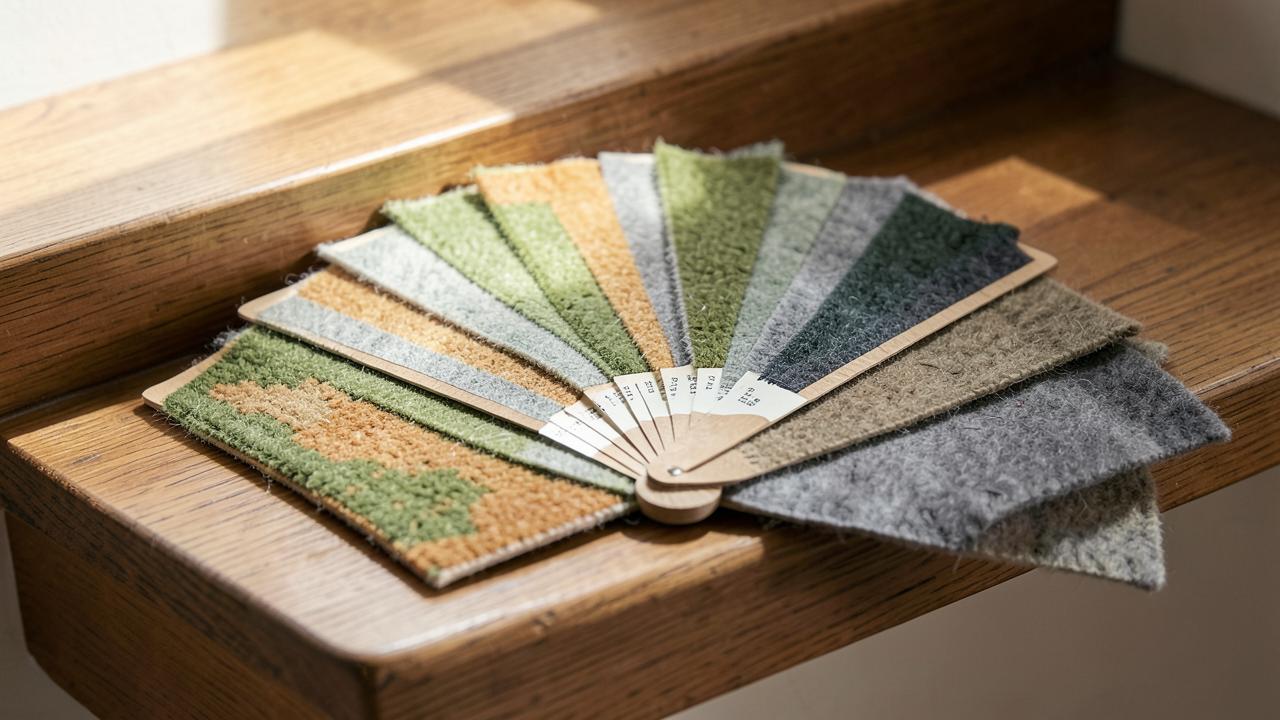
The historical context of the Victorian staircase
In the 19th century, the staircase was more than just a functional element of the home; it was a stage. It was the first thing a visitor would see upon entering the hallway, and it was designed to impress. The Victorian aesthetic was one of abundance and detail. Every surface was an opportunity for decoration, and the staircase was no exception. A runner from this period was not merely a practical addition to reduce noise and wear; it was a central part of the home's decorative scheme, reflecting the wealth and taste of its occupants.
The Victorian era spanned a time of great technological advancement in the textile industry. For the first time, complex patterns could be woven more efficiently, and new synthetic dyes allowed for a wider range of vibrant colours. This led to an explosion in the variety and intricacy of stair runner designs. From the formal, structured patterns of the early Victorian period to the more naturalistic and flowing designs of the later years, the era offers a wealth of inspiration for the modern homeowner looking to replicate this historical look.
Understanding the history of the Victorian staircase helps us to appreciate the design choices we make today. When we install a Victorian-style runner, we are not just adding a carpet; we are connecting our home to a long tradition of British craftsmanship and architectural heritage. The goal is to create a space that feels both timeless and grounded in history.
Defining characteristics of a Victorian runner
What makes a runner 'Victorian'? While the era was long and diverse, several key design elements are consistently associated with this style. Understanding these features will help you to select an authentic and effective design for your own home.
Ornate Patterns: The Victorian aesthetic was 'more is more'. Common motifs included stylized flowers (such as lilies and roses), acanthus leaves, fleur-de-lis, and intricate scrolling patterns. These designs were often layered, creating a sense of depth and complexity. In many cases, the patterns were influenced by global designs, reflecting the reach of the British Empire at the time.
Rich Colour Palettes: Victorians were not afraid of colour. They favoured deep, saturated tones that could withstand the soot and grime of the coal-fired era. Burgundy, forest green, navy blue, and rich golds were incredibly popular. These colours provide a sense of warmth and drama, making the staircase a powerful focal point in the home. Even today, these rich tones work beautifully in period properties, adding a layer of authenticity that lighter colours often lack.
Defined Borders: A Victorian runner was almost never a single, uniform pattern across its entire width. Instead, it was typically framed by a distinct border. This border might feature a simplified version of the main pattern or a completely different, often geometric, design. The border provides structure and formality, neatly containing the central pattern and creating a clear boundary between the runner and the wooden stairs.
High-Quality Materials: In the Victorian era, quality was paramount. Stair runners were made from dense, heavy-weight wool, which was prized for its durability and its ability to hold the vibrant new dyes. This high-density construction meant that the runners could withstand the heavy traffic of a large household and still look beautiful for decades.
| Design Element | Victorian Characteristic | Modern Application |
|---|---|---|
| Pattern | Intricate florals, scrolls, fleur-de-lis | Detailed reproductions in wool or high-end synthetics |
| Colour | Deep burgundy, forest green, gold, navy | Saturated tones that create a focal point |
| Borders | Mandatory, often contrasting and complex | Integrated or applied borders for a tailored finish |
| Width | Narrow, showing significant timber reveal | 10-15cm of exposed wood on each side |
| Accessories | Solid brass or bronze stair rods | Decorative rods in a variety of period finishes |
Choosing the right material for a Victorian-style runner
While the Victorians relied almost exclusively on wool, the modern homeowner has more options. The choice of material will depend on your budget, the level of traffic in your home, and your commitment to historical authenticity.
Wool: The Authentic Choice. For a truly Victorian feel, wool is the only option. Its natural sheen, depth of colour, and tactile quality are essential for replicating the look of a period home. Wool is also naturally resilient and long-lasting, making it a practical choice for a busy staircase. A high-quality wool runner is an investment that will pay dividends in both beauty and durability. Explore the benefits of this traditional fiber in our guide to wool stair runners.
Wool Blends: The Practical Compromise. An 80/20 wool-nylon blend is a popular choice for modern Victorian-style runners. It retains the look and feel of wool while adding the extra strength and durability of nylon. This is an excellent option for households with very high traffic or pets, as it is slightly more resistant to wear and easier to maintain than pure wool.
High-End Synthetics: The Durable Alternative. Modern manufacturing has made it possible to create synthetic runners that very closely mimic the look of traditional wool. Solution-dyed nylon or high-quality polypropylene can be woven with the same intricate patterns and rich colours as a Victorian original. These materials are often more affordable and significantly more resistant to staining, making them a good choice for family homes. For more on these modern alternatives, see our guides to nylon and polypropylene stair runners.
The role of the 'reveal' in Victorian styling
One of the biggest mistakes homeowners make when trying to achieve a Victorian look is making the runner too wide. In the 19th century, timber was highly valued, and the staircase was often made of beautiful mahogany or oak. The runner was intended to complement the wood, not hide it. A Victorian runner was typically quite narrow, leaving a generous amount of the wooden tread and riser exposed on either side. This 'reveal' creates a sense of elegance and proportion that is essential to the period style.
For a standard British staircase, we recommend leaving between 10cm and 15cm of wood showing on each side. This framed look draws the eye up the stairs and emphasizes the architectural lines of the flight. If you have a particularly wide or grand staircase, you may want to leave an even larger reveal. The key is to ensure the runner feels like a deliberate addition to the space, rather than a wall-to-wall carpet that has been slightly trimmed. More on this can be found in our guide to stair runner width and measurement.
Stair rods: the finishing touch of authenticity
While modern installation techniques use grippers and staples to hold a runner in place, no Victorian staircase is truly complete without stair rods. Historically, these were functional items used to secure the carpet, but today they are almost entirely decorative. However, their visual impact is immense.
Victorian stair rods were typically made of solid brass or bronze and often featured ornate finials at either end. They add a touch of sparkle and a sense of formality that elevates the entire look of the hallway. When choosing rods for your Victorian runner, consider the other metal finishes in your home, such as door handles and light fittings. While brass is the most traditional choice, bronze and black finishes can also work beautifully. Explore the various styles and finishes in our guide to stair rods.
Installation nuances for complex patterns
Installing a Victorian-style runner is a skilled task that should not be rushed. Because the patterns are so intricate and often include a defined border, any misalignment will be highly visible. This is especially true on winding stairs or flights with landings.
Pattern Matching: A professional installer will ensure that the pattern is perfectly aligned on every step. This means the design should flow seamlessly from the tread down to the riser, and the border should remain consistent in its distance from the edge of the stair. This requires careful planning and a high level of technical skill.
Waterfall vs. Hollywood Fit: For a Victorian runner, the 'Waterfall' fit is generally considered more traditional. This is where the carpet falls straight from the nosing of one step down to the back of the next, creating a smooth, flowing line. The 'Hollywood' fit, where the carpet is tucked under the nosing of each step, is a more modern technique. While it can be used with Victorian patterns, the Waterfall fit often better suits the more formal and traditional aesthetic. For a detailed comparison, see waterfall vs hollywood installation.
The Importance of a Flat Nosing: Victorian patterns look their best when the nosing of each step is clearly defined. Ensure your staircase is in good repair and that the nosings are sharp and even before the runner is installed. If your stairs are worn or uneven, it may be worth having them repaired or levelled first. Learn more about preparing your stairs for a runner.
Maintenance and care of your Victorian runner
A high-quality Victorian runner is built to last, but it still requires regular maintenance to keep it looking its best. The intricate patterns are excellent at disguising soil, which is one of their main practical benefits, but this can also lead to a build-up of hidden grit if you aren't careful.
Regular Vacuuming: The single most important maintenance task is regular vacuuming. On a high-traffic staircase, we recommend vacuuming at least twice a week, and more if you have pets. Use a vacuum with a good brush bar to agitate the fibers and lift out the grit that can act like sandpaper on the wool. Be careful around the edges and the stair rods, using a crevice tool to get into the corners where dust often accumulates.
Prompt Spot Cleaning: If a spill occurs, act quickly. Blot the area with a clean, white cloth to absorb as much liquid as possible. Avoid rubbing, as this can distort the pile and push the stain further into the fibers. For most spills, a small amount of warm water and a neutral detergent will suffice, but always test any cleaning product on a hidden area first. Detailed advice can be found in our cleaning guide.
Professional Cleaning: Even with regular vacuuming, your runner will benefit from a professional clean every year or two. This will remove the deep-seated soil that a domestic vacuum can't reach and will help to refresh the vibrancy of the colours. For a wool Victorian runner, always choose a professional who is experienced in cleaning traditional natural fibers.
Is a Victorian runner right for your home?
Choosing a Victorian stair runner is a bold design decision that will significantly impact the look and feel of your home. It is a style that suits those who appreciate history, detail, and a sense of traditional luxury. While it is naturally at home in a period property, it can also be used to add character and a sense of permanence to a newer build. The key is to embrace the richness of the pattern and colour, and to ensure the installation is carried out with the same level of care and attention to detail as the runner itself.
If you prefer a more minimalist or modern aesthetic, a full Victorian pattern might feel overwhelming. In that case, you might consider a more simplified version of the style, perhaps a solid-colour runner with a Victorian-inspired border. This allows you to reference the historical look without it dominating the space. Ultimately, the best choice is the one that reflects your personal style and makes your home feel more like 'you'.
Frequently asked questions
- What are the most authentic Victorian stair runner patterns?
- Authentic Victorian designs typically feature ornate florals, scrolling leaves, fleur-de-lis motifs, and complex geometric borders. They often use rich, saturated colours like deep reds and forest greens.
- What width should a Victorian stair runner be?
- Historically, Victorian runners were somewhat narrow, leaving a significant amount of the wooden tread exposed on either side. A common modern interpretation is to leave 10-15cm of 'reveal' on each side.
- Are stair rods necessary for a Victorian look?
- While not strictly required for the carpet's security today, stair rods were standard in Victorian homes and are essential for achieving a truly authentic historical aesthetic.
- What materials were used for original Victorian runners?
- Original runners were almost exclusively made of dense, high-quality wool, which provided both durability and a rich, deep finish for the complex patterns.
- Can I use a Victorian runner in a modern house?
- Yes, a Victorian runner can provide a beautiful sense of history and character even in a modern build, acting as a striking focal point in an otherwise contemporary hallway.
- How do I maintain the intricate pattern of a Victorian runner?
- Regular vacuuming is key to preventing grit from wearing down the fibers. The intricate patterns are excellent at hiding soil, but professional cleaning every 1-2 years is recommended to maintain the vibrancy of the colours.
- What is the best way to finish the edges of a Victorian runner?
- A formal, sewn-in border or a high-quality fabric binding is most appropriate for the Victorian style, providing the structured and tailored look characteristic of the era.
Related guides
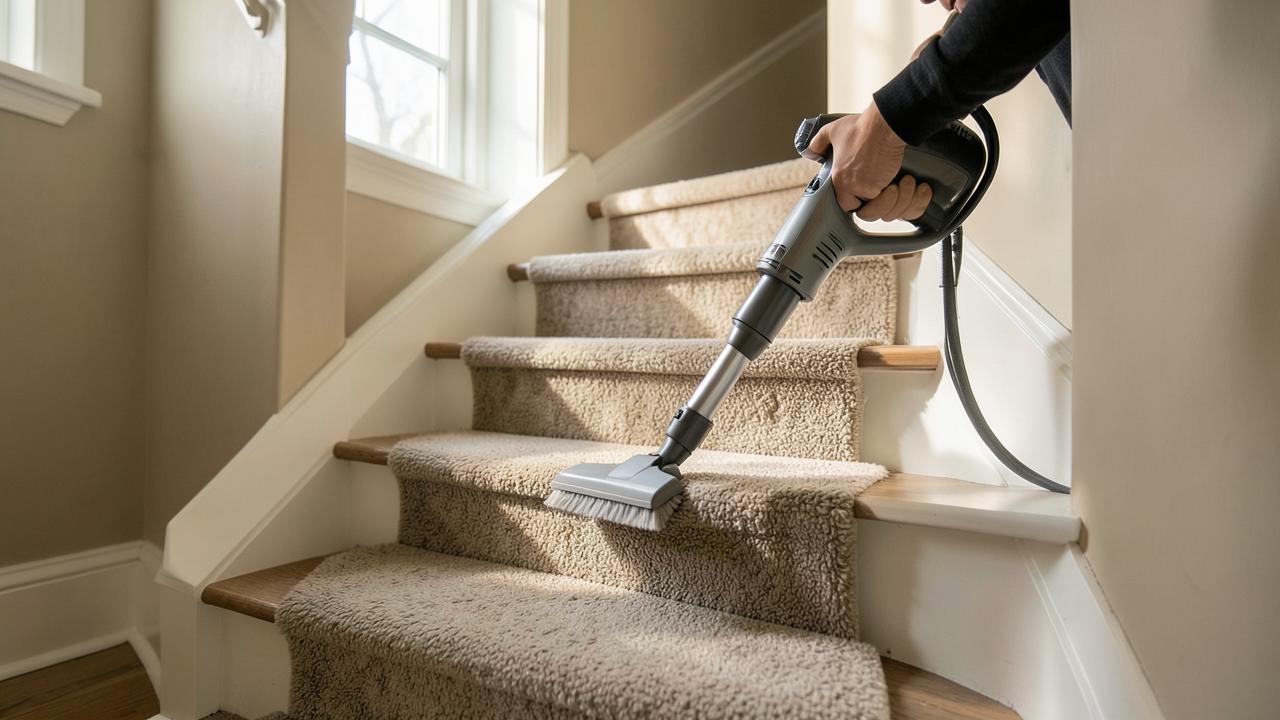 CareCleaning and Caring for a Stair RunnerRoutine vacuuming, spill response by fibre type, slipping and fraying, and when to call a professional.
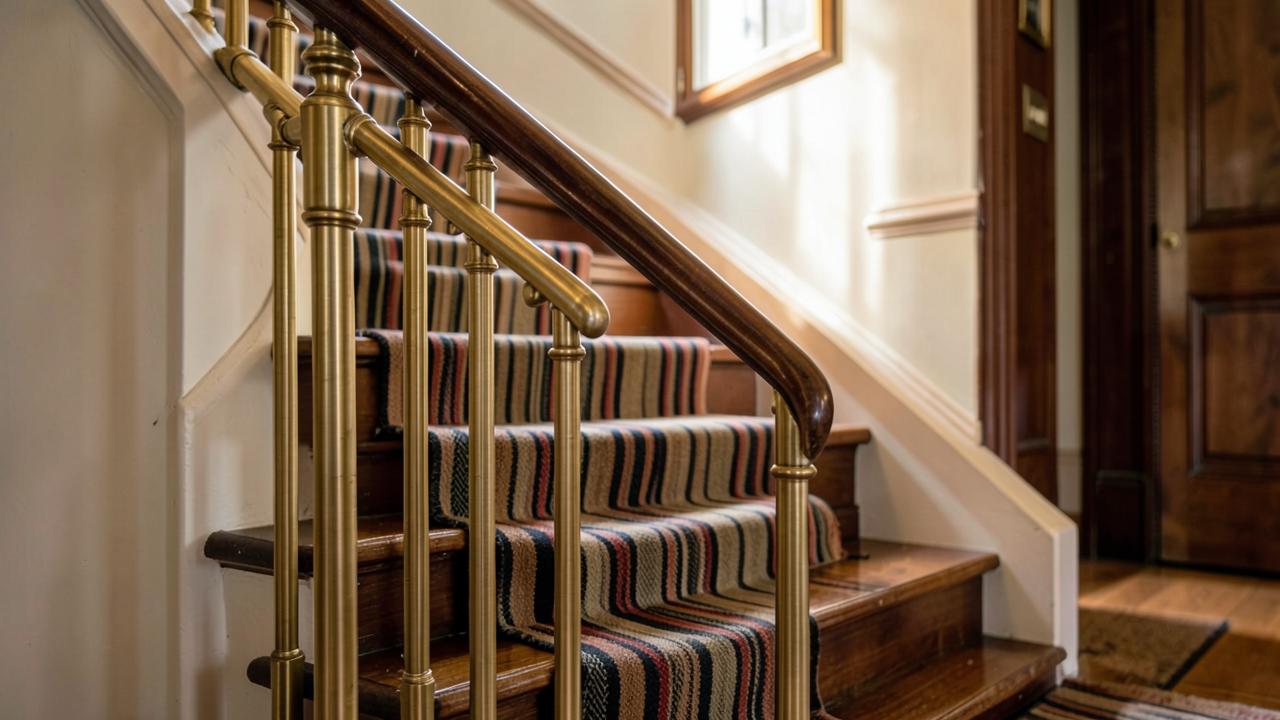 InstallationStair Rods, Clips and Runner HardwareHow stair rods, clips, brackets and bars actually work, when they hold a runner and when they are decorative.
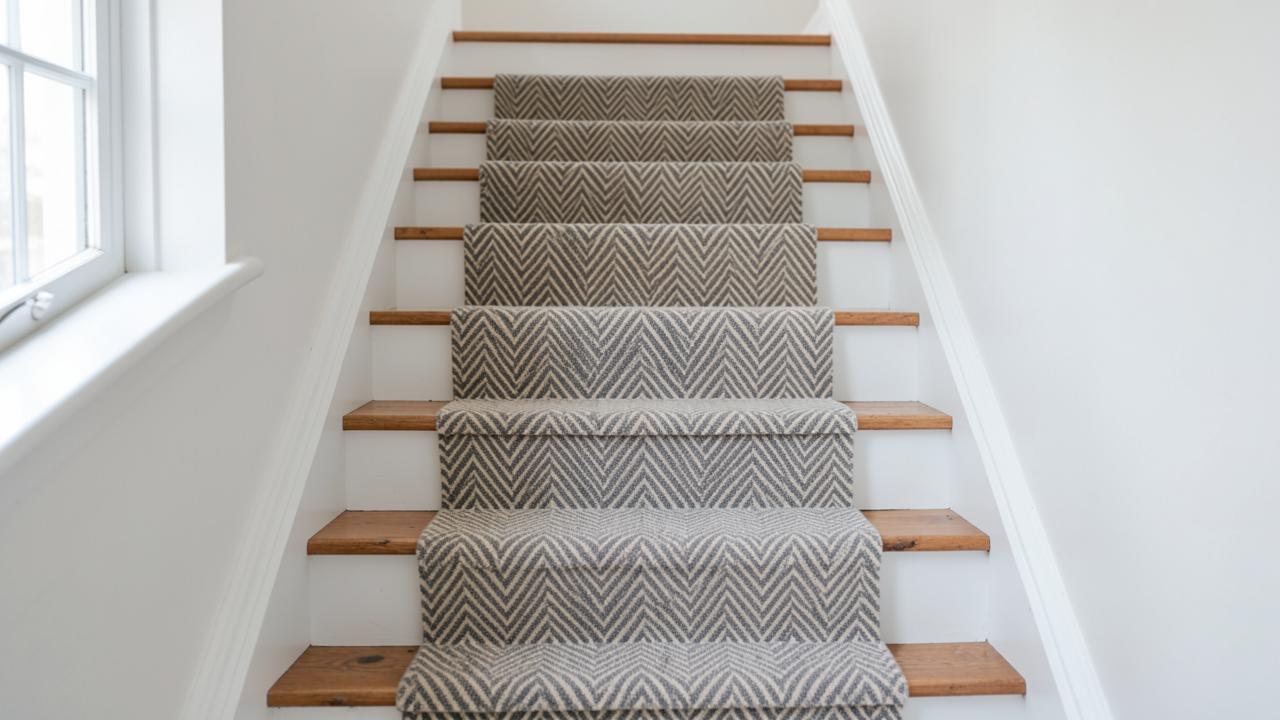 DesignStair Runner Patterns ExplainedHerringbone, chevron, stripes, plaid, geometrics and animal prints judged by how they behave on a staircase.
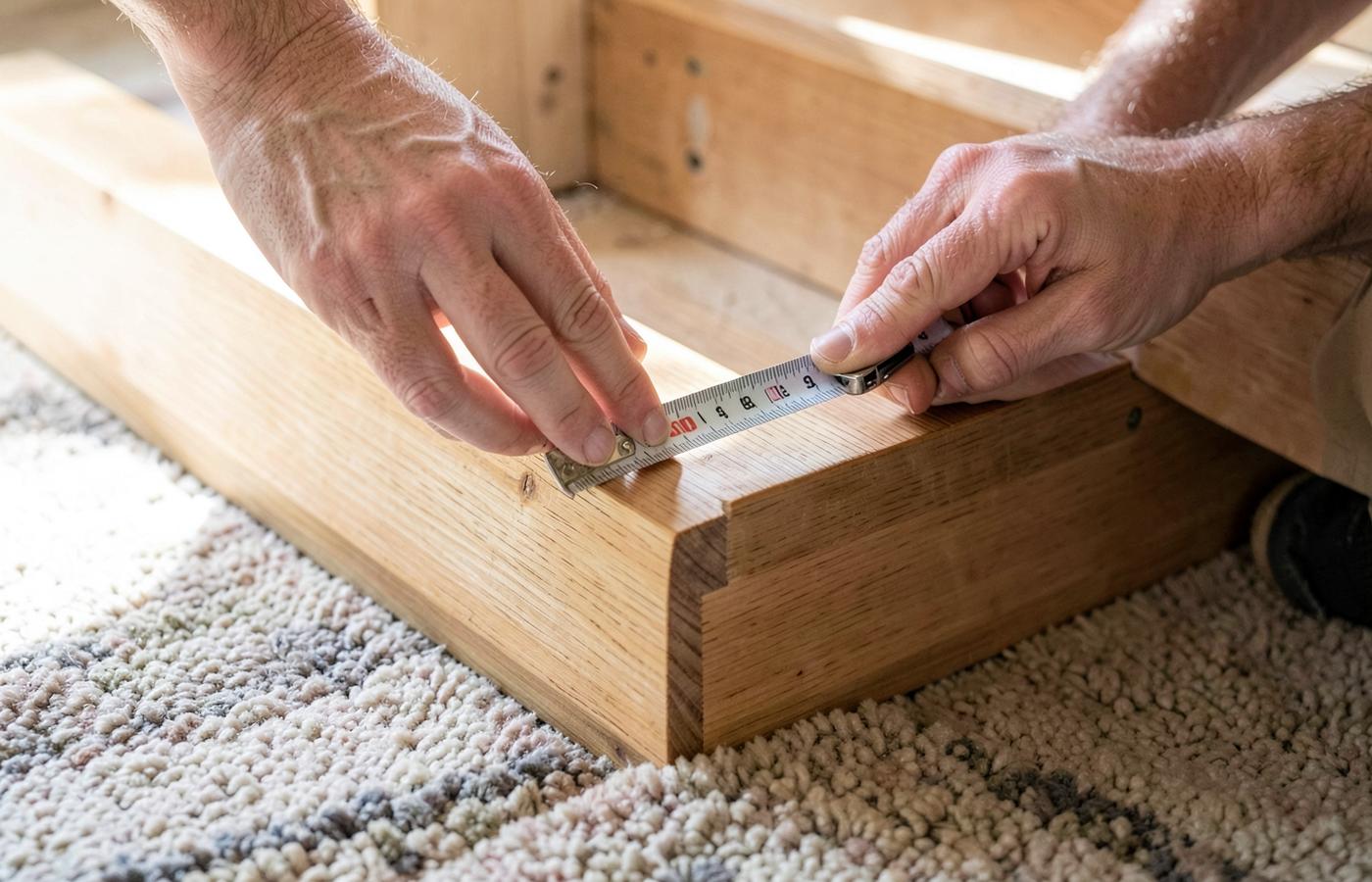 MeasurementWhat Width Should a Stair Runner Be?How to set runner width and side margins from your stair width, stringers, balusters and pattern.
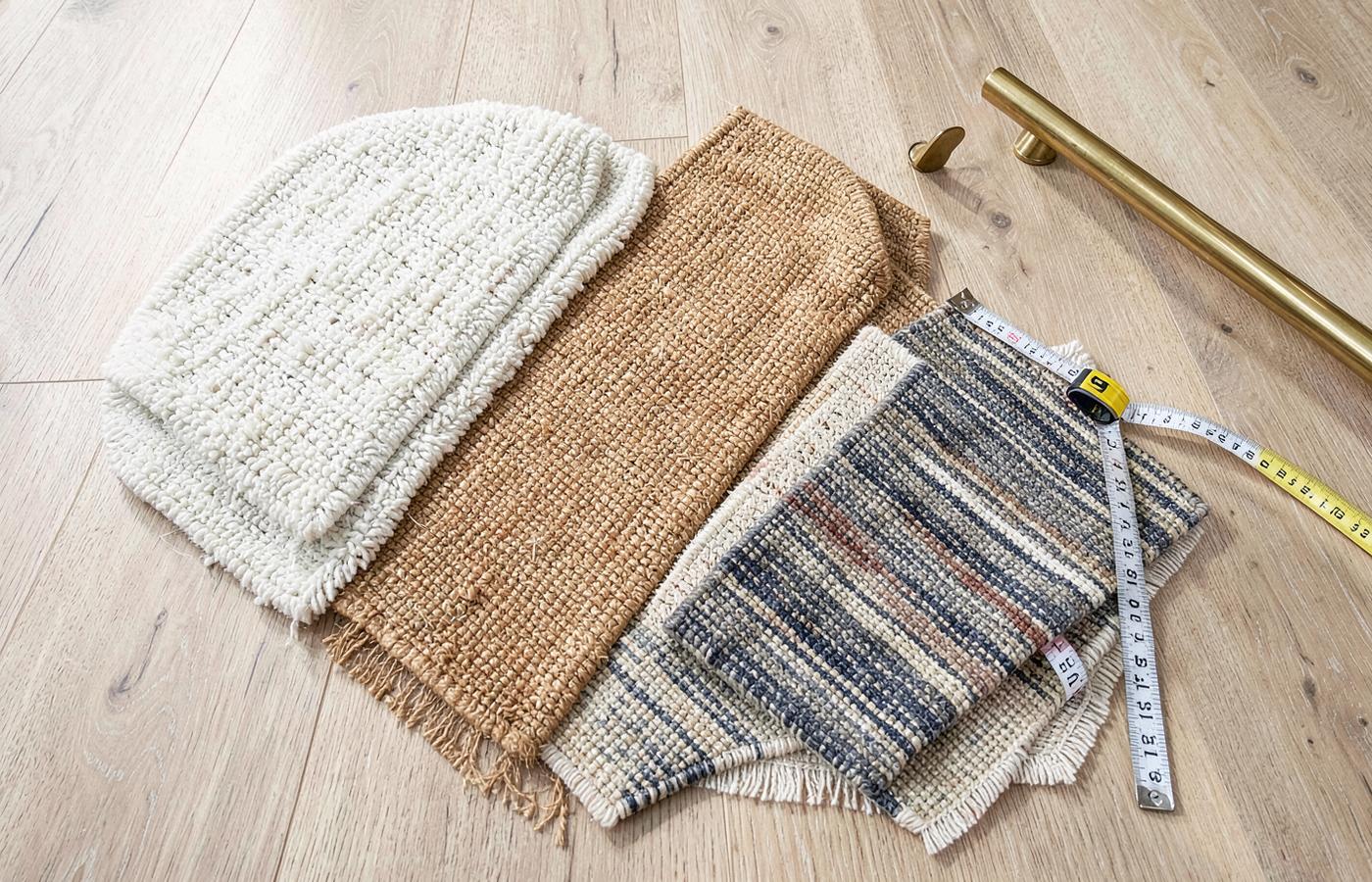 MaterialsWool Stair RunnersWhy wool holds its shape on stairs: crimp, twist, blends, staining, moths, shedding and honest limitations.