Materials
Bamboo stair runners: Silk vs. slat guide
Bamboo is a material of two halves. Whether you choose the shimmering luxury of bamboo silk or the rugged utility of bamboo slats, understanding their unique behaviours is vital for a safe and lasting installation.
Written by the StairRunner.co editorial team · Updated 4 September 2026
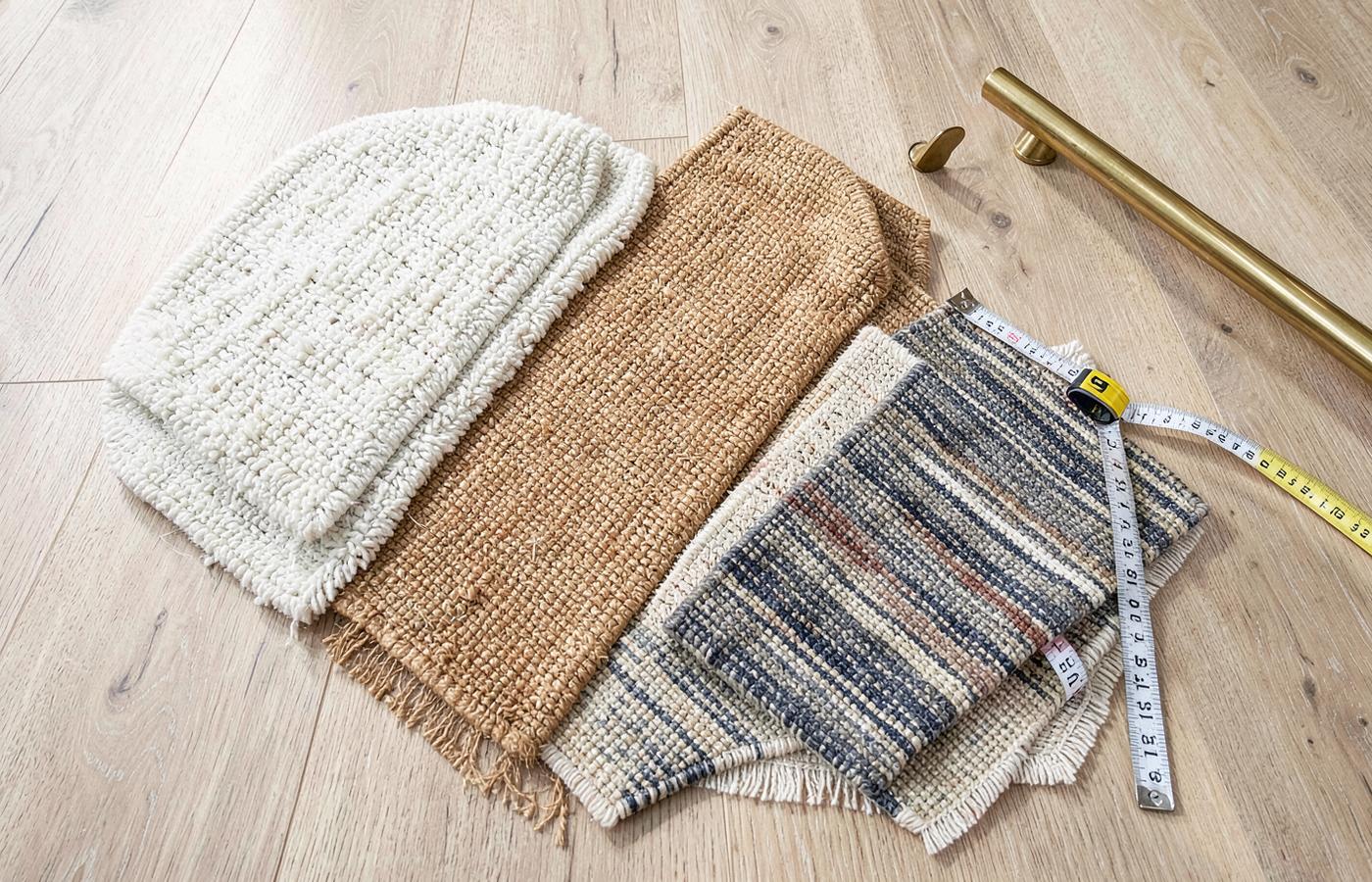
The two faces of bamboo flooring
In the flooring industry, the word 'bamboo' can be misleading. It is often used to describe two completely different products that share only a common botanical origin. The first is bamboo silk, which is a soft, lustrous textile fibre. The second is woven bamboo, which uses the actual woody skin or inner core of the bamboo plant. On a staircase, these two materials perform in diametrically opposed ways.
Bamboo silk is part of the 'viscose' family. It is created by breaking down bamboo pulp into a chemical solution and then extruding it into fine filaments. The result is a yarn that looks and feels remarkably like real silk, with a deep, shimmering pile that changes colour as it catches the light. Woven bamboo, on the other hand, is a hard-surface flooring that has been woven into a flexible mat. It is more akin to a seagrassor sisal runner in its application, though it has a very different aesthetic.
Bamboo Silk: The 'luxury' trap for stairs
Bamboo silk (often marketed as 'art silk' or 'viscose') is one of the most popular luxury fibres in contemporary interior design. It offers a level of sheen and softness that even the finest wool cannot match. However, it is fundamentally unsuitable for high-traffic staircases. The fibres are essentially 'regenerated cellulose', which means they lack the structural protein bonds found in wool or the long-chain polymers in nylon.
When you walk on bamboo silk, the fibres don't just compress; they can actually break or distort. On the edge of a stair nosing, where the pressure is concentrated, bamboo silk will often 'ugly out' within months. The shimmering pile becomes flattened and dull, and no amount of vacuuming will bring it back to life. Furthermore, if you happen to spill even a drop of water on it, the fibres will swell and stiffen, leaving a permanent, crusty mark known as a 'water spot'. For more on why these fibres are tricky, see our guide onviscose stair runners.
| Feature | Bamboo Silk (Viscose) | Woven Bamboo Slats |
|---|---|---|
| Durability | Low - prone to crushing | High - very resistant to wear |
| Water Resistance | Extremely Low - stains from water | Moderate - wipes clean easily |
| Comfort Underfoot | High - very soft and silky | Low - hard and sometimes cold |
| Slip Resistance | Moderate - depends on pile height | Low - can be slippery in socks |
| Typical Cost | Premium Luxury | Mid-range / Budget friendly |
Woven Bamboo Slats: The rugged alternative
Woven bamboo runners (sometimes called 'bamboo mats') are a different beast entirely. These are made by slicing the bamboo stalk into thin, flat slats and weaving them together with cotton or synthetic thread. They are often backed with a non-slip latex or felt layer. These runners are incredibly tough. They can handle heavy foot traffic, muddy boots, and pet claws without showing significant wear.
However, they bring their own set of challenges. Because they are essentially a hard surface, they provide no cushioning. If you trip on a bamboo slat runner, you are landing on something as hard as the timber stairs themselves. They also tend to be noisier than carpeted runners, as they don't absorb the sound of impact. From an installation perspective, they must be fitted with extreme care; if a slat breaks or splinters, it can become a sharp hazard. They are best suited to utility areas, basements, or very minimalist modern interiors where durability is the priority.
The 'Bamboo Silk' cleaning nightmare
We cannot emphasize this enough: do not attempt to clean a bamboo silk runner yourself with a standard carpet cleaner. The high-alkaline detergents and hot water used in steam cleaning will ruin the fibre instantly. The fibres will lose their sheen, turn yellow, and become brittle. Even professional cleaners often hesitate to work on 100% bamboo silk products because the risk of damage is so high.
If you do choose a bamboo silk runner, you must accept that it is a 'dry clean only' product. A specialist will use a low-moisture or solvent-based cleaning method that cleans the surface without saturating the core of the fibre. This is expensive and time-consuming. For most UK households, this level of maintenance is impractical for a staircase, which is why we usually recommend bamboo silk only as a small percentage in a wool blend.
Ecological impact: Is it really 'green'?
Bamboo is frequently marketed as the most sustainable flooring choice. While it is true that bamboo grows incredibly fast and requires no pesticides, the 'green' credentials depend heavily on how it is processed. Woven bamboo slats are generally very sustainable, as the mechanical processing is relatively simple.
Bamboo silk (viscose) is more controversial. The process of turning wood pulp into a soft fibre involves harsh chemicals like carbon disulfide, which can be harmful to workers and the environment if not managed in a closed-loop system. When shopping for bamboo runners, look for certifications like OEKO-TEX or FSC (Forest Stewardship Council) to ensure the product meets basic environmental and social standards.
Design and Aesthetics: The visual depth of bamboo
One area where both types of bamboo excel is in their unique aesthetic. Woven bamboo slats bring a Zen-like, architectural quality to a staircase. They look beautiful in modern homes with clean lines and natural wood finishes. Because bamboo is a natural grass, the slats have beautiful variations in tone—from pale straw to deep amber—that add warmth to a space.
Bamboo silk, meanwhile, is the ultimate statement in luxury. It has a 'shimmer' that changes as you walk past it. In a well-lit hallway, a bamboo silk runner can look like liquid metal. It is available in a vast array of vibrant, jewel-toned colours that wool often struggles to achieve. If the staircase is purely for show—perhaps in a formal entry that is rarely used—bamboo silk is arguably the most beautiful material you can choose.
Installation challenges: Fitting bamboo to stairs
Installing bamboo slats requires a different technique than standard carpet. Because the material is stiff, it cannot be easily tucked into the 'crotch' of the stair (where the tread meets the riser) in the same way a flexible carpet can. Often, fitters will use a combination of high-strength adhesive and discrete staples to ensure the mat stays perfectly aligned. This makes it harder to remove later without damaging the stairs.
Bamboo silk, while flexible, is incredibly prone to 'stretching out' if not tensioned perfectly. Because the fibres have no memory, any ripples that form during installation will likely become permanent. It requires a very firm, high-density underlayto provide a stable base and prevent the material from sagging under foot traffic.
Durability and Lifespan: What to expect
In a typical household, a woven bamboo slat runner can easily last 10 to 15 years. It is resistant to insects, moisture (compared to other natural fibres), and physical wear. Its only real enemy is splintering; if a heavy object is dropped on it, a slat can crack.
A 100% bamboo silk runner on a main staircase might only look good for 2 to 3 years before the traffic lane becomes a permanent, matted shadow. If you love the look of silk but need durability, look for a 'wool and bamboo silk' blend. A runner with 70% wool and 30% bamboo silk will have the shimmer and softness of the silk but the resilience and cleanability of the wool. This is the 'professional's choice' for a high-end UK staircase.
Acoustic properties: Silence vs Echo
Stairs are often the loudest part of a home, especially in older properties with hollow timber treads. A bamboo silk runner is an excellent acoustic insulator. Its dense, soft pile absorbs sound waves, significantly reducing the echo in a hallway.
Conversely, woven bamboo slats offer very little in the way of sound dampening. In fact, because they are a hard surface, they can actually reflect sound, making a hallway feel louder and more 'echoey'. If you choose bamboo slats, we strongly recommend a thick, acoustic-rated felt underlay to help mitigate this noise.
The 'Patina' of Bamboo
All natural materials change over time. Bamboo slats will darken slightly as they are exposed to light and air, developing a richer, more honey-like tone. This is generally considered attractive. Bamboo silk, however, tends to lose its 'glow' as the fibres become soiled and matted. Regular, gentle grooming with a soft-bristled brush can help to keep the pile upright and maintain the shimmer for longer, but it is a losing battle in high-traffic zones.
Cost considerations: Is it worth the investment?
Bamboo slats are generally affordable, often costing less than a high-quality wool runner. They offer excellent value for money if you like the minimalist look. Bamboo silk is at the opposite end of the spectrum. It is a premium product, often costing significantly more than wool. When you factor in the shorter lifespan and the higher cost of specialist cleaning, bamboo silk is one of the most expensive flooring choices you can make on a 'cost-per-year' basis.
Before buying, always check the current cost factorsin the UK market. Prices for bamboo silk have risen recently due to the energy-intensive nature of the manufacturing process, while natural woven bamboo remains a stable, budget-friendly option.
Maintaining Bamboo: The Golden Rules
- For Slats: Vacuum with a soft brush attachment. Wipe spills immediately with a slightly damp cloth. Avoid harsh chemicals.
- For Silk: Suction-only vacuuming (no beater bars). Zero water. Blot spills with a dry white cloth and call a professional immediately.
- For Both: Use a high-quality underlay to prevent shifting, which is the leading cause of premature wear.
Conclusion: Making the right choice
Bamboo is a material of extremes. If you want a tough, eco-friendly, and modern runner that can handle anything life throws at it, woven bamboo slats are a fantastic, underrated choice. If you want the ultimate in shimmering luxury and are prepared for the high maintenance and short lifespan, bamboo silk is unparalleled in its beauty.
For the average UK home, we recommend staying away from 100% bamboo silk on stairs. It is simply too fragile for the rigours of vertical foot traffic. Instead, look for bamboo silk blends that give you the best of both worlds. And if you go for slats, make sure you've tested the slip resistance before you commit to the full flight!
Frequently asked questions
- Is bamboo silk the same as real bamboo?
- No. Bamboo silk is a form of viscose, a regenerated cellulose fibre. While it starts as bamboo, it is chemically processed into a soft, silky yarn. It is much more delicate than the actual woody part of the bamboo plant.
- How durable are bamboo slat runners on stairs?
- Bamboo slat runners are exceptionally durable and resistant to wear. However, they are hard underfoot and can be noisy. They require a very secure installation to prevent the slats from shifting or splintering.
- Can bamboo silk runners be cleaned?
- Bamboo silk is extremely sensitive to water. Even a small amount of moisture can cause the fibres to swell, lose their sheen, and turn yellow. Professional dry cleaning is required; never use a steam cleaner.
- Is bamboo a sustainable choice for flooring?
- Bamboo is a fast-growing grass, making it highly renewable. However, the chemical process used to create bamboo silk (viscose) can be environmentally intensive. Woven slats are generally the greener choice.
- Are bamboo runners slippery on stairs?
- Woven bamboo slats can be slippery, especially in socks. Many come with a non-slip latex backing. Bamboo silk, while soft, offers little natural grip compared to wool and should be used with caution on steep flights.
- Do bamboo runners fade in sunlight?
- Natural bamboo slats are relatively UV resistant but will mellow in colour over time. Dyed bamboo silk can be prone to fading if exposed to direct, prolonged sunlight.
Related guides
- MaterialsStair Runner Materials ComparedWool, nylon, polypropylene, sisal and jute judged on stair-specific wear, comfort, cleaning and safety.
- ComparisonsWool vs Synthetic Stair RunnersWool, nylon, polyester and polypropylene compared on stair-specific wear, cleaning, comfort and price.
- MaterialsViscose Stair Runners: The Beauty and The RiskViscose is prized for its silk-like sheen, but it is notoriously fragile on stairs. Learn why it is a high-risk choice and how to manage expectations.