Minimalism
Plain stair runners: The power of texture and tone
A plain runner isn't about a lack of design; it is about focusing on the fundamental qualities of material and light. Done well, a plain runner provides a calm, sophisticated foundation for the rest of your home.
Written by the StairRunner.co editorial team · Updated 4 September 2026
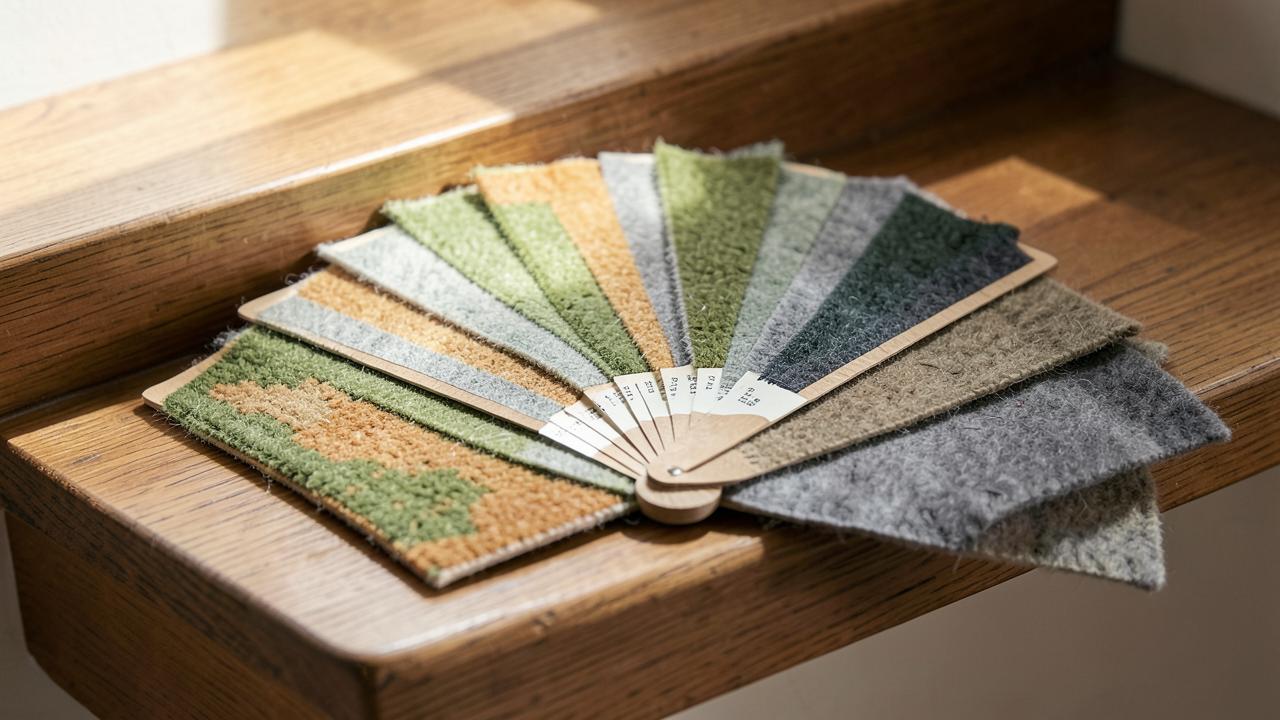
Why choose a plain runner?
In a world of maximalist interiors and bold prints, there is a profound elegance in simplicity. A plain stair runner serves as a palate cleanser for the home, bridging the gap between different room styles without clashing. It allows architectural features—like a beautiful oak balustrade, a gallery wall of art, or a designer pendant light—to take centre stage. The psychological impact of a plain entryway should not be underestimated; it creates a sense of order and calm as soon as you step through the front door.
However, 'plain' does not mean 'flat'. The most successful plain runners are those that celebrate the inherent characteristics of their fibres. A 100% wool runner has a natural lustre and 'bounce' that a synthetic equivalent often lacks. A plain sisal runner brings an organic, earthy texture that feels modern and grounded. The choice of a plain finish is a choice to let the material speak for itself, allowing the way the light hits the pile to provide all the decoration needed.
Furthermore, plain runners offer unparalleled flexibility for future decorating. While a bold patterned runner might dictate your wall colour for the next decade, a neutral plain runner in oatmeal or stone will happily accommodate a shift from cool greys to warm terracottas or deep navy blues. It is a long-term investment in the versatility of your home's interior design.
The importance of texture in plain designs
When you strip away pattern, texture becomes your primary design tool. Texture creates highlights and shadows, which provide the visual 'grip' that keeps a plain carpet from looking like a sheet of paper. Without texture, a plain runner can look clinical or cheap; with the right texture, it looks bespoke and expensive.
| Texture Type | Visual Effect | Stair Performance |
|---|---|---|
| Twist Pile | Clean, uniform, matte | Excellent; resists crushing and hides footprints well. The classic 'all-rounder'. |
| Boucle / Loop | Chunky, architectural, knotted | High interest; very durable but can be prone to snagging by pets. Great for organic looks. |
| Velvet / Cut Pile | Luxurious, smooth, slight sheen | Shows 'shading' (vacuum marks); can look messy on busy stairs. Best for low-traffic luxury. |
| Herringbone (Tonal) | Subtle geometric movement | Superb; the weave adds strength and hides light soiling. A sophisticated 'textured plain'. |
| Ribbed / Corded | Strong vertical or horizontal lines | Great for modern homes; emphasises the shape of the treads and adds directional flow. |
Colour theory for plain stairs: Beyond the Basics
Selecting a colour for a plain runner is more critical than for a patterned one because there is nothing to distract the eye. You must consider the 'undertone' of the colour. A grey runner isn't just grey; it can be a blue-grey, a pink-grey (taupe), or a green-grey (sage). This undertone must harmonise with the wall paint and the wood of the staircase.
Consider the temperature of your hallway. North-facing hallways receive cool, bluish light, which can make a cool grey runner look like cold concrete. In these spaces, a plain runner with a warm, sandy or reddish undertone will feel much more welcoming. Conversely, a sunny south-facing hallway can handle cooler, crisper tones without feeling unwelcoming.
The practical mid-tone: As a general rule, the most successful plain runners sit in the middle of the value scale. Think of colours like oatmeal, warm stone, charcoal, or forest green. These colours are dark enough to hide the inevitable greyish 'traffic lane' that develops over time, but light enough not to show every bit of white fluff or pet hair.
Light and Shadow: Stairs are a three-dimensional landscape of light and shadow. A plain runner will look different on the horizontal tread (which catches direct light) than it does on the vertical riser (which is usually in shadow). Always test your samples by folding them over a step to see how the colour 'breaks' over the nosing. A colour that looks perfect on the floor can look two shades darker on the riser.
Pile density and 'Grinning': The Plain Carpet's Enemy
A common issue with plain, low-quality runners is 'grinning'. This happens when the carpet is bent over the edge of the stair (the nosing) and the backing shows through the pile. This is particularly noticeable on plain carpets because there is no pattern to disguise the gaps between the yarn tufts. If you choose a plain dark carpet with a light-coloured backing, the grinning will look like white lines across every step.
To avoid this, you must specify a high-density pile. A 'heavy domestic' or 'extra heavy domestic' rating is essential for stairs. When you receive a sample, try bending it backwards (pile side out) as tightly as possible. If you can easily see the primary backing between the rows of yarn, it will likely grin when installed on your stairs. A dense, short pile is always better for stairs than a sparse, long one. In plain carpets, density is your best insurance against a cheap-looking finish.
Natural vs. Synthetic: The Plain Fibre Debate
When choosing a plain runner, the fibre choice significantly impacts how the 'plain' surface ages.
- Wool: The gold standard for plain runners. Wool is naturally resilient, meaning the pile 'bounces back' after being stepped on. It also has a natural opacity that hides the backing well. A plain wool twist is perhaps the most durable option for a busy family home.
- Sisal & Jute: These natural plant fibres provide incredible texture. A plain sisal runner in a boucle weave is a design classic. However, they are less forgiving of liquid spills, which can leave permanent 'water marks' on a plain surface. See sisal stair runners for more.
- Polypropylene: An excellent choice for a budget-friendly plain runner. Modern versions can look remarkably like wool. Because they are often solution-dyed, they are very resistant to fading, which is important for plain carpets in sunny areas. See polypropylene runners.
- Nylon: The most durable synthetic. Plain nylon runners are incredibly tough and resistant to the 'matting' that can occur on the nosings of stairs. Ideal for very high-traffic commercial or busy domestic settings.
The role of underlay in plain installations
Because plain runners have a simpler visual profile, the quality of the installation and the 'feel' underfoot become more apparent. A plain runner over a cheap, thin underlay will feel hard and unforgiving, and the lack of cushioning will cause the fibres to wear out faster.
We recommend a high-density 9mm or 11mm crumb rubber or a firm felt-and-rubber combination underlay. This provides the necessary support for the 'nosings' and ensures the runner retains its shape for years. A good underlay also helps with sound dampening, which is more noticeable with plain, dense carpets than with shaggier patterned ones. For more details, see our guide on stair runner underlay.
Minimalist styling: Edges and Rods
A plain runner offers a blank canvas for other details, allowing you to dial the 'formality' of the staircase up or down.
- Discreet Edges: A simple whipped edge in a matching colour keeps the look ultra-minimalist and seamless. This is the preferred choice for contemporary, Scandi-inspired homes.
- Tonal Contrast: A border tape that is just one or two shades darker than the field can add definition without breaking the 'plain' aesthetic. This is a subtle way to introduce a bespoke feel.
- No Rods: For a contemporary, 'waterfall' look, you can omit stair rods entirely, letting the clean lines of the runner speak for themselves. This works best when the runner is fitted very tightly into the crotch of the stair.
- Modern Rods: If you do use rods, consider a minimalist profile like a square or hexagonal rod in a contemporary finish like brushed nickel or matte black. Explore the options in our stair rods guide.
Installation Techniques for Plain Runners
Fitting a plain runner requires a high level of precision. Because there is no pattern to hide a crooked cut or an uneven stretch, every line must be perfectly straight.
The Bolster Technique: A skilled fitter will use a stair bolster to drive the carpet deep into the junction between the tread and the riser. With plain carpets, any slackness here will result in 'bagging', which is visually very obvious.
Hollywood vs. Waterfall: A plain runner looks excellent in a 'Hollywood' fit, where the carpet is stapled under the nosing, hugging the curve of the wood. This emphasizes the architecture of the stair. A 'Waterfall' fit, where the carpet flows straight down from the nosing to the next tread, creates a softer, more modern line. Read about the differences in waterfall vs hollywood fitting.
Cleaning and Maintenance of Plain Runners
The secret to keeping a plain runner looking new is 'little and often'. Without a pattern to hide the 'grey' of traffic soiling, you must be proactive.
- Vacuuming: Use a vacuum with a brush bar for twist piles, but be careful with loop/boucle piles—use suction only to avoid 'fuzzing' the loops. Vacuum at least twice a week to prevent grit from settling into the base of the pile. Grit is what actually 'cuts' the fibres, leading to premature wear.
- Immediate Spot Cleaning: On a plain surface, a coffee splash is a beacon. Keep a professional-grade spot cleaner (suitable for your fibre type) on hand and always blot, never rub. Rubbing a plain carpet can 'distort' the pile, creating a permanent fuzzy patch that is more visible than the original stain.
- Professional Rinsing: Every 12-18 months, have the runner professionally cleaned to remove the atmospheric soiling that can dull the colour of a plain carpet. This is especially important for lighter colours like oatmeal or silver-grey.
For more specific tips, see stair runner cleaning.
Plain Runners in Different Light Levels
Light behaves differently on plain surfaces depending on the source and the time of day:
| Lighting Type | Effect on Plain Runner | Design Tip |
|---|---|---|
| Natural North Light | Makes colours look cooler and flatter. Can make greys look blue. | Choose a runner with a warm undertone (red/yellow base) to compensate. |
| Natural South Light | Intensifies colour and shows every detail of texture. | A great place for chunky boucles or intricate weaves that catch the sun. |
| Warm LED Spotlights | Can create harsh shadows at the nosings and highlight any unevenness in the pile. | Ensure the runner is fitted tightly to minimize shadow 'gaps'. |
| Low-Level Plinth Lights | Highlights the texture of the pile across the tread. | Choose a low-sheen yarn to avoid distracting glares and hot-spots. |
The Psychology of the Plain Entryway
Designers often use plain runners to create a 'transition space'. When moving from the busy exterior world into the sanctuary of the home, a plain, soft surface provides a visual and auditory reset. The sound-dampening qualities of a dense plain wool runner can significantly reduce the 'clatter' of a busy household, contributing to a more peaceful environment. This is one of the hidden benefits of forgoing a busy pattern for a sophisticated plain.
Sustainability and Plain Choices
If you are choosing a plain runner for its timelessness, it makes sense to choose a sustainable material that will last as long as the style. A high-quality wool runner is not only biodegradable but also naturally stain-resistant thanks to the lanolin in the fibres. Avoid 'disposable' synthetic plains that may look good for six months but flatten and lose their lustre quickly. Investing in quality is the ultimate sustainable choice for a high-traffic area like the stairs.
When a plain runner eventually reaches the end of its life, a pure wool product can be recycled or composted, whereas synthetic runners will contribute to landfill. By choosing a high-quality plain wool, you are making a decision that benefits both your home's aesthetic and the planet.
Final Thoughts on Choosing Plain
A plain stair runner is a confident choice. It doesn't rely on busy patterns to hide flaws; it relies on the quality of the fibre, the richness of the colour, and the precision of the fit. Whether you choose a rugged sisal or a soft wool twist, a plain runner will provide a tranquil, enduring welcome to your home for years to come.
Before committing, always view your samples in the hallway where they will be installed. The way a plain colour interacts with your specific wall paint and lighting is impossible to judge in a showroom. We recommend looking at the samples at three times of day: morning, noon, and evening under artificial light. For more help narrowing down your options, read how to choose a stair runner.
Frequently asked questions
- Do plain stair runners show more dirt than patterned ones?
- Generally, yes. A solid, flat colour has no visual 'noise' to hide lint, hair, or soil. However, choosing a multi-tonal 'heathered' plain or a high-texture weave like a boucle can mitigate this significantly compared to a flat velvet pile.
- What is the best pile type for a plain runner?
- For durability and texture, a low-profile wool boucle or a dense twist pile is best. Avoid deep shags or very soft saxonies, as these will 'track' (show footprints) and flatten quickly on the nosings of the stairs.
- Should I choose a light or dark plain runner?
- Neither extreme is ideal for stairs. Very light plains show every speck of dirt; very dark plains show every bit of light-coloured lint and dust. Mid-tones like taupe, warm grey, or sage green are the most practical 'plain' choices.
- How do I make a plain runner look interesting?
- Focus on texture. A plain runner in a chunky rib or a herringbone weave has visual depth without the busyness of a pattern. You can also add interest through contrasting stair rods or a bold paint colour on the stairs themselves.
- Are plain runners cheaper than patterned ones?
- Usually, yes. Plain carpets often have lower manufacturing costs than complex Axminster or Wilton patterns. However, high-quality plain wools can still be a significant investment due to the weight and quality of the fibre used.
- Do plain runners fade faster?
- They don't fade faster, but fading is more obvious on a plain surface because there is no pattern to break up the transition between sun-bleached and original areas. If your stairs get direct sunlight, consider a UV-stable synthetic or a light-coloured wool.
Related guides
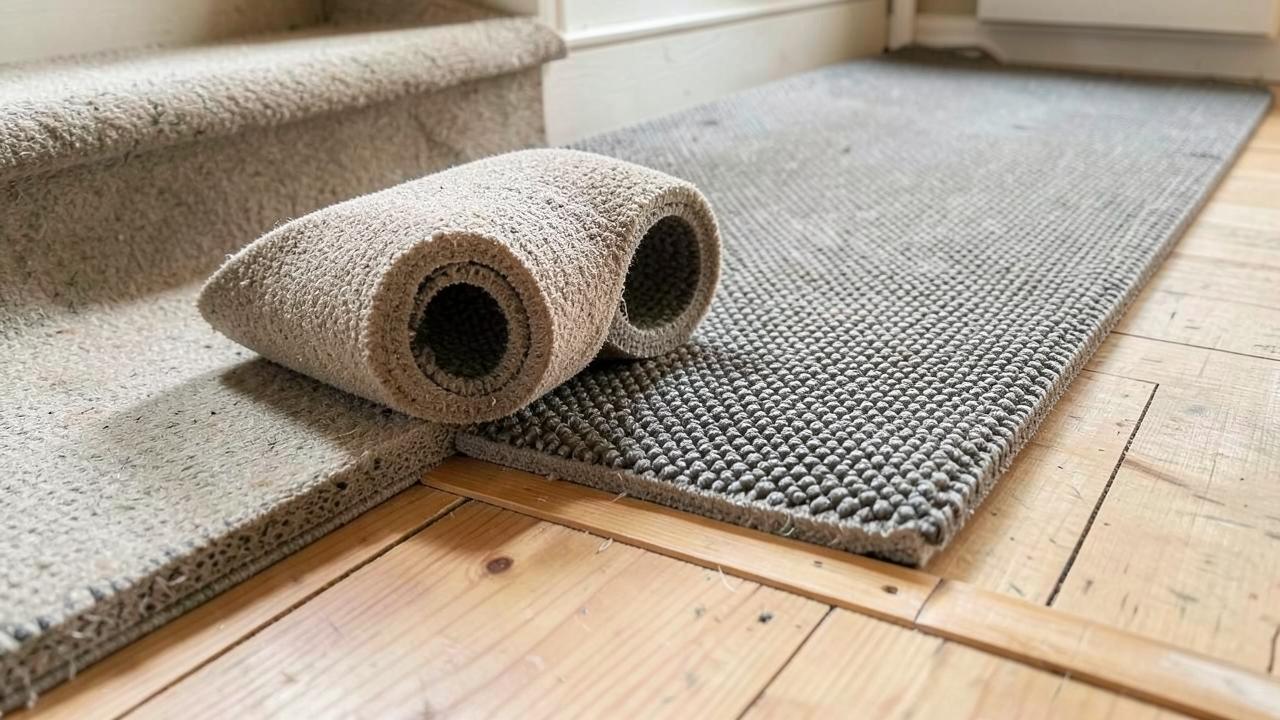 MaterialsStair Runner Underlay and PaddingWhy pad choice matters more on stairs than anywhere else, and how to specify density, thickness and cut.
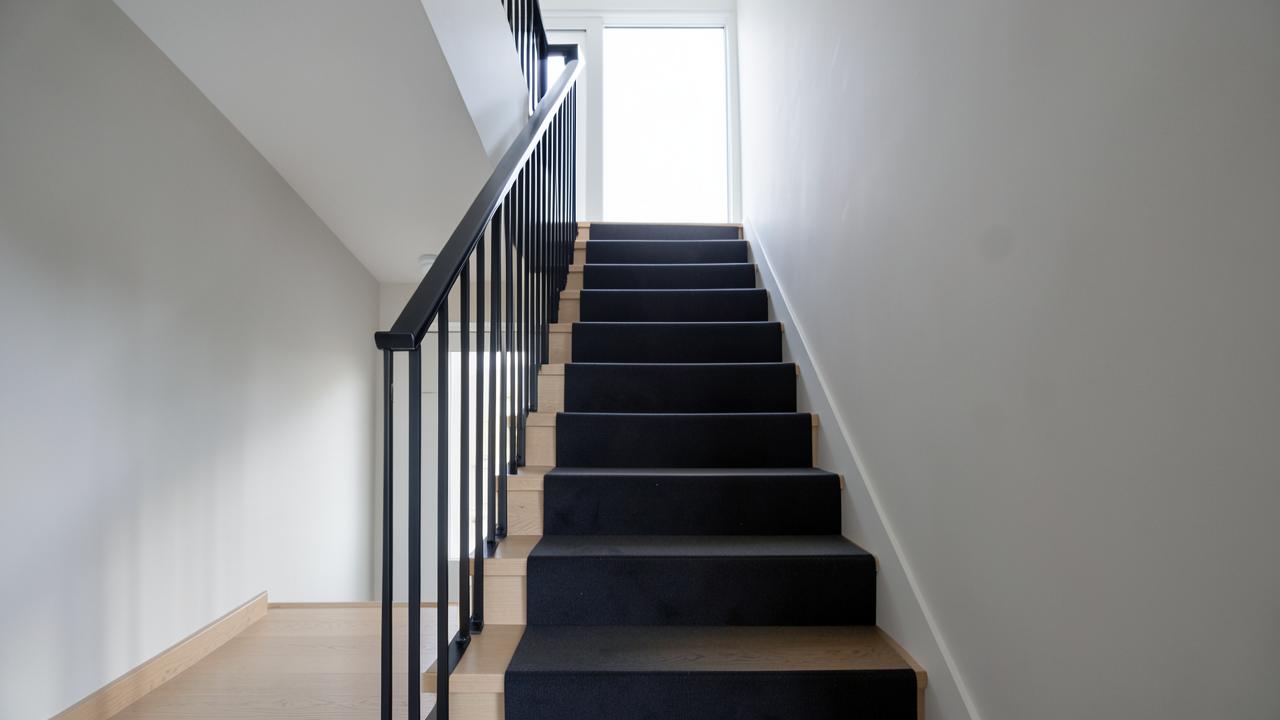 DesignModern Stair Runner IdeasContemporary, traditional, farmhouse and vintage directions, and what makes each read as deliberate.
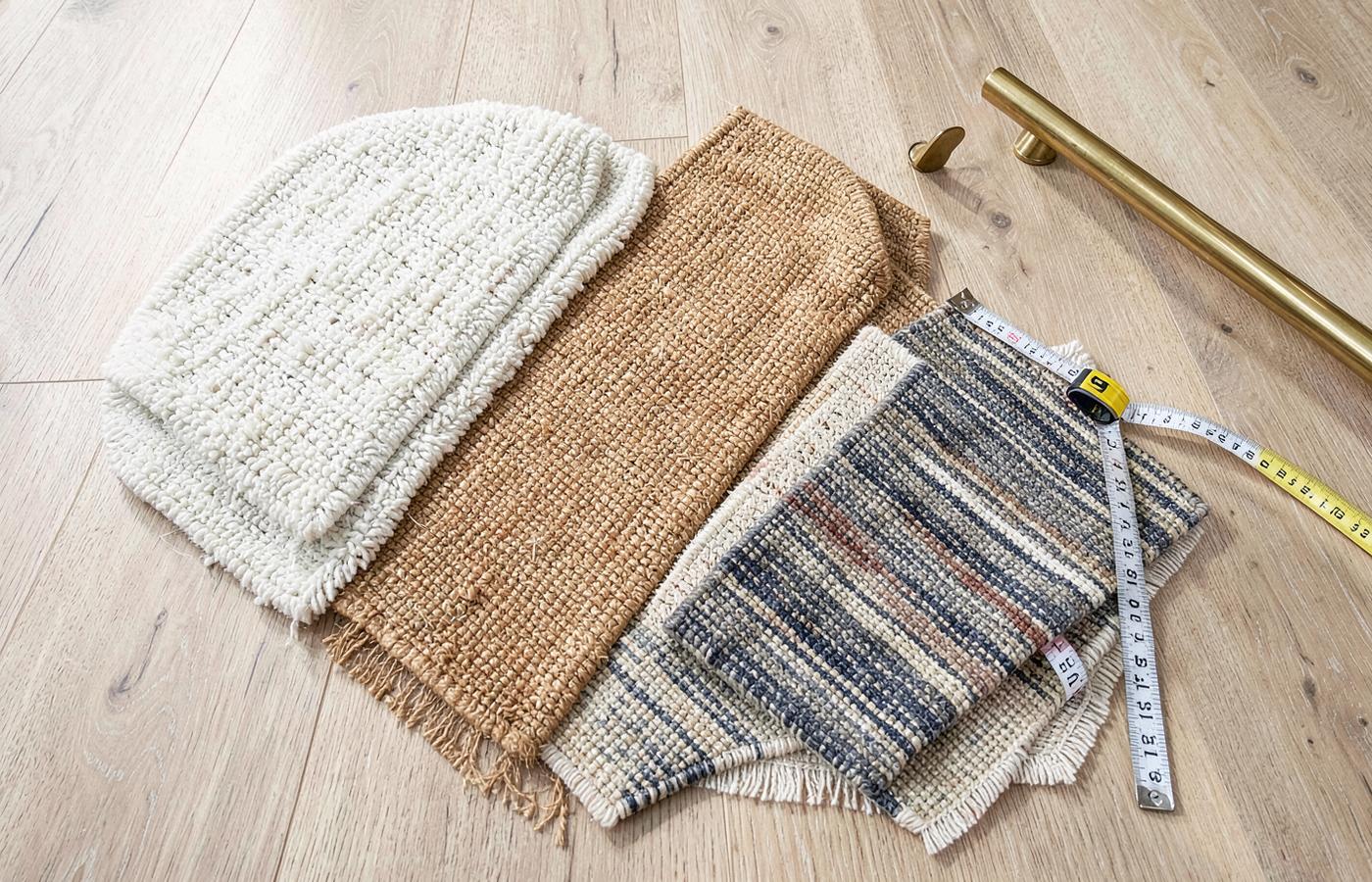 MaterialsWool Stair RunnersWhy wool holds its shape on stairs: crimp, twist, blends, staining, moths, shedding and honest limitations.