Colour Choice
Purple stair runners: From regal plum to modern heather
Purple is a colour of depth, mystery, and luxury. A purple stair runner makes a bold statement, transforming your staircase into a vibrant architectural feature.
Written by the StairRunner.co editorial team · Updated 4 September 2026
The psychology and history of purple
Purple has long been associated with royalty, wealth, and status. Historically, the dyes required to produce purple were rare and expensive, making it a colour reserved for the elite. In a modern home, this association remains; a purple runner immediately elevates the space, giving it a sense of luxury and 'occasion'. Beyond its regal roots, purple is also associated with creativity and calm. It sits at the intersection of warm red and cool blue, meaning it can be adapted to either a cosy or a sophisticated mood depending on the specific shade chosen.
When used on a staircase, purple serves as a dramatic transition. It is a colour that demands attention, turning a functional thoroughfare into a destination in its own right. In a British context, purple is often linked to the landscape—think of the rolling hills of heather in Scotland or the deep plums of an autumn orchard. This makes it a surprisingly 'natural' feeling choice for homes that draw inspiration from the outdoors.
Choosing the right shade of purple
The 'right' purple depends entirely on the atmosphere you want to create and the light levels in your hallway. Purple is a chameleon colour that changes significantly under different light sources.
| Shade | Design Vibe | Practicality | Best Pairing |
|---|---|---|---|
| Aubergine / Plum | Regal, traditional, dramatic. | Excellent; hides almost all dirt. | Gold rods, grey walls. |
| Heather / Mauve | Country, rustic, soft. | Good; flecked yarns hide lint. | Oak stairs, off-white walls. |
| Lavender / Lilac | Modern, bright, whimsical. | Moderate; shows stains like white. | White woodwork, minimalist decor. |
| Deep Violet | Maximalist, bold, contemporary. | High; resists showing traffic lanes. | Black rods, vibrant artwork. |
Practical benefits of deep purple
While often chosen for its looks, deep purple is secretly one of the most practical colours for a staircase. Unlike black (which shows every speck of light-coloured dust) or white (which shows every dark mark), a deep aubergine or plum is a mid-dark tone that sits in the 'forgiveness zone'. It effectively masks the greyish-brown soil that is common in UK households, as well as the dark scuff marks from shoes.
For high-traffic family homes, a heathered purple wool—which mixes shades of violet, grey, and brown—is an incredible workhorse. The variation in the yarn hides both hair and grit, meaning the runner looks cleaner for longer between vacuuming sessions. This makes it a great alternative to the more common grey or beige options. Explore wool and synthetic blends to find the right durability for your needs.
Styling a purple runner
Purple is a bold choice, so how you style it determines whether it feels sophisticated or overwhelming. A classic combination is purple and grey. A charcoal grey wall with an aubergine runner and silver rods is a timeless, high-end look. For a warmer, more traditional feel, pair a heather-toned runner with natural oak stairs and warm cream walls. The yellow in the wood and the cream acts as a complementary contrast to the purple, making the colours 'pop' without clashing.
Don't forget the power of the border. A purple runner with a black or dark navy border adds a level of definition and 'weight' to the stairs, anchoring the colour. Conversely, a purple runner with a light grey or even a cream border can help 'lift' the colour and make the staircase feel lighter. See patterns and borders for more inspiration.
Material choices for purple runners
To get the most out of a purple runner, you need a material that can carry the pigment effectively. Wool is the undisputed king here. Wool fibres have a unique structure that allows them to absorb dye deeply, resulting in a richness and 'glow' that synthetic fibres often struggle to replicate. A high-quality wool runner in a deep jewel-toned purple has a depth of colour that looks stunning under artificial light. Find out more in our wool guide.
However, if your stairs are subject to extreme wear or potential spills (like from a nearby kitchen or bathroom), a solution-dyed synthetic like nylon is a practical alternative. These fibres are engineered to be fade-resistant, ensuring that your vibrant purple doesn't turn into a dull grey-pink over years of sun exposure from a nearby window. Learn about nylon benefits.
The 'Pivot' steps and purple wear
On any staircase, the most wear occurs on the 'pivot' steps—the ones at the top and bottom where people turn. On a solid purple runner, this wear can manifest as a slight lightening of the colour as the pile is crushed and reflects light differently. To prevent this, ensure you use a high-quality, dense underlay that supports the carpet from beneath. A thick, firm underlay reduces the amount of 'stretch' the carpet undergoes, preserving the integrity of the weave and the vibrancy of the colour. Read more in underlay essentials.
Purple in different house styles
In a period property, a deep plum runner fits perfectly with the dark woods and heavy architecture. It feels historically 'correct', even if the specific shade is modern. In a contemporary setting, a bright, clear violet or a soft lavender runner can add a touch of whimsy and personality to an otherwise neutral space. It is a way to express individuality in a home that might otherwise feel a bit 'cookie-cutter'.
For those with a narrow hallway, be careful with very dark purples. While they are practical, they can 'shrink' the space. If you love deep purple but have a small hallway, consider a runner that is slightly narrower than usual, leaving more of the light-coloured stair tread visible on either side. This 'frames' the purple and prevents it from dominating the floor area. Check our width guide for measurement tips.
Maintenance: Keeping the royalty looking fresh
To maintain the 'glow' of a purple runner, regular vacuuming is non-negotiable. Dust is the enemy of vibrant colour; a fine layer of grey dust will quickly dull the richness of a purple carpet. Use a vacuum with a brush bar to keep the pile upright and clear of debris. If you have a wool runner, be wary of using overly alkaline cleaning products, as these can sometimes cause the purple dye to 'bleed' or change hue. Always use a PH-neutral cleaner specifically designed for wool. We cover all these details in cleaning and care.
Safety considerations
As with any dark-coloured runner, ensure that the edges of the steps are clearly visible. If the purple is very dark, it might be hard to see where one step ends and the next begins in low light. This is where stair rods or a contrasting border are not just aesthetic choices, but safety ones. They provide the visual markers that help people navigate the stairs safely at night. You can also explore non-slip options to ensure the runner stays perfectly in place.
In summary, a purple stair runner is a magnificent choice for the homeowner who wants to combine luxury with a touch of the unexpected. It is a colour that rewards bravery, offering a rich, welcoming, and surprisingly practical solution for one of the most important parts of the home. Whether you go for the deep mystery of aubergine or the soft charm of heather, your purple stairs will be a talking point for years to come.
Frequently asked questions
- Is purple a good colour for a high-traffic area like stairs?
- Deep purples like aubergine and plum are excellent at hiding dirt and wear. Lighter shades like lilac are more sensitive and best suited for lower-traffic areas.
- What wall colours pair well with a purple runner?
- Purples pair beautifully with grey, off-white, and navy. For a bold look, try mustard yellow; for a classic look, stick to soft greys or crisp whites.
- Will a purple runner make my hallway look dark?
- Deep purples can absorb light, so ensure you have adequate lighting. Using a purple runner with a light border or choosing a mid-tone purple can prevent the space from feeling too enclosed.
- What materials work best for purple carpets?
- Wool is ideal as it holds dye exceptionally well, resulting in rich, deep colours. Synthetics like nylon are also good for achieving vibrant, fade-resistant purples.
- Is purple currently in style for home interiors?
- Purple is a timeless choice for those seeking a 'maximalist' or heritage look. Deep jewel tones are particularly popular in contemporary British interior design.
- Will a purple runner make my hallway look smaller?
- It can, if you choose a very dark shade and have dark walls. To keep the space feeling open, pair your purple runner with light-coloured walls and ensure you have good overhead lighting. A purple runner with a light-coloured border also helps to 'expand' the floor area visually.
- Does purple carpet show footprints?
- This depends more on the pile than the colour. A 'velvet' or 'plush' pile in any dark colour, including purple, will show footprints and vacuum tracks. If you want a 'clean' look, choose a 'twist' pile or a 'loop' pile, which are much more resistant to showing tracks.
Related guides
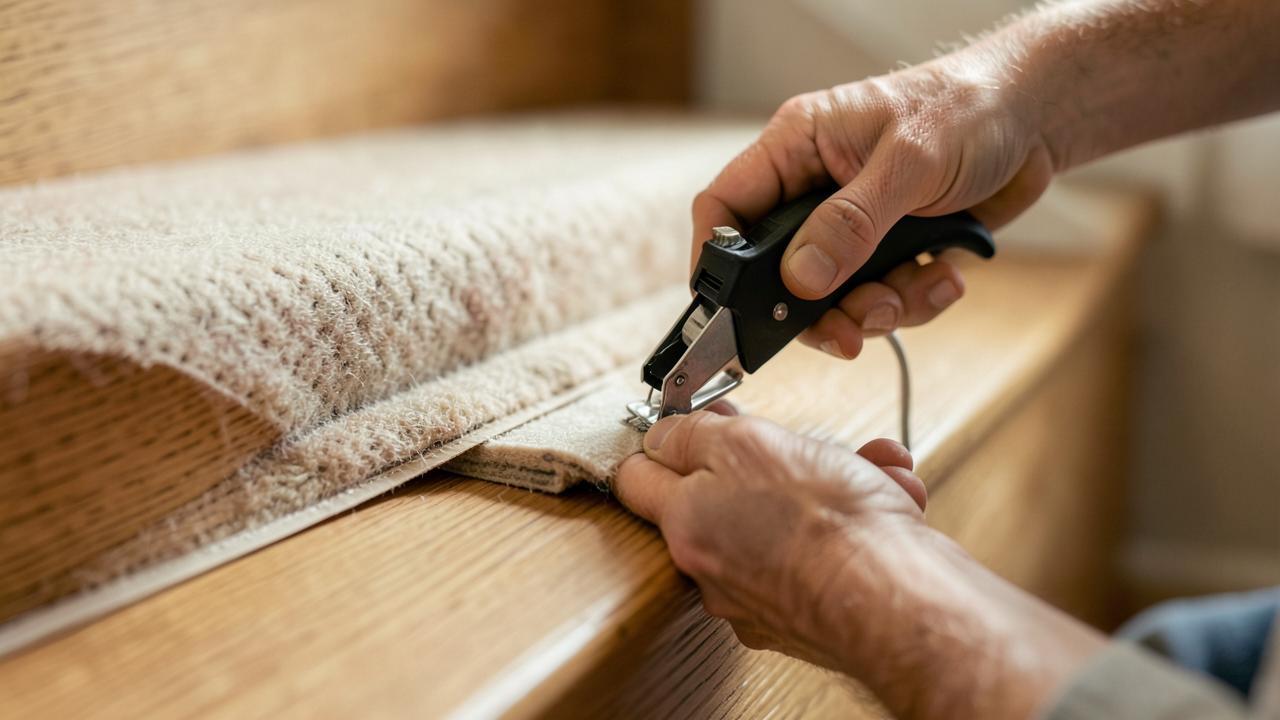 InstallationHow to Install a Stair RunnerWaterfall and Hollywood methods, staples versus rods, tools, sequence and quality checks.
- DesignChoosing a Stair Runner ColourHow light, adjacent flooring, trim colour, traffic and dirt should drive the colour decision.
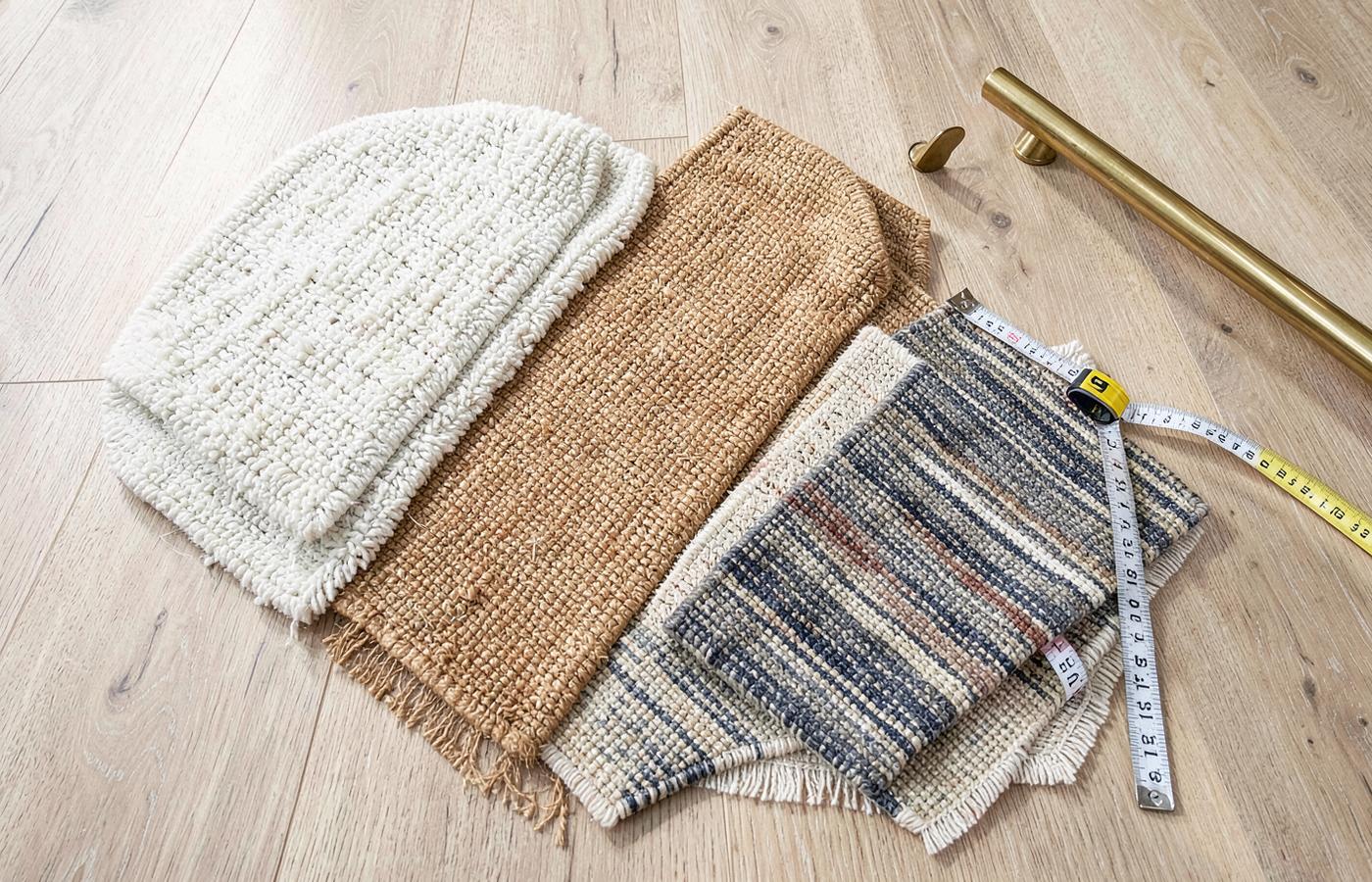 MaterialsWool Stair RunnersWhy wool holds its shape on stairs: crimp, twist, blends, staining, moths, shedding and honest limitations.
The 'Maximalist' trend: Purple as a foundation
The rise of 'Maximalism' in British interiors has brought purple back to the forefront. Unlike the 'safe' neutrals of the early 2000s, maximalism embraces bold, saturated colours. A purple stair runner is the perfect foundation for a maximalist hallway. It allows you to use other bold colours—like emerald green, mustard yellow, or burnt orange—without the space feeling disjointed. Purple acts as a 'sophisticated anchor' that can hold its own against busy wallpapers and eclectic art collections. It is a colour that says the homeowner is not afraid of self-expression, and it transforms the staircase from a transition space into a central gallery of style.
Dye technology and the 'Vibrancy' problem
Historically, purple was a difficult colour to keep vibrant. Early synthetic dyes would often fade to a dull, muddy brown. Modern dye technology, however, has solved this. Today's purple runners use 'high-chroma' dyes that are molecularly bonded to the fibre. This is especially important for staircases that receive a lot of foot traffic; every time a foot scuffs the carpet, it is effectively 'sanding' the surface. With modern dyes, the colour is consistent all the way through the yarn, so even as the pile wears down over many years, the purple remains as vibrant as the day it was installed. This 'depth of dye' is what separates a high-end purple runner from a budget alternative.
Creating a 'Sense of Occasion' in the entryway
The hallway is the first thing guests see, and a purple runner creates an immediate 'sense of occasion.' It feels festive and welcoming. Psychologically, purple is associated with creativity and the 'non-traditional.' By choosing a purple runner, you are signalling to your guests that your home is a place of imagination and warmth. In the evening, under soft, warm lighting, a purple runner takes on a mysterious, almost magical quality. It changes the mood of the house, making the transition from the downstairs living areas to the upstairs bedrooms feel like a special journey rather than just a chore.
Specifying purple for 'Low Light' Victorian hallways
Many Victorian terraced houses have hallways that receive almost no natural light. In these spaces, choosing the right purple is critical. A very dark aubergine will look like a black void, whereas a bright violet might feel too garish. The solution is a 'heathered' purple—a blend of violet, lavender, and grey yarns. The grey yarns help the purple to 'recede' slightly, making it feel more integrated into the shadows, while the lighter lavender tones catch whatever light is available. This creates a 'shimmering' effect that adds life to a dark hallway without the need for expensive additional lighting installations.
The 'Art Gallery' approach: Purple as a backdrop for art
If you have a collection of art on your staircase, a purple runner can act as a stunning backdrop. Purple is a complementary colour to many of the tones found in traditional and modern art—specifically yellows, golds, and oranges. A deep plum runner will make the gold frame of an oil painting 'pop,' while a modern heather runner will provide a soft, sophisticated base for a collection of black-and-white photography. It is a trick used by many boutique hotels and galleries to create a space that feels curated and expensive. The runner doesn't just sit on the floor; it works with the walls to create a complete, immersive environment.