Interior Style
Scandinavian stair runners: Light, texture, and Nordic calm
Scandinavian design isn't just an aesthetic; it's a philosophy of living well with less. In the hallway, a Scandi runner brings light, warmth, and a sense of orderly peace to the most functional part of your home.
Written by the StairRunner.co editorial team · Updated 4 September 2026
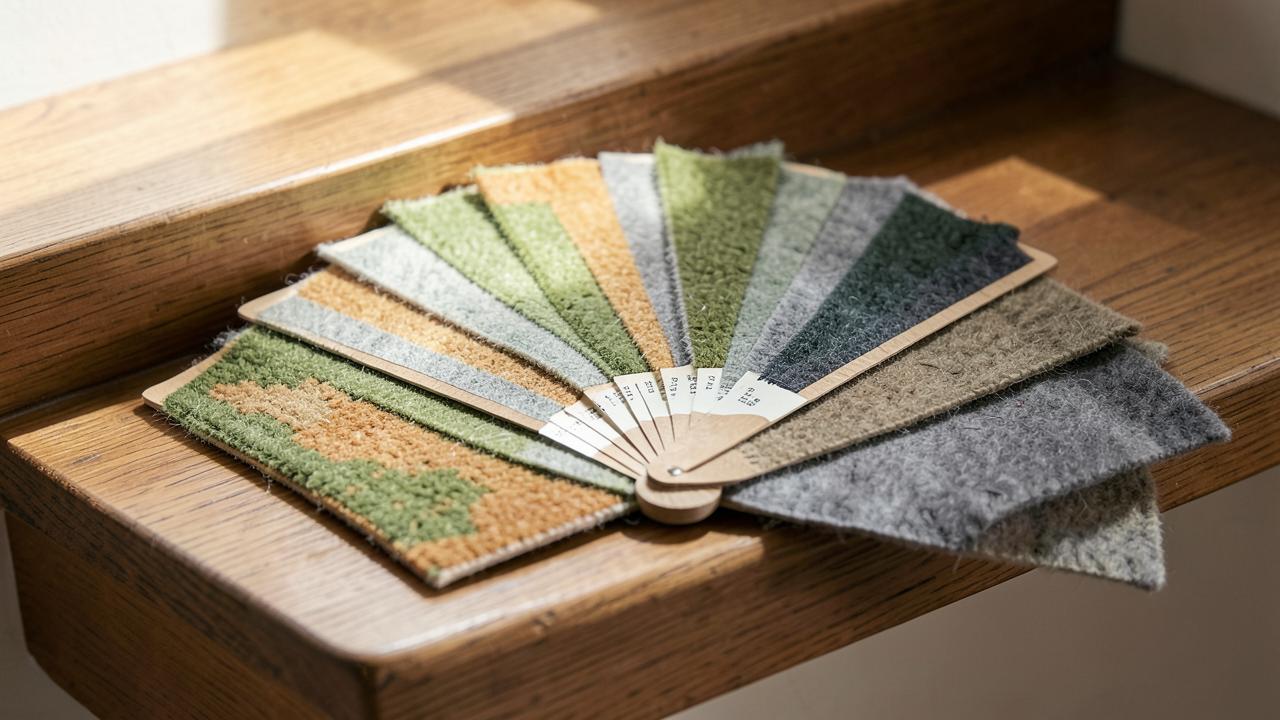
The essence of Nordic hallway design
Scandinavian design, originating from the Nordic countries of Denmark, Norway, Sweden, Finland, and Iceland, is characterized by three main pillars: functionality, simplicity, and a deep-rooted connection to the natural world. In a British home, where hallways can often feel cramped and dark, the Scandi approach is transformative. A Scandinavian stair runner isn't just a floor covering; it is a tool for capturing and reflecting light, making a transitional space feel like a destination in its own right.
The philosophy of 'Lagom'—the Swedish concept of 'just the right amount'—is perfectly applied to a staircase. You don't want a runner that is too loud or too ornate; you want one that provides exactly enough comfort, safety, and style to serve its purpose perfectly. This means choosing high-quality materials like wool and sisal that offer durability without needing to shout for attention.
Another key element is 'Hygge'. While Scandi design can sometimes be perceived as cold or clinical, the true heart of the style is cosiness. On a staircase, this is achieved through the tactile quality of the runner. A chunky, soft wool boucle feels incredible underfoot on a cold morning, providing that essential sense of warmth and sanctuary the moment you step out of bed.
The Scandinavian colour palette for stairs
The Nordic palette is heavily influenced by the natural light of the north—long winters and bright summers. This leads to a preference for colours that maximize luminosity.
| Shade | Inspiration | Design Impact |
|---|---|---|
| Oatmeal / Ecru | Raw wool, sandy beaches | Warm, organic, and incredibly versatile. The ultimate Scandi base. |
| Silver / Cool Grey | Winter skies, granite rocks | Modern, crisp, and clean. Works best in south-facing hallways. |
| Soft Sage / Pale Pine | Nordic forests | Brings a hint of colour while remaining firmly rooted in nature. |
| Charcoal / Slate | Volcanic rock, long shadows | Used sparingly as a contrast border or a grounding element. |
| Off-White / Bone | Snow, bleached wood | Maximum light reflection; requires careful maintenance. |
Materials: The Natural Choice
Scandi style prioritises authentic materials. Synthetics are used only when they can perfectly mimic the look and feel of natural fibres or offer a necessary functional boost.
- Wool: The preferred choice for Scandi homes. It is sustainable, resilient, and naturally soft. A plain or subtly heathered wool twist in a light tone is the quintessential Scandi runner.
- Sisal: Perfect for those who prefer a more rustic, 'New Nordic' aesthetic. The texture of a sisal runner provides a wonderful contrast to smooth, painted stairs. See sisal guide.
- Jute: Offers the softest feel of the natural plant fibres. It has a slightly more relaxed, 'lived-in' look that fits perfectly with a Scandi-Boho hallway. Read more on jute runners.
- Recycled PET: Increasingly popular in modern Scandi design. These runners look like wool but are made from recycled plastic bottles, making them highly durable and easy to clean—a very functional 'Nordic' solution.
Texture: The Pattern of Scandinavia
In Scandinavian design, texture often takes the place of pattern. A runner might be a single, solid colour, but the way it is woven provides all the visual interest needed.
Boucle and Loop Piles: These are the hallmarks of Scandi stairs. The 'bubbly' texture of a boucle weave creates a beautiful play of light and shadow that feels modern yet organic. It also offers excellent grip, which is a key safety consideration for the minimalist home.
Herringbone: While technically a pattern, the herringbone weave is so fundamental to Nordic architecture that it often functions as a 'neutral'. A light grey herringbone runner adds just enough movement to the stairs without breaking the calm atmosphere of the hallway.
Scandinavian Fitting: Waterfall vs. Hollywood
The way a runner is fitted is just as important as the material itself in achieving a Scandi look. The 'Waterfall' method, where the carpet flows straight down from the nosing to the next tread without being tucked in, is the most common choice. This creates a clean, uninterrupted line that emphasizes the minimalist aesthetic.
However, the 'Hollywood' or 'Tucked' fit can also work if you want to emphasize the clean lines of the stair's architecture. The key is to avoid any ornate or unnecessary details. The fitting should look effortless and 'invisible'. For more on these techniques, see fitting styles.
Minimalist Stair Rods?
Traditional Scandi design often eschews stair rods entirely, preferring the clean transition from carpet to wood. However, if you want the extra security or the visual 'anchor' that a rod provides, choose a modern finish.
Matte Black: A very popular choice in contemporary Scandi-Industrial homes. It provides a sharp, graphic contrast against a light grey runner.
Brushed Steel or Nickel: Offers a cooler, more high-tech feel that pairs well with modern ash or pine stairs.
Light Wood Rods: A rarer but beautiful option that perfectly aligns with the Nordic love for timber. See our stair rod guide for more ideas.
Coordinating the Scandi Hallway
To truly achieve the Nordic look, the runner must be part of a wider design scheme.
- Woodwork: Light-coloured woods like ash, pine, or bleached oak are the natural companions for a Scandi runner. If you have dark stairs, consider painting the risers white to brighten the look.
- Wall Paint: Avoid stark 'brilliant white', which can feel cold. Instead, look for whites with a hint of grey or ochre to create a softer, more 'human' environment.
- Furniture: A simple wooden bench, a minimalist coat rack, and a round mirror are all you need to complete the Scandi hallway. The goal is to keep the space 'airy'.
- Lighting: Use warm-toned LED bulbs. Nordic homes rely heavily on ambient lighting to create hygge during the long winter nights.
Practicalities: Living with a Light Runner
The biggest concern with a Scandinavian runner is the light colour palette. While it looks beautiful, it is less forgiving than a dark patterned carpet.
The 'No Shoes' Rule: Most Scandinavian homes are strictly shoe-free. Adopting this habit is the single most effective way to keep a light-coloured runner looking new.
Vacuuming: You will need to vacuum more frequently—at least three times a week. This isn't just to remove dirt, but to keep the light-coloured pile 'fluffed' and prevent it from looking flat or grey.
Professional Cleaning: Budget for a professional clean every 12 months. This will remove the deep-seated atmospheric dust that can slowly turn an oatmeal runner into a murky brown one. Read cleaning advice for more.
Scandinavian Style on a Budget
You don't need to spend a fortune to get the Scandi look. High-quality polypropylene runners in oatmeal and grey are now widely available and offer a very similar aesthetic to wool at a fraction of the cost. Because they are often 'bleach cleanable', they are also more practical for young families. Combine a budget-friendly runner with a high-quality underlay to ensure it feels as luxurious as it looks. Check budget options.
Safety and the Scandi Aesthetic
Minimalism should never come at the expense of safety. In a Scandi hallway, where the lines are very clean, it is important that the nosings of the stairs are still clearly visible. A light-coloured runner on light wood can sometimes 'blur' together, making it hard to see the edge of each step.
To solve this, ensure your hallway is well-lit, or choose a runner with a subtle contrast border. Even a very light grey border on a white runner can provide enough visual definition to prevent trips. For more on this, see safety guides.
Sustainability: The Nordic Core
True Scandinavian design is inherently sustainable. It values products that are made to last and that have a minimal impact on the environment. When choosing your runner, look for 100% natural wool or plant fibres. Avoid products with heavy chemical treatments or non-recyclable backings. A runner that lasts 20 years and then biodegrades is the ultimate expression of Scandi design values.
Scandinavian Design Myths
- "It's all white and grey." While these are common, Scandi style also uses muted blues, forest greens, and warm terracottas—all inspired by the Nordic landscape.
- "It's too cold for a family home." Not if you focus on the 'Hygge' aspect. Texture and warm lighting are what make a Scandi home feel inviting.
- "It's only for modern houses." Scandinavian design works beautifully in period homes, providing a fresh, contemporary contrast to traditional features like cornicing and fireplaces.
Troubleshooting Scandi Stair Issues
| Problem | Cause | Solution |
|---|---|---|
| Runner looks 'dirty' despite cleaning | Grey atmospheric soiling on light fibres | Professional deep steam clean or hot water extraction |
| Visible footprints / 'Tracking' | Soft, low-density pile in a plain colour | Choose a high-texture boucle or a denser twist pile next time |
| Lack of definition on the steps | Too little contrast between runner and wood | Add a subtle contrast border or improve overhead lighting |
| Slippery feel on the stairs | Very smooth, flat-woven synthetic without texture | Ensure a high-quality non-slip underlay is used. See underlay tips |
Final Thoughts: Embracing the Calm
A Scandinavian stair runner is a commitment to a particular way of living—one that values quality, light, and tranquility. By choosing natural materials, focusing on texture over busy patterns, and maintaining a bright, uncluttered environment, you can transform your staircase from a simple thoroughfare into a serene and beautiful part of your home.
Before you make your final choice, we highly recommend ordering several samples in different 'neutral' tones. The difference between a 'warm' oatmeal and a 'cool' silver can be dramatic when installed across a whole flight of stairs. For more help with your selection, read our guide on how to choose a stair runner.
Frequently asked questions
- What defines a Scandinavian-style stair runner?
- Scandi style is defined by 'hygge' (cosiness), functionality, and a connection to nature. For stair runners, this translates to light-coloured natural fibres (like wool or light sisal), minimalist patterns (often geometric or plain), and a focus on clean, uncluttered lines.
- Which materials are best for a Scandi look?
- 100% wool in a light grey, oatmeal, or off-white is the classic choice. For a more rustic Scandi feel, a light-toned sisal or a soft jute works perfectly. These materials offer the necessary natural texture while keeping the colour palette bright.
- Should I use stair rods with a Scandi runner?
- Strictly speaking, traditional Scandi minimalism often omits rods for a cleaner 'waterfall' look. However, if you do want rods, choose a modern, minimalist design in a matte black or brushed steel finish rather than ornate brass.
- How do I keep a light-coloured Scandi runner clean?
- Regular vacuuming is key. For light wool, use a professional wool-safe cleaner for spots. Many Scandi-style runners also use polypropylene blends that are bleach-cleanable, offering the look of wool with easier maintenance.
- Does Scandi style work with dark wood stairs?
- Yes, the contrast between a light Scandi runner and dark wood can be very effective. The runner acts as a 'light-path' up the stairs, brightening what might otherwise be a dark part of the home.
- What wall colours complement a Scandi runner?
- Think 'cool whites', 'warm greys', and 'soft sages'. The goal is to create a bright, airy environment that allows the texture of the runner and the grain of the wood to shine.
Related guides
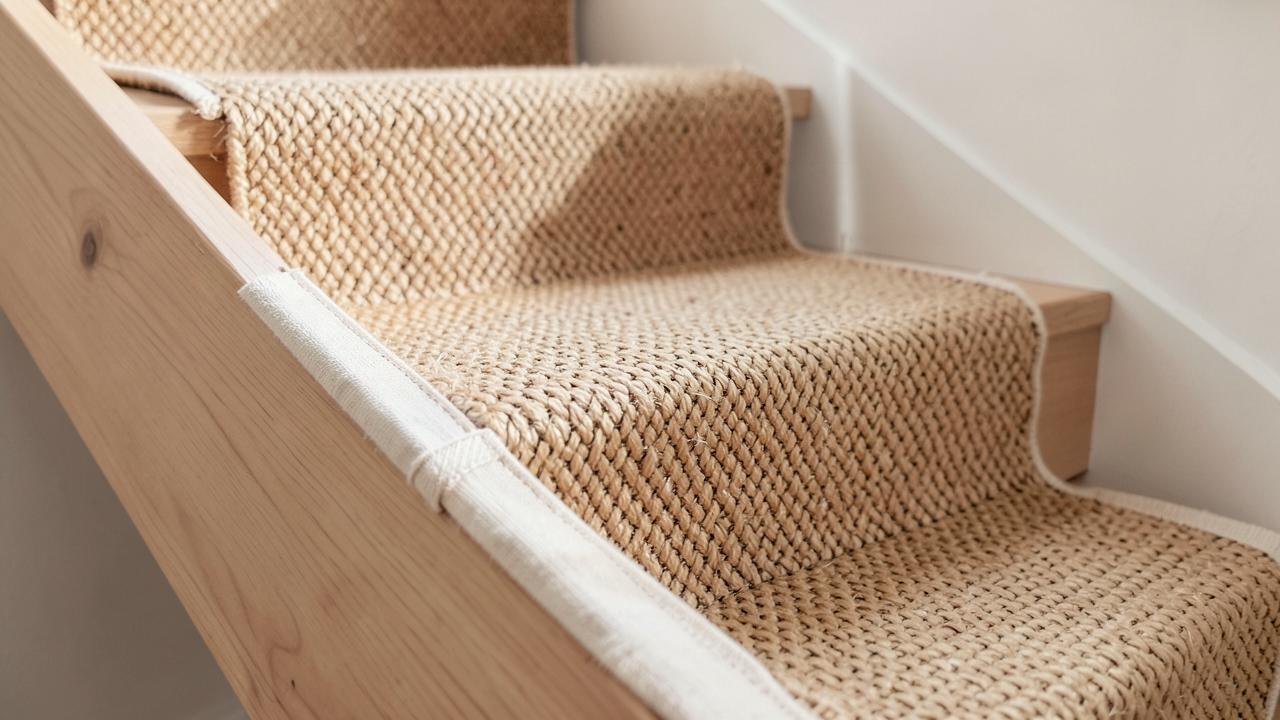 MaterialsSisal and Jute Stair RunnersNatural plant-fibre runners on stairs: durability, texture, moisture behaviour, borders and honest limitations.
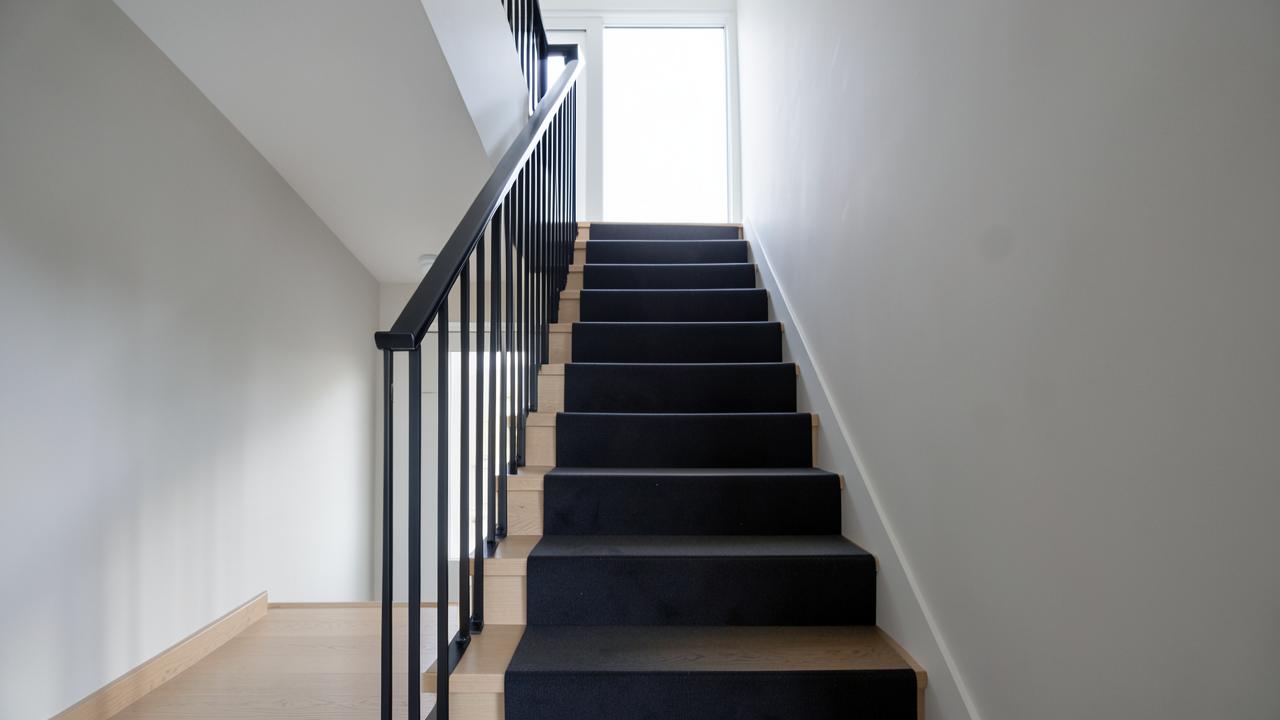 DesignModern Stair Runner IdeasContemporary, traditional, farmhouse and vintage directions, and what makes each read as deliberate.
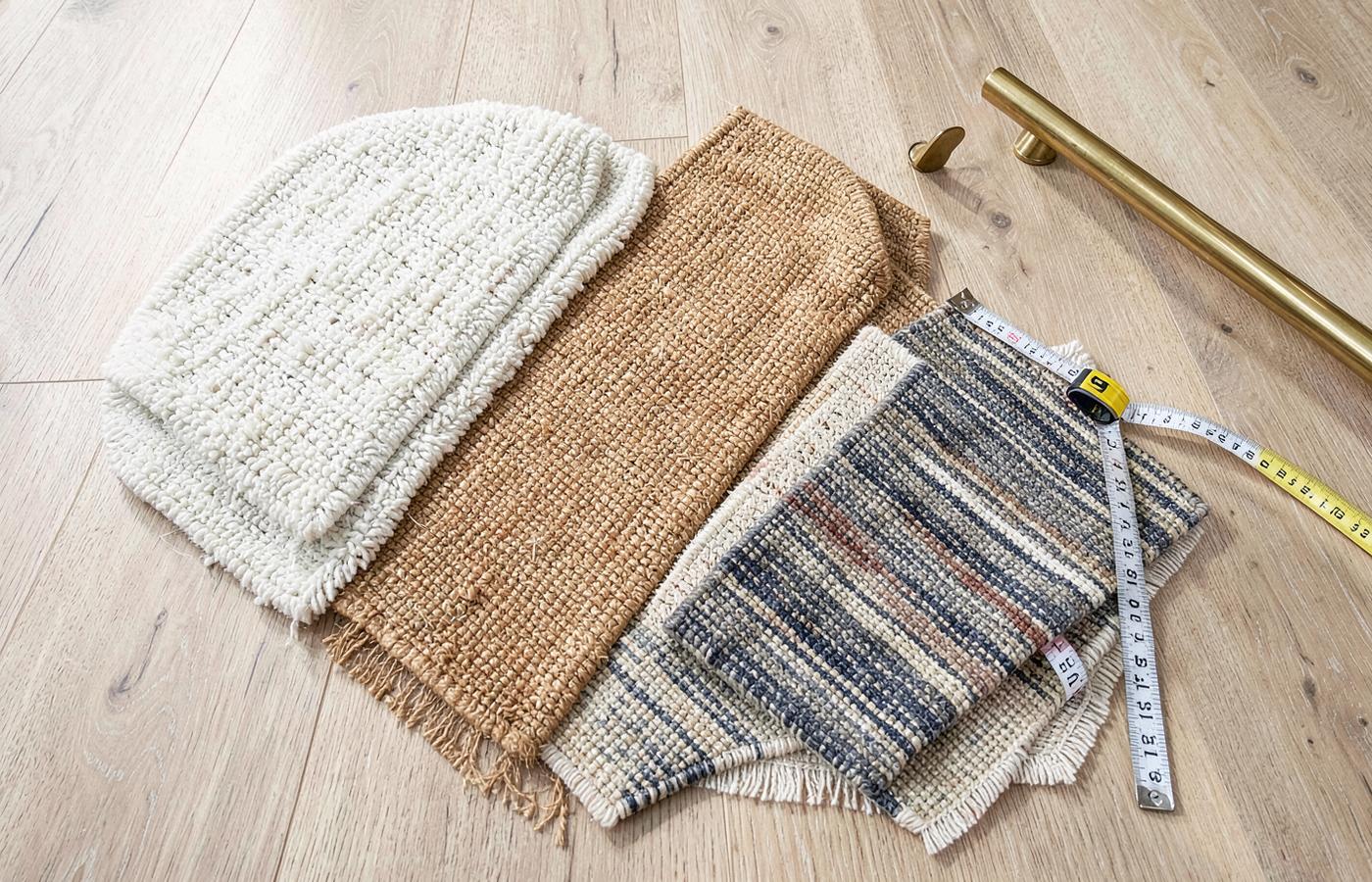 MaterialsWool Stair RunnersWhy wool holds its shape on stairs: crimp, twist, blends, staining, moths, shedding and honest limitations.