Classic Design
Traditional stair runners: a guide to timeless hallway style
Traditional design is not about following a specific era; it is about choosing elements that have stood the test of time. A traditional stair runner offers a sense of permanence, quality, and understated elegance that works in almost any home.
Written by the StairRunner.co editorial team · Updated 4 September 2026
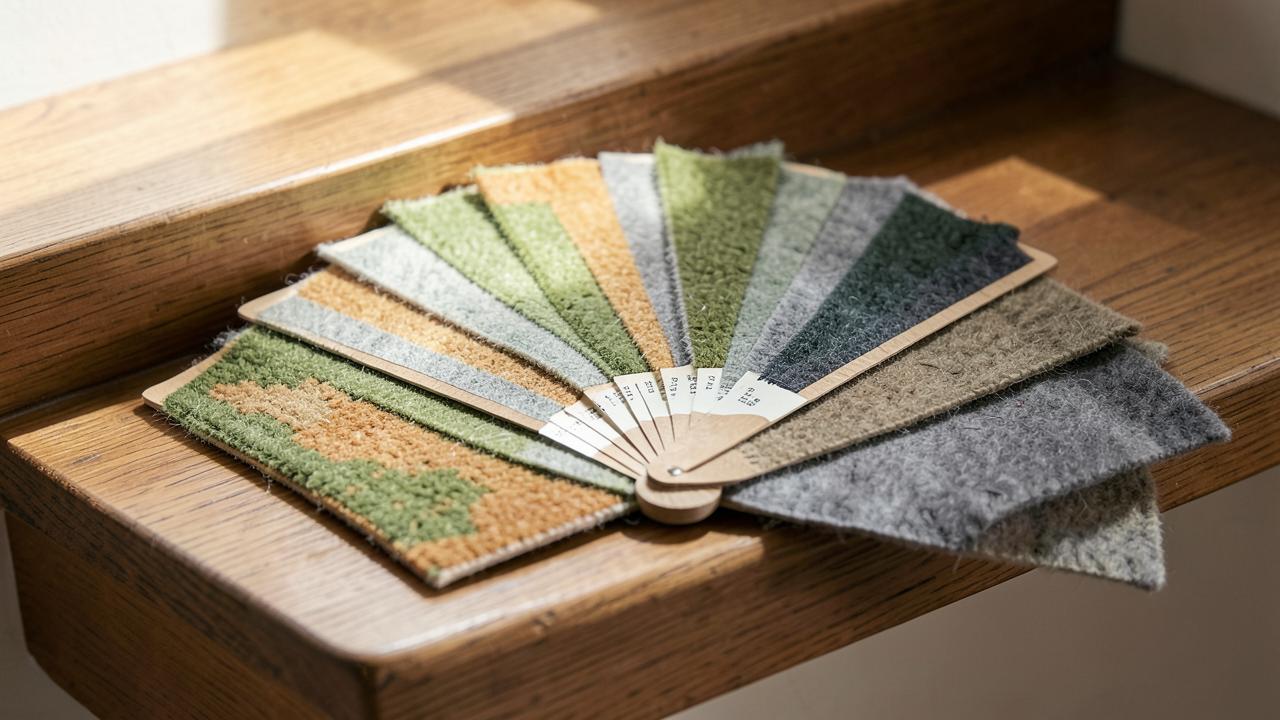
The essence of traditional design on the stairs
In the context of interior design, 'traditional' is often used to describe a look that is familiar, comfortable, and classic. It is an aesthetic that avoids fleeting trends in favour of styles that have proven their enduring appeal. When it comes to the staircase, a traditional runner is about more than just decoration; it is about creating a sense of home and heritage. It is the kind of floor covering that looks like it has always been there, and will continue to look right for decades to come.
The core of traditional design lies in balance and proportion. A traditional runner is neither too bold nor too minimalist. It sits comfortably in the middle, using quality materials and refined patterns to add character to the hallway without overwhelming it. This balance makes it an incredibly versatile choice, equally at home in a Victorian terrace, a Georgian townhouse, or a modern family home that values classic style.
By choosing a traditional runner, you are opting for a design that respects the architecture of your home while providing a practical and beautiful surface for daily life. It is an investment in a look that will never go out of style, providing a stable and welcoming backdrop for your home's most travelled path.
Classic materials for the traditional look
The choice of material is fundamental to the traditional aesthetic. Natural fibers are almost always preferred, as they offer a depth and texture that synthetic materials can struggle to replicate. Here we explore the most common traditional options.
Wool: The Gold Standard. Wool is the quintessential traditional material. It is soft underfoot, naturally resilient, and has a beautiful, understated lustre. Traditional wool runners often feature a loop pile or a low-cut pile, providing a dense and durable surface that resists flattening. Wool is also excellent at holding dyes, allowing for a wide range of classic colours and subtle patterns. Learn more in our guide to wool runners.
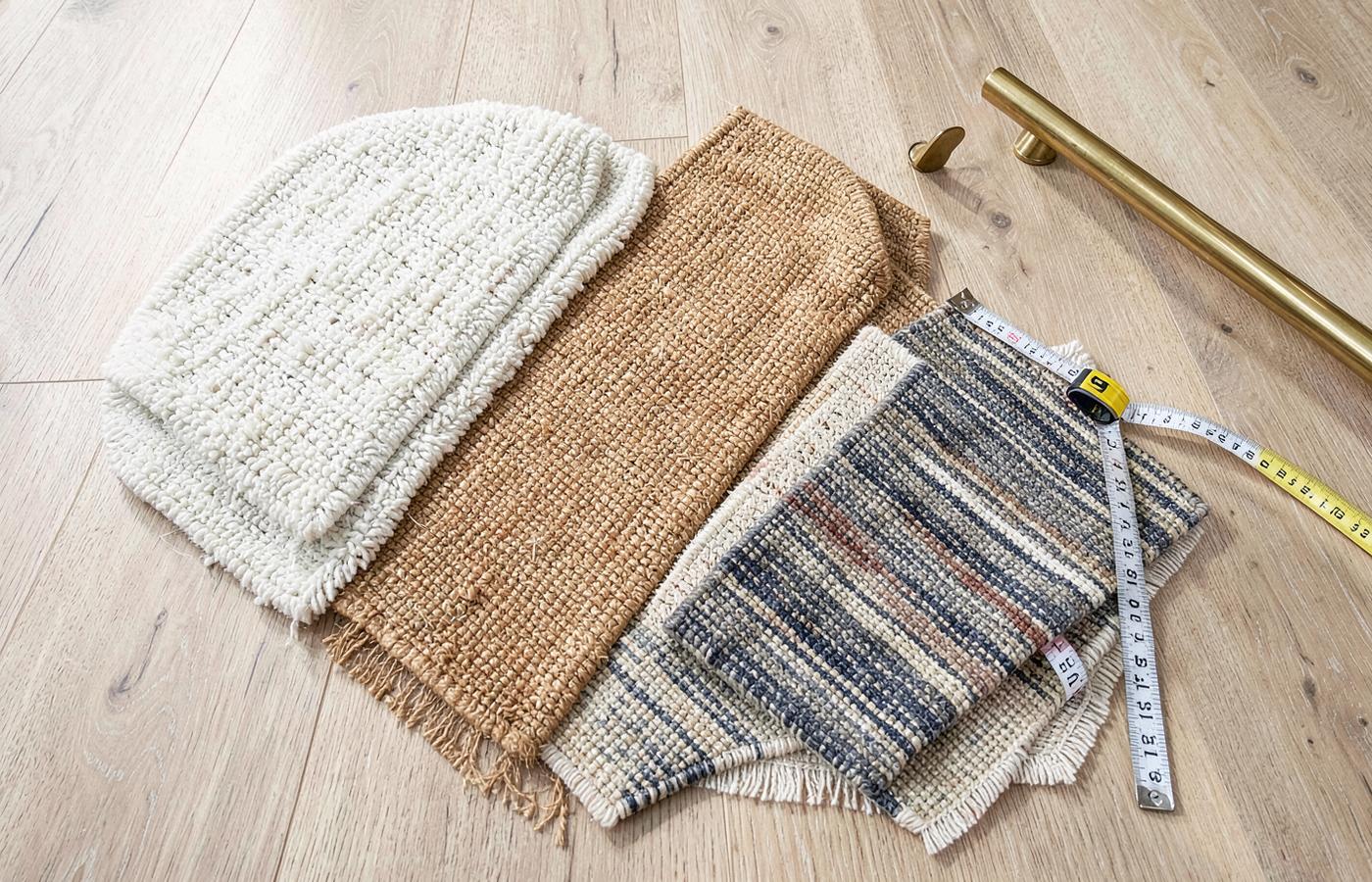
Sisal: The Rugged Classic. Sisal has been used for flooring for centuries and remains a popular choice for traditional stair runners today. It is incredibly tough and durable, making it ideal for high-traffic areas. Its natural, earthy appearance and distinctive textural weave add a sense of rustic elegance to the hallway. Sisal is a perfect choice for those who want a more understated, natural look. Explore the options in our sisal guide.
Jute: The Softer Natural. Jute is similar in appearance to sisal but is significantly softer underfoot. While it is not quite as durable as sisal or wool, it is a beautiful choice for a traditional home that prioritizes comfort and a relaxed, natural feel. Its golden, slightly irregular weave provides a wonderful sense of organic character. See more on jute stair runners.
Seagrass: The Coastal Traditional. Seagrass offers a unique, slightly waxy texture and a subtle green-tinged palette that feels both traditional and fresh. It is highly resistant to staining and provides a very durable surface for the stairs. It is a fantastic choice for traditional homes with a coastal or country feel. Find out more in our seagrass guide.
| Material | Key Aesthetic | Durability | Best For |
|---|---|---|---|
| Wool | Soft, luxurious, versatile | Very High | Classic homes, comfort, longevity |
| Sisal | Textural, rustic, natural | Extreme | Very high traffic, natural style |
| Jute | Soft, organic, warm | Moderate | Low-to-mid traffic, comfort |
| Seagrass | Waxy, coastal, durable | High | Stain resistance, country style |
Iconic patterns for the traditional staircase
While a solid colour can be traditional, the style is often defined by its use of classic, understated patterns. These designs add visual interest without becoming a distraction.
Stripes: The Timeless Favourite. Stripes are perhaps the most popular traditional pattern for stair runners. They draw the eye up the stairs, creating a sense of movement and making the flight feel longer and more elegant. A classic pinstripe, a bold multi-stripe, or a subtle tonal stripe can all achieve a traditional look. Stripes also have the advantage of being very forgiving of the odd misaligned step. See more in striped stair runners.
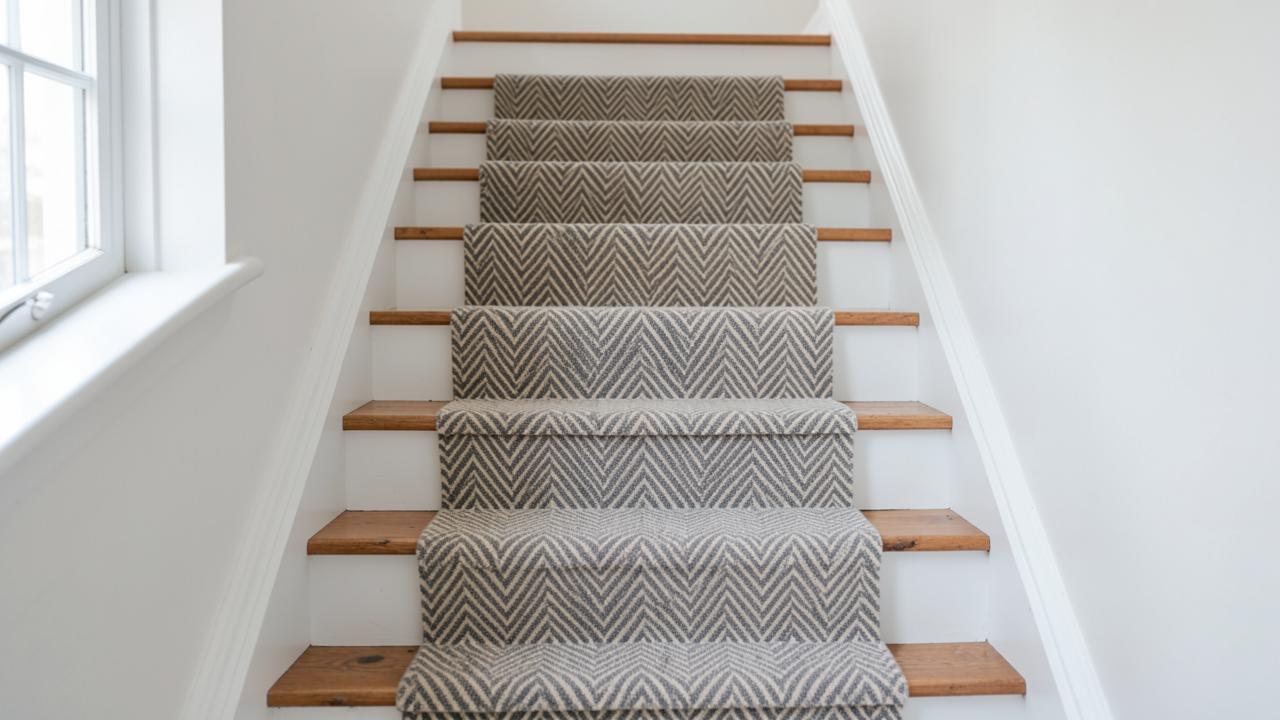
Small-Scale Geometrics: Subtle geometric patterns, such as herringbone or a small diamond weave, add a layer of sophistication to a traditional runner. These patterns are often created through the weave itself, rather than through printing, giving them a beautiful textural depth. They are a great choice for those who want a pattern that is more understated than a stripe but more interesting than a solid colour.
Classic Borders: Even a simple, solid-colour runner can be given a traditional feel with the addition of a border. A contrasting border tape or a slightly darker woven edge frames the runner and provides a tailored, formal finish that is a hallmark of traditional design. Explore more in stair runner patterns and borders.
Traditional installation techniques
The way a runner is installed is just as important as the material itself in achieving a traditional look. Traditional installation prioritizes clean lines, secure fixings, and a sense of permanence.
The Waterfall Fit. This is the most common fit for traditional runners. The carpet flows directly from the nosing of one step to the back of the next, creating a smooth, uninterrupted line of pattern or texture. It is a simple and elegant technique that perfectly suits the understated nature of traditional design. For more detail, see waterfall vs hollywood installation.
A Considered Reveal. Traditional runners are rarely wall-to-wall. Instead, they leave a portion of the wooden stairs exposed on either side. This 'reveal' is a key part of the aesthetic, framing the runner and highlighting the architecture of the staircase. A reveal of 10-12cm on each side is a classic choice that works for most British stairs. More guidance can be found in how to choose the right width.
Quality Underlay. A traditional runner should feel solid and secure underfoot. This requires a high-quality, dense underlay that provides cushioning without making the runner feel 'spongy'. For natural fibers like sisal and jute, a specialized low-profile underlay is often used to ensure the runner sits as flat as possible on the steps. Read more in stair runner underlay and padding.
The role of stair rods in traditional design
While not strictly necessary for a modern installation, stair rods are a classic accessory that can enhance the traditional feel of a runner. They provide a touch of detail and a sense of formality that can really elevate the hallway. In a traditional setting, simple and elegant rods in a finish like antique brass, bronze, or even wood are often the best choice. They should complement the other features of your hallway rather than competing with them. Learn more about the options in choosing stair rods.
Caring for a traditional runner
To ensure your traditional runner remains a beautiful part of your home for many years, a regular maintenance routine is essential. Natural fibers require slightly different care than synthetics.
Regular Vacuuming: This is the most important part of your routine. For wool runners, use a vacuum with a brush bar to lift the pile. For natural fibers like sisal and seagrass, a suction-only vacuum is often better to avoid damaging the delicate weave. Vacuum at least twice a week to prevent the build-up of grit that can damage the fibers.
Dealing with Spills on Natural Fibers: Natural fibers like sisal and jute are more absorbent than wool or synthetics, meaning spills must be dealt with extremely quickly. Blot (don't rub) the area immediately. Avoid using too much water, as this can cause the fibers to swell or leave a watermark. For persistent stains, a specialized dry cleaning powder is often recommended. Detailed advice can be found in our cleaning guide.
Professional Care: Consider having your runner professionally cleaned every year or two. For natural fibers, ensure you choose a cleaner who specializes in these materials, as they require specific techniques and products to avoid damage.
Why choose a traditional runner?
In a world of fast-moving trends, a traditional stair runner offers a sense of stability and timeless quality. It is a choice that reflects a desire for a home that feels established, comfortable, and beautifully designed. Whether you are looking for the luxury of wool or the rustic charm of sisal, a traditional runner provides a versatile and enduring solution for your staircase. It is a design choice that you are unlikely to regret, providing a warm and stylish welcome to your home for many years to come.
Frequently asked questions
- What defines a traditional stair runner?
- Traditional runners are defined by timeless patterns like stripes, small-scale geometrics, or subtle textures. They often use natural materials and a balanced colour palette that complements historical architecture.
- Which materials are best for a traditional runner?
- Wool is the most traditional choice for its luxury and resilience, but natural fibers like sisal and jute are also classic options that provide a more rustic, textural feel.
- Should I choose a striped or solid traditional runner?
- Stripes are a classic choice that can make a staircase feel longer and more dynamic. A solid colour with a textured weave is more understated and focuses on the quality of the material.
- How do I choose the right colour for a traditional hallway?
- Traditional halls often benefit from neutral mid-tones like oatmeal, slate, or sage, which coordinate well with wooden furniture and period features without feeling dated.
- Are traditional runners suitable for modern homes?
- Absolutely. The 'traditional' look is essentially timeless, and a well-chosen runner can provide a sense of quality and warmth in a modern space without feeling out of place.
- What is the most durable traditional runner?
- A high-density wool loop or a tight-weave sisal are among the most durable traditional options. They resist flattening and can withstand high levels of daily traffic.
- How should I finish the edges of a traditional runner?
- A simple, colour-matched cotton binding or a discrete hidden stitch are the most common ways to finish a traditional runner, maintaining its clean and timeless lines.
Related guides
 CareCleaning and Caring for a Stair RunnerRoutine vacuuming, spill response by fibre type, slipping and fraying, and when to call a professional.
 MaterialsSisal and Jute Stair RunnersNatural plant-fibre runners on stairs: durability, texture, moisture behaviour, borders and honest limitations.
 MeasurementWhat Width Should a Stair Runner Be?How to set runner width and side margins from your stair width, stringers, balusters and pattern.
 DesignStriped Stair RunnersStripe direction, repeat matching, widening and narrowing effects, and the fitting challenges stripes create.
 MaterialsWool Stair RunnersWhy wool holds its shape on stairs: crimp, twist, blends, staining, moths, shedding and honest limitations.
Traditional patterns in history
The patterns we consider traditional today often have their roots in the grand estates of the 18th and 19th centuries. Simple stripes, for example, were a way to add movement and rhythm to the long staircases of manor houses. These designs were meant to be understated, providing a background for the architecture and artwork rather than competing with it. Today, we use these same patterns to create a sense of continuity and calm in our own homes. The traditional aesthetic is about respect for the past and an appreciation for designs that have worked for generations. By choosing a traditional runner, you are connecting your home to this historical lineage, creating a space that feels established and meaningful. It is a choice that speaks of quality, restraint, and an understanding of what makes a house a home.
The importance of the wooden reveal in traditional style
In a traditional installation, the wood of the staircase is just as important as the carpet that covers it. The "reveal" — the area of wood showing on either side of the runner — frames the pattern and highlights the craftsmanship of the stairs themselves. Historically, this reveal was quite generous, often leaving 15cm or more of wood exposed. This creates a more formal and structured look that is characteristic of period design. When choosing the width of your traditional runner, consider the proportions of your hallway. A wider reveal can make a narrow staircase feel more elegant, while a narrower reveal might be better for a very grand, wide flight. The goal is to achieve a balance that feels intentional and well-proportioned. See more in our guide to width.