Materials
Triexta stair runners: The high-performance choice for modern homes
For homeowners needing the ultimate balance of softness, stain resistance, and extreme durability, triexta represents a significant modern advancement in stair-bound textiles. It is the fibre that bridges the gap between the luxury of natural wool and the practical resilience of industrial-grade synthetics.
Written by the StairRunner.co editorial team · Updated 4 September 2026
The science behind triexta: What makes it unique?
To understand why triexta is so effective on stairs, one must look at its molecular structure. Chemically known as PTT (Polytrimethylene Terephthalate), triexta is often grouped with polyester but behaves very differently in practice. The key difference lies in the 'kinked' or 'spring-like' structure of the triexta molecule. When you step on a triexta runner, the fibres are compressed, but the molecular spring allows them to bounce back to their original shape far more effectively than standard polyester or even some grades of nylon.
This resilience is critical on a staircase. Most stair carpets fail not because the fibres break, but because they lose their 'loft' and become flattened and matted in the centre of the tread. This creates a visible 'traffic lane' that makes the whole flight look aged. Triexta's ability to resist this crushing effect is what gives it such a long aesthetic lifespan. Furthermore, the fibre is produced using a significant percentage of renewable, corn-based materials, making it a more environmentally conscious choice compared to 100% petroleum-based synthetics.
Inherent stain resistance: A game changer for families
One of the most common frustrations with stair runners is the difficulty of removing stains in a location where you cannot simply lift the carpet and wash it. Most synthetic carpets are treated with a topical stain-resistant coating—a chemical layer applied to the surface of the fibre. Over time, particularly in the high-friction environment of a staircase, this coating wears away, leaving the fibre vulnerable.
Triexta is different. Its stain resistance is a property of the fibre itself, not a surface treatment. The fibre lacks the 'dye sites' that most stains (like red wine, coffee, or pet accidents) need to bond to. This means that even after years of heavy use, a triexta runner remains just as easy to clean as it was on day one. For a household with young children or pets, this 'permanent' protection provides immense peace of mind. You aren't just buying a runner; you are buying a surface that is designed to survive real-life accidents without leaving a permanent record of them on your stairs.
Tactile luxury: The wool-like feel of triexta
Historically, if you wanted a soft, luxurious stair runner, you had to choose wool. Synthetics were often seen as the 'practical but scratchy' option. Triexta has fundamentally changed this perception. The fibre is incredibly fine, which allows it to be woven into a pile that feels remarkably soft to the touch. In fact, in blind touch tests, many consumers struggle to tell the difference between a high-quality triexta and a soft wool blend.
This softness makes triexta a popular choice for 'shoes-off' households. A staircase is one of the few places in a home where you are almost guaranteed to be in direct contact with the floor covering. Whether you are walking up in socks or coming down barefoot in the morning, the comfort of the material matters. Triexta provides that cushioned, high-end feel while still being tough enough to handle the abrasive nature of stair traffic. It offers a level of comfort that is often missing from other durable synthetics like polypropylene.
Comparing triexta with other stair runner materials
| Material | Stain Resistance | Crush Resistance | Softness | Best For |
|---|---|---|---|---|
| Triexta | Exceptional (Inherent) | High | Very High | Busy families, pets, comfort seekers |
| Nylon | High (Treated) | Exceptional | Moderate | Ultra-high traffic, commercial areas |
| Wool | Moderate (Natural) | High | High | Traditional aesthetics, natural home |
| Polypropylene | Very High | Low to Moderate | Low | Budget-conscious, low-traffic areas |
Durability in the "Traffic Lane"
The 'traffic lane' is the narrow strip down the centre of your stairs where every foot lands. On a standard flight, this area receives 95% of all wear. A material that looks great on the edges but mats in the middle is a poor choice for a runner. Triexta's molecular memory is its secret weapon here. The 'spring' in the fibre means that even after it has been compressed by a foot, it actively tries to return to its upright position.
To maximise this durability, look for a 'dense' construction. When you fold a sample of triexta carpet back on itself, you shouldn't be able to see much of the backing material (the 'grin'). A dense pile supports the individual fibres, preventing them from leaning over and becoming crushed. When combined with triexta's natural resilience, a high-density weave creates a runner that can look new for a decade or more, even in a home with multiple residents and pets.
Acoustic benefits: The silent staircase
One of the secondary benefits of a thick, high-quality triexta runner is the reduction of noise. Wooden stairs act like a drum, amplifying every footstep and sending the sound echoing through the house. The dense, soft pile of triexta is an excellent sound absorber. It dampens the impact of feet, making the transit between floors significantly quieter.
This is particularly noticeable in modern homes with open-plan layouts where sound travels easily. A well-fitted runner doesn't just look good; it changes the entire 'feel' of a home by removing the harsh, clattering sound of feet on wood. Because triexta can be made in very high-pile densities without becoming stiff, it is particularly effective at this acoustic task.
Environmental credentials of triexta
Many modern homeowners are rightfully concerned about the environmental impact of the products they choose. While triexta is a synthetic polymer, it has a better environmental profile than many of its competitors. A significant portion of the material (up to 37% in some leading brands) is derived from corn sugar rather than petroleum.
This use of renewable resources reduces the energy required for manufacture and lowers the overall carbon footprint of the product. Additionally, because triexta is so durable and resistant to staining, it needs to be replaced less frequently than cheaper synthetics, which reduces the amount of waste sent to landfills over the lifetime of a home. It is a 'buy once, buy well' choice that aligns with sustainable living practices.
Installation: Waterfall vs. Hollywood styles
Triexta is a highly pliable material, which makes it a dream for carpet installers. It can be manipulated around complex shapes without cracking the backing or creating unsightly bulk. When choosing how to install your triexta runner, you have two primary options: the Waterfall method and the Hollywood (or upholstered) method.
In a Waterfall installation, the runner flows over the edge of the stair nosing and drops straight down to the next tread. This is a classic, clean look that works beautifully with the soft, flowing nature of triexta fibres. It is also slightly easier to maintain as there are no tight crevices for dust to accumulate in.
The Hollywood installation involves wrapping the runner tightly around the nosing and then stapling it under the lip of the tread (the scotia) before continuing down the riser. This creates a more tailored, architectural look. Because triexta is so soft and flexible, it takes to this method exceptionally well, creating sharp, defined lines that highlight the craftsmanship of the installation. For more on this, see our detailed comparison of Waterfall vs Hollywood installation.
Design and colour options
Because triexta is a synthetic fibre, it can be dyed in an almost infinite array of colours. Whether you are looking for a subtle, neutral tone like grey or beige, or a bold, statement-making hue, triexta offers consistent, vibrant results. The way the fibre reflects light also gives it a slight sheen that many people find attractive, adding a sense of depth and richness to the colour.
When selecting a colour, remember the 'pet and child' rule: mid-tones are your friend. While triexta is very easy to clean, a very light colour will still show surface dirt between vacuuming sessions, and a very dark colour will show every speck of lint or pet hair. A mid-toned, heathered, or multi-tonal triexta runner is the ultimate low-maintenance choice for a busy home.
The importance of professional fitting
No matter how high-quality the material, a stair runner is only as good as its installation. Stairs are the most difficult part of any flooring project because they involve complex angles and require the carpet to be under significant tension. If a runner is not tensioned correctly, it will shift and rub against the wood, which will eventually destroy the backing and cause the pile to shed.
We always recommend using a professional fitter who has specific experience with stair runners. They will know how to properly use grippers and staples to ensure the runner is secure and safe. A poorly fitted runner is not just an aesthetic issue; it is a safety hazard. Ensure your fitter is familiar with triexta, as its softness can sometimes make it feel 'slippery' to an inexperienced hand during the stretching process.
Safety and slip resistance
Safety is paramount on a staircase. A bare wooden stair can be incredibly slippery, especially for those in socks or older family members with reduced mobility. Adding a triexta runner significantly increases the 'coefficient of friction', providing much better grip. The soft pile gives the foot something to 'sink' into slightly, providing a more stable base.
If safety is your primary concern, consider a low-profile triexta runner. While thick, plush piles feel great, a slightly lower pile height can provide a more 'connected' feel to the step, making it easier for the brain to register exactly where the foot is landing. You can read more about this in our guide to non-slip stair runners.
Cleaning routine for triexta runners
To keep your triexta runner looking its best for 15+ years, follow this simple routine:
- Vacuum frequently: At least twice a week. Use a vacuum with a beater bar or rotating brush to lift the pile and remove the grit that settles at the bottom. Grit is abrasive and will eventually cut the fibres if left in place.
- Blot spills immediately: Even though triexta is stain-resistant, don't let liquids sit. Use a clean, white cloth and blot—never rub. Rubbing can distort the pile and push the liquid deeper into the backing.
- Use water first: For most spills on triexta, plain warm water is all you need. If a stain is stubborn, use a pH-neutral carpet cleaner. Avoid harsh chemicals or bleach, as they are rarely necessary and can damage the backing.
- Professional clean: Have a professional perform a hot-water extraction every 12 to 18 months. This 'steam cleaning' flushes out the deep-seated dirt that a standard vacuum cannot reach.
Is triexta right for you?
If you are looking for a stair runner that offers the best of all worlds—the beauty and softness of wool with the 'unkillable' nature of modern technology—then triexta is likely the right choice. It is a premium product that solves many of the traditional problems associated with stair carpets. While it may cost more upfront than a basic polyester runner, the longevity, ease of cleaning, and daily comfort it provides make it one of the most cost-effective choices in the long run.
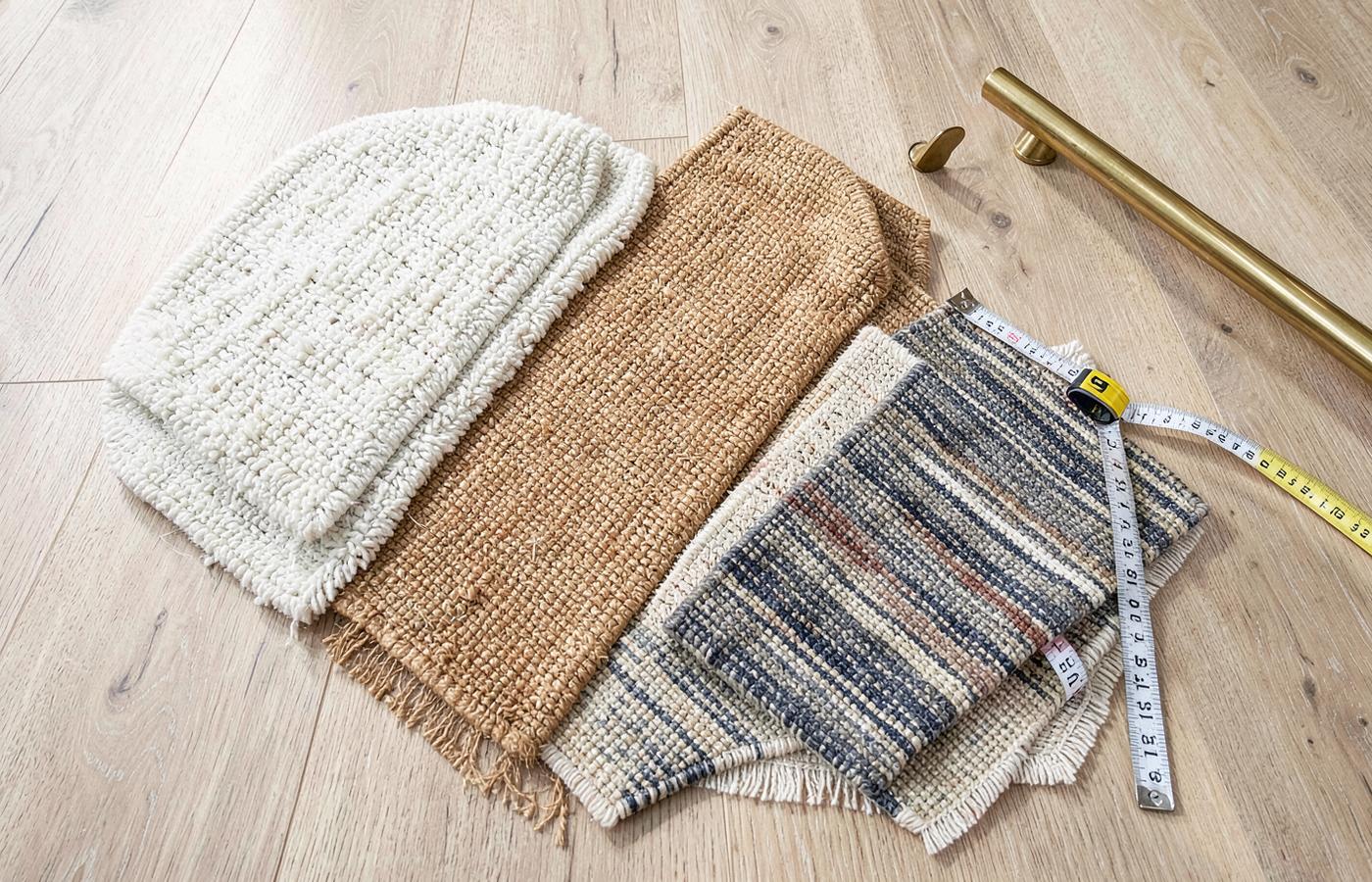
Before you make a final decision, we always recommend ordering samples from several different manufacturers. Feel the weight, check the density of the backing, and most importantly, test how the colour looks in the specific lighting of your hallway. For more help with this process, see our guide on how to choose a stair runner.
Final thoughts on triexta
The staircase is the heart of the home, a functional necessity that also serves as a major design element. Choosing a material like triexta ensures that this high-visibility area remains beautiful and functional for years to come. By understanding the science of the fibre and following a proper maintenance schedule, you can enjoy the luxury of a soft, carpeted staircase without any of the usual worries about wear and tear.
Frequently asked questions
- Is triexta a good choice for stairs?
- Yes, triexta is widely regarded as one of the best synthetic choices for staircases. Its molecular structure provides exceptional resilience against the crushing forces of foot traffic, while its inherent stain resistance makes it easier to maintain than many traditional materials. It offers the comfort of wool with the durability of heavy-duty industrial synthetics.
- How does triexta differ from nylon in a stair application?
- While both are durable, triexta's stain resistance is built into the fibre itself, whereas nylon often relies on topical treatments that can wear off in the high-traffic centre of the stairs. Triexta also tends to be softer to the touch, providing a more luxurious feel on barefoot stairs, though nylon often has a slight edge in absolute crush resistance in commercial-grade settings.
- Can triexta be used with pets on stairs?
- Triexta is an excellent choice for pet owners. It is resistant to common pet-related stains and does not absorb odours as readily as some natural fibres. Because it is usually constructed as a cut pile rather than a loop, it also minimises the risk of cats or dogs snagging their claws, which is a common failure point for stair carpets.
- Is triexta soft underfoot for a staircase?
- One of the defining characteristics of triexta is its 'hand' or softness. Despite its toughness, it feels significantly softer than standard polyester or polypropylene. This makes it ideal for homes where family members frequently walk the stairs in socks or barefoot, providing a cushioned, comfortable experience without sacrificing long-term performance.
- Does triexta require special cleaning on stairs?
- No special equipment is required, but a regular maintenance schedule is vital. Because triexta repels moisture, spills can often be blotted away with just water. For deeper cleans, professional hot-water extraction (steam cleaning) is recommended every 12 to 18 months to remove the fine grit that can accumulate at the base of the pile and cause premature wear.
- Is triexta more expensive than other synthetic runners?
- Triexta generally sits in the mid-to-high price bracket for synthetic runners. It is typically more expensive than standard polyester or polypropylene due to its superior performance characteristics and softer feel, but it often represents better long-term value than cheaper synthetics that may need replacing sooner due to matting or staining.
- How does triexta handle direct sunlight on a landing?
- Triexta has excellent UV resistance, meaning it is less prone to fading than many other fibres when exposed to the direct sunlight often found on landings or near windows. This makes it a reliable choice for maintain color consistency across the entire flight and connecting areas over many years.
Related guides
- ComparisonsWool vs Synthetic Stair RunnersWool, nylon, polyester and polypropylene compared on stair-specific wear, cleaning, comfort and price.
 MaterialsStair Runner Underlay and PaddingWhy pad choice matters more on stairs than anywhere else, and how to specify density, thickness and cut.
- BuyingBest Carpet for a Stair RunnerThe specification checklist — fibre, pile, density, backing, width and pattern repeat — for stair-worthy carpet.