Aesthetics
Velvet stair runners: Elegance, depth, and the art of the staircase
For those who view the staircase as a grand architectural statement, nothing compares to the deep, lustrous finish of a velvet runner. Explore the unique characteristics of this high-end floor covering.
Written by the StairRunner.co editorial team · Updated 4 September 2026
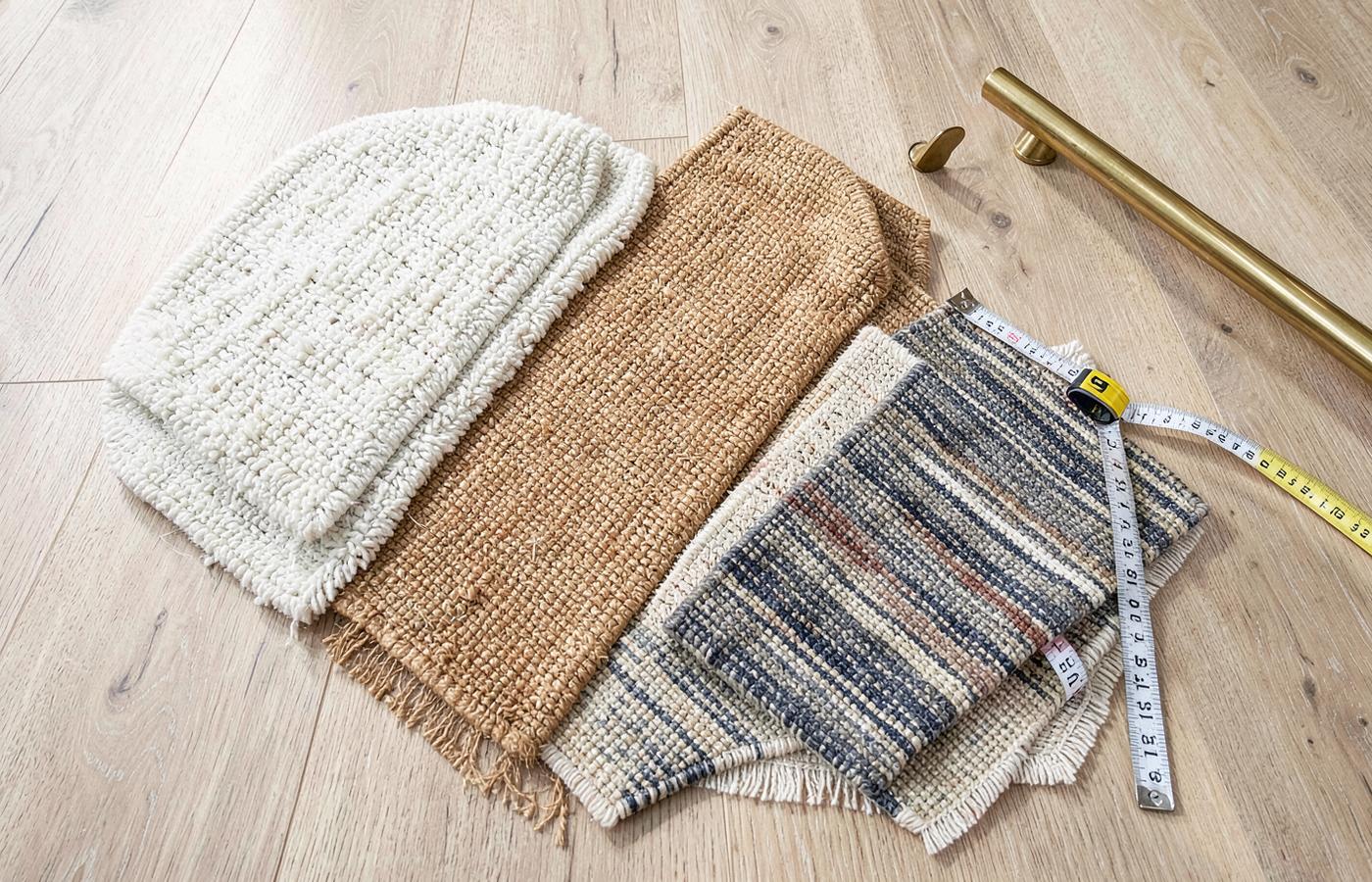
Defining the velvet aesthetic
Velvet carpet, often referred to as 'plush' in some regions, is characterized by its incredibly dense and short cut pile. Unlike a twist pile, where the yarns are tightly wound to create texture, velvet yarns are almost untwisted. This allows the individual fibres to blend together into a single, smooth, and continuous surface. The result is a look that is often compared to suede or, as the name suggests, velvet fabric.
This uniform surface creates a canvas for light and shadow. As you walk up the stairs, the angle of the pile changes slightly, creating areas that look darker or lighter depending on where you are standing. This 'shading' (sometimes called pooling or watermarking) is the hallmark of a genuine velvet runner. It gives the staircase a sense of movement and organic depth that is completely absent from more utilitarian carpet styles. For many homeowners, this is the very reason to choose velvet; for others, it is a characteristic that requires careful consideration.
The 'Shading' phenomenon: Feature or flaw?
It is impossible to discuss velvet runners without addressing shading. Because the pile is so smooth, even a slight shift in the direction of the fibres will change how they reflect light. Areas where the pile is pushed one way will appear darker, while areas pushed the other way will appear lighter. This creates a marbled or 'cloud-like' effect on the stairs.
In the flooring industry, this is considered a natural characteristic of the material, much like the grain in wood or the veining in marble. It is not a sign of wear, nor is it a manufacturing defect. However, if you are looking for a stair runner that remains perfectly uniform in colour at all times, velvet is likely not the right choice for you. A patterned runner or a high-texture twist would be a more suitable alternative. But for those who appreciate the 'living' nature of luxury materials, shading adds a level of sophistication that no other carpet can match.
Durability and wear: Beyond the soft surface
There is a common misconception that because velvet is soft and 'pretty', it is fragile. In reality, high-quality velvet runners are among the most durable carpets available. Their durability comes from their extreme density. By packing so many fibres into each square inch, the manufacturer ensures that the pile can withstand significant foot traffic without the individual fibres breaking.
However, there is a difference between 'wear' and 'appearance retention'. A velvet runner will 'wear' (remain structurally intact) for decades, but its 'appearance' will change as the shading becomes permanent in the traffic lane. This is why velvet is often recommended for formal staircases—the main flight in a grand entry, for example—rather than the 'back stairs' or a busy basement flight where utility is the only concern.
Velvet vs. Twist: A comparative guide
| Feature | Velvet Pile | Twist Pile |
|---|---|---|
| Surface Texture | Smooth, uniform, suede-like | Textured, 'bark-like', granular |
| Visual Effect | High shading and light-play | Uniform, hides footprints |
| Hand Feel | Incredibly soft and luxurious | Firm and springy |
| Maintenance | Higher (requires grooming) | Lower (very forgiving) |
| Best Suitability | Formal stairs, luxury interiors | Busy family homes, general use |
Choosing the right fibre for your velvet runner
Velvet runners are available in a range of fibres, each offering a slightly different look and feel:
- Wool Velvet: The traditional choice. It has a beautiful matte finish and the best natural resilience. It feels warm and substantial underfoot.
- Nylon Velvet: Often has a higher sheen than wool, giving it a more 'glamourous' look. It is exceptionally durable and more resistant to staining than pure wool.
- Silk or Viscose Blends: Sometimes used to add a high-gloss highlight to the velvet. While stunning, these are much more delicate and should be used with extreme caution on stairs. We generally recommend avoiding high-viscose content for high-traffic areas. See our guide on viscose stair runners for more warnings.
- Triexta Velvet: A modern alternative that offers the softness of wool with the 'unkillable' stain resistance of a high-tech synthetic. A great choice for families who want the velvet look without the cleaning stress.
Installation: Mastering the velvet look
Installing a velvet runner requires a high degree of skill. Because the pile is so uniform, any misalignment or uneven tension will be immediately obvious. A professional installer will ensure that the 'nap' of the velvet (the direction in which the pile naturally leans) is consistent throughout the entire flight. Typically, the nap should run 'down' the stairs, which makes the runner look smoother and more consistent when viewed from the bottom of the flight.
Velvet runners look particularly magnificent when paired with high-quality stair rods. The contrast between the soft, matte surface of the carpet and the hard, metallic gleam of the rods (in brass, chrome, or black) creates a truly classic architectural look. For more on this, see our guide to brass stair rods.
Acoustic and thermal performance
Because velvet is so dense, it is an incredible sound absorber. If you have a echoes in your hallway, a velvet runner will act as a high-performance acoustic panel for your floor. It swallows the sound of footsteps and voices, creating a much more hushed and intimate atmosphere. This makes it an ideal choice for large, period properties with high ceilings and expansive hallways where sound management is a functional necessity rather than a luxury.
Thermally, it is also a top performer. The sheer number of fibres per square centimetre creates an effective barrier against cold air rising from the floor below. This can make the stairs feel much warmer in winter, especially in older homes with drafty wooden steps. The thermal mass of a high-density velvet can actually contribute to the overall energy efficiency of the hall, acting as a functional rug for the entire vertical spine of the building.
Daily care and maintenance
To keep a velvet runner looking its best, a consistent maintenance routine is essential:
- Vacuuming: Use a vacuum with a rotating brush (beater bar) but ensure it is set to the correct height. If the brush is too low, it can 'frizz' the tips of the velvet fibres, destroying the smooth look. Vacuum at least twice a week to prevent grit from settling into the dense base.
- Grooming: Some velvet owners use a carpet rake or a stiff brush to occasionally 'reset' the pile, especially after heavy use or professional cleaning. This helps to even out the shading and prevents the fibres from becoming permanently oriented in one direction.
- Spill Management: Blotting is even more critical on velvet than on other styles. Rubbing a spill on a velvet runner will almost certainly cause a permanent 'burst' in the pile, where the fibres are forced apart and will never again reflect light the same way as the surrounding area.
- Professional Cleaning: We recommend a professional 'dry' clean or a low-moisture steam clean every 12 months. Over-wetting a velvet runner can lead to shrinkage and permanent distorting of the pile backing.
The 'Grand Entry' effect: Styling with velvet
Velvet runners are a favourite of interior designers because they provide a sense of 'instant heritage'. They look just as at home in a contemporary minimalist penthouse as they do in a traditional Victorian terrace. When styling with velvet, consider the lighting. Because of the shading effect, velvet will look different under warm incandescent bulbs than it does in cool natural daylight. Always check your samples in both lighting conditions to ensure the effect matches your expectations.
Color-wise, velvet excels in deep, saturated tones. A navy blue or deep red velvet runner has a presence that a lighter, neutral colour simply cannot match. It becomes the focal point of the entire hallway, setting a tone of luxury and deliberate design for the rest of the home. Even in grey or beige, the velvet construction elevates the colour beyond what a standard twist pile can achieve.
Safety considerations
While luxury is the goal, safety is always the priority. The dense pile of a velvet runner provides a stable surface, but the lack of texture means there is slightly less 'mechanical' grip than on a twist or loop-pile carpet. If you have very young children or elderly residents, you may want to choose a velvet with a slightly lower pile height to ensure maximum stability. Pairing the runner with a premium, non-slip underlay is non-negotiable for a safe installation.
Is velvet right for you?
Choosing a velvet runner is a commitment to a certain lifestyle. It is for those who are willing to spend a little more time on maintenance and who appreciate the unique, shifting beauty of a luxury material. If you love the look of a perfectly tailored suit or the feel of high-end upholstery, you will likely love the effect of a velvet runner on your stairs. It is the flooring equivalent of a statement piece of furniture, intended to be noticed and admired.
However, if you have three dogs, four kids, and no time to vacuum, a velvet runner might become a source of frustration. In that case, we would point you toward our guides on washable runners or runners for pet owners. Choosing the right product for your specific household needs is the most important step in any renovation project.
Final thoughts
The staircase is more than just a way to get from one floor to another; it is the backbone of your home's design. A velvet runner honors that role, providing a level of elegance and tactile pleasure that few other materials can provide. By understanding its unique characteristics and caring for it properly, you can ensure that your staircase remains a stunning centerpiece for decades to come, reflecting light and quality in equal measure.
Frequently asked questions
- Are velvet stair runners durable enough for daily use?
- Velvet runners are exceptionally dense and durable in terms of wear, but they are prone to 'shading' or 'pooling'—where the pile leans in different directions and looks like staining. They are ideal for formal stairs where appearance and luxury are the primary goals, but may require more grooming than a twist pile.
- What is 'shading' in a velvet runner?
- Shading, also known as watermarking or pooling, occurs when the pile of the velvet reflects light differently because it has been brushed in different directions by foot traffic. It is a natural characteristic of all cut-pile velvet carpets and is not a manufacturing defect.
- Is velvet harder to clean than other carpets?
- The cleaning process is similar, but velvet is less forgiving of DIY mistakes. Because the pile is so smooth and uniform, any residue or uneven drying will be highly visible. Professional cleaning is strongly recommended to maintain the evenness of the surface.
- Should I choose a dark or light colour for a velvet runner?
- Velvet runners in dark, rich colours like navy or forest green highlight the luxurious 'shading' effect, while lighter tones can look more uniform. However, very dark velvets will show every speck of dust and lint, so a mid-tone is often the most practical compromise.
- Are velvet runners slippery?
- While they look smooth, high-quality velvet runners are very dense, providing good traction. However, the 'softness' can feel different underfoot than a textured twist. Always pair with a high-quality underlay to ensure a secure, stable footing.
- Can you get velvet runners in synthetic fibres?
- Yes, velvet runners are available in wool, nylon, and triexta. Synthetic velvets often have a higher sheen, while wool velvets have a more classic, matte appearance. Both can be equally luxurious if the pile density is high enough.
- Is velvet suitable for stairs with pets?
- Velvet is a cut-pile construction, so it won't snag like a loop-pile carpet. However, pet hair can be very visible on the smooth surface, and 'accidents' are harder to hide and clean on a velvet finish than on a multi-tonal twist or pattern.
Related guides
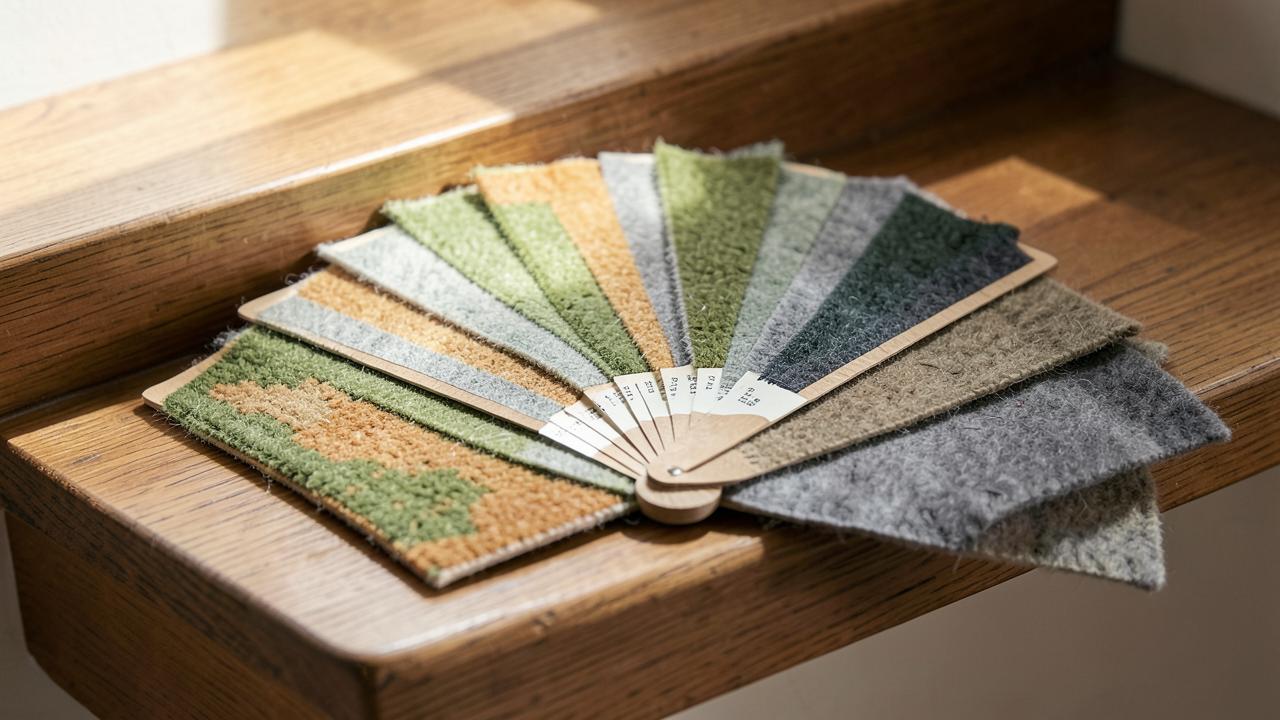 DesignChoosing a Stair Runner ColourHow light, adjacent flooring, trim colour, traffic and dirt should drive the colour decision.
- DesignLuxury Stair RunnersA guide to luxury stair runners. Explore high-end materials like pure wool and silk, bespoke designs, and the finest installation techniques for a premium hallway.
- MaterialsTwist Pile Stair Runners: Durability & StyleTechnical guide to twist pile stair runners. Discover how high-twist yarns improve durability, reduce tracking, and provide long-lasting performance on stairs.